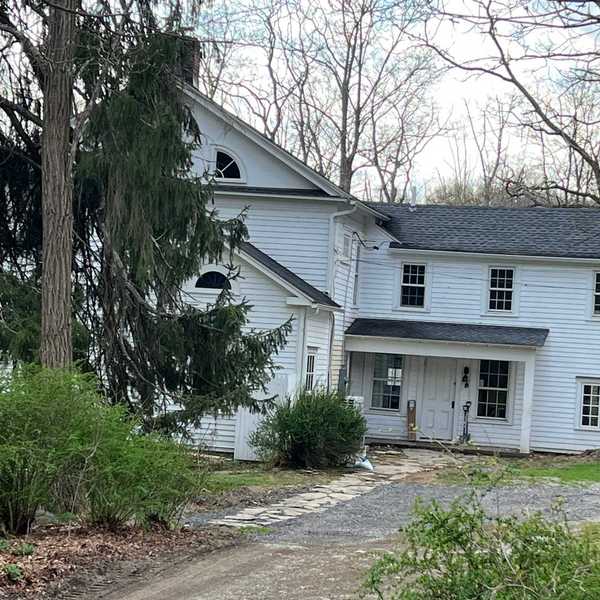
Masonry experts lead talk on Millbrook’s historic stonework
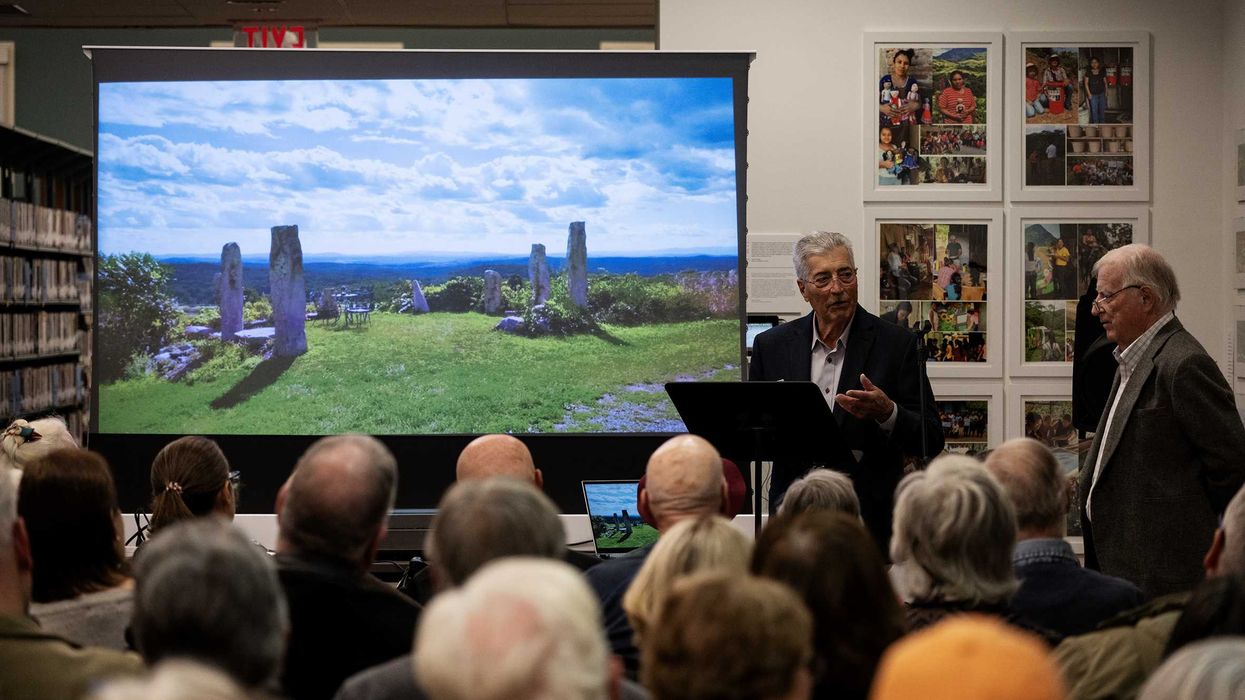
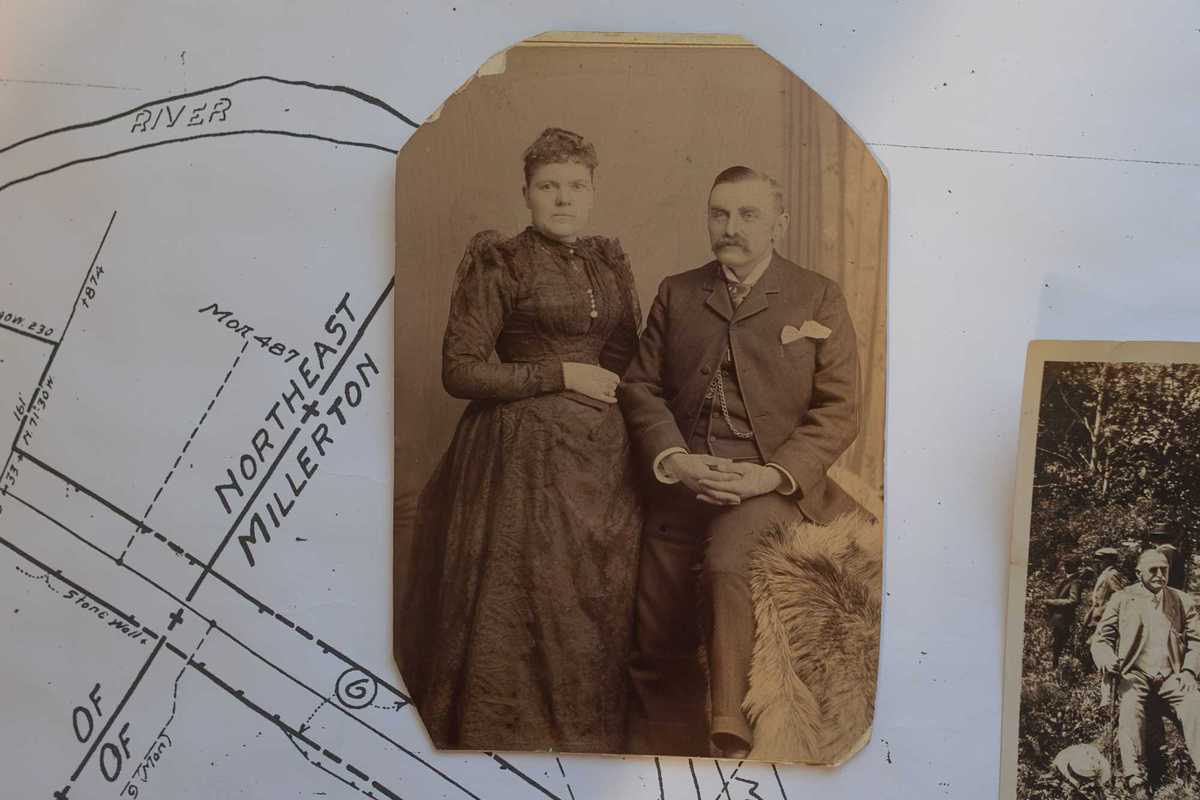
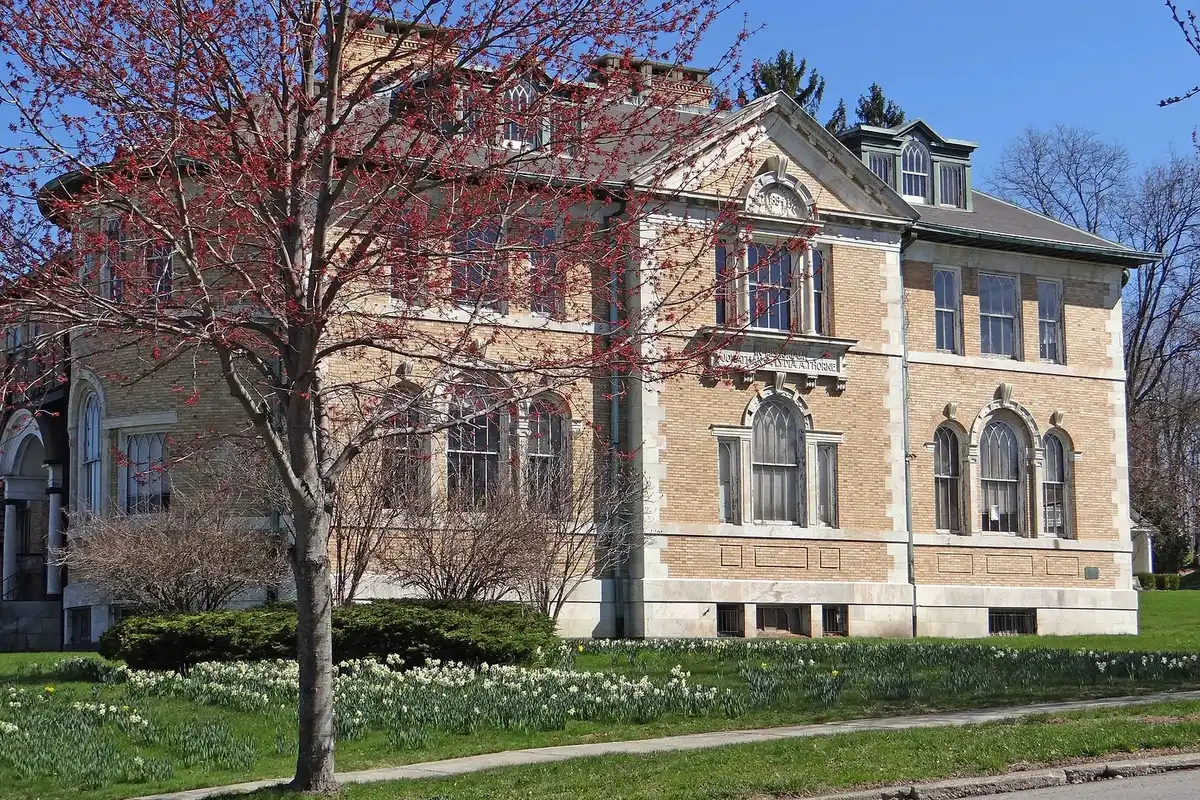
Skip Ciferri and Peter Devers enlightened a packed crowd to the history of Millbrook’s stone masonry at the Millbrook Library on Thursday, Oct. 16.
Kirsten-Edlund Tunkel


Wassaic Project acquired the property in 2024, when the organization was approached by the property owners. “It wasn’t master planned at all,” said Jeff Barnett-Winsby, who co-founded Wassaic Project in 2008. “But our town and our county have been able to support us, and we haven’t embarrassed them.”
The chapel has quickly been folded into the organization’s larger programming plans. Coming up in 2026, Newburgh-based artist Liz Nielsen and her unique photograms will be the first visual artist to have a long-term installation at the chapel.
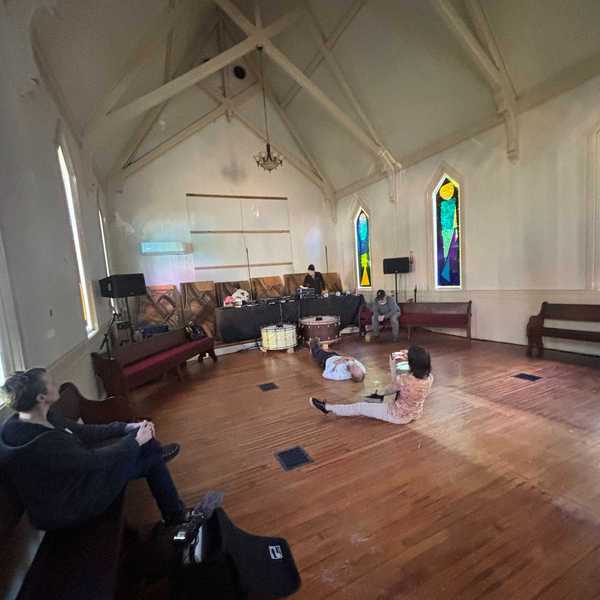 Listeners enjoy the acoustics inside Gridley Chapel, Wassaic Project’s latest addition to its campus.Photo by Graham Corrigan
Barnett-Winsby, now the organization’s co-executive director, said they have big ambitions to turn the space into a year-round music and performance venue — once it’s insulated. “That’s essential for us,” said Barnett-Winsby. “For years, it felt like every other festival was a monsoon situation.”
Preserving the chapel’s historic architecture is also a priority. “We’re trying to respectfully utilize these buildings, and also preserve them,” Barnett-Winsby continued.
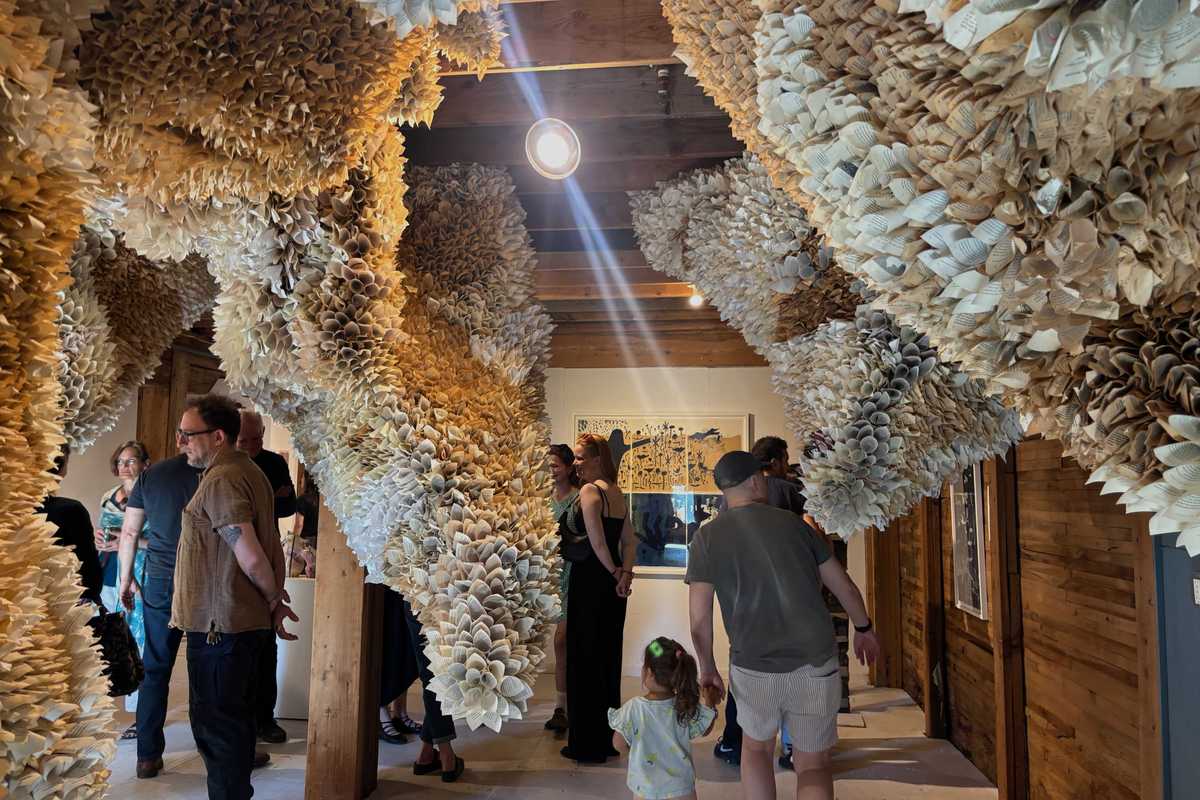
Meanwhile, the summer exhibit, called “Because, now is the time of monsters,” was thronged with crowds that packed into the nooks and crannies of the Maxon Mills space and spilled out onto the lawn. The exhibit took place across the area.
Curated by Jeff Barnett-Winsby, Bowie Zunino, Eve Biddle and Will Hutnick, the show is aptly described by the organization as “something between a vision and a fever dream.” Climbing through the mill’s seven levels, the viewer is transported to worlds wrought from paint, plaster, paper, ceramic, metal, and more. It is both dreamlike and nightmarish, comforting and uncanny.
These projects are made possible in part by funding from the National Endowment for the Arts, which recently approved a grant application sought by the Wassaic Project.
Also returning is Wassaic Project’s Art Nest, an all-ages classroom led by Special Projects Manager Emi Night. On opening weekend, a group of young art lovers were engrossed in projects based on two of the exhibition’s artists: felt tapestries in the style of Saul Chernick, and collaborative sculptures inspired by Samuelle Green. The art nest is open every Saturday from 12-5.
The larger Wassaic Project is open Thursday-Sunday from 12-5. Admission is free, with a suggested donation of $10.
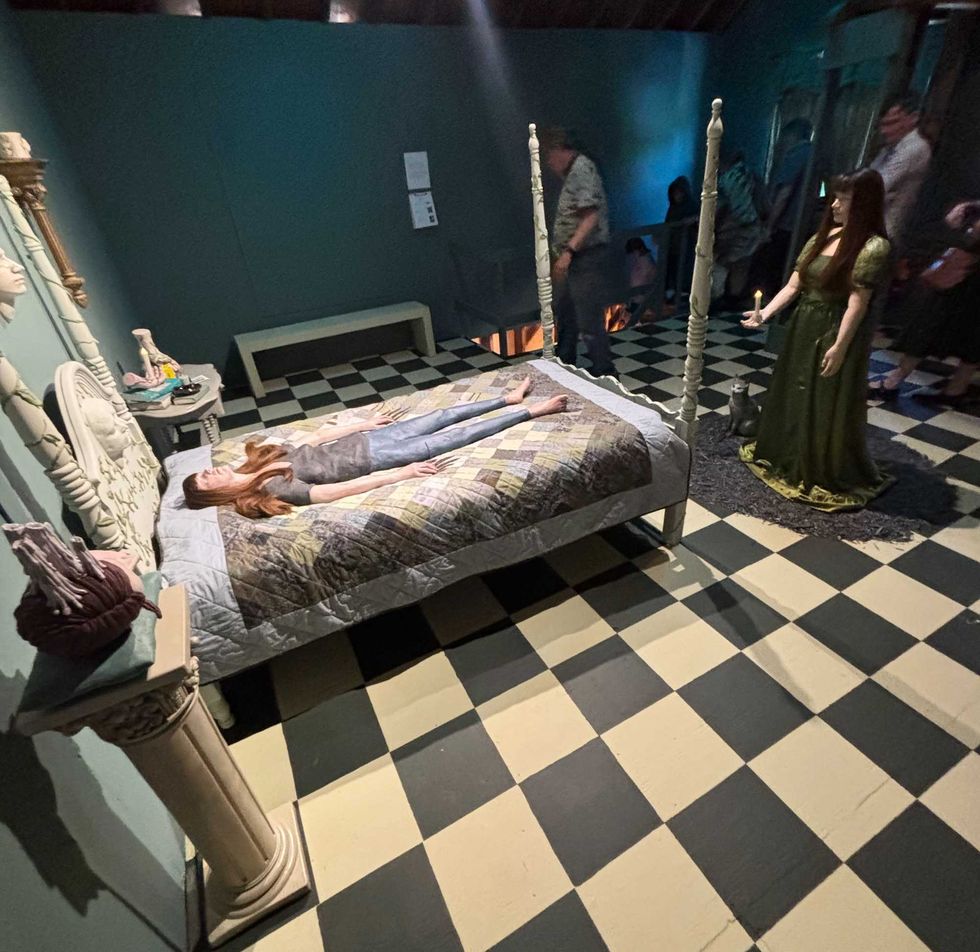 The seventh floor of Wassaic Project was transformed by Clarissa Pezone and her surreal ceramics. Photo by Graham Corrigan

Want more of our stories on Google? Click here to make us a Preferred Source.
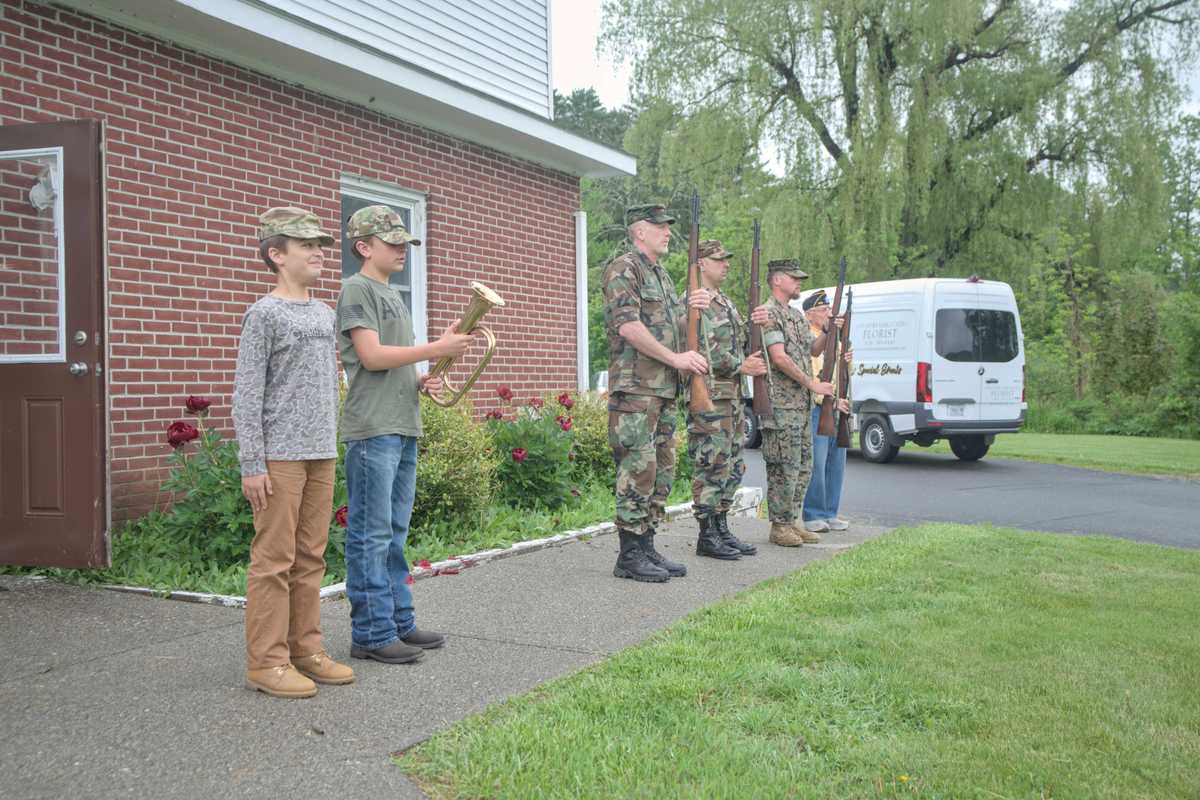
A ceremonial firing party honored fallen soldiers at Millerton’s American Legion on Route 44 on Monday, May 25. Legion representatives originally planned a parade down Millerton’s Main Street and a ceremony at the Veterans Park monument in front of the Methodist Church, but rain forced the events inside at American Legion Post 178.
Check out photos from the ceremonies on Monday, May 25:
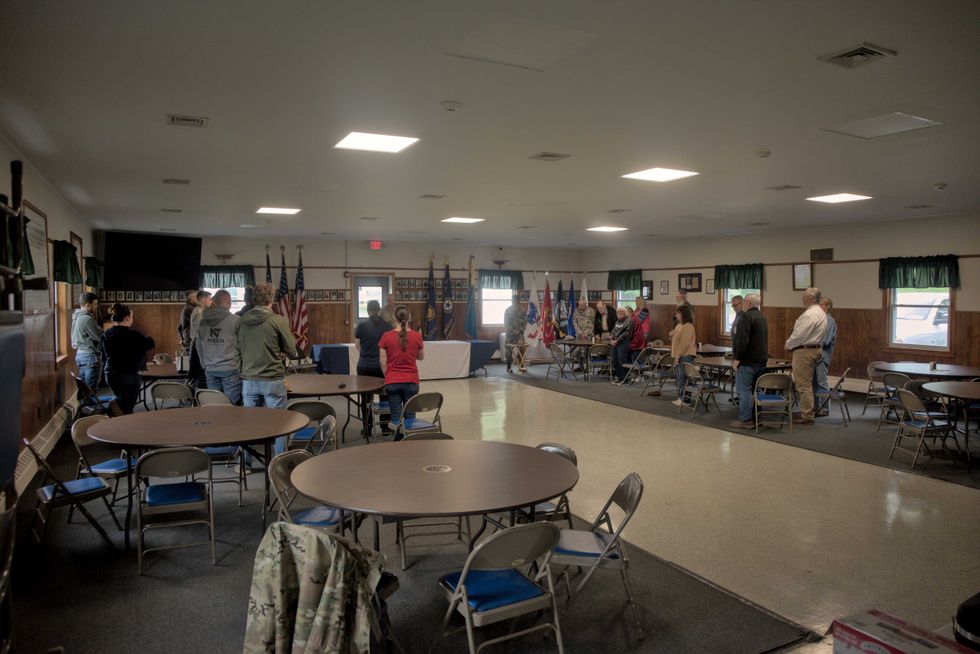
Photo by Nathan Miller
A group of veterans and their loved ones observes a moment of silence inside American Legion Post 178 on Route 44 in Millerton.

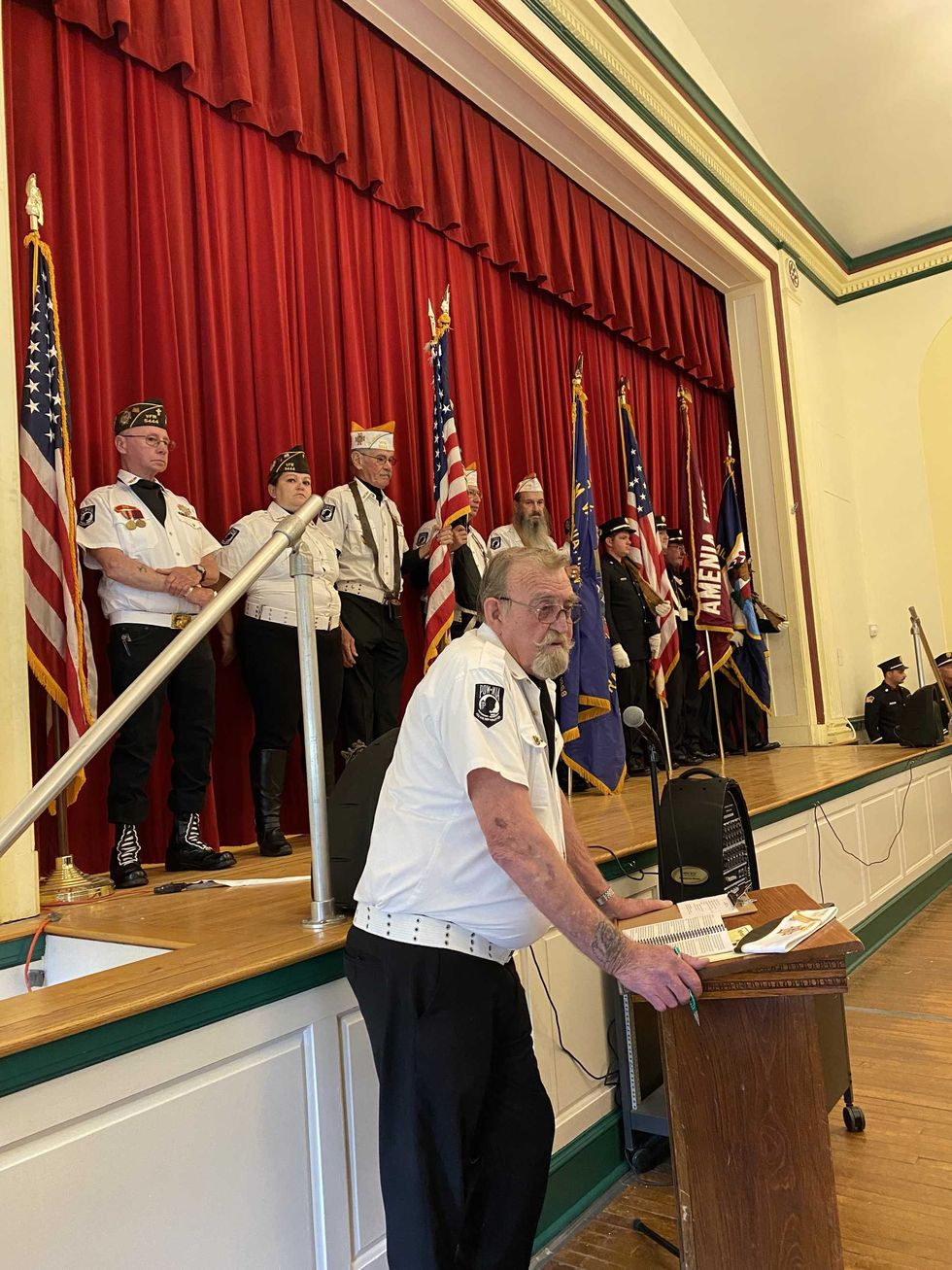
Photo by Leila Hawken
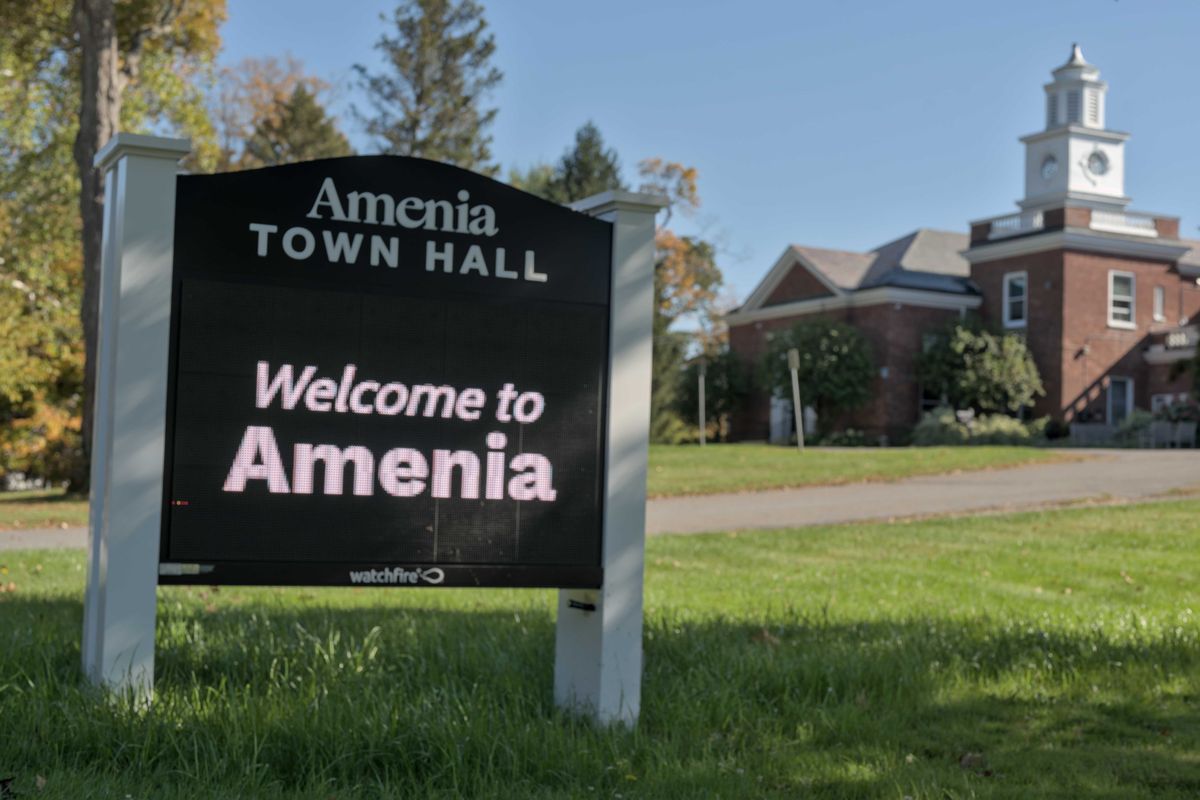
VFW Post 5444 Commander Nick Woodard opens Amenia’s Memorial Day ceremony at Amenia Town Hall on Monday, May 25. The traditional ceremony, featuring remarks from local officials and religious leaders, was held inside the Route 22 building due to the threat of rain.
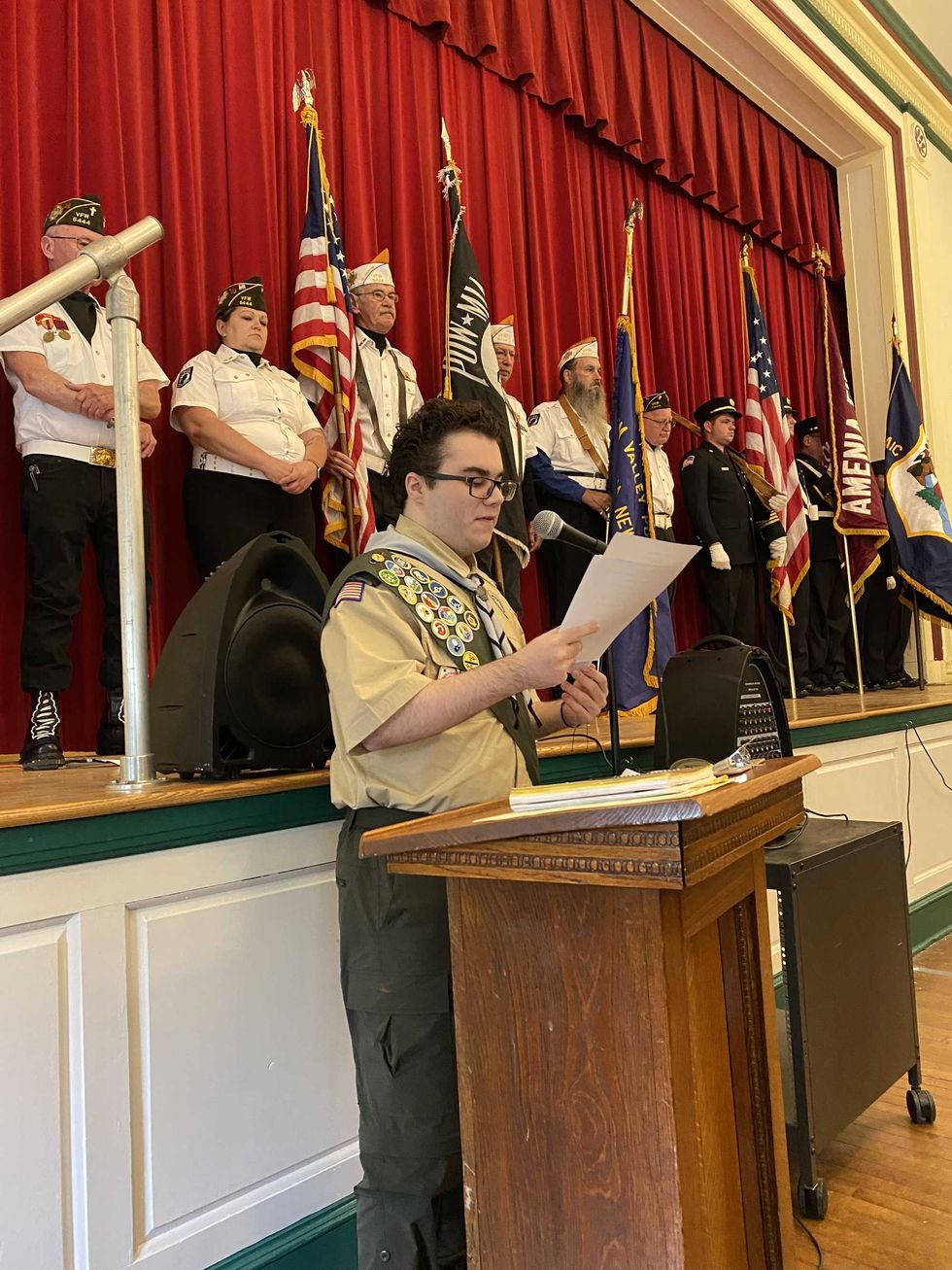
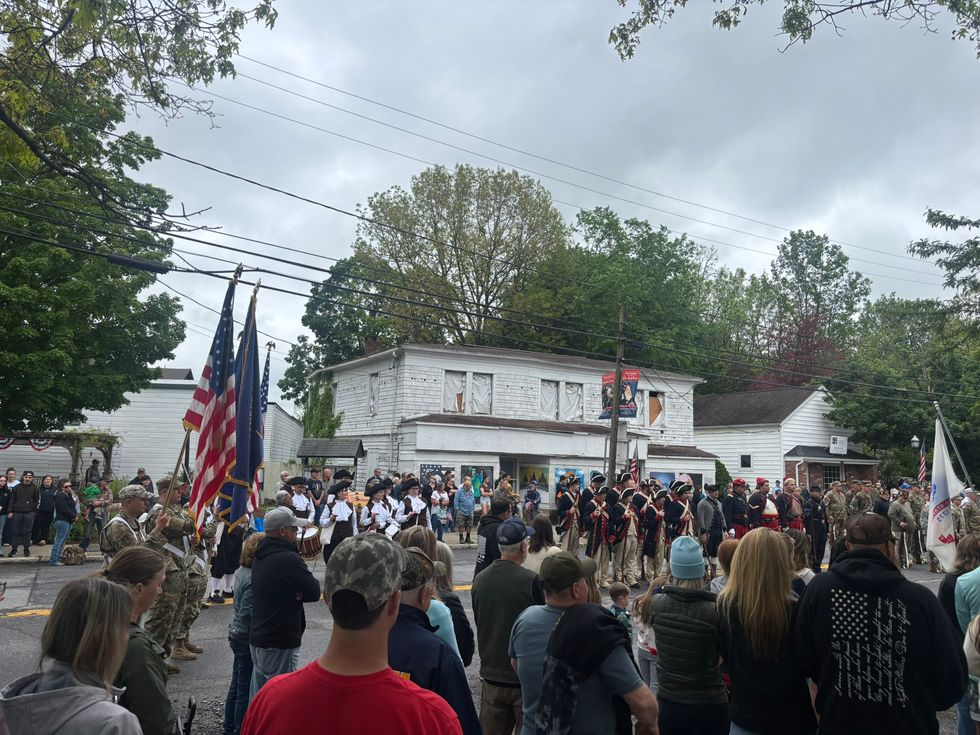
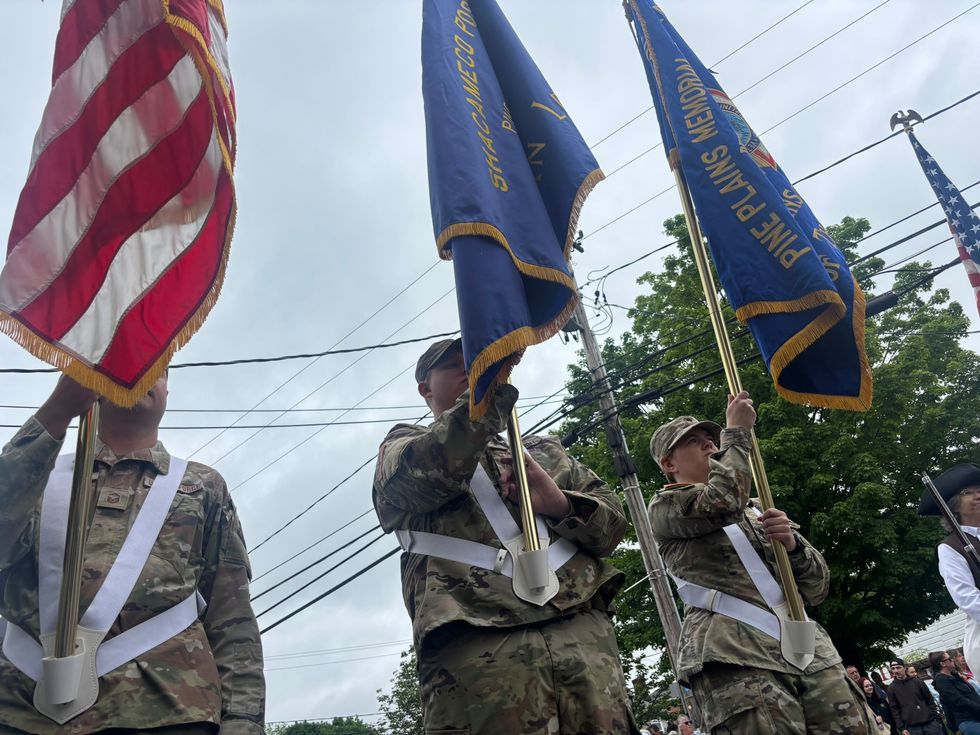
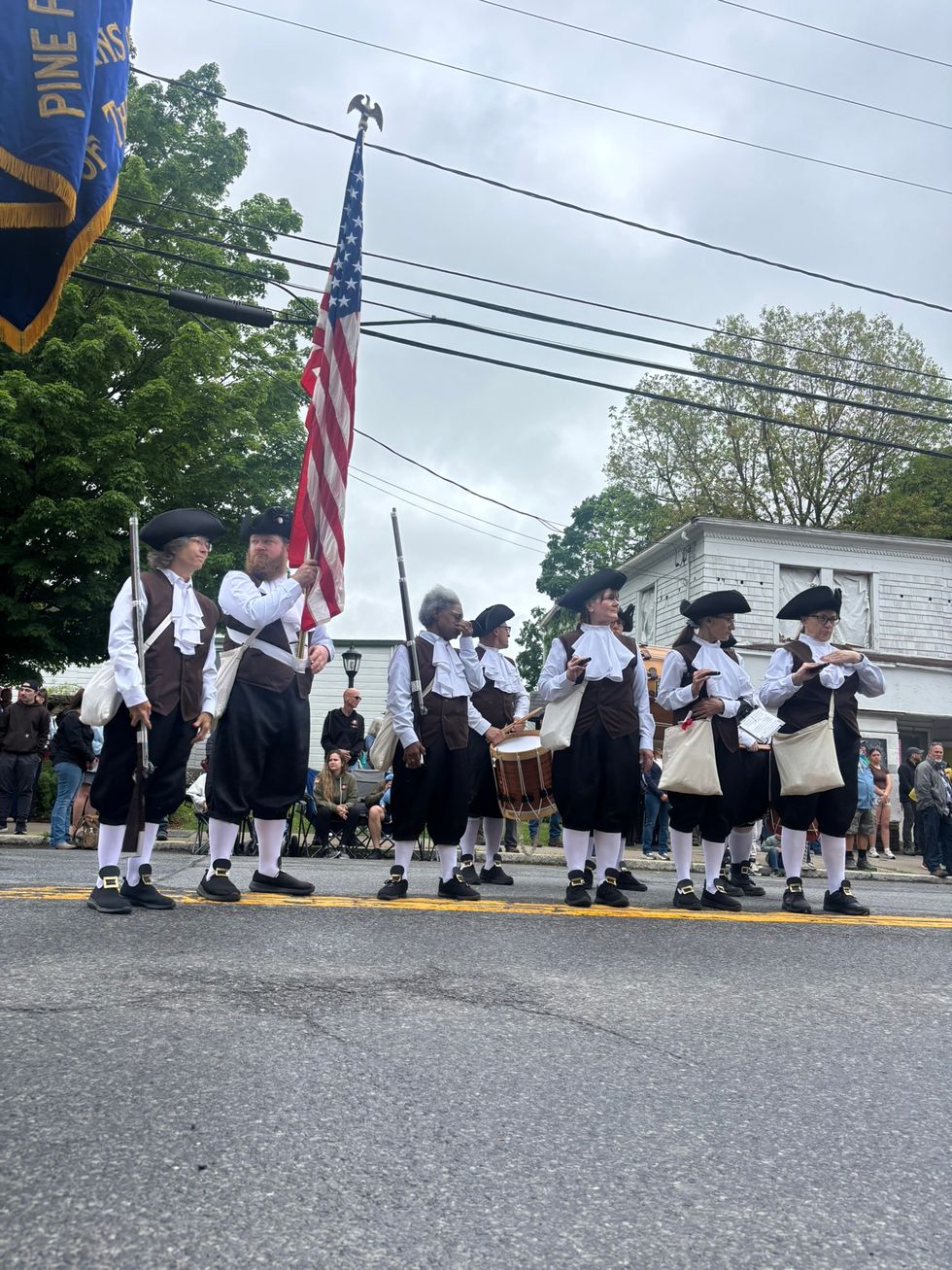
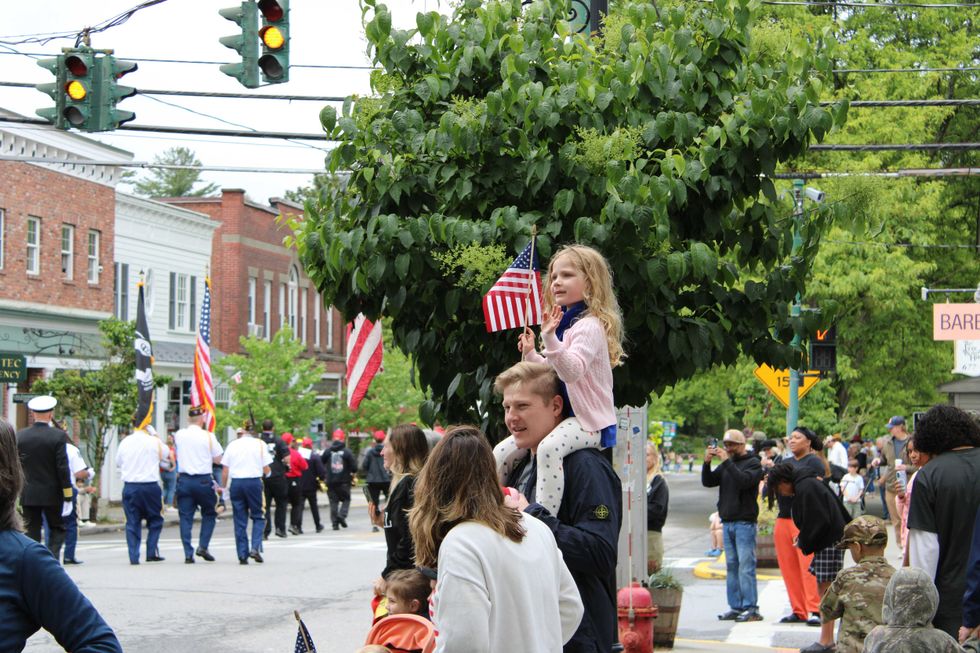
Photo by Natalia Zukerman
Onlookers of all ages crowd the sidewalks along Franklin Avenue in Millbrook on Monday, May 25, for the village’s annual Memorial Day parade. Festivities included a parade, a military flyover and a period of reflection at Millbrook’s Tribute Gardens.

Want more of our stories on Google? Click here to make us a Preferred Source.