We turned over this week’s column to Sue Serino, who becomes Dutchess County Executive next week.
As the Program Manager of the Dutchess County Office for the Aging (OFA) this past year, I was able to help launch its “Friendly Calls” program.
“Friendly Calls” has since connected over 100 Dutchess County older adults at risk of loneliness and social isolation with OFA volunteer callers of all ages. I know that OFA will build on this success in 2024.
Sometimes the most valuable way of helping others is also the simplest, and it doesn’t get much simpler than picking up the phone to talk to someone. That’s one reason the Office for the Aging’s “Friendly Calls” program has become so popular so quickly with older adults and volunteers alike.
For information on becoming a “Friendly Calls” volunteer, email bjones@dutchessny.gov or call 845-486-2555.
For volunteers, especially recent retirees who are just beginning to explore what to do with their newfound free time, “Friendly Calls” is been a great start. It’s a 20-30 minute, once-a-week commitment lasting eight weeks, and it’s the kind of volunteering that can be done from home, on a lunch break, or from anywhere on earth with a good phone signal.
If you start as a “Friendly Calls” volunteer in February but you’re going to Yankees spring training in March, keeping to a weekly call schedule is no problem whether you’re here or in Tampa. “Friendly Calls” participants are older adults living in Dutchess County who have an existing relationship with OFA. They’ve agreed to participate in the program, and callers and participants “meet up” before beginning the weekly calls, to agree on a time and date for the calls. (By sticking to a schedule, participants can also be assured that when their phone rings at that time, they don’t have to worry that it’s a telemarketer or a scammer.)
“Friendly Calls” volunteers must be at least 18 years of age.
Can the calls go on for longer or shorter than 20-30 minutes? Sure, if both parties agree on it.
What should we talk about? OFA arranges for “Friendly Calls” orientation sessions for just this purpose. The sessions last about 45 minutes and take place at OFA headquarters on Delafield St. in Poughkeepsie. Volunteers learn how to follow up with OFA on any concerns a participant may express during a call, and OFA is just a call or email away if you have more questions. For example, if a participant mentions during a call that their roof leaks when it rains, OFA can help connect them with the appropriate resources to help.
We list “Friendly Calls” orientation sessions at www.dutchessny.gov/calendar, and publish them in OFA weekly email newsletters. And if you can’t get to an orientation for any reason, we can work with you on setting up a remote orientation option.
Golden Living is prepared by the Dutchess County Office for the Aging, 114 Delafield St., Poughkeepsie, New York 12601, telephone 845-486-2555, email: ofa@dutchessny.gov website: www.dutchessny.gov/aging
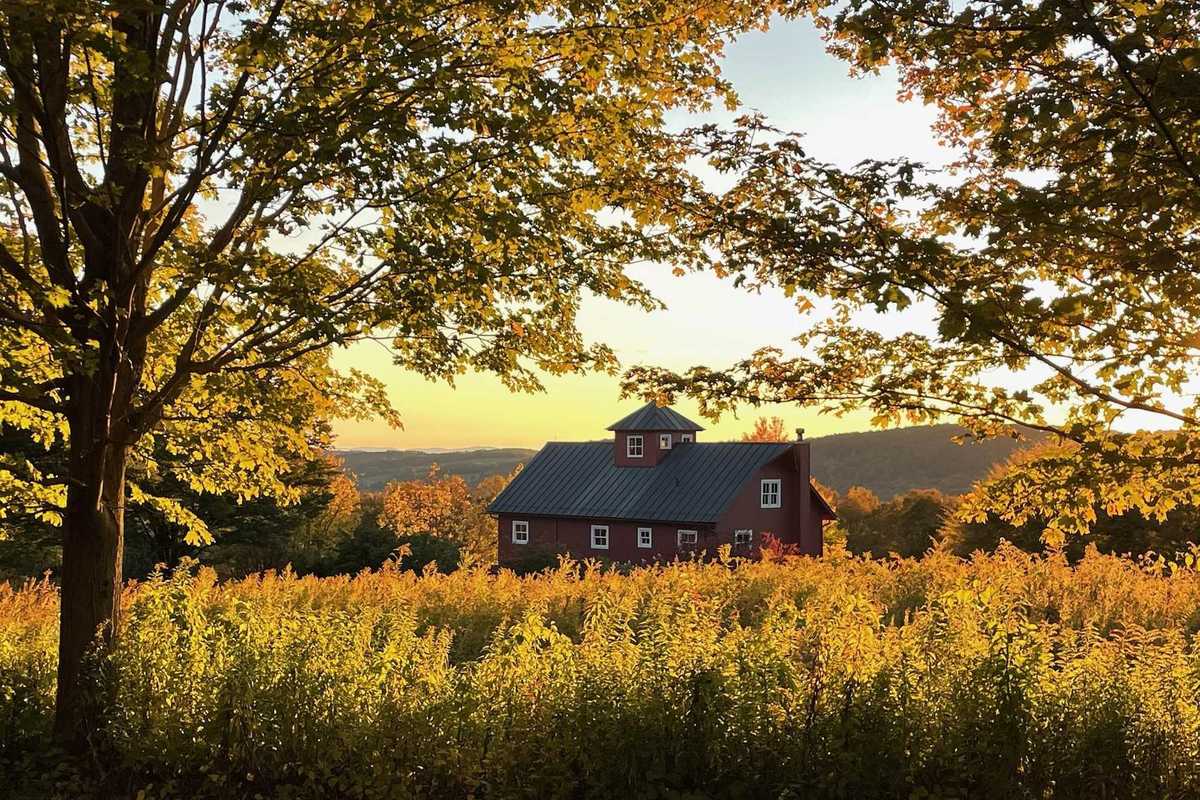
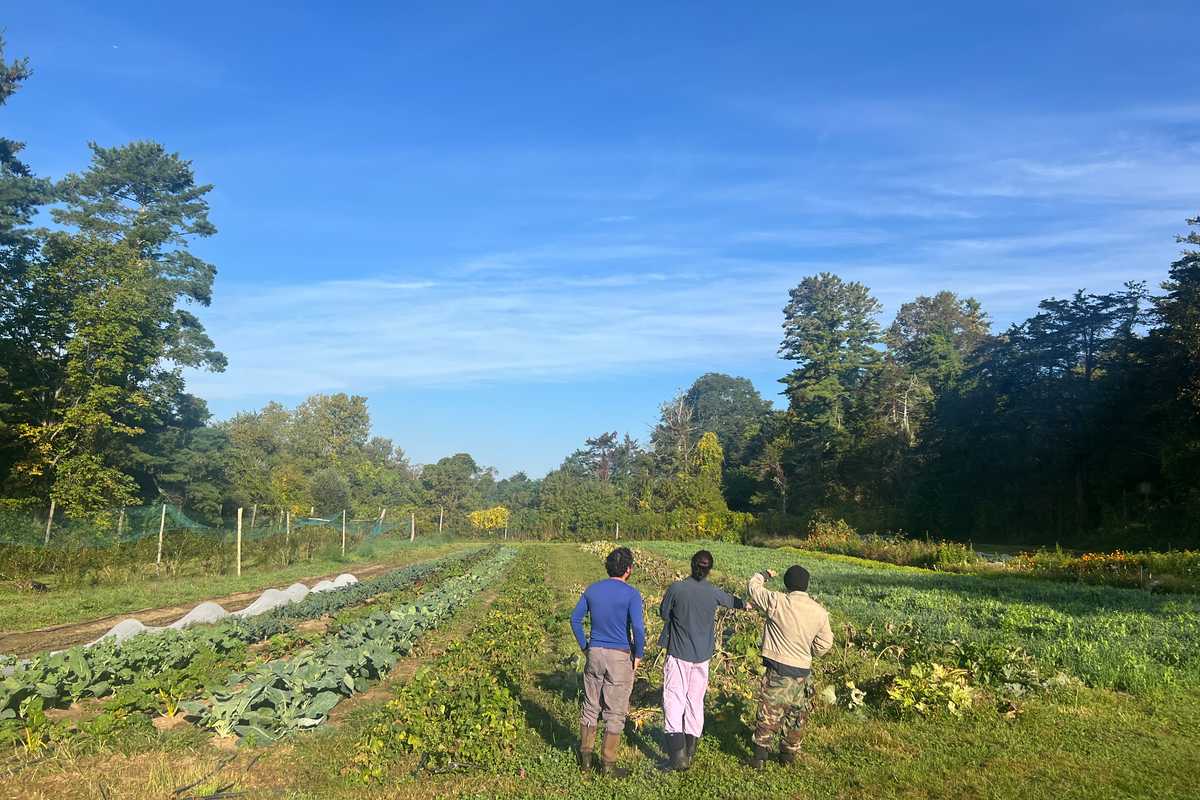
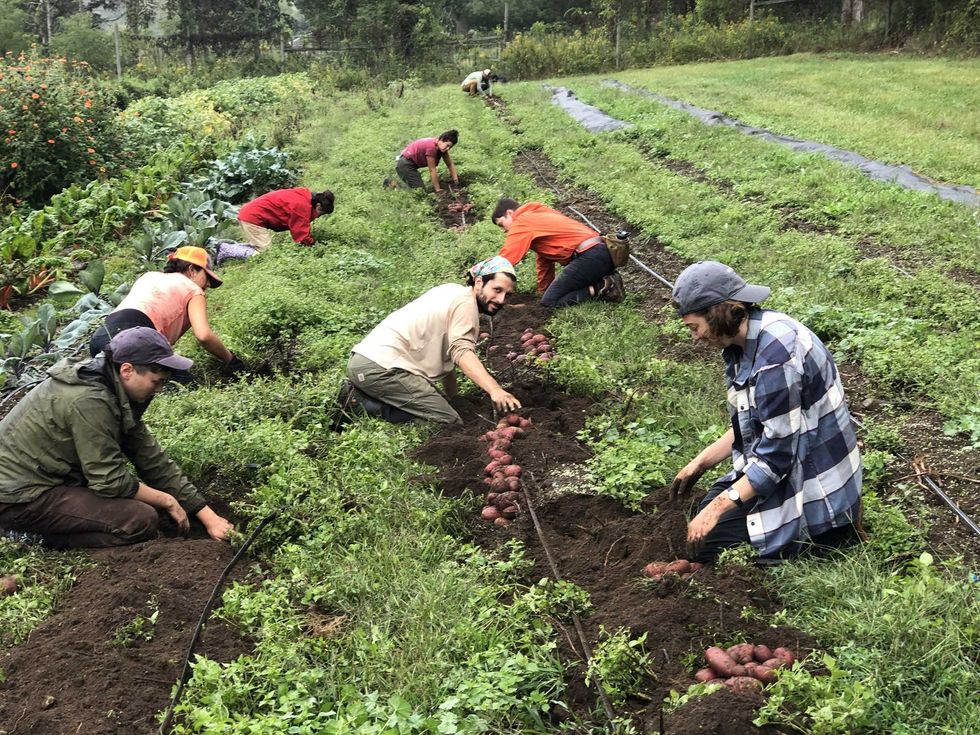 Fall storage crop harvests amid soil building cover crops at Adamah Farm in Falls Village. Janna Siller
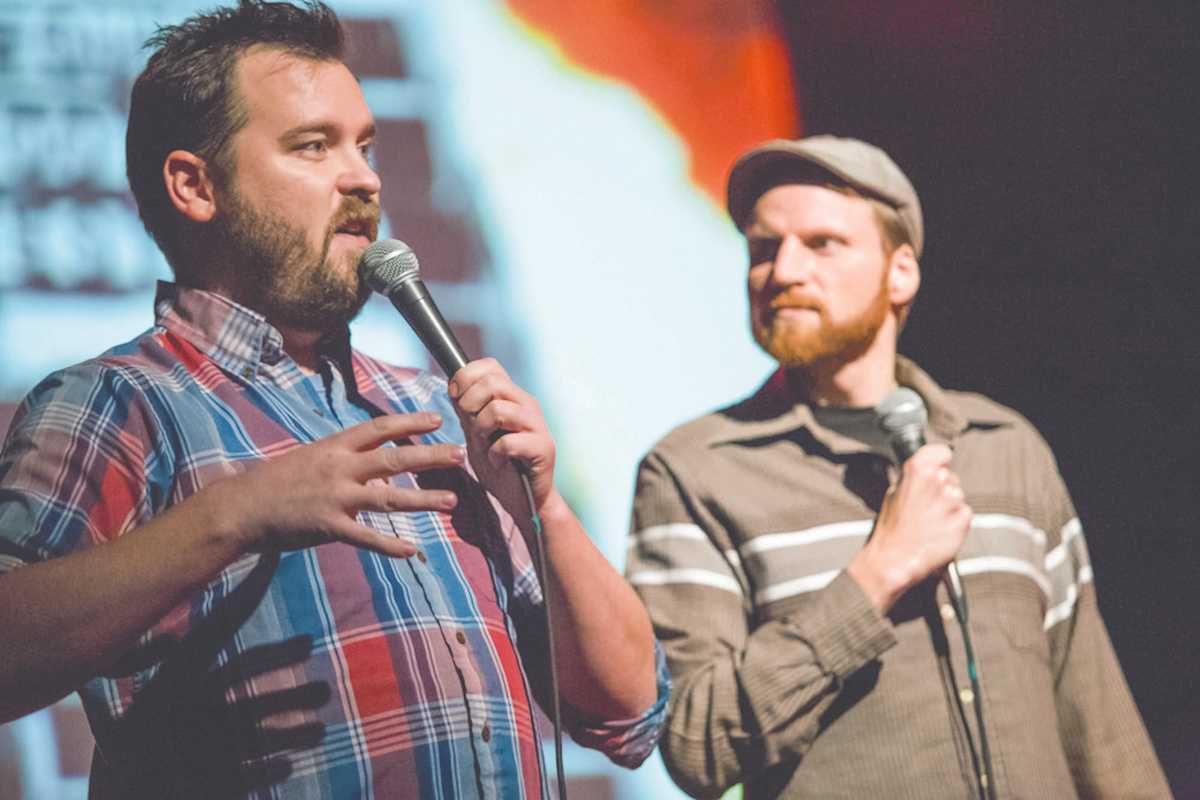
 The Found Footage Festival is a “celebration of the videos that time forgot.”Provided by Found Footage Festival