Truitt to challenge Aymar-Blair for Comptroller seat

Republican County Comptroller candidate Will Truitt currently serves as the chair of the Dutchess County Legislature.
Photo provided


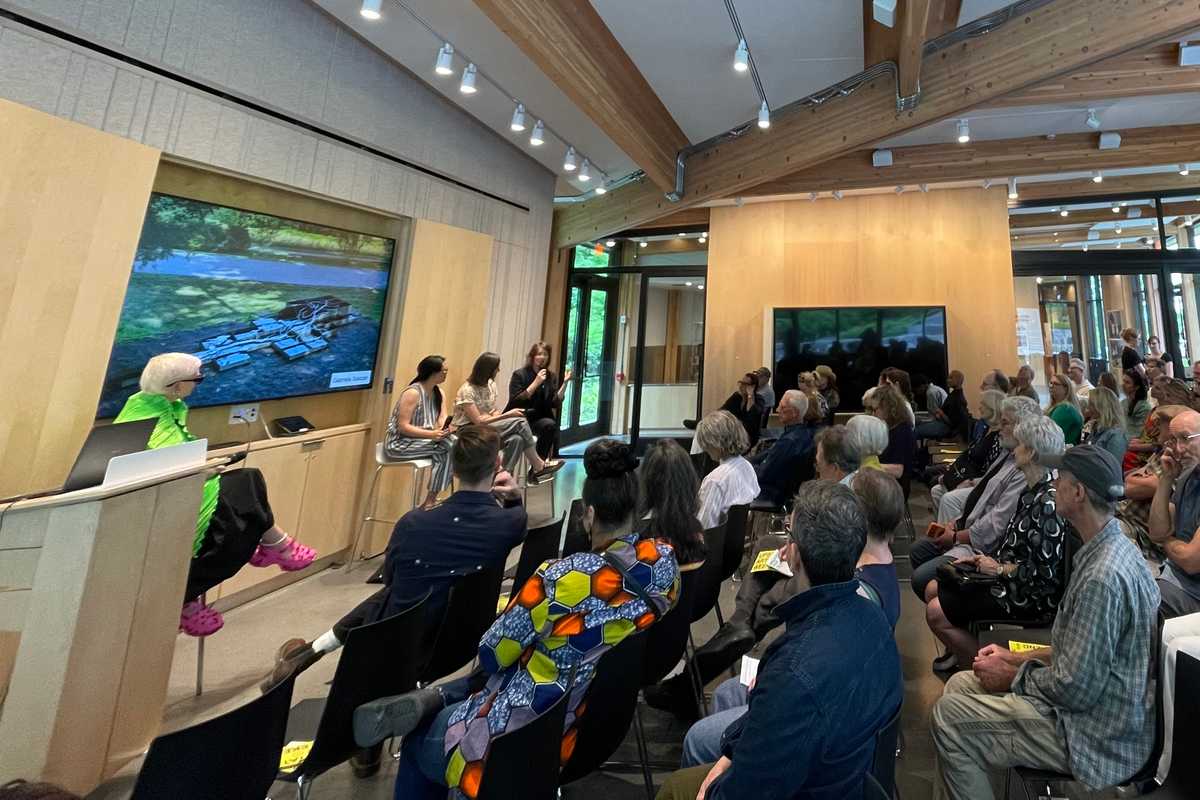
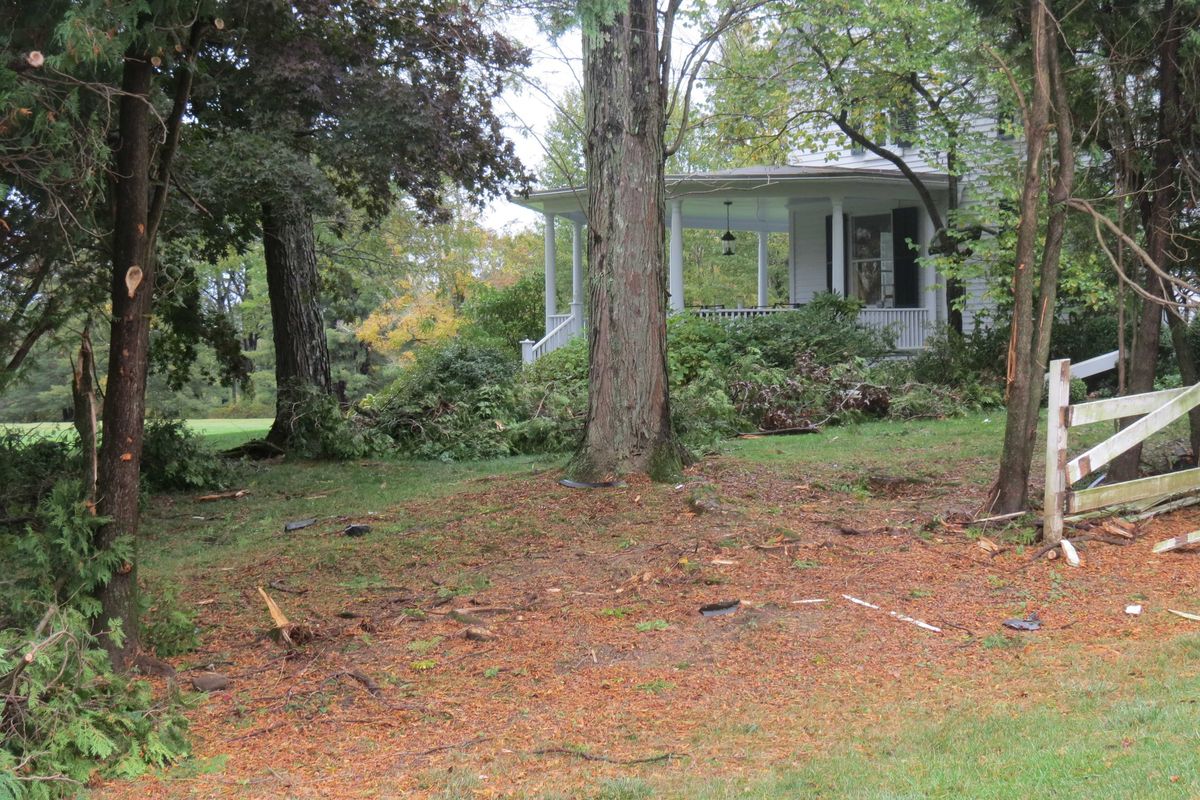
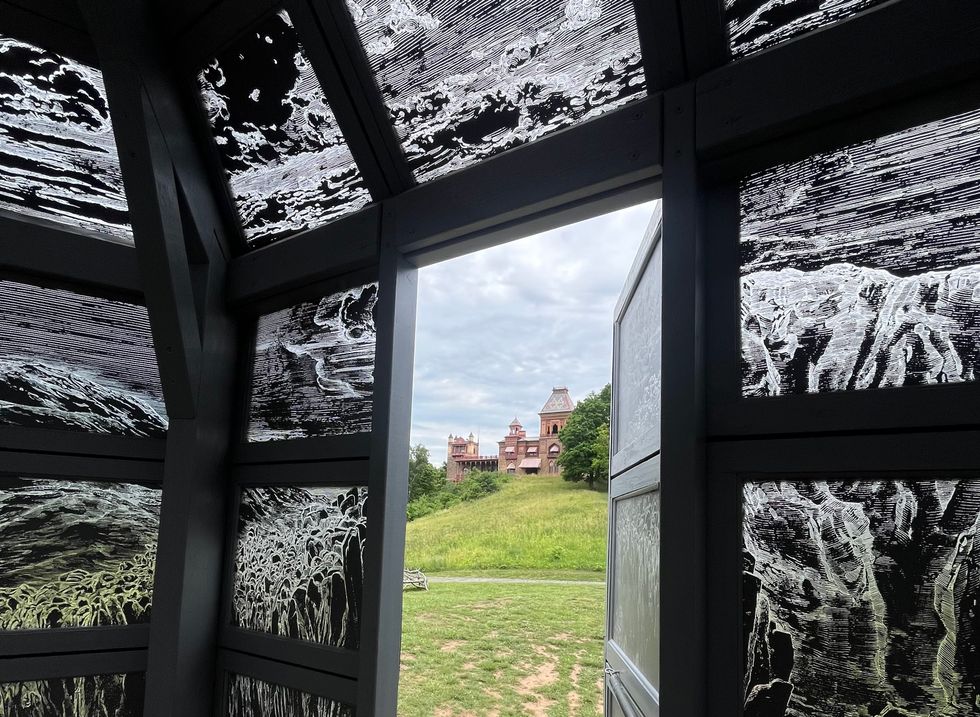
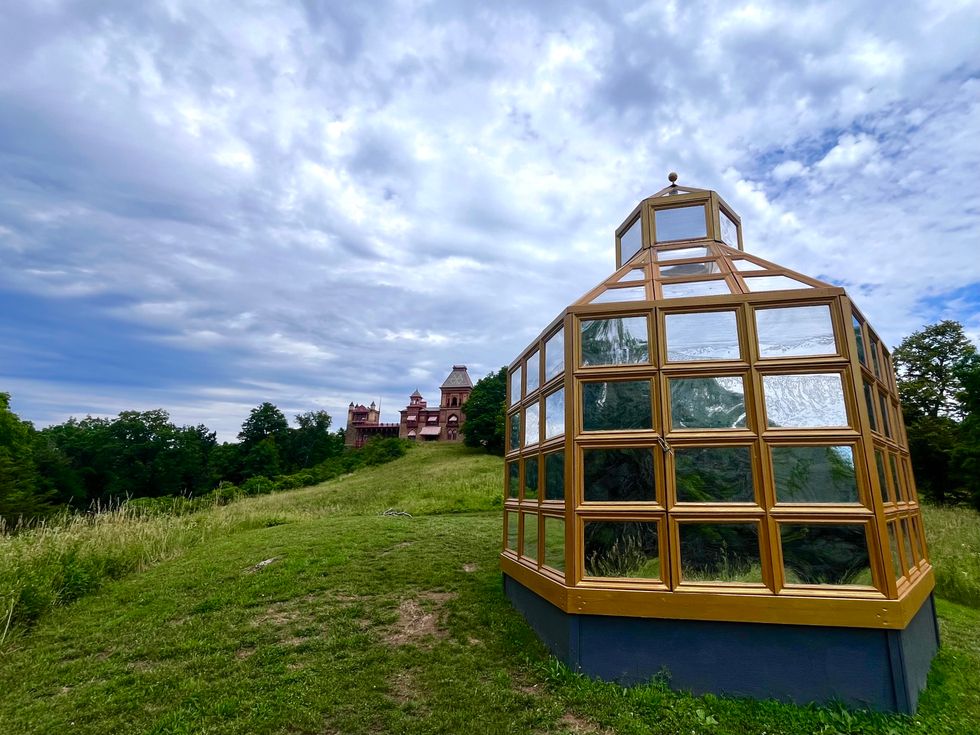
Church’s status as an early environmentalist was mentioned repeatedly during the conversation. Shin’s sculpture “Fallen,” which graced the lawn next to the estate’s main house during last year’s event, featured a fallen hemlock tree trunk planted by Church over 150 years earlier which had been wrapped in tanned leather. She described the work as a direct reference to Church’s experience witnessing the eradication of the area’s hemlocks as the leather tanning industry wreaked havoc on the natural environment of the Hudson Valley in the mid-19th century.
The relationship between art and the environment wasn’t isolated at Church’s former home. Instead, it seemed to be found all over UAW.
Now in its seventh year, UAW works to take the art world out of the city. At its best, the weekend gives artists and curators the opportunity to interact with unfamiliar environments. Just as often, however, it serves as a literal escape, allowing New York City galleries to bring works to pop-up spaces assembled for the express purpose of displaying fine art. The “Loading…” group show in Hudson did just this.
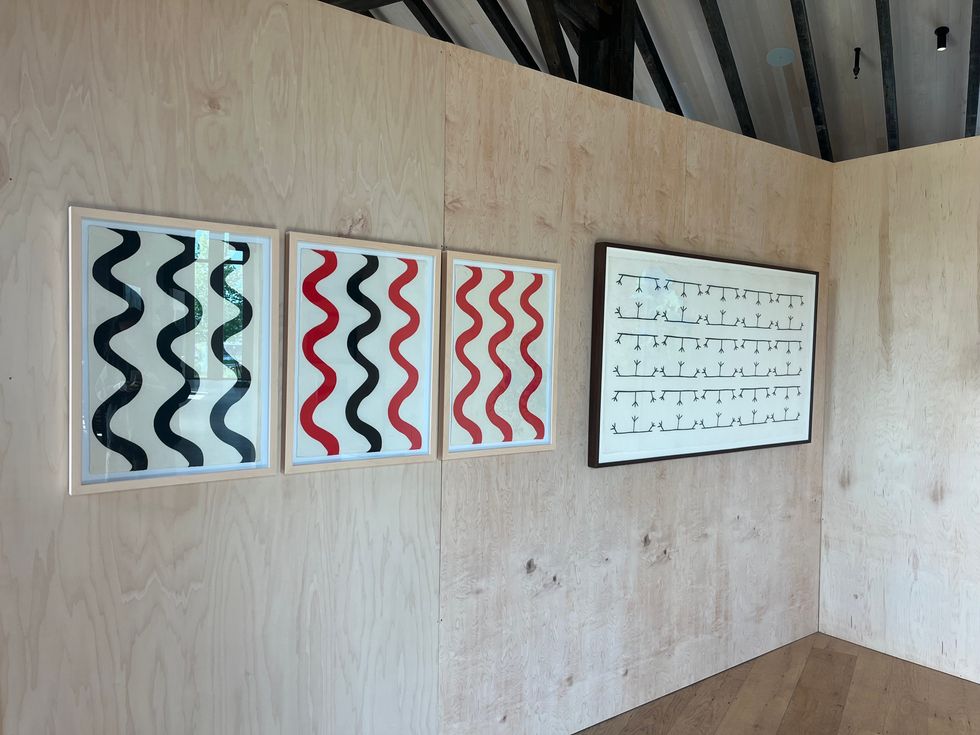
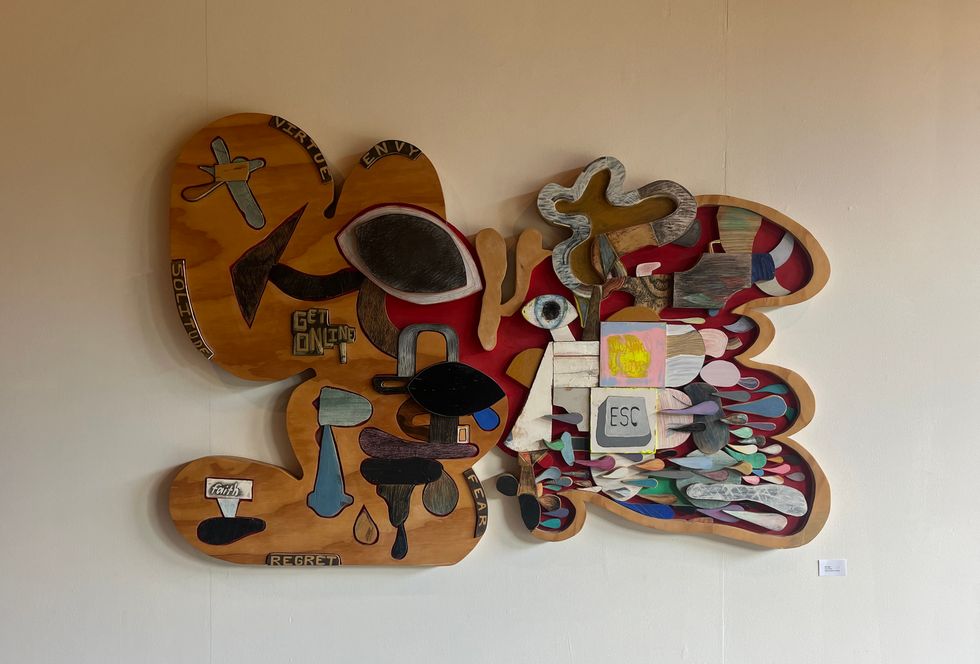
Transplanting six New York City galleries into an intimate event space, “Loading…” featured a wide variety of artists from around the globe. Sheroanawe Hakihiiwe, an Indigenous artist from Venezuela, takes ancient practices and translates his observations of the Amazon into minimalist works. Michael Assif’s “Plant a Weed” highlights the human impact on a natural landscape while feeling like a marshmallow dream. And Margaret Curtis’ “ ‘S ” uses the backdrop of a Hudson River School-style sunset to highlight the chaos of today’s state of the American dream.
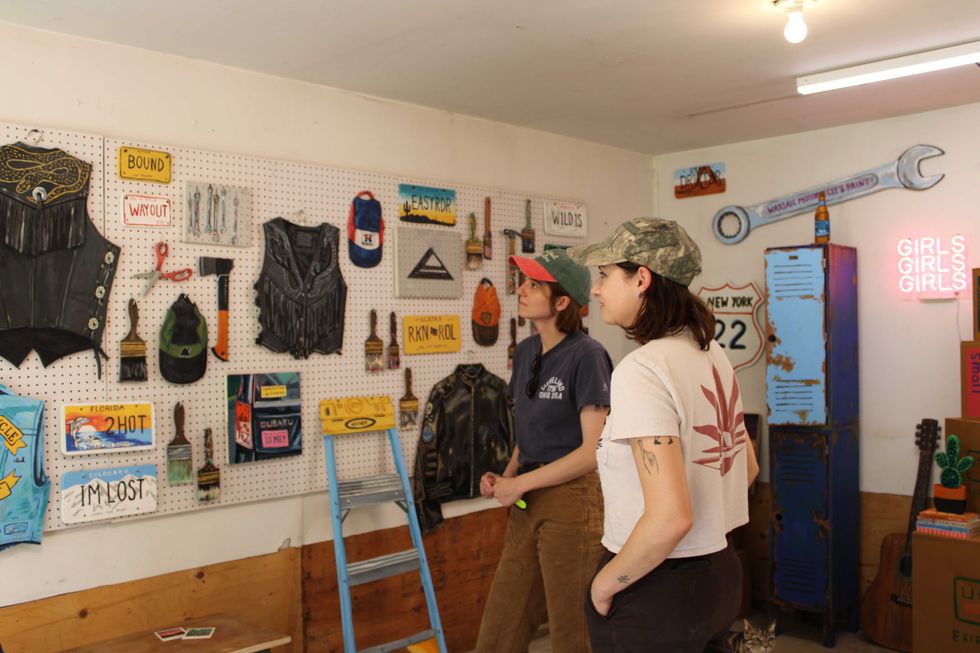
The flip side of this art-world field trip is the variety of makeshift galleries in the garages and barns of the Hudson Valley. Places like Ugly Mud Studios and Ten Barn Farm, both in Ghent, along with Foxtrot Farm and Flowers in Stanfordville, housed unexpectedly refined exhibitions. These venues all integrate sustainable practices into their business: Foxtrot is a regenerative flower farm, Ugly Mud uses locally sourced clay, and Ten Barn Farm operates a farm-to-table restaurant called The Kitchen.
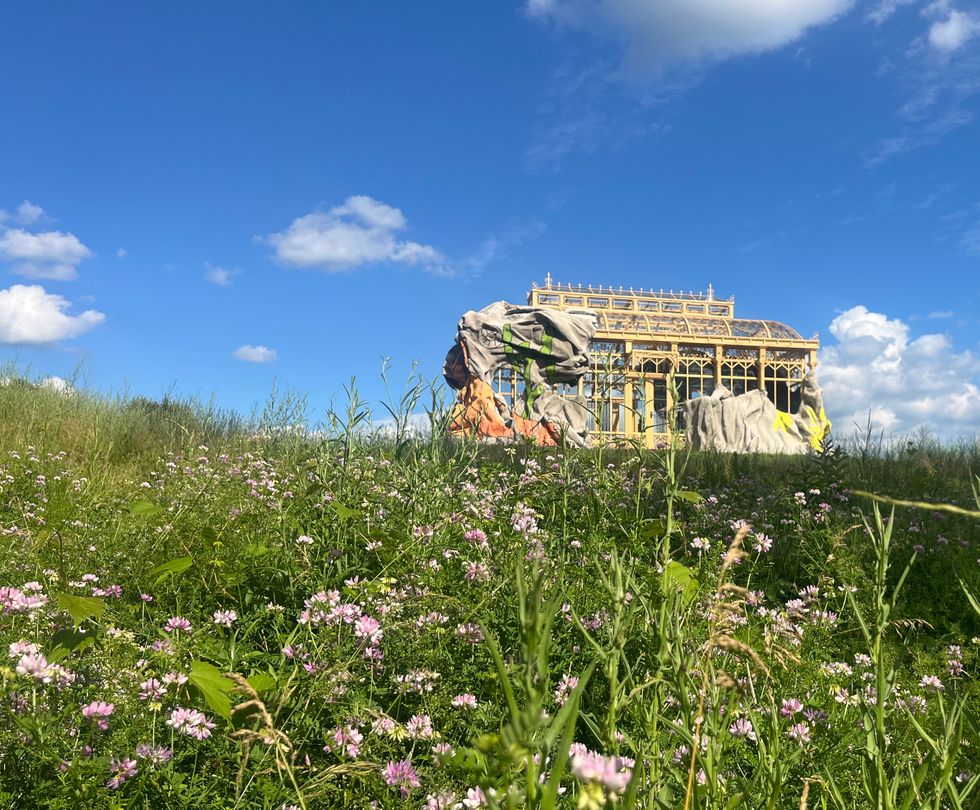
But at the end of the day, UAW is about getting the art world into the wild. So it was no surprise to see a panoply of eye-catching outfits, and out-of-this-world works at Art Omi, the sculpture and architecture park in Ghent, on Saturday evening. Complete with avant-garde ambient operatic metal, the Summer Kickoff event served as a testament to the continued growth of UAW. It seems the seeds that Toomer and her collaborators planted seven years ago are flourishing, with no signs of slowing down.
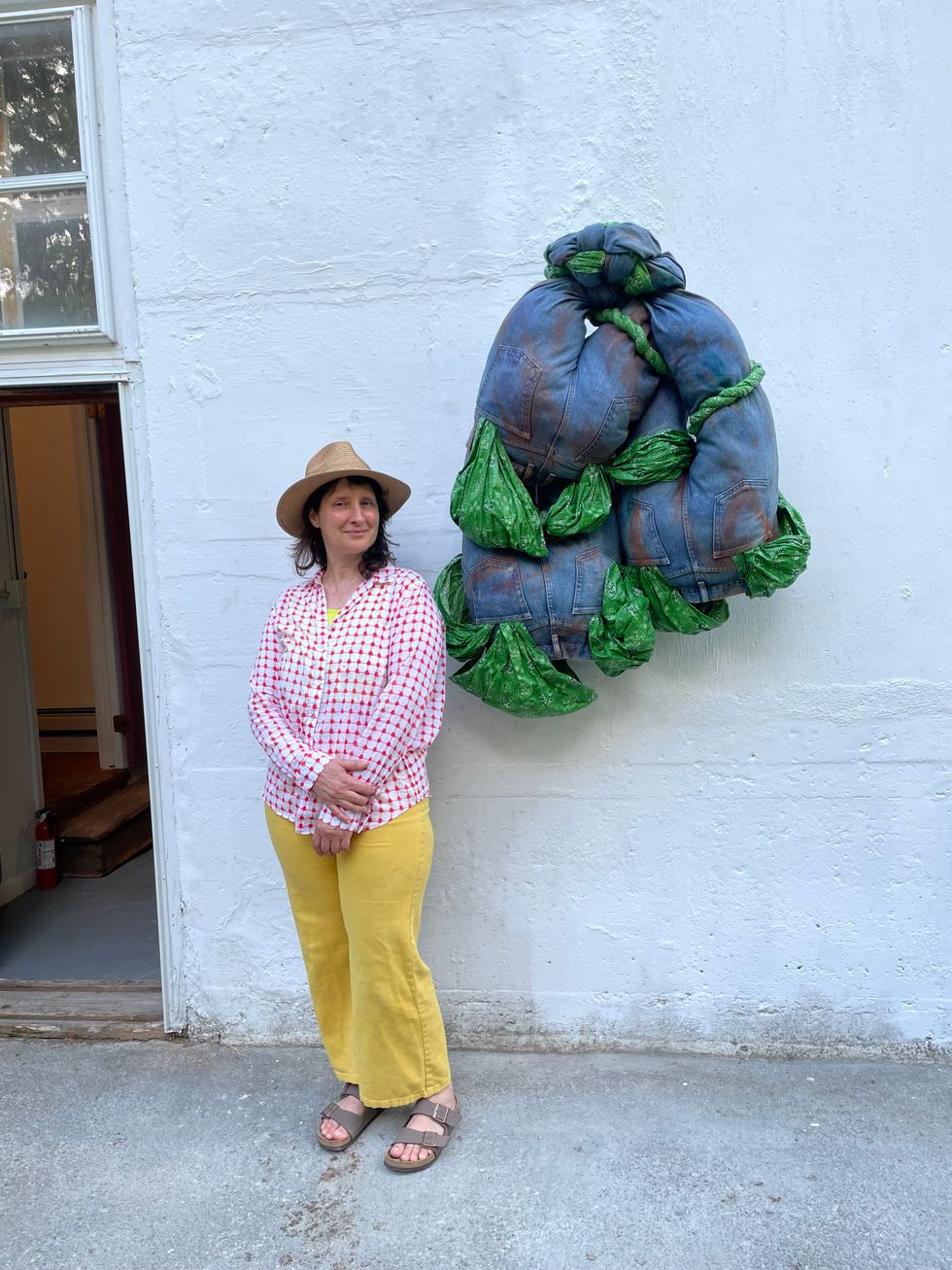
Andrew Ingall
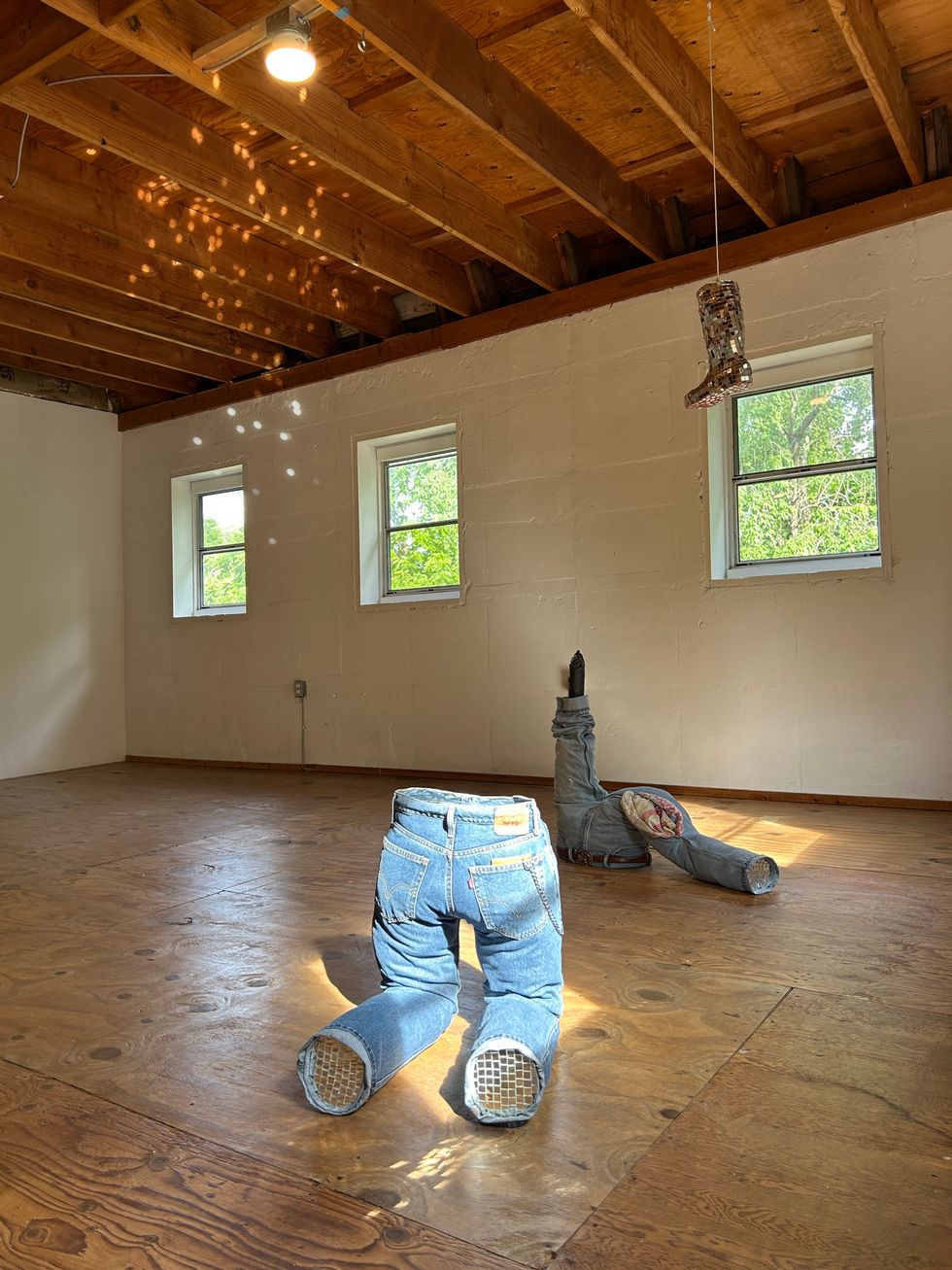
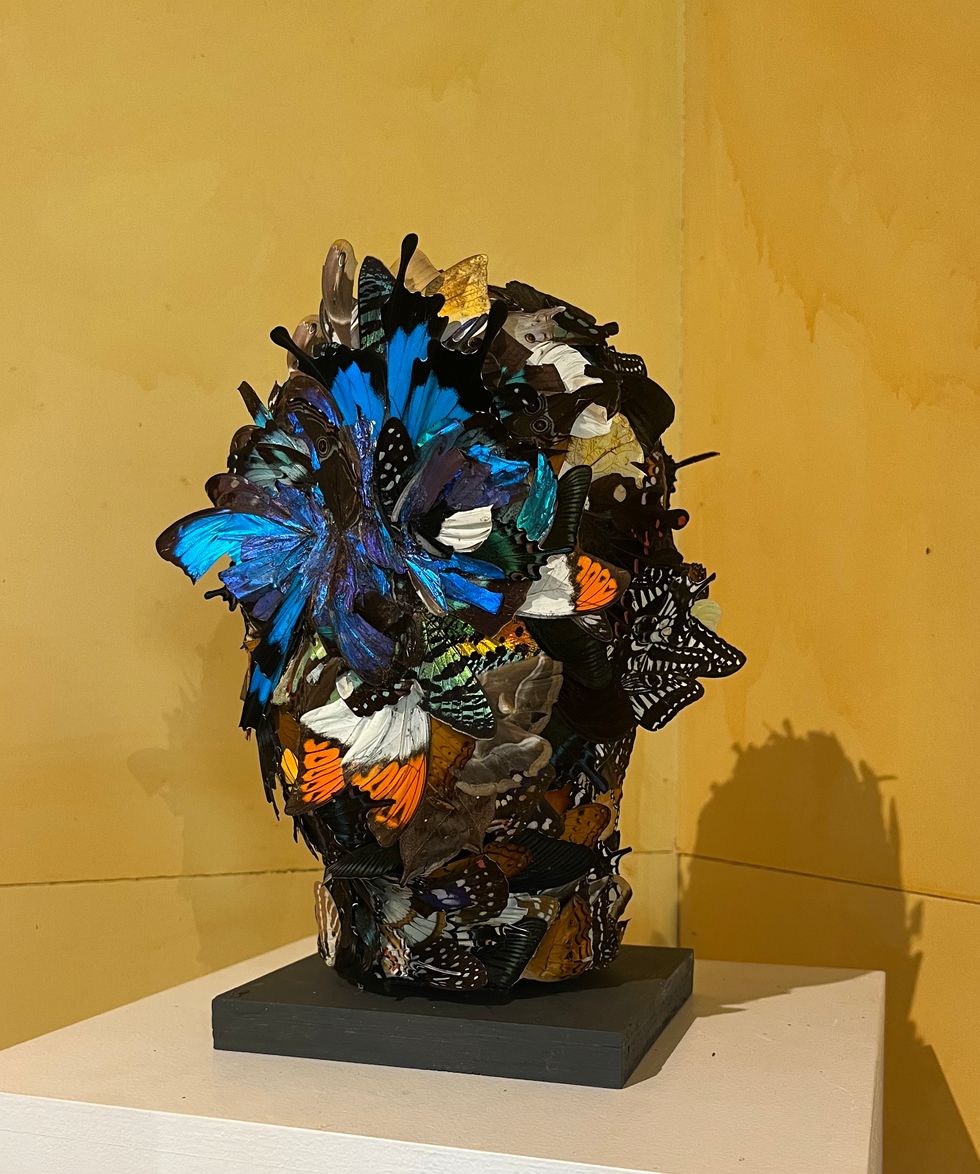
Artist Christy Gast with her sculptures at Friday Arts in Amenia.

Want more of our stories on Google? Click here to make us a Preferred Source.
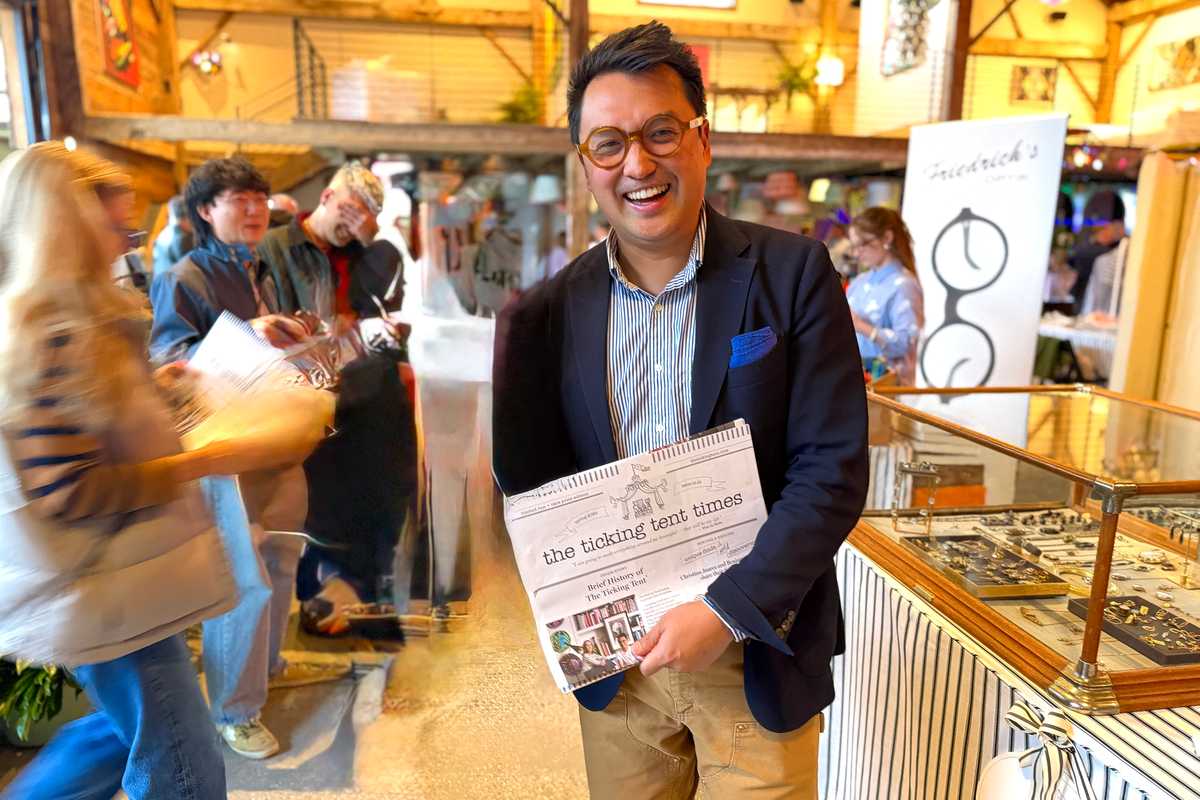
Benjamin Reynaert
His career began at Martha Stewart Living. A contributor to Architectural Digest, Elle Decor, House Beautiful and Veranda, Reynaert has also served as style director at Domino. He has worked with Farrow & Ball, Chairish, Neiman Marcus, Sunbrella, Anthropologie, Gap, Bunny Williams Home and Stella Artois. He shares his work on Instagram via @aspoonfulofbenjamin.
“I’ve been fortunate to travel the country and abroad for Elle Decor, covering design fairs and trade shows like Deco Off in Paris, London Design Week in England, Cersaie Tile Show in Bologna, Italy, High Point in North Carolina and the Kitchen and Bath Industry Show in Las Vegas,” he said. He is drawn to unique objects and textiles. “As a market editor, the pieces that stick with me are not the newest. They are the ones I stumble upon and imagine living with.”
Reynaert is also co-founder of Ticking Tent with Christina Juarez, president of Christina Juarez & Company. The biannual event has become a destination for collectors and designers seeking curated antiques and design objects.
“I met Ben about 15 years ago when he was a young design editor and I was early into my career as a design communications strategist having switched gears from the fashion world," Juarez said. “We immediately clicked. I was impressed by his multidisciplinary creative talents — styling, writing, vision and impeccable eye — and his passion for the thrill of the hunt. I could not ask for a better partner and friend — my brother from another mother — and a yin to my yang. Two creatively minded people with a love of old and new beautiful things, and the ability to curate what the luxury shopper doesn’t know they need and most definitely wants.”
Reynaert described the most recent Ticking Tent as the largest yet. “We hosted over 2,000 guests and transacted our most sales to date with 75 vendors,” he said. “The most exciting part is seeing friends and watching new connections being made. I’m excited for the next event, Nov. 13–14, in Bedford, N.Y.”
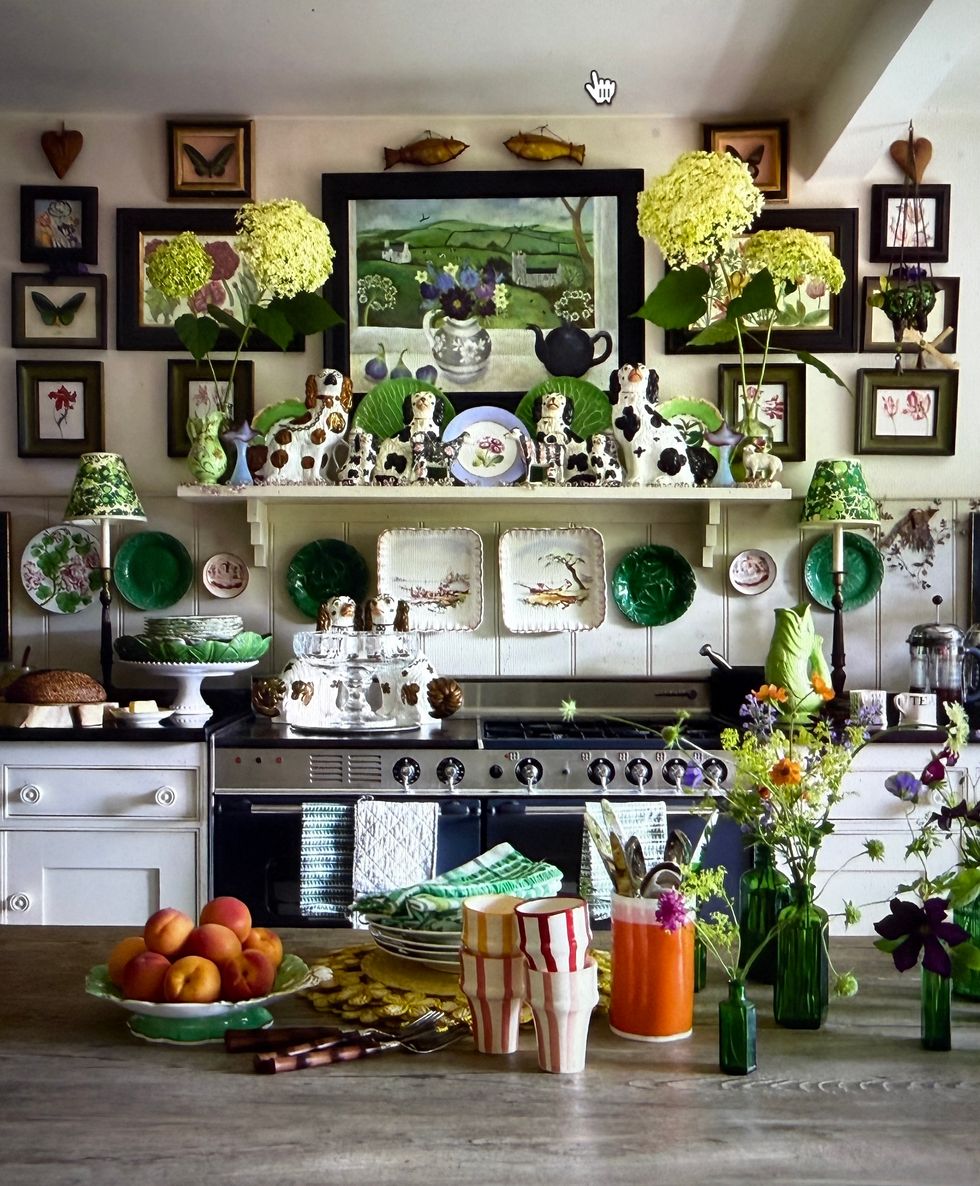 Butter Wakefield’s kitchen from“The Layered Home” by Benjamin Reynaert.Manuel Rodriguez
For Reynaert, objects are defined as much by narrative as by design. “An object is about the story — whether it’s passed down in your family, something you worked hard for, bought on a trip, or a friend gave you,” he said. “With that added narrative, it doesn’t need to be the most aesthetically pleasing thing. The memory attached makes it beautiful. I like the idea of simple, seemingly insignificant items having a ton of meaning. Treat a thrift store painting as you would a Picasso.”
Greg Domres and Peter Nichols’ residence in Litchfield, which they share with their miniature schnauzer, Bunny, is one of 15 homes featured in Reynaert’s book, “The Layered Home.” The couple hosted a book signing at George Home in Washington Depot. “I first met Ben at press events during my time at John Derian,” Domres said. “We became friends and stayed connected professionally over the years.”
The book spans interiors from Eric Goujou’s shop The Wolf Tile in Paris’ 5th arrondissement to textile designer Schuyler Samperton’s Litchfield farmhouse. “Sharing the stories of talented, stylish people I’ve met during my tenure in magazines has been a privilege,” Reynaert said. “The most inspiring interiors are layered — with personality, patina and the poetry of a life lived. This book is my love letter to that idea.”
Reynaert said he would like to travel to Japan and Australia and hopes to develop his own product line in the future. “Balancing work and life is a challenge,” he said. He spends downtime with his husband, Luis Illades, in Delaware, where they are renovating a Victorian home.
“I feel incredibly fortunate to blend my work and my life in the home I share,” he said. “Creating a home is, at its core, an act of love.”
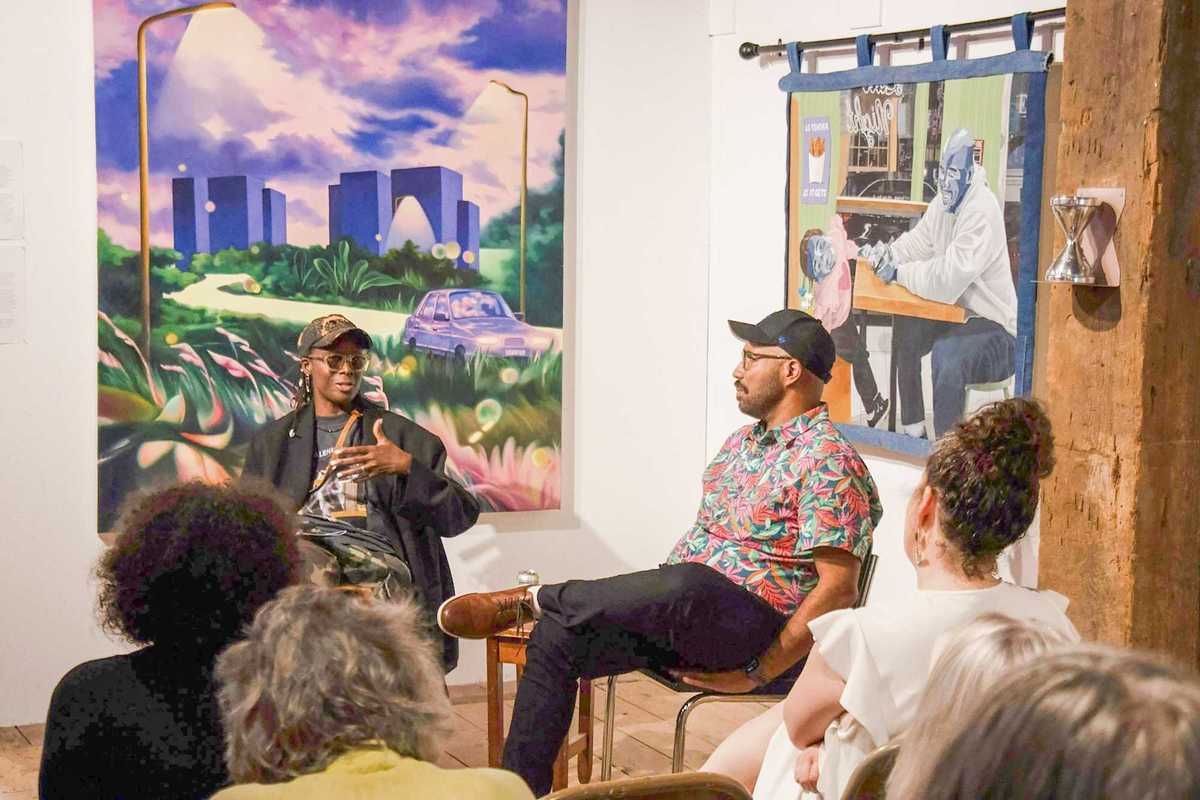
Mickalene Thomas and Delano Dunn at Wassaic Project.
Thomas, an artist whose multidisciplinary practice spans painting, collage and installation, first met Dunn when she was his graduate adviser at the School of Visual Arts. “I think your work needs to be out there more,” she said, noting the urgency of this collection in the current socio-political moment.
Dunn’s layered collages often begin with an image unearthed from flea markets, used bookstores and forgotten archives.
“I go to secondhand shops, old bookstores, any place that looks like it has history in it,” he said.
Sometimes, he explained, an image becomes the centerpiece of a work. Other times it simply sparks an idea.
“There’ll be an idea that pops into my head. I’ll read something or hear music or a lyric, and then I’ll think, ‘I’ve got to find an image that matches that.’”
His color palette also carries its own history.
“I grew up in L.A. during the L.A. riots,” Dunn said. “I would sit on my porch as a kid. I was watching the neighborhood burn, but the sky was beautiful.”
He still paints with those saturated blues, reds and oranges.
“Color can transport you. Color can make you feel safe, or happy or scared,” he said. “Those colors made me feel safe.”
For Dunn, Troutbeck’s own layered history became an active part of the work. Learning that the estate had hosted W.E.B. Du Bois, Langston Hughes, Ida B. Wells and generations of civil rights leaders informed his direction.
Dunn was given access to Troutbeck’s archives and found handwritten notes by Langston Hughes, and writings by Du Bois and Wells that found their way into the exhibition.
“There was a letter between Amy Spingarn and Martin Luther King Jr.,” Dunn recalled. “To be in its presence and hold it... you don’t see communication like that every day.”
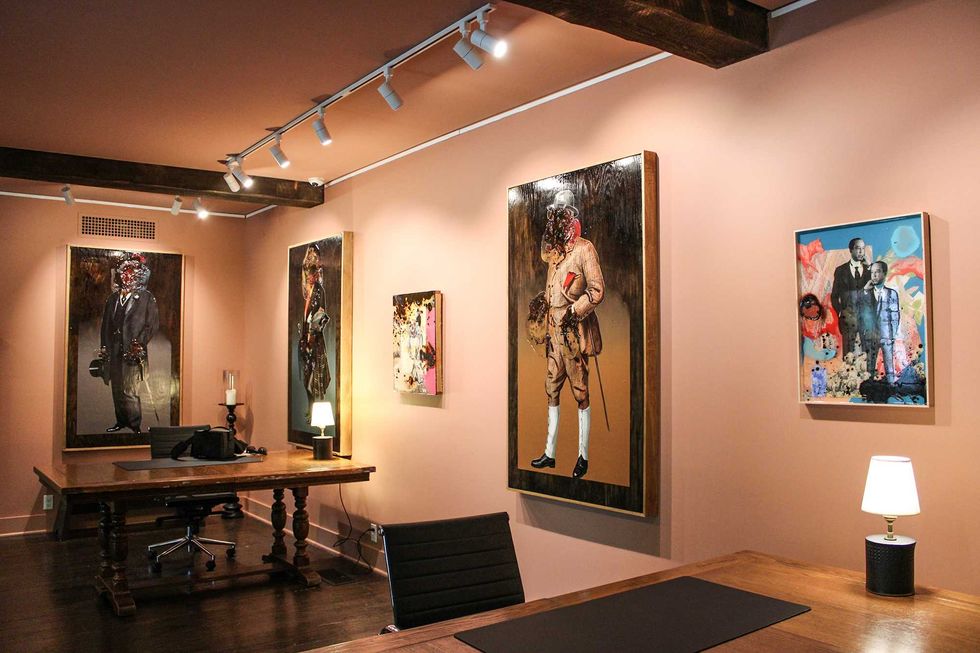 Delano Dunn’s “Echoes in the Margin” at Troutbeck.Natalia Zukerman
Much of Dunn’s work invites viewers to dig deeper into history rather than accept simplified narratives.
“I want them to look at it and go, ‘Wow, this is really amazing and interesting and colorful and beautiful,’” he said. “And then I want them to be terrified shortly after that.” He accomplishes this through bold, colorful, and often playful compositions that draw the viewer in before revealing their more complex historical underpinnings. As Thomas wrote, “Dunn’s compositions invite viewers to sit within that tension and take it in.” That impulse toward deeper investigation extends to Dunn’s own children, who are often his first audience.
“They’ll ask, ‘What is this? Why does this person look the way they look? Why are you using that color? Why are you using glitter?’”
Those conversations, he said, become lessons in looking beyond appearances.
Thomas framed collage itself as a kind of storytelling practice —“the gathering of information… piecing things together”—and praised Dunn’s ability to translate research, memory and visual pleasure into a unified language. She also underscored the importance of creative joy in the process. “If you’re going to your studio and you’re not having fun,” she said, “you shouldn’t be doing it.”
Dunn said one of the biggest misconceptions he hopes to challenge is the idea that there is a monolithic Black experience.
“There are so many different perspectives out there. This is just one of them,” he said. In the same breath, Dunn said he adopts the label “Black artist” because “it would make my Grandpa proud.”
The nearly two-hour conversation shifted seamlessly between humor and history, studio practice and social commentary, ultimately returning to what both artists believe art can accomplish: encouraging curiosity, complicating familiar stories and inviting viewers to question what they see.
As Dunn put it, “History is so much more nuanced than what we’re taught. There’s so much more going on below the surface.”
Want more of our stories on Google? Click here to make us a Preferred Source.