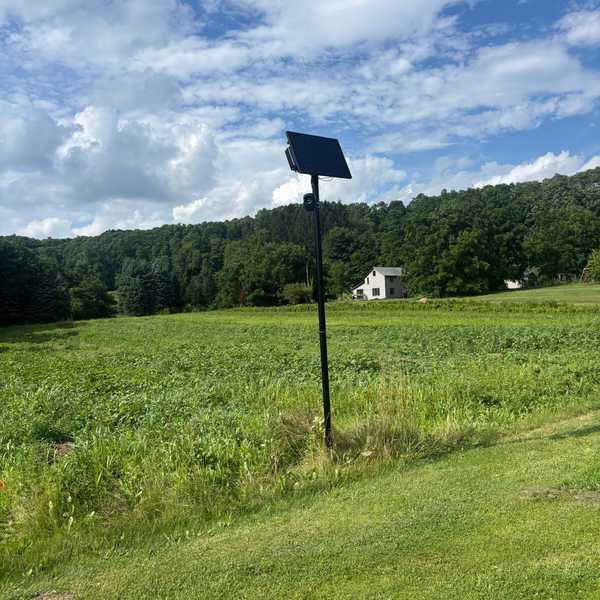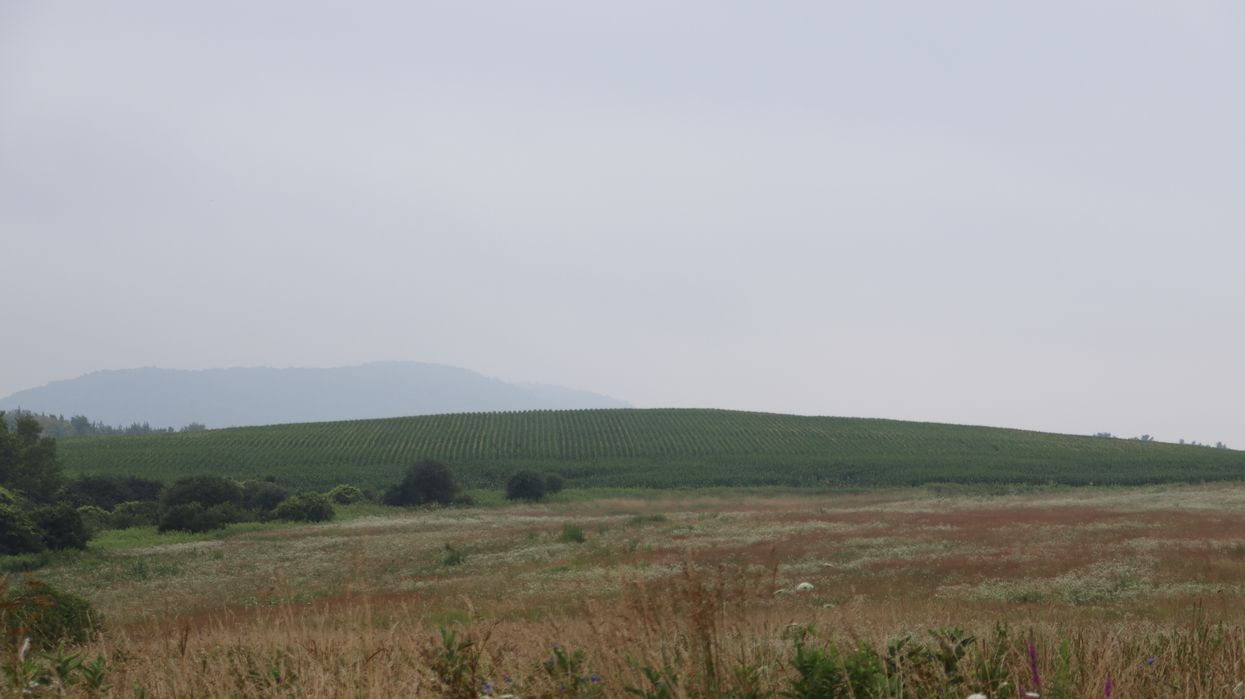
A rainy spring and early summer have delayed the hay crop for local farmers, while highly variable temperatures in June have caused difficulties in vegetable cultivation and have pushed the harvest further into the season.
According to the National Weather Service, average precipitation for northern Dutchess County in May is 4.3 inches, while last May’s total rainfall averaged 8.1 inches across the region.
While Eric McEnroe of McEnroe Organic Farm in Millerton said that too much rain is better than no rain at all, abnormally high precipitation in the area has made the drying of hay more difficult.
“It’s hard to make dry hay when it’s wet,” said Peter Coon of Coon Brothers Farm in Amenia. After forage — grass specially cultivated for hay production — is cut, the still-hydrated grass requires time to dry in the sun before it can be baled, a process that is delayed by excessive rainfall.
Hay was not the only crop which high springtime precipitation levels affected — the planting of produce was also put on hold. The delay, combined with inconsistent temperatures in June, has particularly affected tomato production, said Olivia Skeen, Director of Development for McEnroe Organic Farm.
“Tomatoes like dry, straight heat,” Skeen explained. The combination of an unusually cool start to the summer with a late-June heat wave have pushed the tomato harvest into August, where Skeen said that farmers in the area would ordinarily have been close to finished with their produce efforts by this point in July.
Recent weather in the region has been abnormal as compared to statistical averages, according to data from the National Weather Service. The wet spring comes after a fall season of record-low rainfall last September and October. However, Skeen emphasized that every year is different, an observation which Coon shared.
“Every year has challenges,” Coon said, “except 2012,” a year that stood out for its remarkably predictable weather patterns. Recognizing that every year’s weather seems abnormal is just another part of farming, Coon said.
“Some years are easier than others — it’s ebbs and flows, being able to go with what Mother Nature does,” Skeen said.


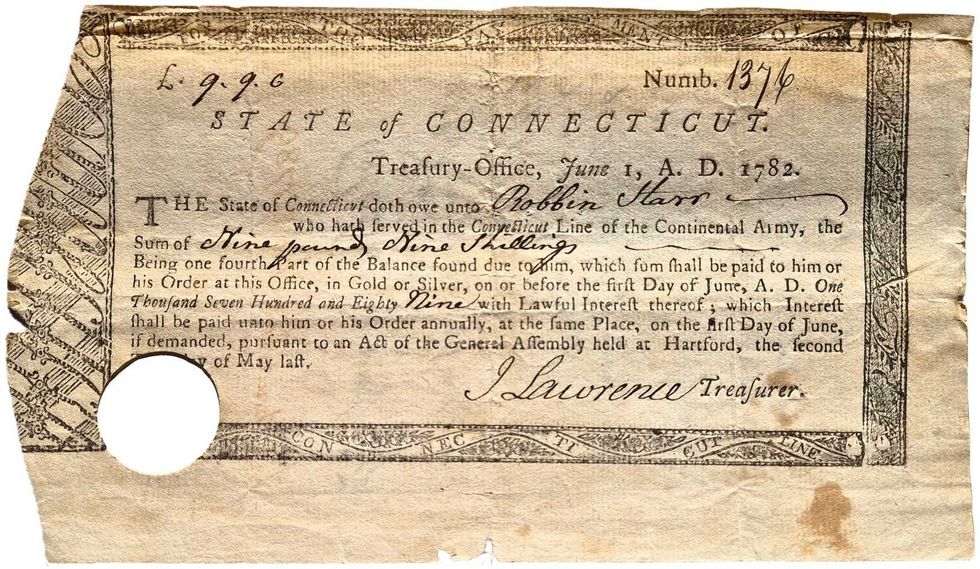 Pay Bill for Robin Starr’s service in the Continental Army.Courtesy the Alex Breanne Corporation
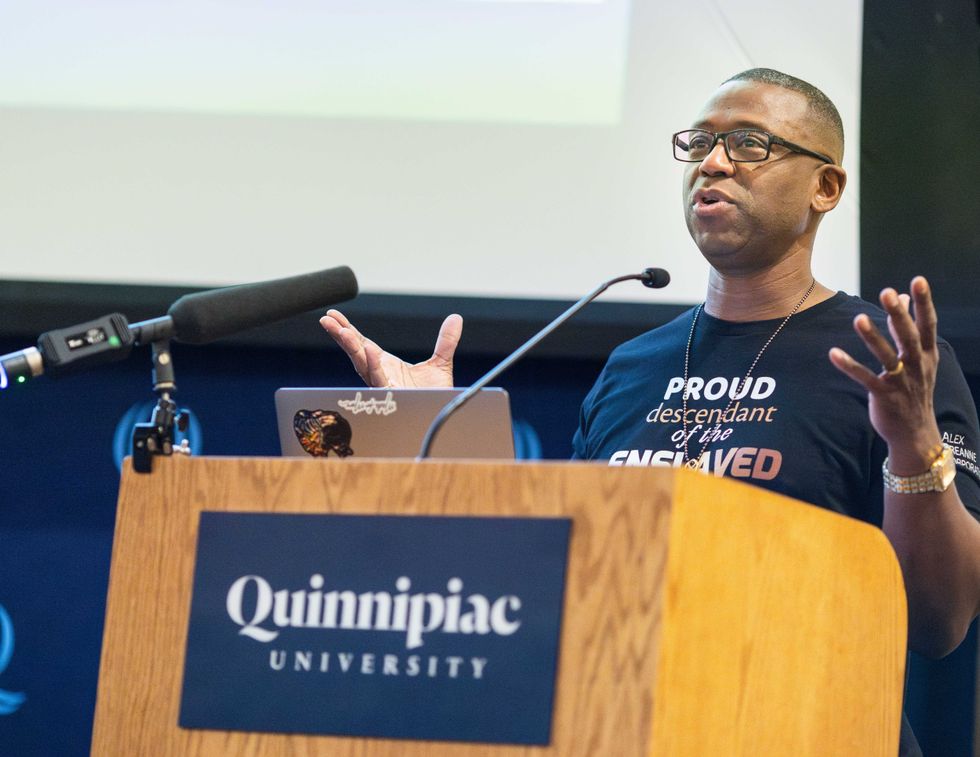 John Mills speaking at Quinnipiac University.Courtesy the Alex Breanne Corporation
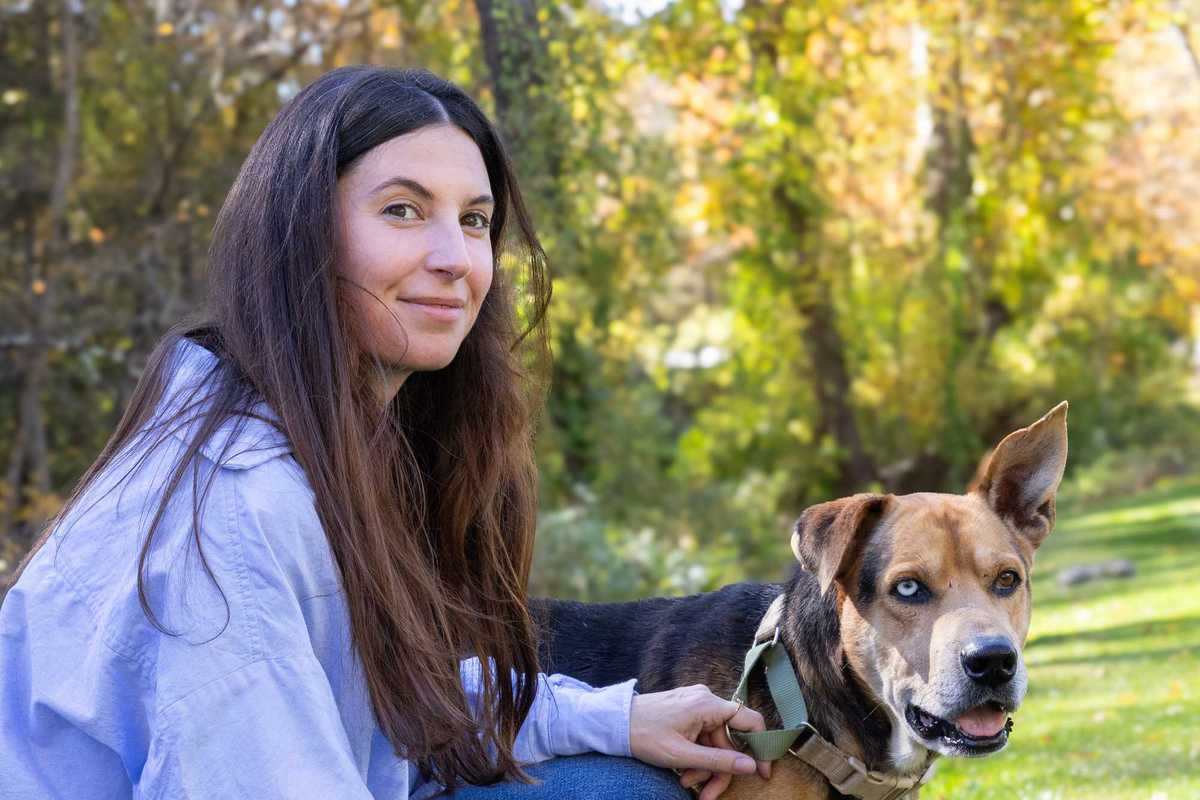
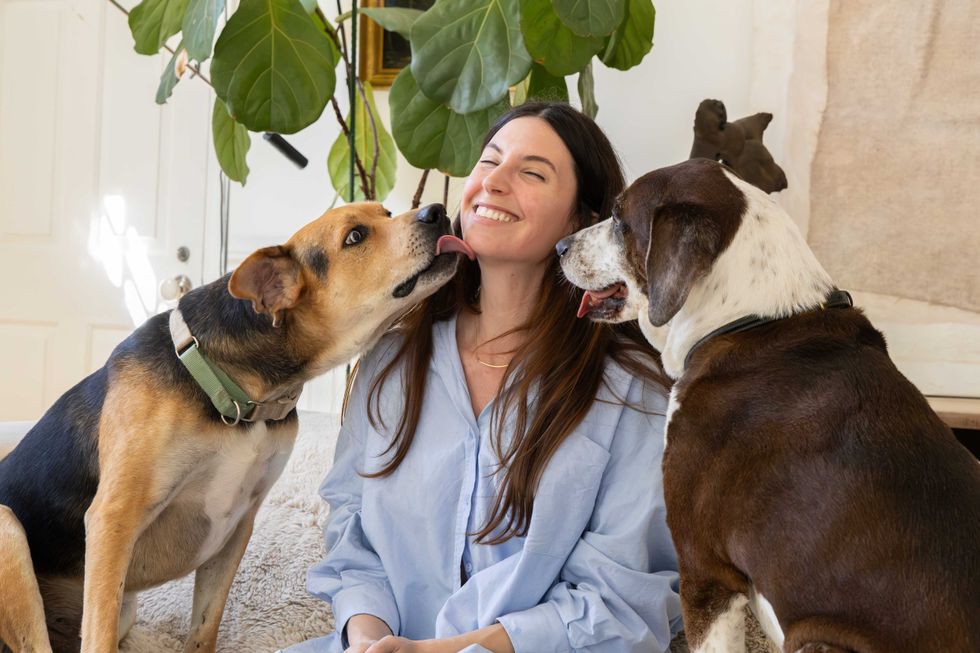 Stephanie Saetta,with her rescue dog George and Blue (left), a shepherd mix awaiting his forever home.Madi Long