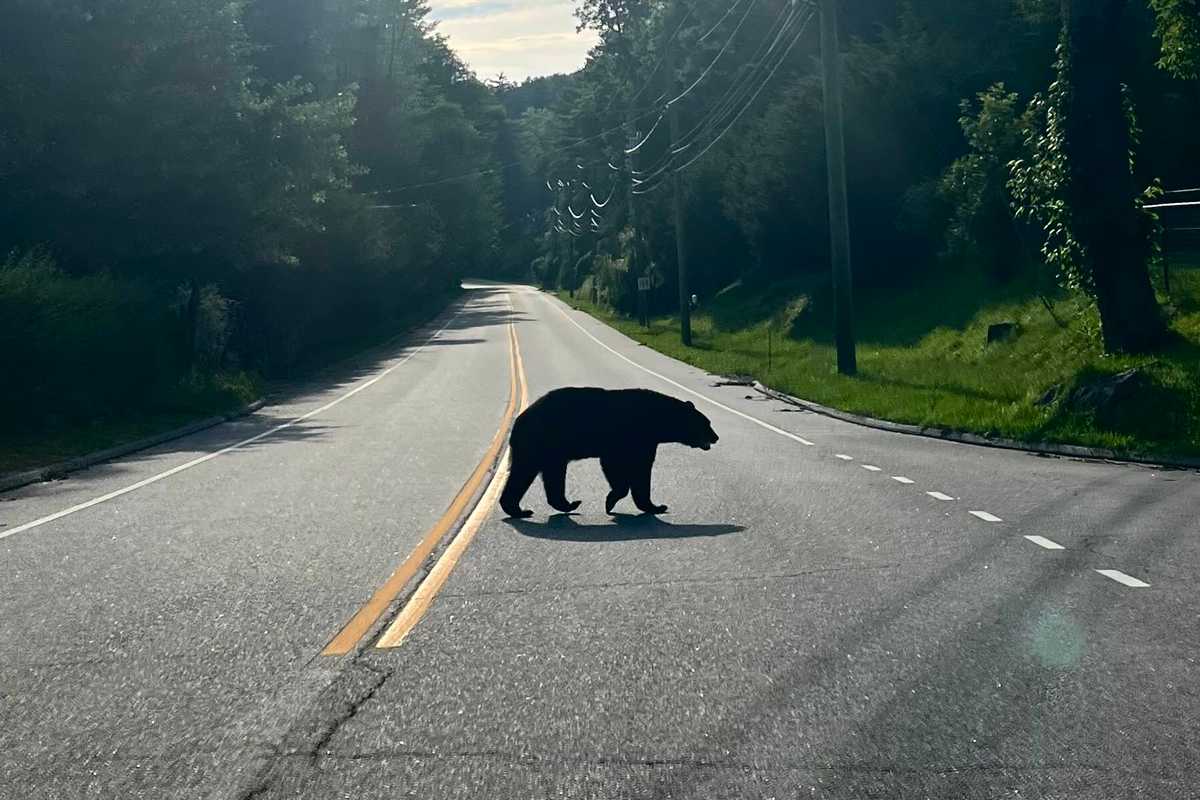
CORNWALL — Bear sightings, encounters and even home break-ins have been on the rise in Connecticut this summer.
According to Department of Energy and Environmental Protection, the number of reported home break-ins over the last year has nearly tripled since 2019. It has caused some in the Northwest Corner to call for a bear hunting season and other measures as a matter of public safety.
Roxanna Robinson of Cornwall encountered this issue first-hand. After multiple home invasions and a car break in from the same bear, she called DEEP to see what to do.
“They trapped him, and then released him on the same site,” said Robinson. “They don’t relocate bears. What they try to do is to teach the bear never to come back, and hopefully to educate him to stay away from humans.”
This particular bear has not been euthanized, but if trapped again it likely will be.
Robinson’s ecperience is not unique. Many other car and home break ins have been reported around the Northwest Corner.
In North Canaan, Troop B’s response to a June home entry resulted in the killing of a bear. Later that month, a North Canaan man out walking his dog was clawed in the chest by a bear on his property. DEEP set traps and advised the man to remove bird feeders from his land.
“It’s a problem,” said Cornwall First Selectman Gordon Ridgway this summer.
Cornwall submitted 45 pages of bear incident reports to the state last year, but “the environment committee did not send a bear bill out,” said Ridgway. “It seems to be a western Connecticut problem... they’re not paying attention to what’s happening here.”
Ridgway heard from residents who have grown fearful to leave their homes. “I think it really is a public safety issue,” he said.
DEEP has tended to focus on public education when it comes to safety. In 2024, it began the “Be Bear Aware” campaign, which can be accessed on portal.ct.gov.
The primary goal of this was to use education over action. Instead of a hunting season, residents could learn both lethal and nonlethal options tor defense, such as scare tactics, electric fencing and increase documentation of bear sightings. Euthanizing bears is only permissible for those with a history of behavioral issues.
“Education is essential and I think part of it is making ourselves invisible,” said Robinson. “What happens when we leave trash out or put bird feed out is we are making ourselves attractive to the bears.”
Town officials have been struggling with finding ways to keep communities safe, especially considering the complicated nature of the problem. The lack of bear safety regulations in such a highly bear populated area has caused public frustration.
According to a July article on CTMirror.org by Susan Masino, a Trinity College professor, “There is a relentless push for a bear hunt — most recently under the guise of public safety. But the public pays hundreds of professionals across the state to protect public safety and the public trust, and all these professionals can remove problem bears.”
Following bear protocols and reporting issues has been the most effective safety measure so far.
Yet the issue begs the question — are we bear aware?







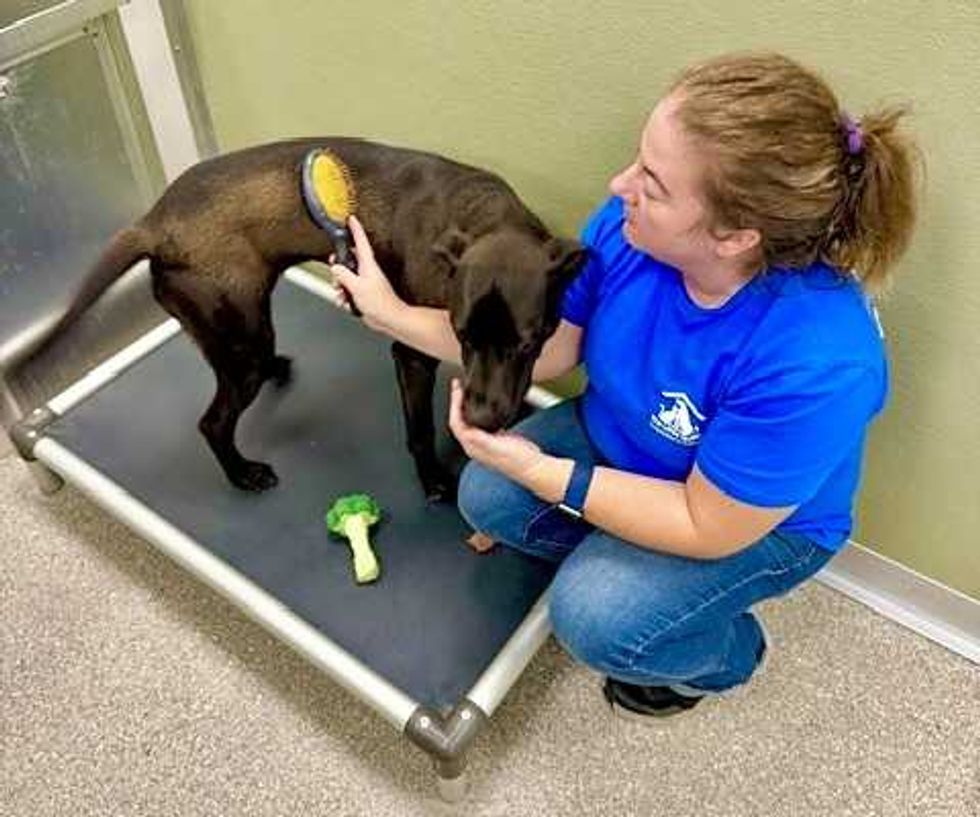 Tiffany Lemelin, shelter manager, brushing Marsala upon arrival.Provided
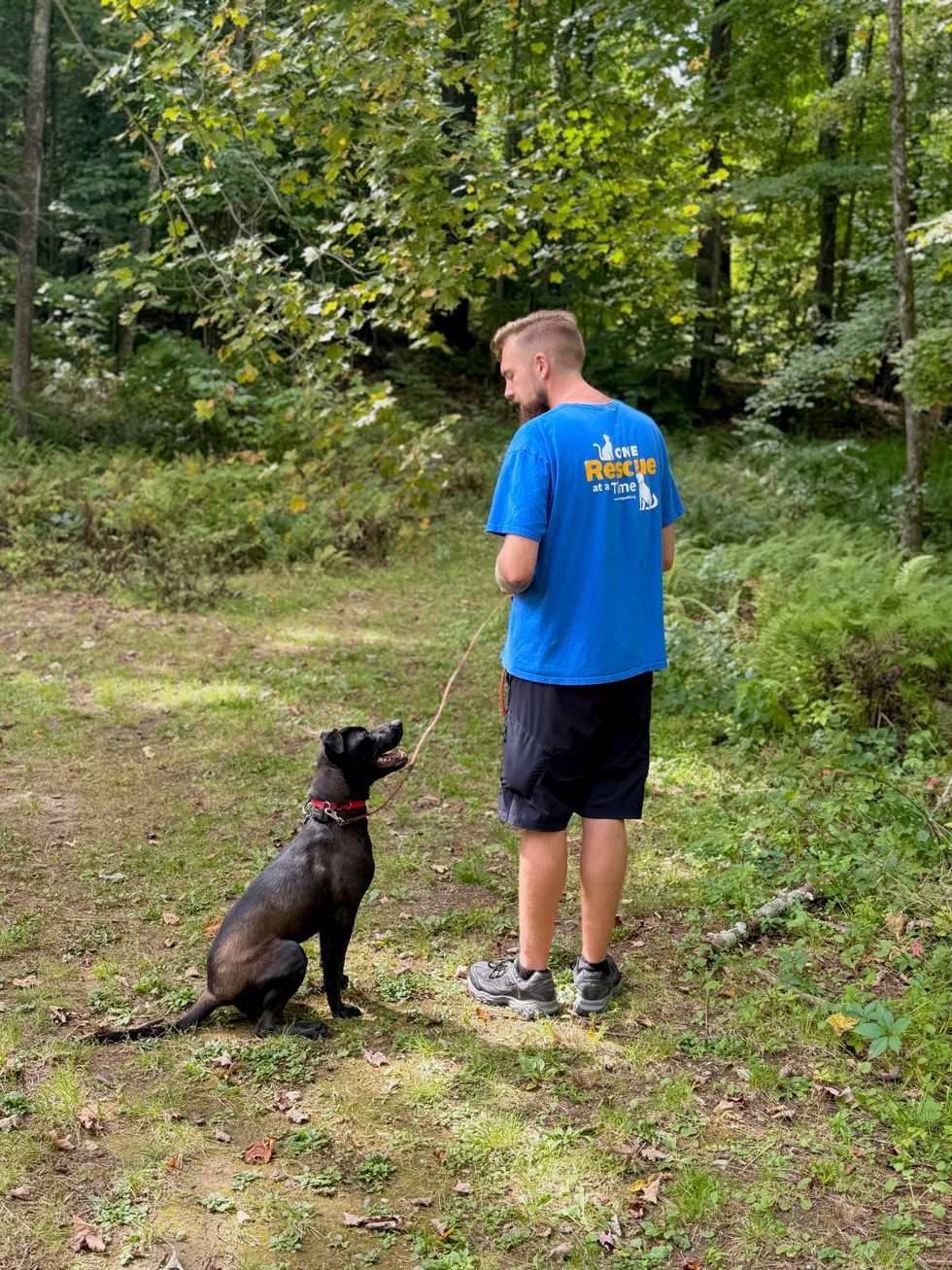 Michael DeBarba, certified dog trainer working with Marsala.Jennifer Almquist
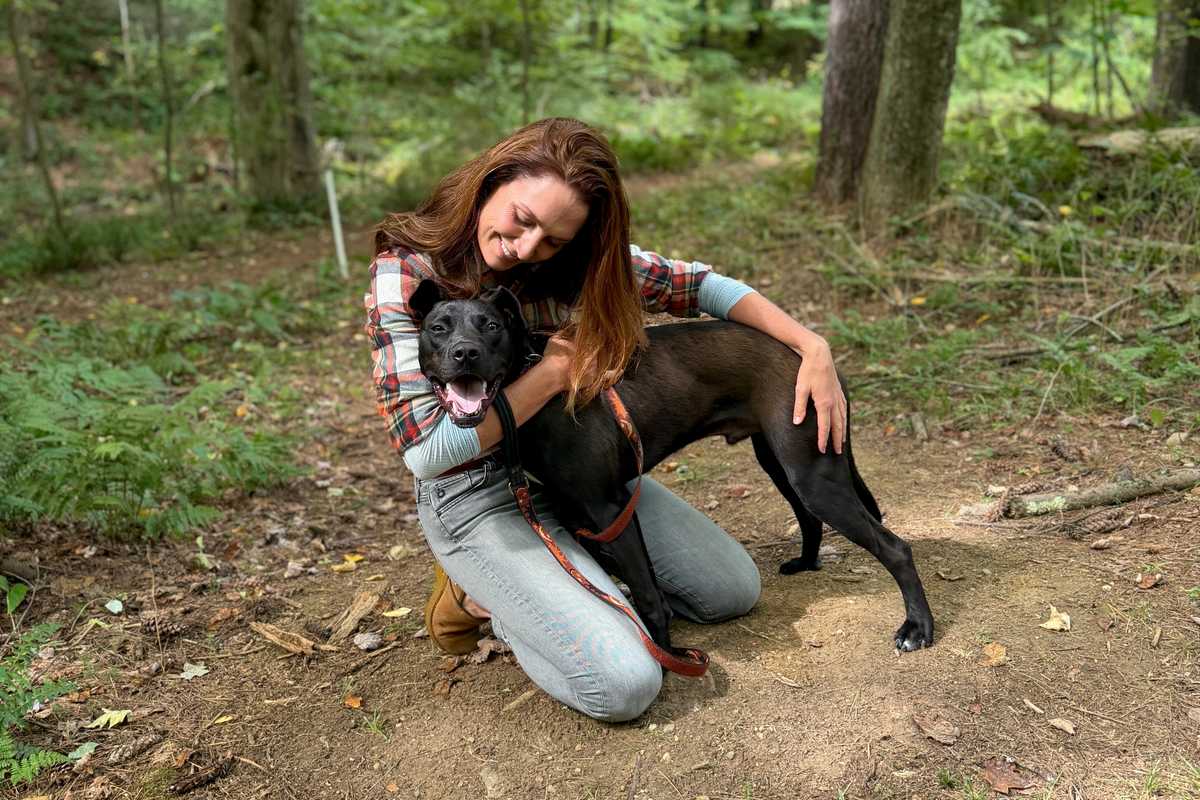 Marsala wins a heart.Jennifer Almquist
 Sadie, center, a Carolina dog, plays with her friend Negra, a terrier mix. Bella Linda, the small poodle, has since been adopted.L. Tomaino
 Wesley, a young, exuberant mix, is looking for an active home.L. Tomaino
 Bonnie and Clyde, an affectionate terrier pair.L. Tomaino