Much of New York state was pummeled with snow in late January, followed by a prolonged stretch of below-freezing temperatures and wind chills dipping as low as negative 15 degrees, prompting cold weather advisories urging people to stay indoors.
Despite the extreme cold, there are few clearly designated warming centers in the rural areas of northern or eastern Dutchess County, leaving residents in need with limited nearby options.
Rural communities like Millbrook and North East circulate information from the county’s emergency winter protocol, known as Code Blue, which provides assistance with shelter placement when temperatures fall below freezing. Many of those services, however, are concentrated in more densely populated areas such as the City of Poughkeepsie.
For people experiencing homelessness in rural communities — where public transportation is limited or nonexistent — reaching those resources can be difficult.
Millbrook Police Chief Keith Dworkin said the village does not have a significant homeless population and that officers rarely encounter people in need of a place to stay. When they do, he said, it’s typically during the summer and involves people passing through the area.
“If we came across someone who was homeless and needed access, we would bring them to the City of Poughkeepsie,” Dworkin said. “We would certainly do everything in our power to ensure they can go somewhere warm where they are taken care of.”
In Dover Plains, Supervisor Richard Yeno said there is no official process or procedure in the town, but they “handle it as it comes,” responding to emergencies or power outages in real time.
In the past, Yeno said, the Dover Plains Library served as a warming and cooling center, but needs a new generator to continue providing the service. In the meantime, the Dover Town Hall serves as a stop-in center with its generator, allowing people to warm up, fill jugs of water and charge devices. The space is too small to be used as a shelter, Yeno said. “It is the way it is,” he said. “It’s been like that out here in the valley forever, but we’re working on it.”
Millerton emergency highlights limits of rural warming options
Those gaps became tangible in Millerton last weekend, when a pre-dawn emergency forced residents out into dangerously cold conditions.
Last Saturday’s carbon monoxide leak at 7-9 Main St. that displaced as many as 18 residents, including four children, led to a swift, community-wide response even in the absence of a formal emergency plan.
Millerton firefighters opened their doors to keep families warm, community members stepped in to help on the scene and the American Red Cross assisted displaced residents with temporary housing. An overnight warming shelter, however, was not part of the response.
The incident has renewed local discussions about whether rural communities should formalize cold-weather shelter plans. North East officials say county funds may be available to support warming centers, raising questions about who could step up locally to provide a location and staffing.
Town Councilwoman Meg Winkler raised the issue at a January Town Board meeting, saying she has been working with the Northeastern Dutchess Tri-town Coalition — a group focused on economic development and inclusive housing in Amenia, Pine Plains and North East — to better understand what options might be available for the region.
“I’d like to find a solution instead of this coming up every time we have a weather event and then not being able to help people,” Winkler said. “There should be a go-to solution put in place.”
Bob Jenks of Millerton’s American Legion Post 178 said the Legion has an unofficial agreement with the village and town to serve as a warming or cooling center when needed. He said no formal protocol exists outlining when or how that process would be activated.
Jenks said the Legion is one of the few places in town with a generator that can support longer durations if there was a widespread power outage. Though there are no beds, it does have a number of cots in addition to kitchen facilities for limited overnight stays.
“If something happens, the village and town know that we’re prepared to help, they just have to call up,” Jenks said.
The last time the Legion opened its doors as a warming center was during a significant snow storm before the COVID-19 pandemic.
“We are a veterans service organization and we are there for the community,” Jenks said. “One of our main pillars is community involvement and engagement.”




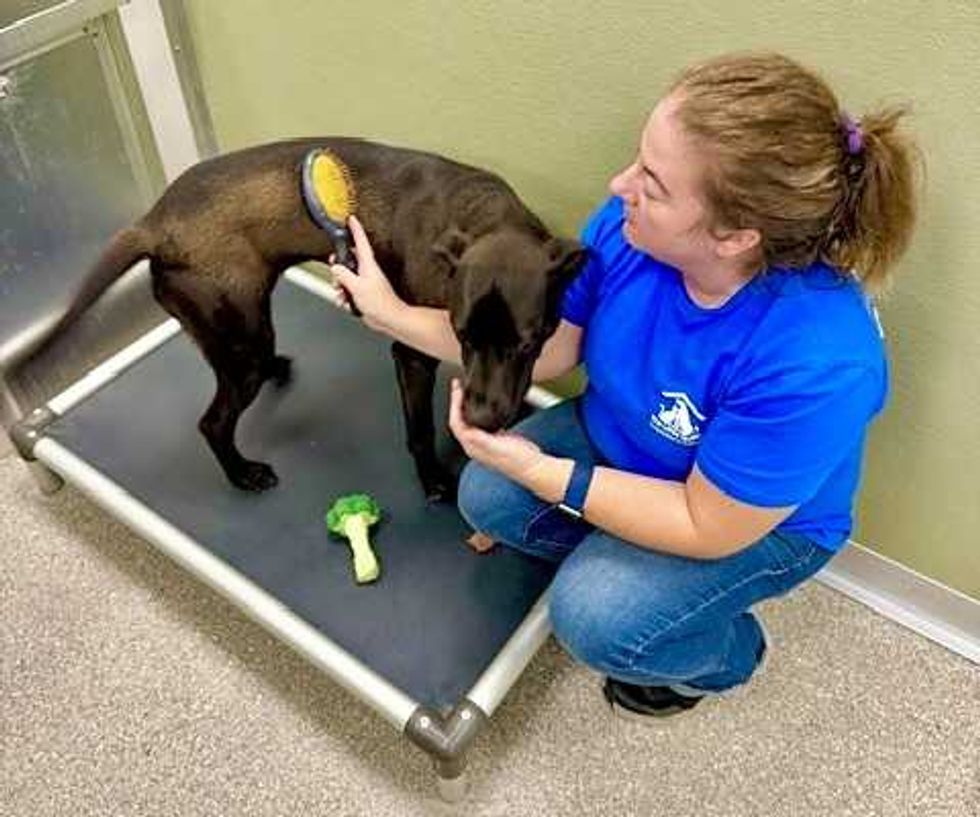 Tiffany Lemelin, shelter manager, brushing Marsala upon arrival.Provided
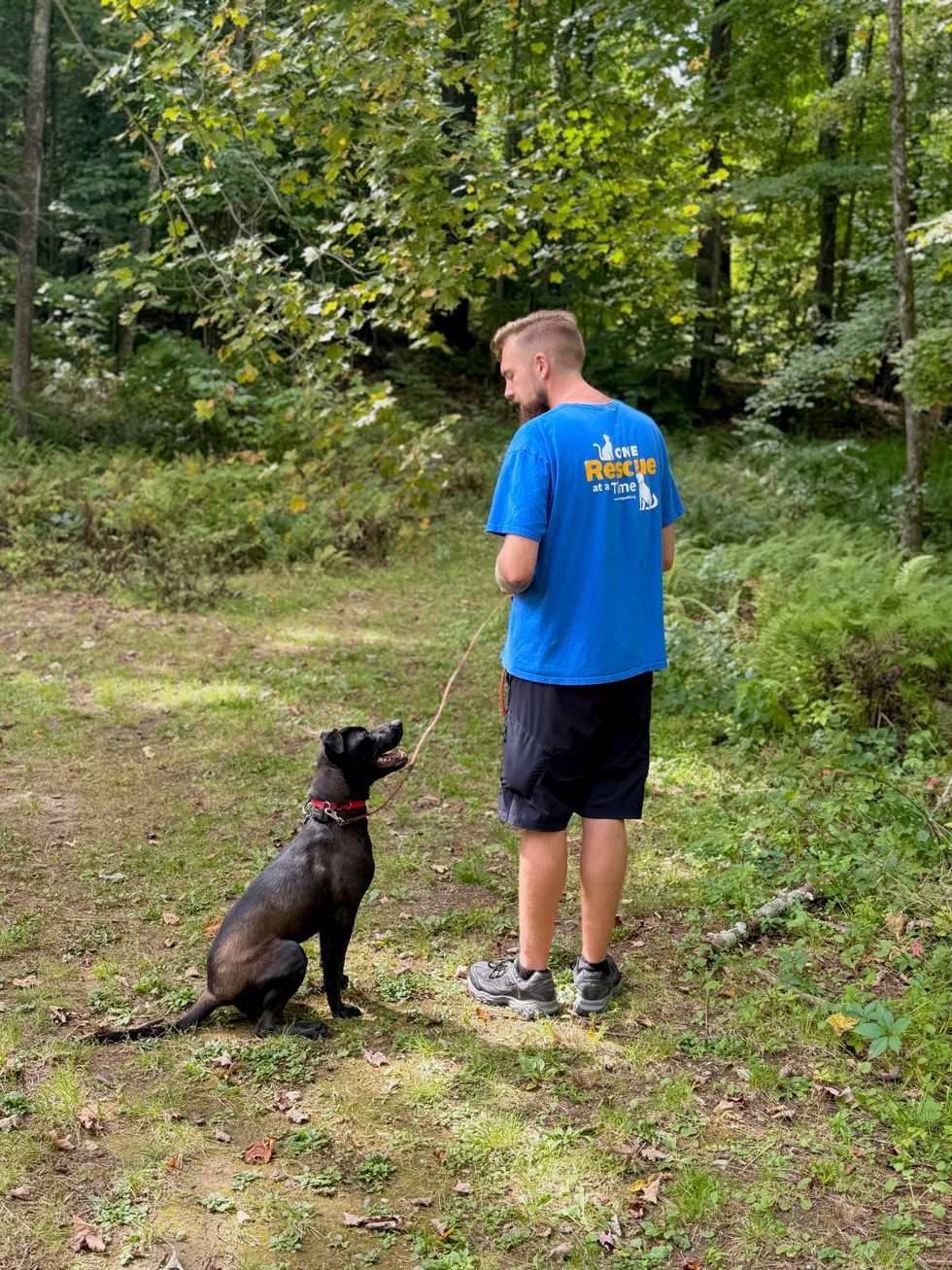 Michael DeBarba, certified dog trainer working with Marsala.Jennifer Almquist
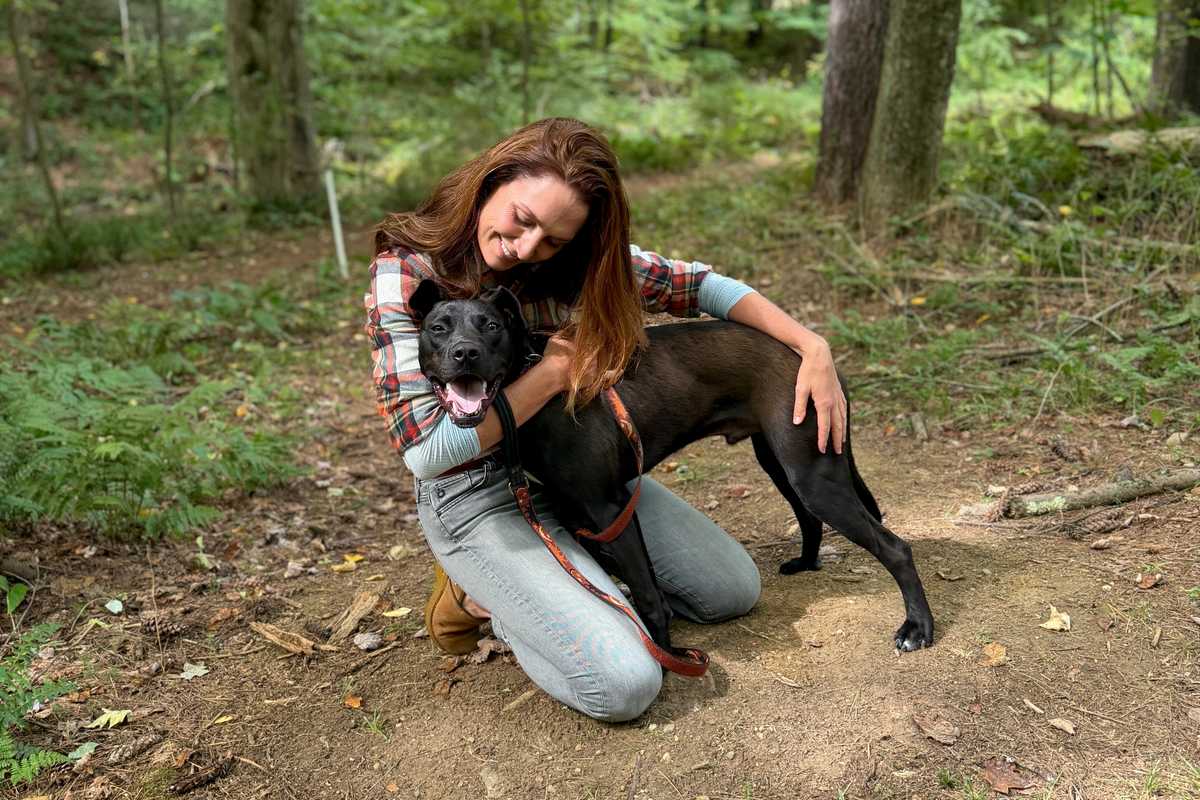 Marsala wins a heart.Jennifer Almquist
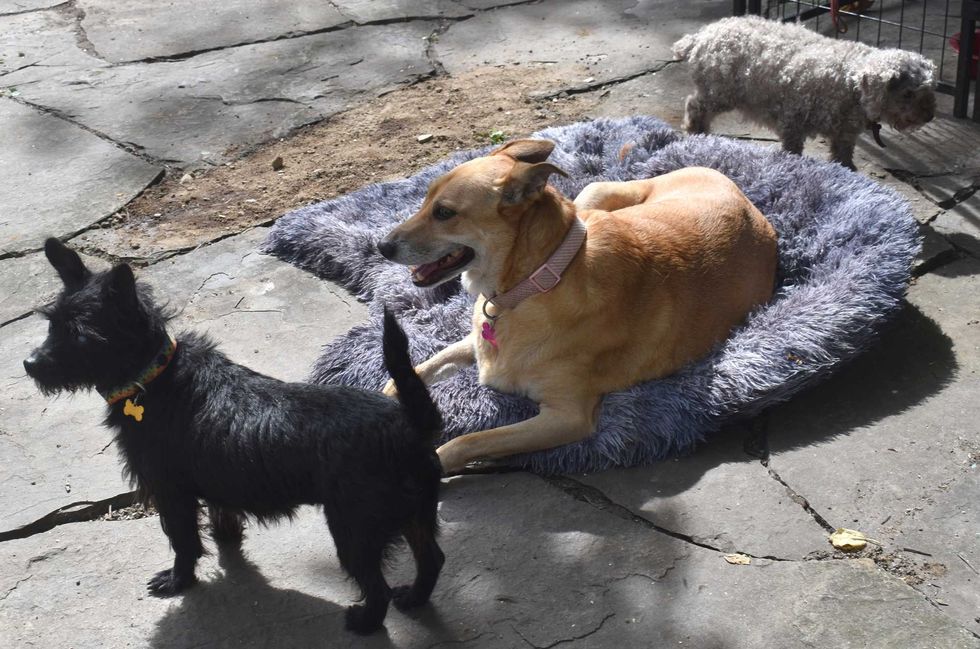 Sadie, center, a Carolina dog, plays with her friend Negra, a terrier mix. Bella Linda, the small poodle, has since been adopted.L. Tomaino
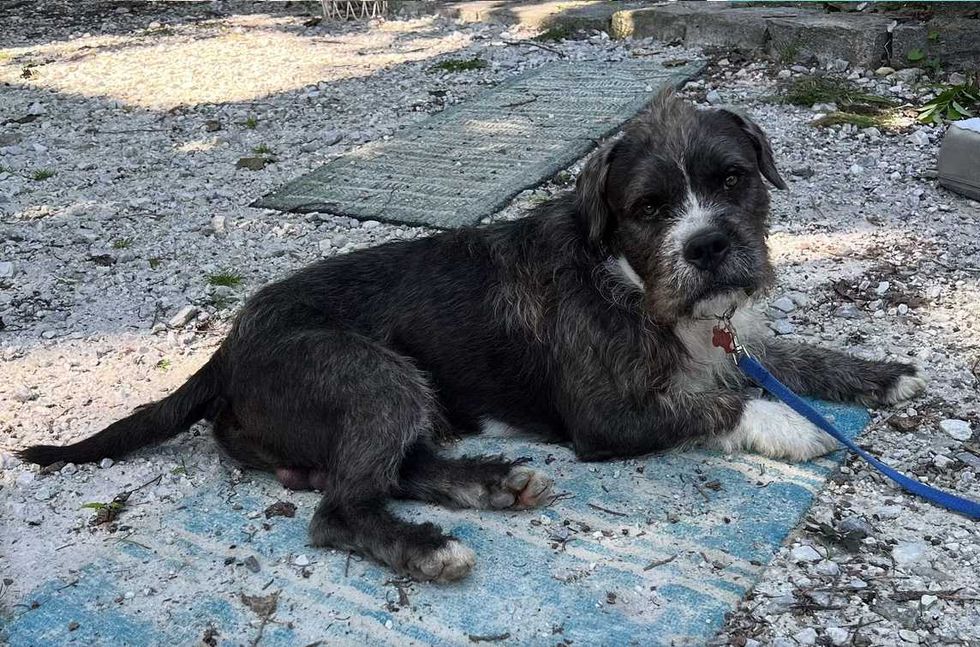 Wesley, a young, exuberant mix, is looking for an active home.L. Tomaino
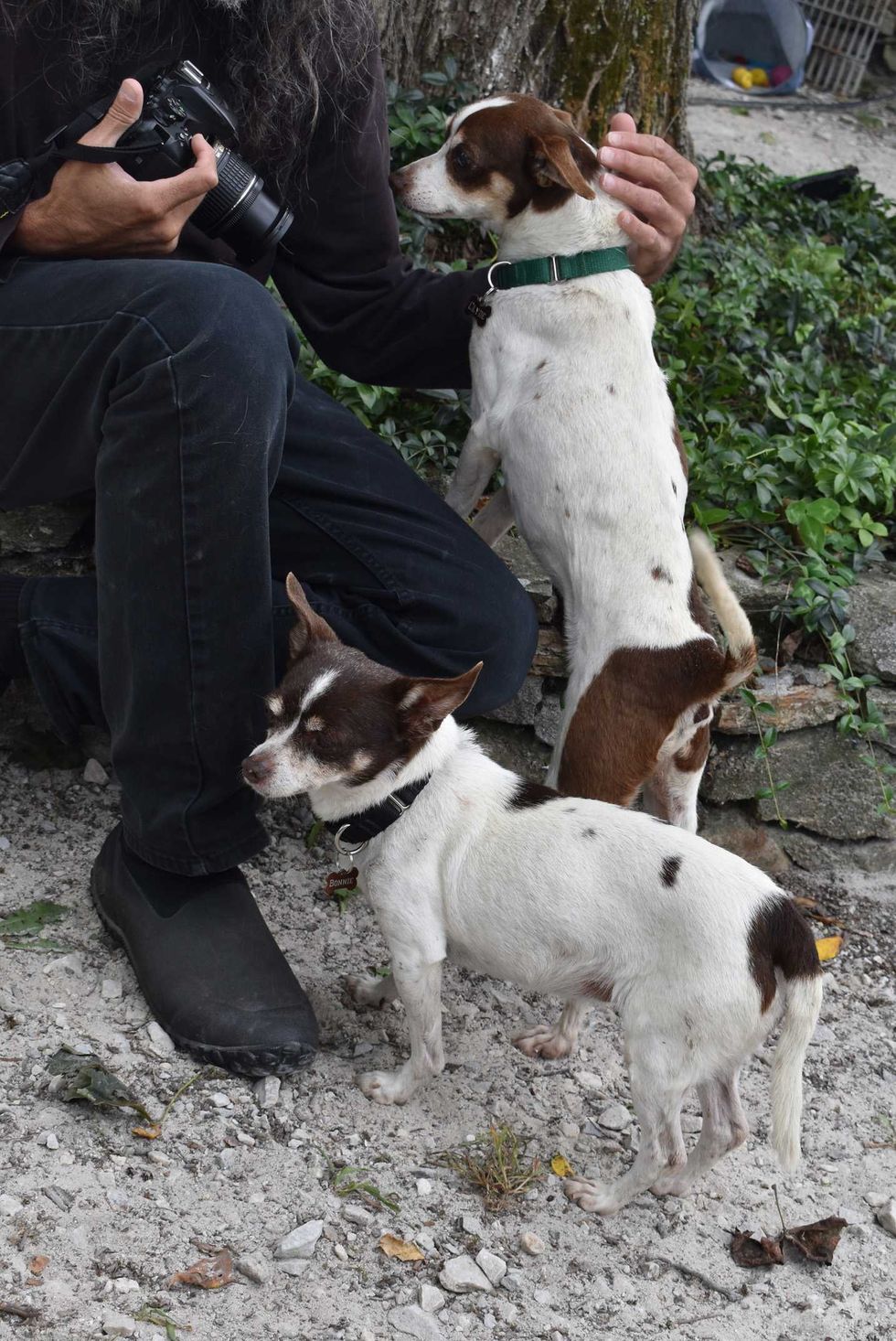 Bonnie and Clyde, an affectionate terrier pair.L. Tomaino