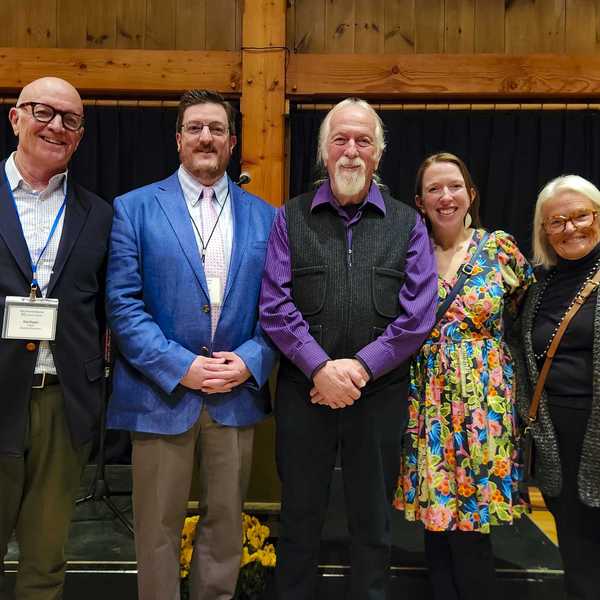
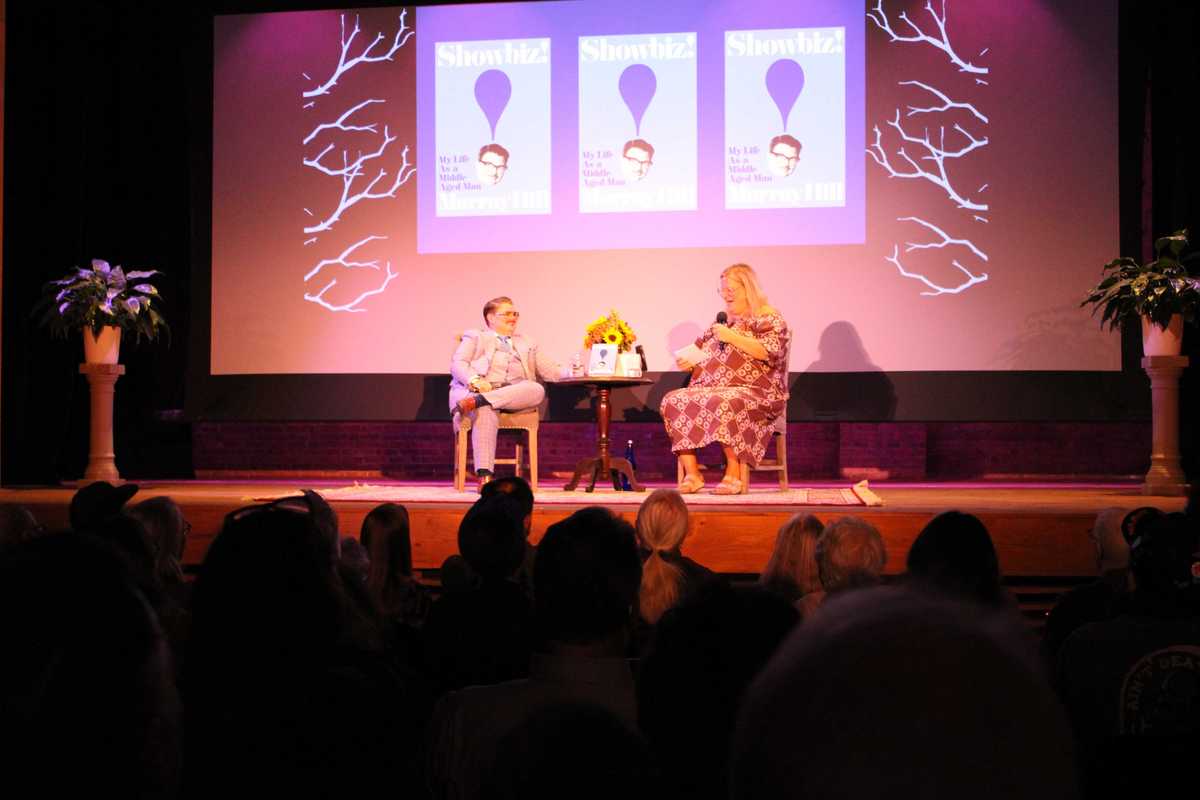
SALISBURY — What makes or breaks a local newspaper is its reputation, Lakeville Journal Executive Editor Christian Murray said at the Scoville Memorial Library Saturday, March 7.
Murray and publisher James Clark led a discussion at the library that was originally scheduled for January, but the weather intervened.
Karen Vrotsos, the head of adult programming for the library, introduced Clark and Murray, and noted that thousands of American newspapers have closed in recent decades, creating regional “news deserts.”
Clark said the news business is under “tremendous pressure even as local news remains the most trusted source.”
Clark said there are many ideas being discussed for the future of newspapers, including the possibility of going fully digital and eliminating print. He was quick to add that going all digital is not the plan for the Journal and The Millerton News.
“We all enjoy a print product,” Clark said. “But we’re also strongly focused on reaching readers on whatever platform they prefer — particularly online.”
He also noted that while the Connecticut and New York legislatures have introduced bills designed to support news organizations, including funding journalism jobs, they have also considered bills to remove requirements that legal notices be published in local newspapers.
While legal notices are a source of revenue, Clark said they also provide a valuable public service. “All the recent Wake Robin decisions were in our legals section,” which complemented the paper’s reporting.
Clark said long-term success in local news comes down to three essentials: adequate funding, enough reporters and, as he put it, “simply doing the reporting.”
“It’s challenging,” he continued. He said LJMN Media, the organization that publishes the two papers, is in its fifth year as a non-profit.
He thanked the community for the financial support, which has allowed for the hiring of new reporters and editors and expanded coverage.
One of those hires was Murray.
The native New Zealander used to be based in Queens, N.Y. and worked for outlets such as amNewYork, Newsday and Reuters.
When Clark was looking for a new executive editor and sorting through resumes, Murray’s experience with the Queens Post — a local news service he founded that reported on neighborhoods in that borough — caught his attention.
In Queens, Murray had a large urban readership. Here in northwest Connecticut and eastern Dutchess County, the population is markedly different.
“But the nuts and bolts of reporting are the same,” Murray said. “Communities of any size want to know about affordable housing, healthcare, new businesses and public safety.”
In Queens, “the scale is bigger, but it’s the same board meetings. The machinations are pretty much the same.”
Murray, who moved to northwest Connecticut five years ago, said local news is often more meaningful than national news for readers. “I want to know about the restaurant down the street, or the property up the road.”
He said bigger publications are often content rewriting press releases. “Quality journalism is at the local level. Our reporters are out there talking to people.”
Murray said he chatted recently with a friend who works for Fox Digital.
“He’s covering Iran from his apartment in Long Island City!”
Asked about how the two local papers cover national issues, Clark said “We cover how they affect our communities and what they’re doing about it.”
“We’ll continue providing news as we see it and keeping it balanced,” Murray added.
Asked about using Facebook and other social media, Clark said “we see Facebook as one platform of many. We want to get our news to people where they are.”
The questioner followed up, asking how Facebook comments are moderated.
Clark said that “in general we use as light a touch as possible” for comments.
“We’ll delete or hide comments that are simply inflammatory or profane.”
Clark mentioned “HVRHS Today,” the student publication from Housatonic Valley Regional High School that is a collaboration between The Lakeville Journal and the high school.
“That’s their newspaper. They’re not writing for The Lakeville Journal.”
Clark said there are three high schools in The Millerton News’ coverage area, and he hopes to expand the program.
Both Clark and Murray kept reiterating the importance of local newspapers being accurate and fair.
“Reputation matters so much in local news,” Murray said. “We’re much more accountable to our communities” than larger newspapers.
“When we ship the papers, we know we’re going to see the people we’re writing about in the checkout line at LaBonne’s,” said Clark.
“It gives us that little extra ‘oomph’ to get it right.”




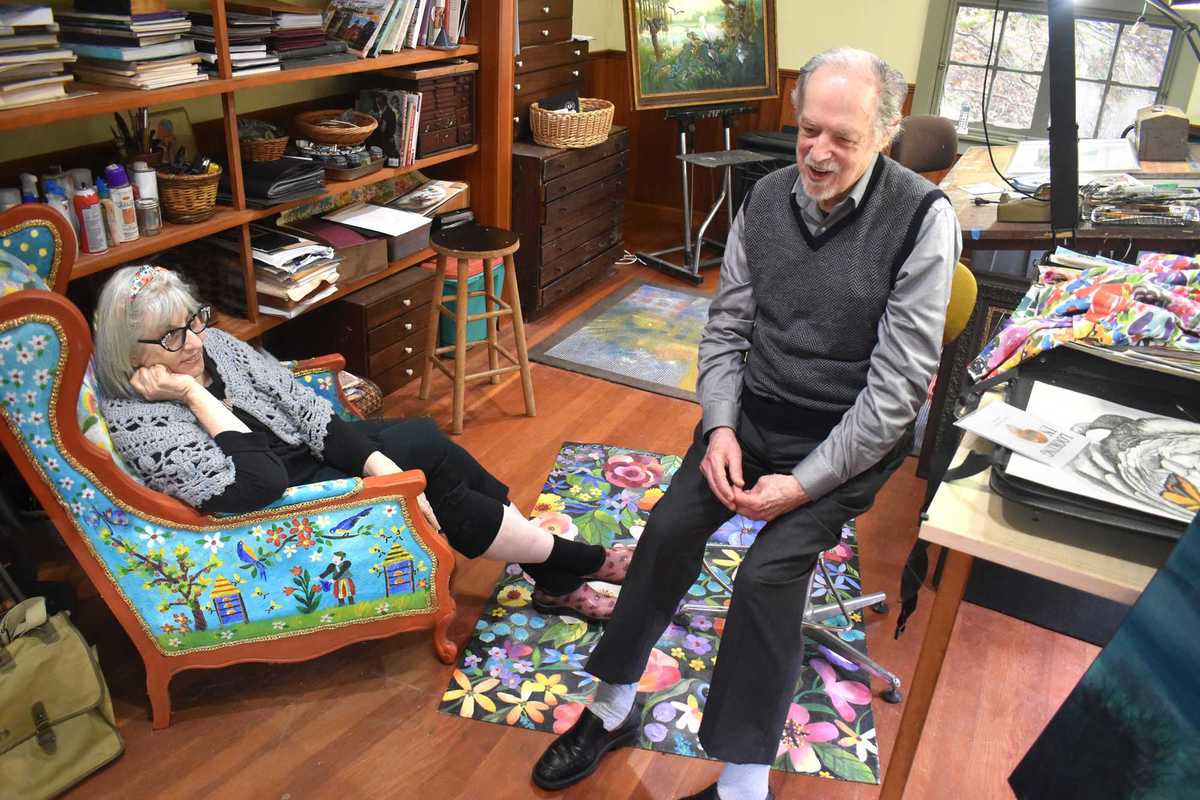
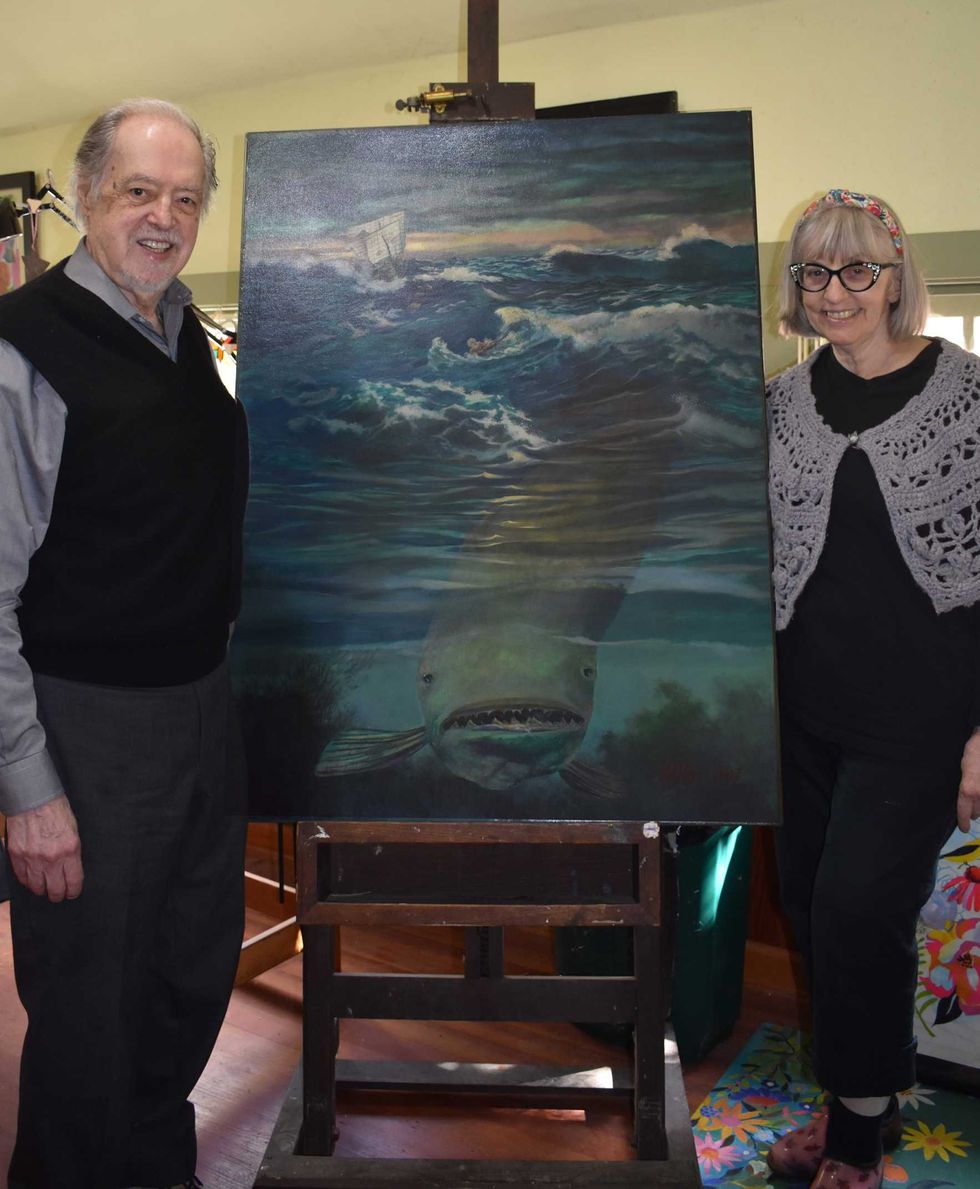 Justine and Victor Valla in their studio with a painting of Victor’s,”Jonah and the Whale.” Robin Roraback

 A ceramic vase by Kathleen Heidemann.Provided
 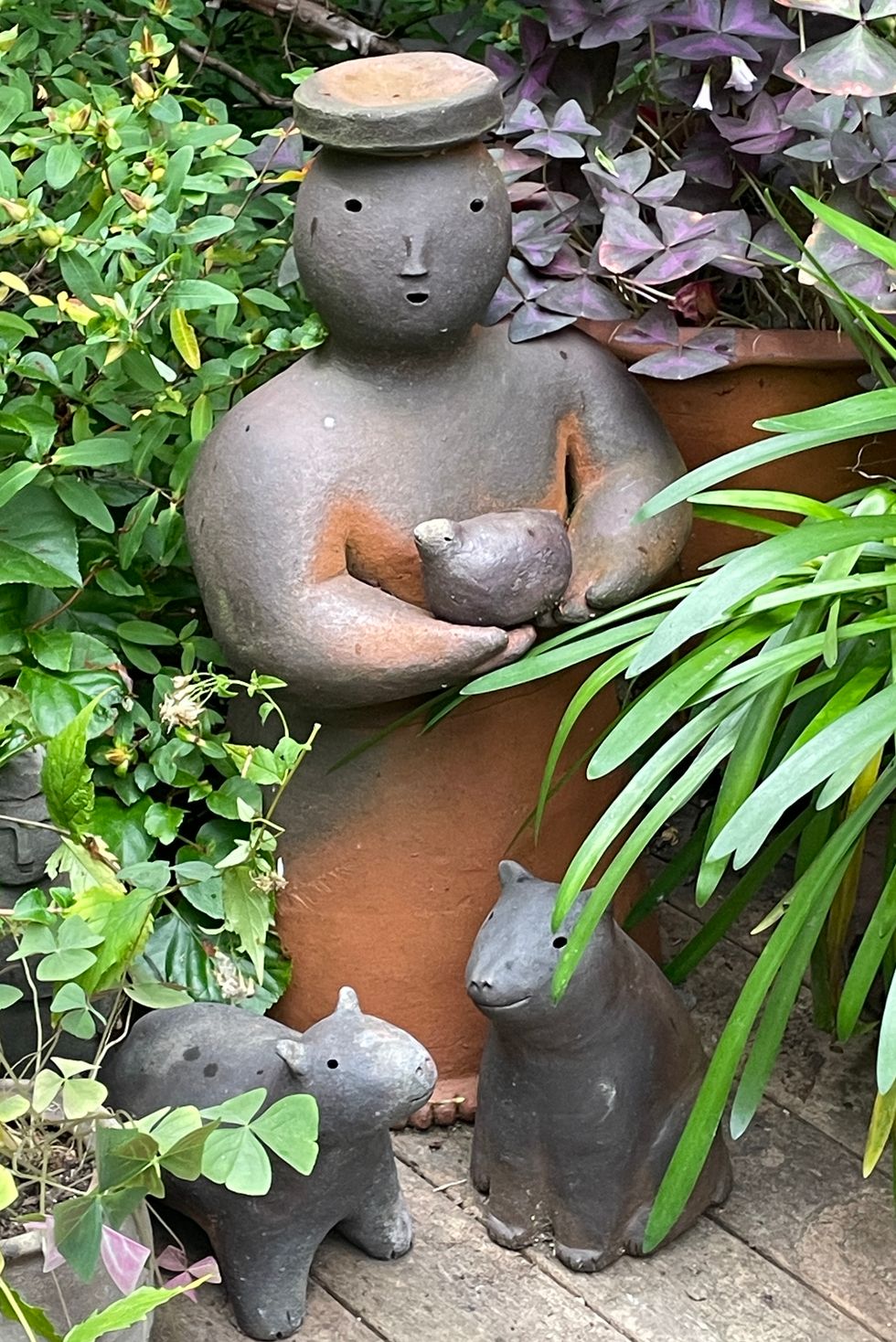 Joy Brown’s delightful ceramic sculptures.Provided