Thank you!
Your support is sustaining the future of local news in our communities.

‘Maple Syrup Madness’ draws visitors to Trevor-Lovejoy Zoo for sweet treats

‘Maple Syrup Madness’ draws visitors to Trevor-Lovejoy Zoo for sweet treats

Dan Cohen, left, dispenses whipped cream on a plate of maple syrup treats during a demonstration on the making of maple syrup at Trevor-Lovejoy Zoo on Millbrook School’s campus.

Photos by Aly Morrissey

MILLBROOK — The Trevor-Lovejoy Zoo hosted its sixth annual Maple Syrup Madness Weekend on March 7 and 8, drawing visitors eager to sample fresh maple syrup, learn about the sugaring process and enjoy one of the region’s sweetest seasonal activities. The event will continue March 14 and 15, as long as the sap continues to flow, organizers said.

Visitors were treated to free tastings of locally made maple syrup with a side of waffles, while Alan Tousignant — a woodworker, syrup maker and director of the Trevor-Lovejoy Zoo — led demonstrations showing how sap collected from nearby maple trees is transformed into syrup.

“This is a very seasonal activity, and you’ve got to go while you can,” Tousignant said of the labor-intensive process.
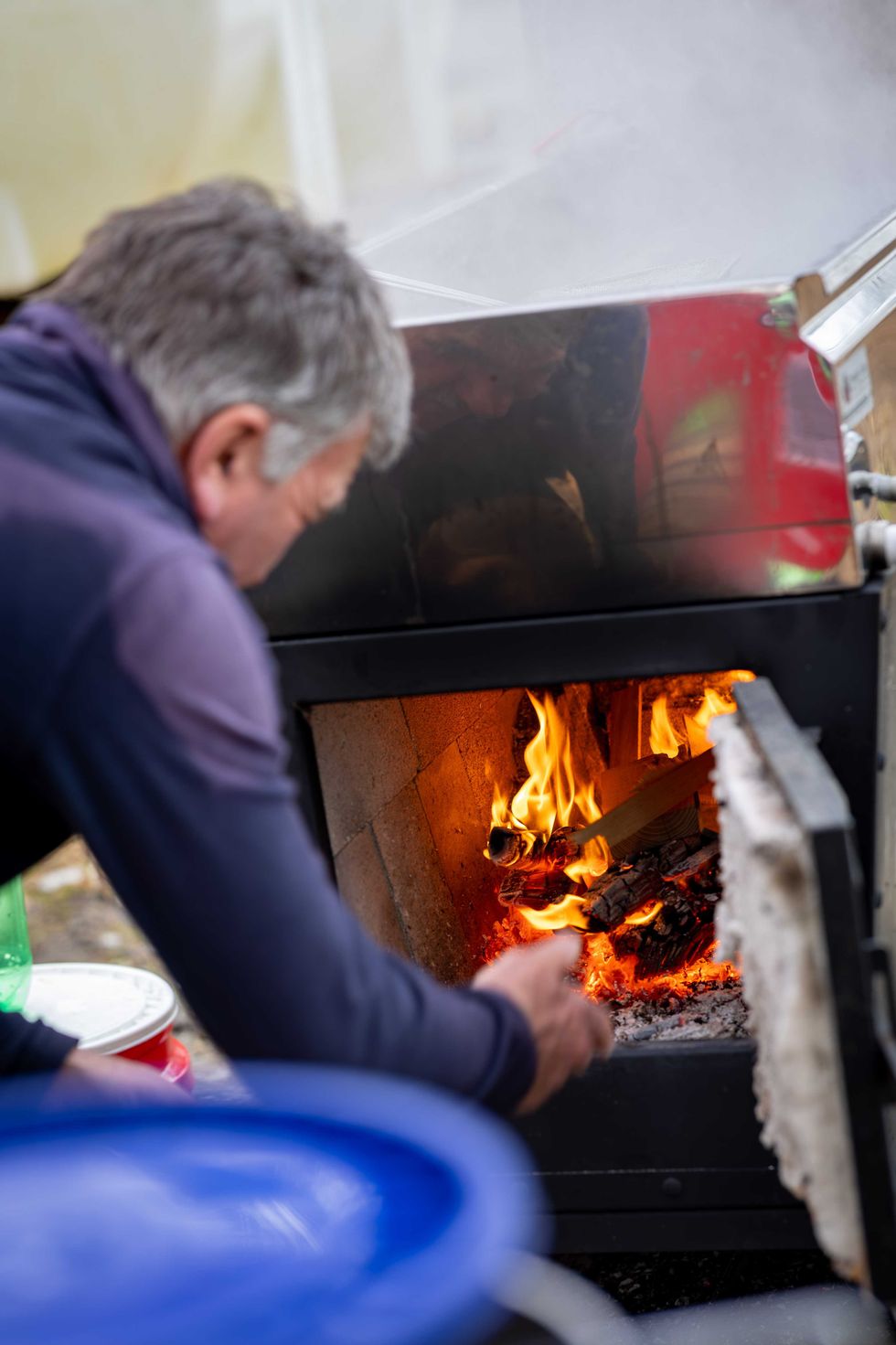
Alan Tousignant stokes a fire in a maple evaporator, a machine that turns maple sap into syrup with heat.Photo by Aly Morrissey

Tousignant first experimented with making maple syrup in a backyard over an open campfire under the stars — a method he said required long nights and wasted much of the heat.

Today, he uses a specialized maple evaporator, a large stainless-steel pan heated by a wood fire from below that allows sap to boil efficiently and continuously.

Sap collected from the trees begins as a clear, watery liquid that contains only about two to two and a half percent sugar, Tousignant explained. Before boiling, the sap is run through a reverse-osmosis process to concentrate the sugar slightly. The liquid then enters the evaporator, where heat gradually removes the water as the sap flows through a series of channels.

By the time the liquid reaches about 215 degrees, the sugar has concentrated enough to become maple syrup.

Tousignant said he is currently collecting sap from around 50 maple trees, some of which have multiple taps. He said one gallon of maple syrup requires around 40 gallons of sap, a process that requires a lot of patience.

“That’s what I call ‘almost syrup,’ he laughed, pointing to a container of darkening liquid that had already been boiled and was completing a filtration process.

“Typically, the early season syrup is lighter, and as the season goes on, it gets darker,” he said. “Toward the end of the season, it can be really dark, almost like walnut syrup.”

Tousignant collects chunks of naturally formed ice that float in the sap buckets when the weather gets cold enough as a way to keep a 300-gallon tank of sap cool to prevent it from spoiling until it can be processed.

Alan Tousignant adjusts the water level in his maple evaporator at the Trevor-Lovejoy Zoo on Millbrook School’s campus on Saturday, March 7.Photo by Aly Morrissey

“I love trying to use Mother Nature to its fullest in a sustainable way,” he said.

He employs the same philosophy in his woodworking, using trees that have already died or fallen or collecting discarded wood pallets from Amazon deliveries to the Millbrook School, saving them from the burn pile.

Raised near the Canadian border in upstate New York, Tousignant said he has always enjoyed working outdoors. As a graduate student, he supported himself with a variety of hands-on jobs to make extra spending money.

“Raking leaves, washing houses, painting, anything to make a little cash for eating and paying the bills,” he said.

It was during this time when Tousignant developed an acronym that now serves as the label for his maple syrup — Hayibaco, short for Home and Yard Improvements by Alan.

This will mark his first year selling his own maple syrup under his custom label, which features an illustrated photo of him in his signature outfit — a plaid shirt and a fleece vest — against a backdrop of his syrup bottles. Syrup will be sold in the gift shop at the Trevor-Lovejoy Zoo and possibly at the Millerton Farmer’s Market in the future.

In addition to Hayibaco, other locally made maple syrup and maple products were available for sale at the tasting, including nearby Soukup Farms in Dover and Russell Farms in Rhinebeck.

Dan Cohen, Trevor-Lovejoy Zoo’s Director of Media, said that zoo attendance typically dips during the winter months. But for many of the zoo’s animals — particularly those who prefer the cold weather — winter can actually be one of the best times to visit.

Animals like Stanley the lynx, Cohen said, are far more active in the cold weather.

Cohen and his colleagues began brainstorming ways to encourage winter zoo visits and were pleased with the success of both a hot chocolate event earlier this year and the maple syrup weekend.
Latest News

Millerton wine shop owner organizes charity wine tasting for local child

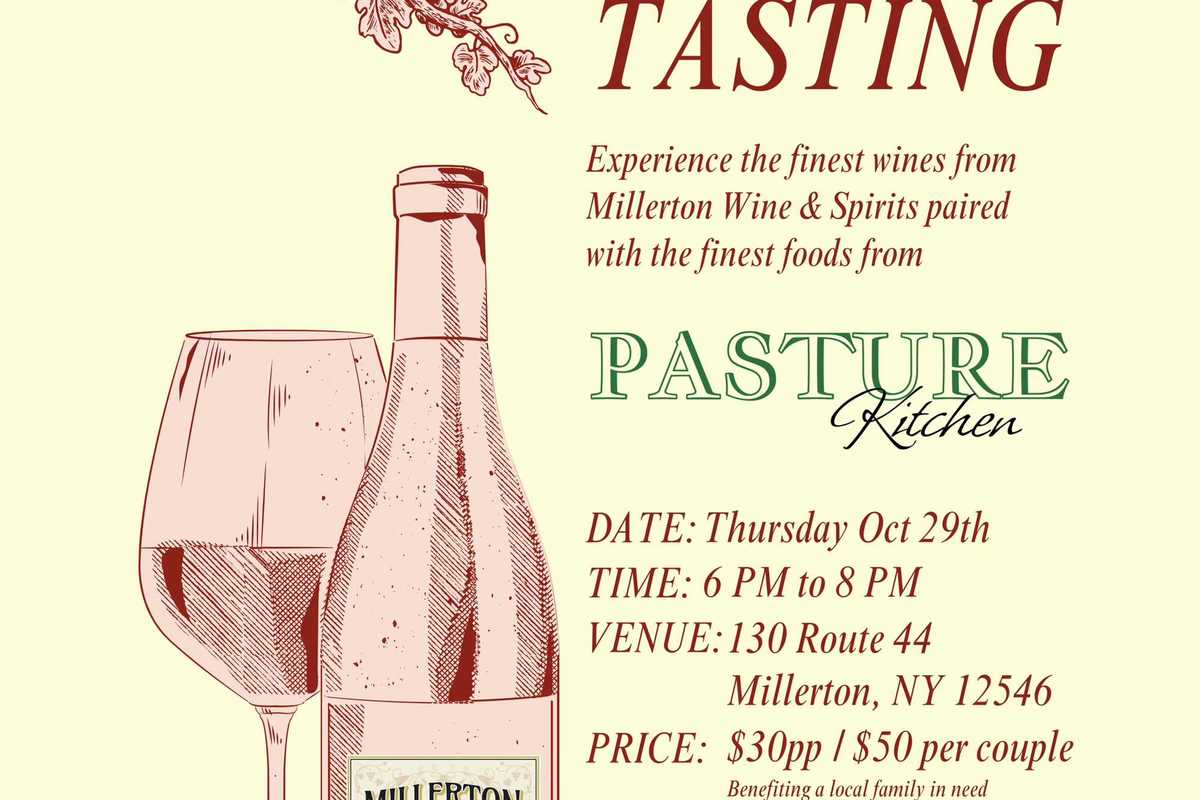
Millerton Wine & Spirits owner Chris Jeans has organized a charity wine tasting to benefit the family of Crew Slater, a Millerton native with congenital kidney disease. The wine tasting is set for Thursday, Oct. 29, from 6 to 8 p.m. at Pasture Kitchen on Route 44 just east of the Village of Millerton.

Illustration provided

MILLERTON — Two local business owners have joined forces to put on a charity wine tasting benefitting Millerton's Slater family.

Crew Slater, a 5-year-old Millerton native, needs a kidney transplant to survive congenital kidney disease. Millerton Wine & Spirits owner Chris Jeans and Pasture Kitchen founder Austin Cornell have organized a charity wine tasting at Pasture Kitchen on Route 44 next Thursday, Oct. 29, from 6 to 8 p.m.

Keep ReadingShow less
Cornwall Historical Society celebrates Connecticut’s Black patriots

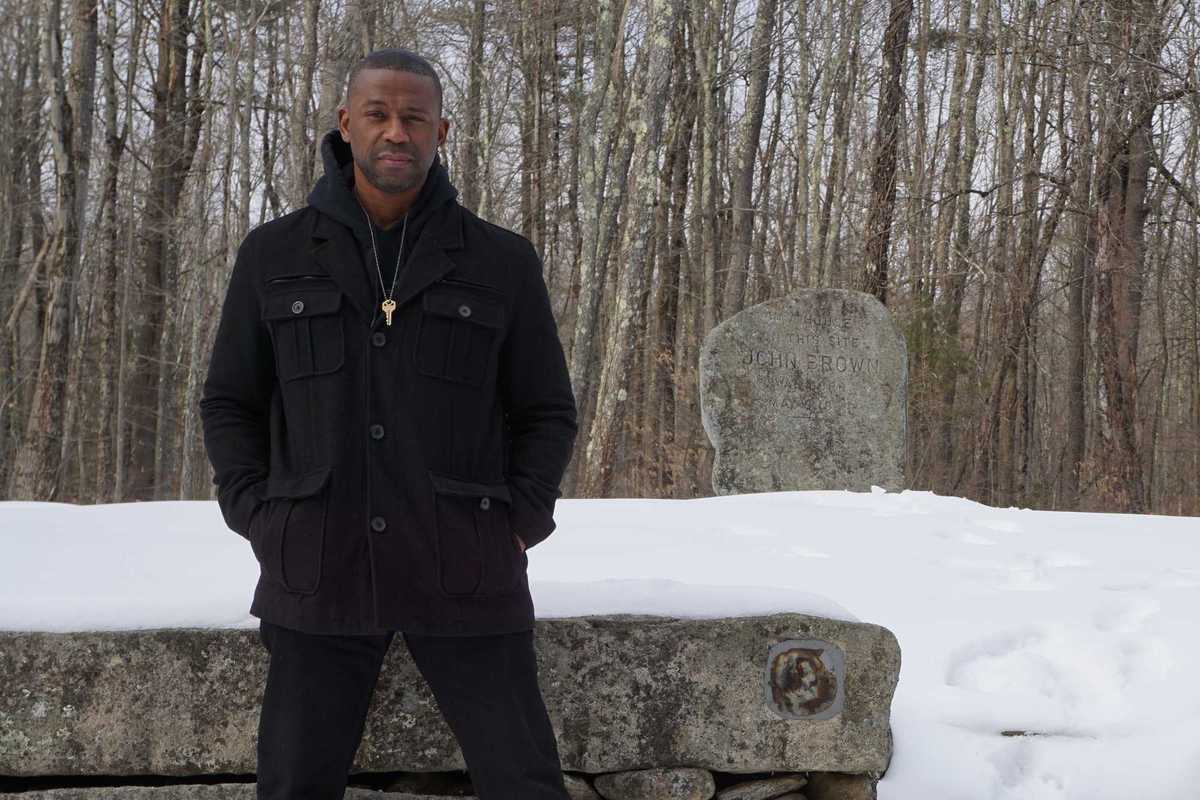
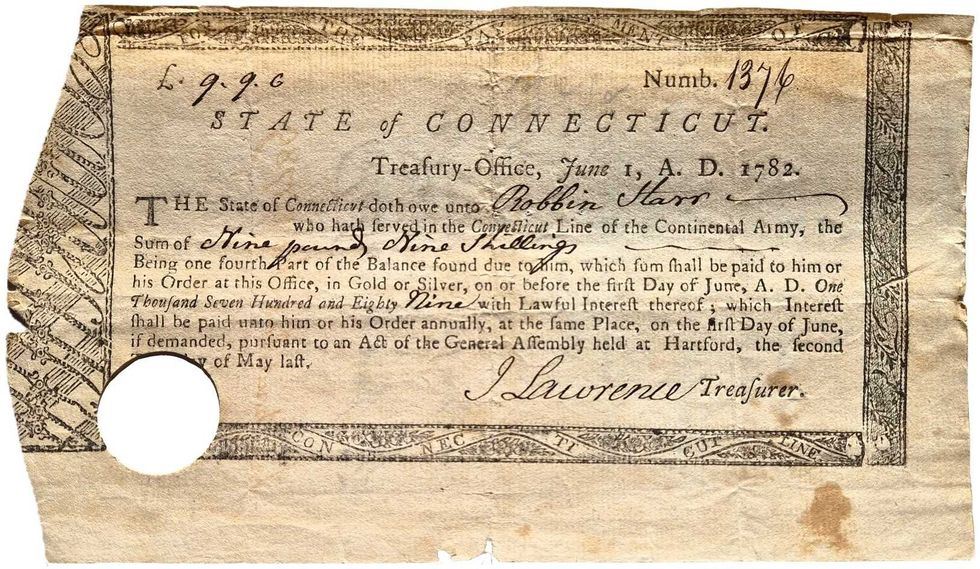
On Saturday, Oct. 24, at the Cornwall Historical Society, author and genealogist John Mills will breathe new life into the stories of some of Connecticut’s more underappreciated patriots. The reason these heroes were forgotten? They were Black.

At a time when white colonists were fighting for their own liberty and political independence, many Black men who fought alongside them remained enslaved. Some risked their lives only to return to bondage. Though enslaved people were promised freedom from both sides of the Revolutionary War in exchange for their service, Great Britain, too, was still deeply dependent on slavery. For Black people in America, the war presented both extraordinary risks and uncertain paths to the freedom that white colonists were demanding for themselves.

Keep ReadingShow less
google preferred source

Want more of our stories on Google? Click here to make us a Preferred Source.

A sanctuary for second chances

A sanctuary for second chances

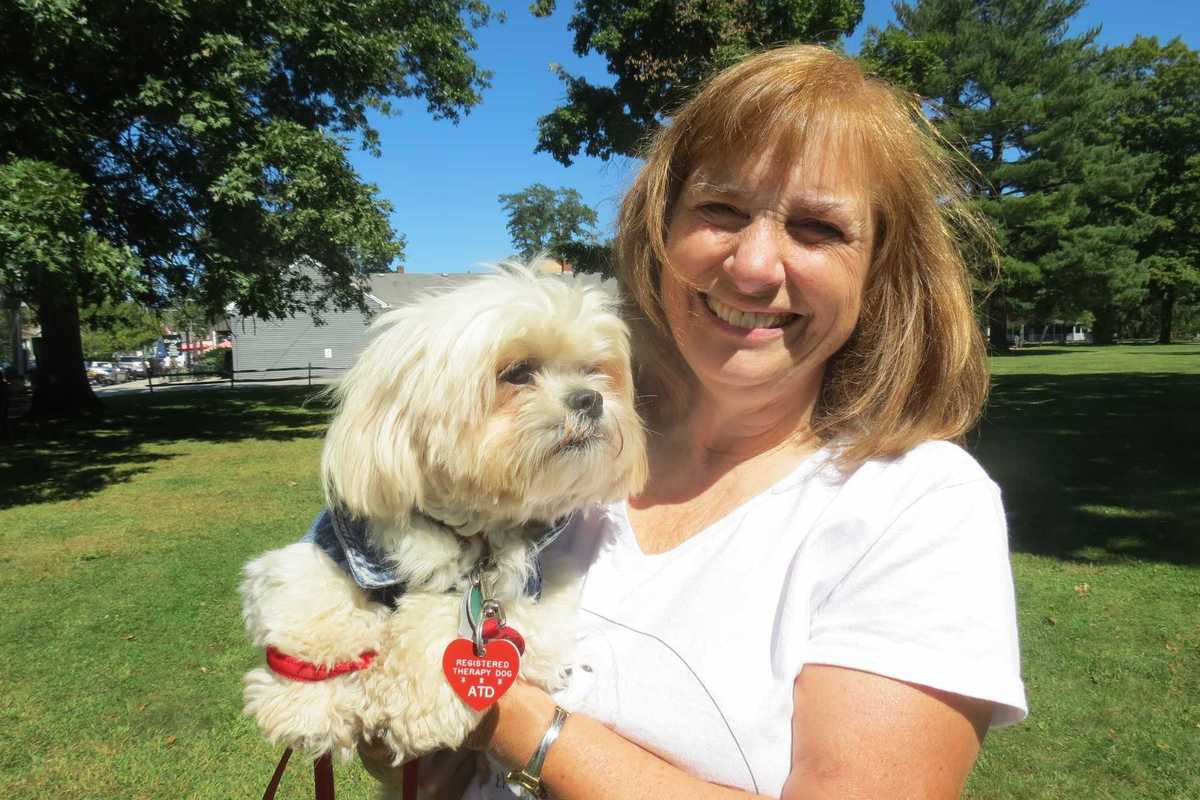
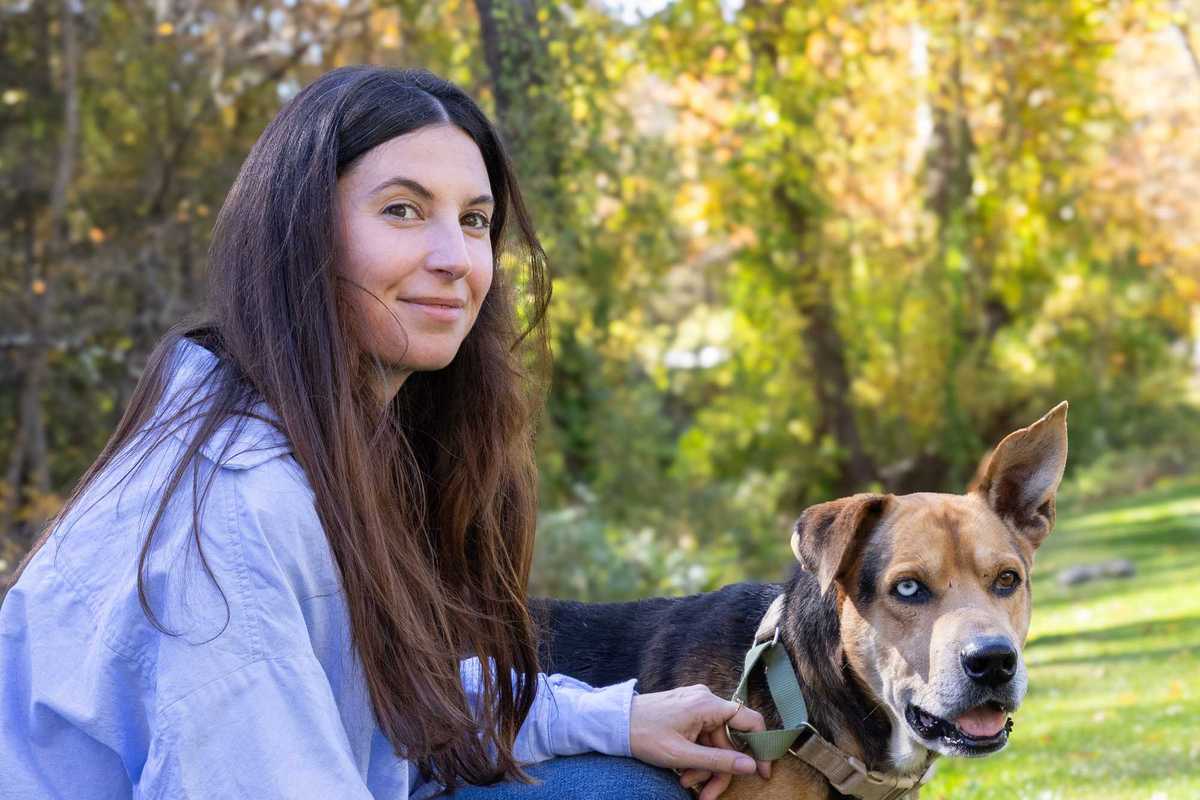
Stephanie Saetta runs Charlie Chicken Bones, a sanctuary in Salisbury.

Madi Long
You only get one or two of these soul connection dogs, so I do this in his honor.
— Stephanie Saetta

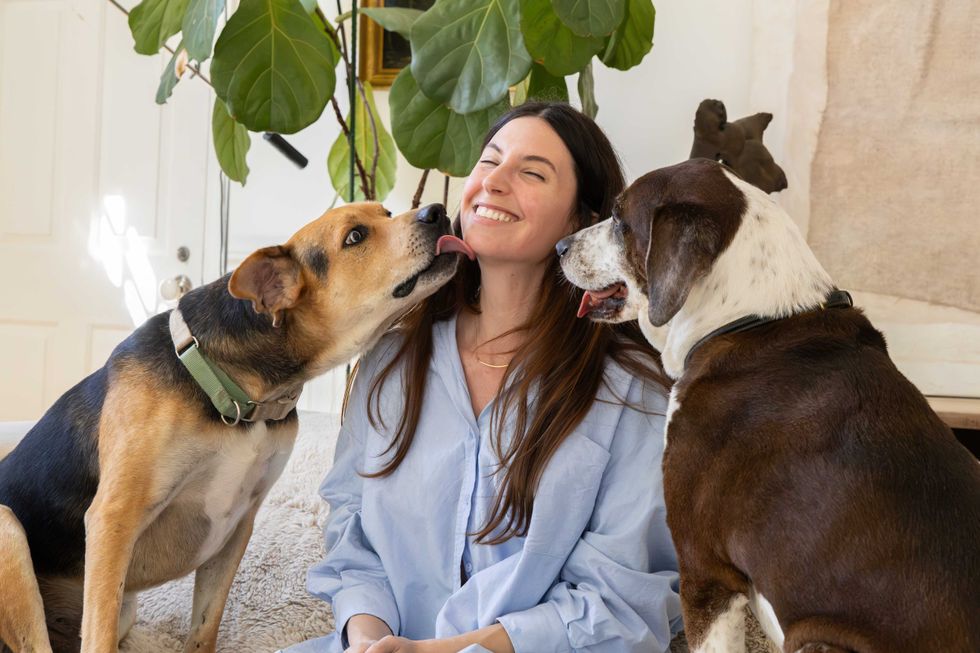
Stephanie Saetta has spent much of her life caring for others. A physician at White Plains Hospital, she has another calling at home in Salisbury — one that has four legs and a wagging tail. She runs Charlie Chicken Bone Sanctuary, a nonprofit dog rescue that brings dogs from overcrowded pounds and the streets of Texas to foster homes in northwestern Connecticut, where they can begin again.

The sanctuary is named for Charlie, the dog who taught her how special a bond between a person and rescue animal can be.

Keep ReadingShow less
The Pink House AM is serving up community

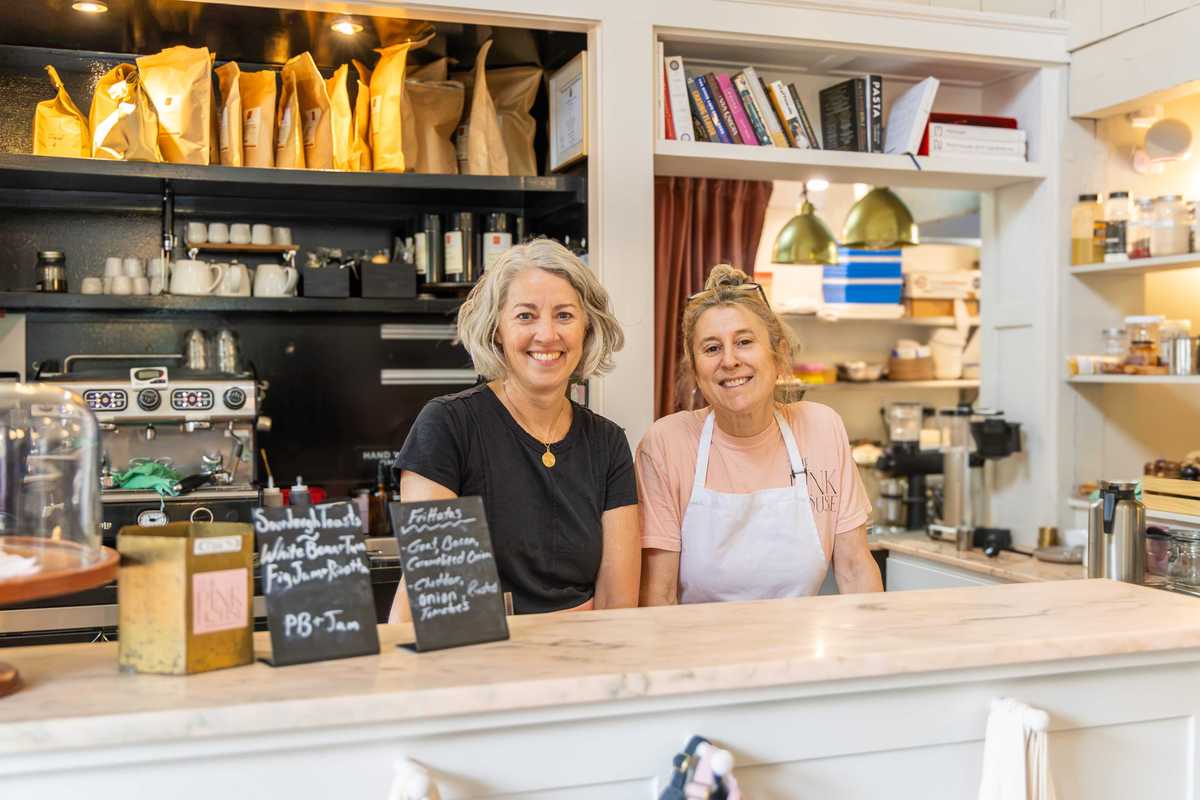
Mare Rubin and Maggie Levine of the Pink House AM.

Madi Long

It all started with a yoga class. Mare Rubin was working on her second act after leaving the Upper West Side, where she’d raised a family and worked in corporate marketing. Newly empty nesters, she and her husband decided to move to the wilds of northwestern Connecticut, where they had spent 15 years as weekenders, to see what life in the woods had in store for them.

Rubin started teaching yoga classes at the Union in West Cornwall, a space designated by the town of Cornwall as a community hub with couches, Wi-Fi, occasional events and a growing yoga class schedule. She was adjusting well but missed one important thing about city life: a casual coffee shop.

Keep ReadingShow less
Sons of Astro are musicians, friends and bandmates — in that order

The Sons of Astro will be at the Common Pub in Housatonic on Oct. 24 and the 2nd Home Lounge in Winsted on Nov. 14.

Provided

No matter where they are in the world, musicians seem to find other musicians. There’s a shared language, a shared experience of being on stage and performing, and a shared enthusiasm for making those melodies by themselves or together. Such is the case with Norfolk and Brooklyn-based cosmic Americana band Sons of Astro.

That magnetic musicians’ bond drew Brooklyn-based singer-songwriter and multi-instrumentalist Mike Cobb into the orbit of singer-songwriter and multi-instrumentalist Matt Statler. The two neighbors took to each other right away and were soon playing open mics together. As an ethics professor at NYU’s Stern School of Business, Statler made the case that if he sat in for Cobb’s set and Cobb sat in for Statler’s, they could play together and double their stage time. Clearly, these men wanted to make as much music as possible. That became a little harder when Cobb and his family moved up to Norfolk, Connecticut.

Keep ReadingShow less
google preferred source

Want more of our stories on Google? Click here to make us a Preferred Source.

google preferred source

Want more of our stories on Google? Click here to make us a Preferred Source.