POUGHKEEPSIE — With the governor’s phased approach for reopening New York state’s economy, the Hudson Valley Economic Development Corporation (HVEDC) is trying to assist businesses reopening. It hosted the Back to Business: Ready for the Big Comeback webinar with Focus Media Founder and CEO Josh Sommers on Thursday afternoon, May 7.
The webinar was broadcast on the “Hudson Valley Economic Development Corporation” Facebook page as well as on the “HudsonValleyEDC” YouTube channel.
“We certainly hope it’s a big comeback — we don’t know,” he said to business owners. “We’ve never been through a circumstance like this before but we want to talk about things that might work for us.”
Sommers summarized COVID-19’s impact with one simple sentence: “This is the biggest disruption of our lifetime.”
Raising the devastation of Sept. 11, 2001 as a previous example, Sommers touched on the deep emotional impact left behind by 9/11 in addition to the devastating economic impact. Next, he raised the stock market crash of 2008 and how people were left reeling from its impact. Now with the pandemic of 2020, he said COVID-19 would mark this generation.
Comparing how ordinary procedures were drastically changed and how a “new normal” was established during both 9/11 and COVID-19, Sommers said everyone will be faced with a sobering new reality that will affect all businesses.
Sommers reviewed how the economy fell apart within two weeks in March, adding unemployment has reached historic levels. With companies expecting to weaken during the pandemic, he talked about COVID-19’s influence on how businesses operate and limit revenue streams to comply with new health and safety standards. Some businesses, he said, will have to make marketing moves with several factors out of their control.
“These are all variables that we need to take into consideration,” Sommers said. “We’re handicapped, sadly, right now by things that are out of our control and we’re all going to do the best that we can.”
Addressing whether businesses remain valuable to customers with the new norms, Sommers stressed that companies will need new strategy modes. He encouraged businesses talk to stakeholders and have a strategic discussion. He asked businesses to consider what products or services will have relevancy and profitability these days. If needed, he recommended that businesses pivot to current demand: as an example, he talked about how clothing companies have been making masks, auto manufacturers have been building ventilators and the film industry is releasing new movies On-Demand.
Rather than be discouraged by the ways in which the new normal is changing operations, Sommers invited business owners to take advantage of the opportunity to readjust and reassess the value of their deliverables. Asking businesses to think about whether they’re relevant to the new climate, he suggested that they think about ways to adapt if not.
Sommers advised businesses to understand and address their customers’ concerns and priorities — particularly in terms of what might impact their engagement — and to be sensitive when doing so. Such concerns and priorities might include health, job security, finances (either short-term or beyond), safety at the businesses and morally-based considerations (such as how businesses treat their employees and their community commitment). He emphasized how important it is to maintain sensitivity when retaining a customer. Whether they’re building a new business relationship or sustaining a current one, he assured that nothing beats the personal touch.
In terms of acquiring new leads and customers, Sommers said prioritizing tactics will make a meaningful difference for marketing and recommended that business owners always collect data. He advised business owners to present information that’s accurate, truthful and easy for the media to report on and to “be the resource a reporter will call because you’re the person to go to.”
Reviewing the different methods of acquiring new leads and customers, Sommers touched on publicity, use of video, digital advertising and Google Ad Words, providing clear examples of each method. Though he recognized the value of newspapers and magazines during this time, he did stress that people are using social and online media.
Sommers can be contacted via email at Josh@FocusMediaUSA.com or via phone at 845-576-2213.
County executive proposes assistance to small businesses
The following day, Friday, May 8, Dutchess County Executive Marc Molinaro announced that two new programs have been created to help small businesses left behind “in the wake by the Small Business Administration’s [SBA] flawed roll-out of the Economic Injury Disaster Loan [EIDL] program and the Payroll Protection Program [PPP],” according to a press release from Molinaro’s office. While Dutchess County businesses became eligible for the EIDL under the State of Connecticut’s disaster declaration this past March, many businesses are continuing to struggle, particularly those that were offered far less than what they need to continue operating.
“Our small local businesses that have been unable to secure assistance from the feds or the SBA need help now, or they may not survive or reopen,” Molinaro stated. “To support them, the county has developed a two-part plan, in partnership with our Think Dutchess Alliance for Business, that will help our most affected small businesses.”
Coming up on the horizon, the Dutchess County Local Development Corporation (LDC) plans to establish a COVID-19 small business express loan program in partnership with Community Capital New York for the purpose of helping the smallest affected businesses in Dutchess County that have been unable to attain SBA assistance. Meanwhile, the Dutchess County Industrial Development Agency (IDA) intends to establish a no-fee, fast tracked COVID-19 Sales and Use Tax Relief Program for the purpose of helping local manufacturers expand their capacity and produce much-needed personal protection equipment (PPE).








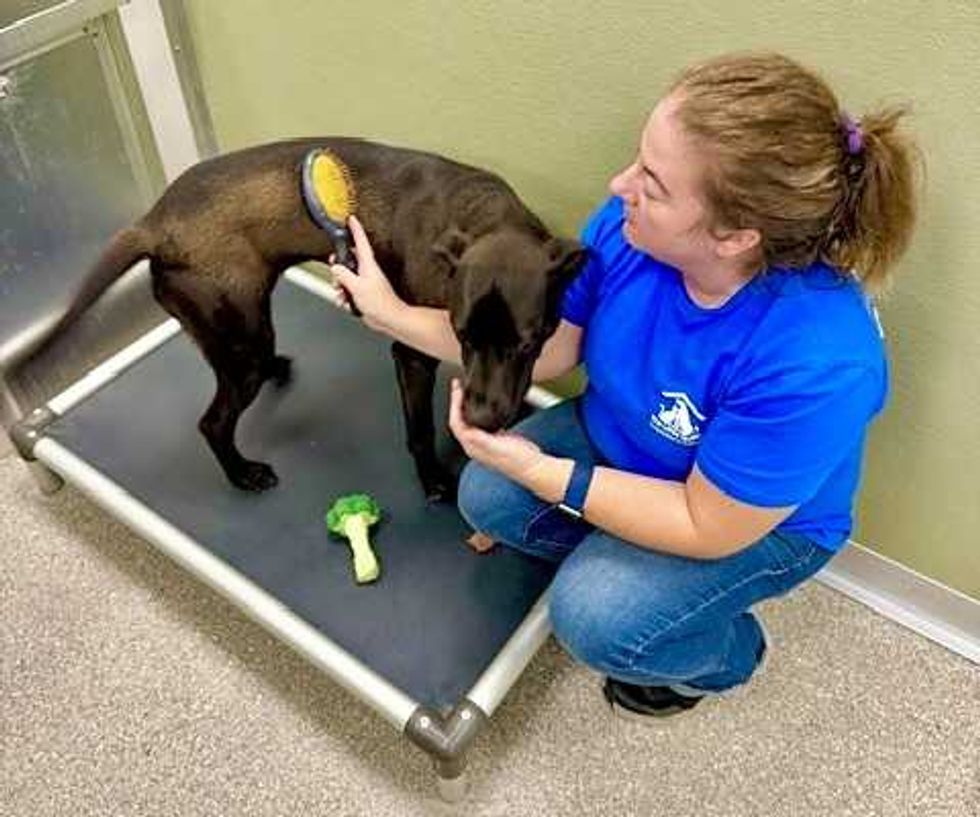 Tiffany Lemelin, shelter manager, brushing Marsala upon arrival.Provided
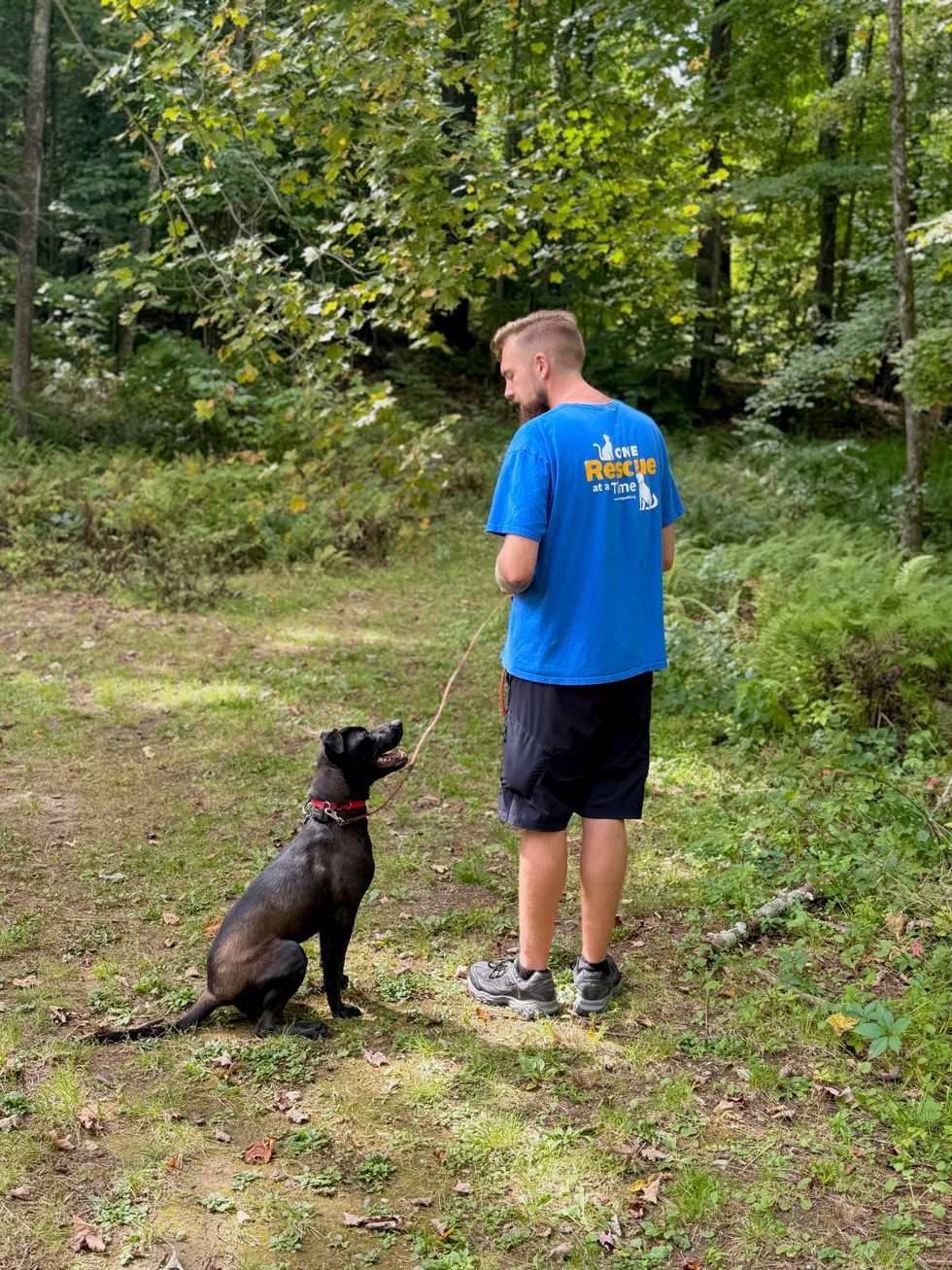 Michael DeBarba, certified dog trainer working with Marsala.Jennifer Almquist
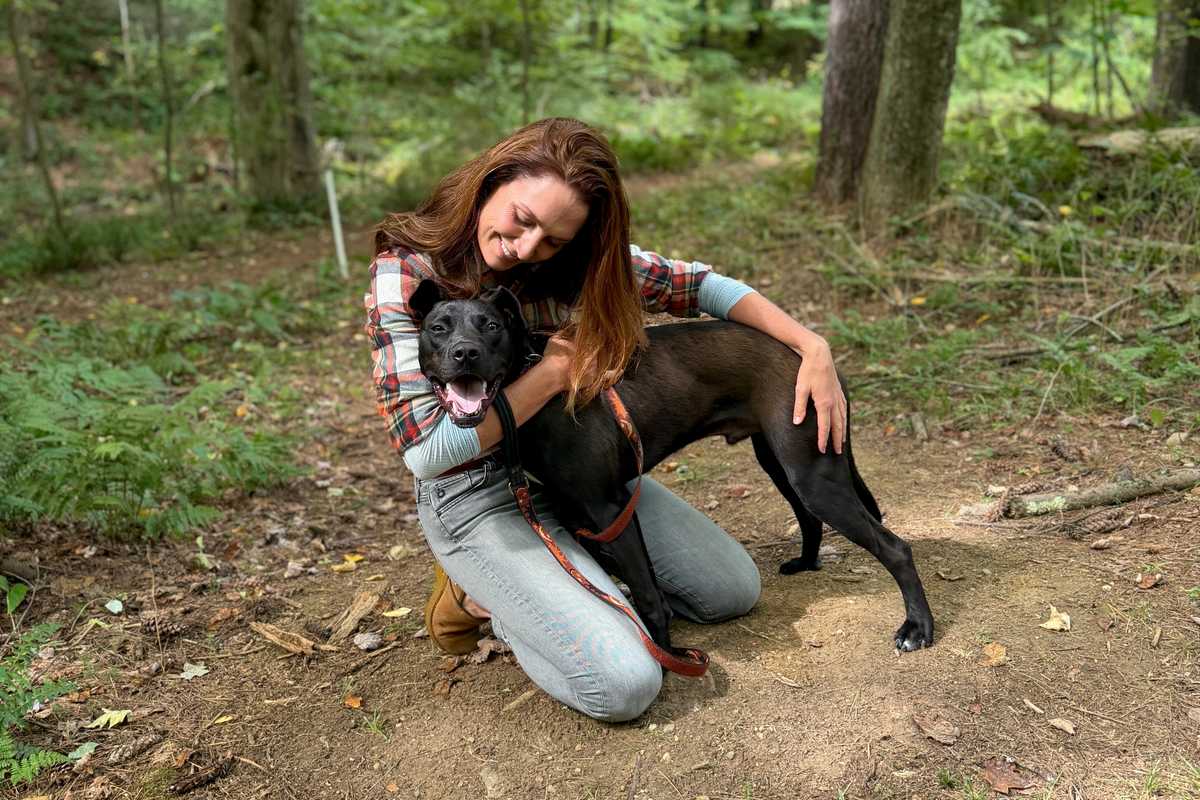 Marsala wins a heart.Jennifer Almquist
 Sadie, center, a Carolina dog, plays with her friend Negra, a terrier mix. Bella Linda, the small poodle, has since been adopted.L. Tomaino
 Wesley, a young, exuberant mix, is looking for an active home.L. Tomaino
 Bonnie and Clyde, an affectionate terrier pair.L. Tomaino