Thank you!
Your support is sustaining the future of local news in our communities.

Free film screening and talk on end-of-life care

Free film screening and talk on end-of-life care

‘Come See Me in the Good Light’ is nominated for best documentary at this year’s Academy Awards.

Provided

Craig Davis, co-founder and board chair of East Mountain House, an end-of-life care facility in Lakeville, will sponsor a March 5 screening of the documentary “Come See Me in the Good Light” at The Moviehouse in Millerton, followed by a discussion with attendees.

The film, which is nominated for best documentary at this year’s Academy Awards, follows the poet Andrea Gibson and their partner Megan Falley as they are suddenly and unimaginably forced to navigate a terminal illness. The free screening invites audiences to gather not just for a film but for reflection on mortality, healing, connection and the ways communities support one another through difficult life transitions.

East Mountain House grew out of a realization that “there are so many issues with how we are taking care of our dying in our community,” said David. “We wanted to provide a solution for some people where they can die in a serene and calming home-like setting.” This compassionate approach at East Mountain House is carried out with the support of seven staff members and 42 volunteers who do everything from reading to residents, gardening, cooking, communicating with family members and assisting with therapeutic treatments. East Mountain House houses just two residents at a time, and staff and volunteers work around the clock to accommodate their needs.

In a culture where we are trained to panic when a loved one is dying, and where a clinical space like a hospital is the norm for many individuals at the end of their lives, Davis feels that East Mountain House is an alternative with a natural and organic approach to death. It’s a place where death can be celebrated and viewed as something that is simply a part of life. Davis’ vision for East Mountain House is more than a decade in the making, and he is eager to introduce his work and his perspective to locals at the upcoming community screening.

One of the reasons Davis was interested in sponsoring a screening of “Come See Me In The Good Light” was because the film gracefully explores themes of vulnerability, resilience and the search for meaning in the face of death. Through its deeply personal storytelling, the film highlights how people navigate loss, transformation and the desire to be seen for who they truly are. The documentary’s emphasis on compassion and human connection aligns closely with the mission of East Mountain House, making the post-film discussion a natural extension of the evening.

Davis hopes the event will serve as both a cultural offering and a community touchstone — an opportunity for neighbors to gather in a welcoming space, share ideas and reflect on the importance of end-of-life support systems. The screening is free and open to the public, though advance registration is recommended due to limited seating.

For registration, go to themoviehouse.net.

Latest News

Authorities end search for missing former Dover Town Supervisor

Ryan Courtien disappeared from his Waldo Road home in Wingdale on Sunday morning, July 12. Authorities concluded the search of the landscape surrounding his home after four days of scouring the woods at 4 p.m. Wednesday, July 15.

Photo by Lucia Iandolo

DOVER PLAINS — The search for former Dover Town Supervisor Ryan Courtien has concluded after four days of scouring the area surrounding his Wingdale home, but authorities say the investigation is ongoing.

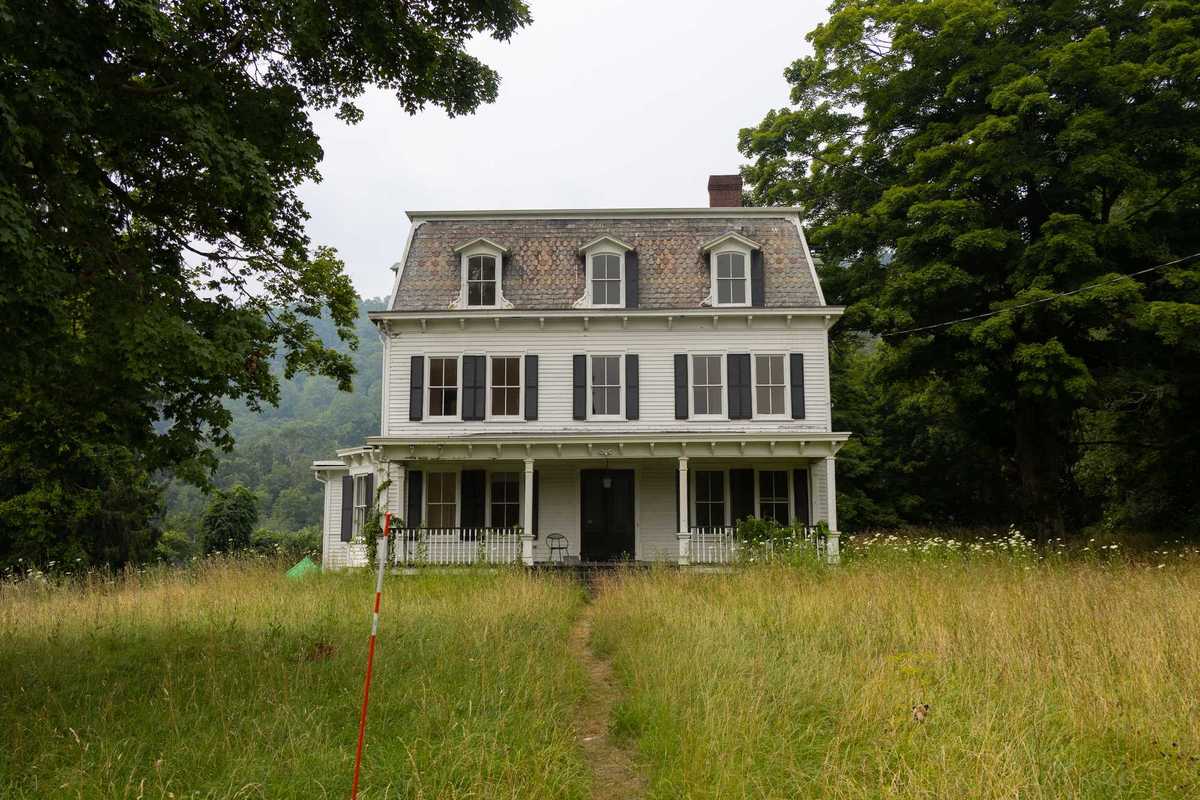
New York State Police announced the end of the search for the 49-year-old Wingdale resident and current Dover Planning Board chair at roughly 4:45 p.m. Wednesday, July 15. Courtien disappeared from the yard in front of his Waldo Road home in Wingdale shortly after leaving the house at 9:30 a.m. Sunday, July 12, to work in his yard.

Keep ReadingShow less
Millerton dressmaker forged path as early businesswoman
Mary Kisselbrack, left, and her husband, George.
Provided

If you’ve driven down Main Street in Millerton, you’ve passed the former home and shop of one of the village’s earliest female entrepreneurs. At a time when most businesses were owned by men, Mary Kisselbrack made a name for herself in the late 1800s as a well-respected milliner and dressmaker.

On April 11, 1891, train conductor George Kisselbrack purchased a 124-by-232-foot vacant lot at 54 Main St. and hired locally renowned builders Beers and Trafford to design what would become their home and Mary’s business.

Keep ReadingShow less
Wastewater project coming to fruition after decades of debate

Millerton’s business community will soon see the completion of a public wastewater system, addressing what local officials and business owners have called a major constraint on commercial development in the community for decades.

The $13.8 million project, which is expected to serve the core of the Village of Millerton and a commercial stretch of the Town of North East along U.S. Route 44, represents one of the largest infrastructure investments in the community in decades, and brings an end to calls for a sewer system that stretch back to World War II. Officials say the system will safeguard local waterways while creating a foundation for long-term economic stability.

Keep ReadingShow less
google preferred source

Want more of our stories on Google? Click here to make us a Preferred Source.

Millerton Moviehouse marks 120 years with structural upgrades

Wooden beams made from tree trunks comprise the load-bearing structure under Millerton’s Moviehouse.

Graham Corrigan

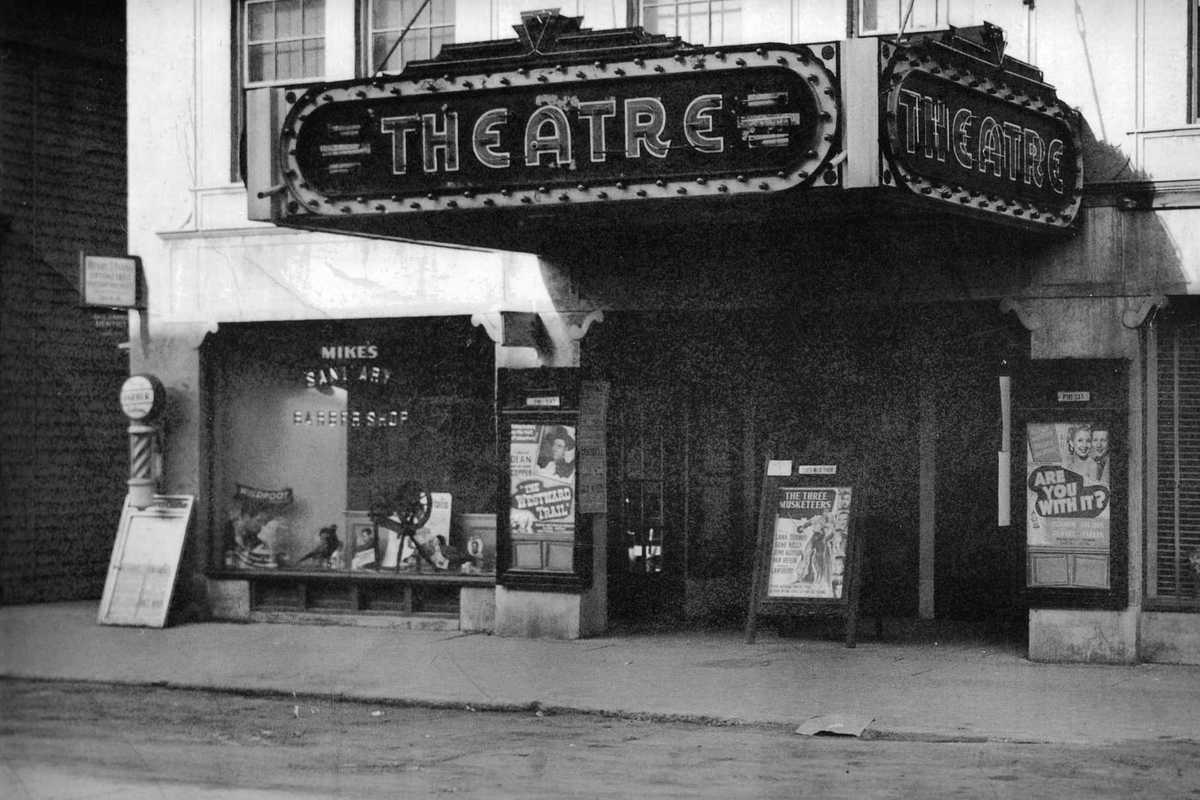
There are a handful of buildings that have stood the test of time over Millerton’s 175-year history. But if there’s one that stands out as a singular representation of the town, it’s the Millerton Moviehouse and its iconic clock tower.

Built in 1903 as a grange hall, it was soon converted into a movie theater with a second-floor ballroom. It was one of a handful of buildings that came to define the town in the following decades, standing tall across the street from the Episcopal Church and Millerton Inn, next to Terni’s, and up the hill from Millerton’s train station.

Keep ReadingShow less
Irondale Schoolhouse: a piece of living history

Ralph Fedele sits at a desk in the historic Irondale Schoolhouse, which he led the effort to relocate to downtown Millerton.

Aly Morrissey
“It was in dire straits. Right on the road, but beautiful. I remember thinking, ‘Wouldn’t that be a great building to move into the village?’” —Ralph Fedele

A one-room schoolhouse sits on Main Street along the Harlem Valley Rail Trail, offering an opportunity for locals and visitors to step inside a piece of living history.

The Irondale Schoolhouse that now sits in downtown Millerton was not originally located on Main Street. The building was first constructed in 1858 along what is now Route 22 in the Irondale section of town, defined by Irondale road and the Old Mill that still sits along Webatuck Creek. At the time, the schoolhouse was one of 14 that served the Town of North East’s children.

Keep ReadingShow less
New Water Department building expected by summer’s end

Millerton’s former Water Department building, ravaged by fire, as it awaited demolition in summer 2025.

Aly Morrissey

Nearly 18 months after a fire destroyed Millerton’s Public Works building, which housed the Highway Department and Water Department, construction is expected to begin within weeks on a new Water Department facility and pumphouse.

The new building would restore the village’s full water pumping capacity and allow officials to end the state of emergency declared after the fire. Village officials are also planning a separate Highway garage, with details of that project still being finalized.

Keep ReadingShow less
google preferred source

Want more of our stories on Google? Click here to make us a Preferred Source.

google preferred source

Want more of our stories on Google? Click here to make us a Preferred Source.