Thank you!
Your support is sustaining the future of local news in our communities.

Letters to the editor: Thursday, Jan. 30, 2025

The views expressed here are not necessarily those of The Millerton News and the News does not support or oppose candidates for public office.

We accept gifts, grants and sponsorships from individuals and organizations for the general support of our activities, but our news judgments are made independently and not on the basis of donor support.

Accepting financial support does not mean we endorse donors or their products, services or opinions.

Letters to the editor deadline is 10 a.m. Monday for that week’s publication. No more than 500 words. Send to editor@millertonnews.com. Please include a phone number for confirmation.

Questioning ‘Community and Kindness’ sign

Readers, I have seen a number of controversies over the years regarding signs in both the village and the town. These were brought to mind after seeing the monstrosity on display on Route 22 behind the Dutchess Auto building promoting Community and Kindness. I am at a loss to understand how this has been allowed. After reviewing Village Code section 170.41 it would seem that the sign regulations are aimed at advertising signs and not this, however 170.41 lists the intent of the regulation is “to improve the communities visual appearance; to promote an attractive business environment; to maintain the rural nature of the community.” One person recently described it as looking like a graffitied wall in the South Bronx. Other descriptions have included words such as hideous. I am sure that some people may be enjoying the content of the sign, however everyone I have spoken to believes it looks awful and should be removed. According to The Millerton News, Townscape plans on working with NECC to “fill the village with signs.” I hope what is to come is not so gaudy and repulsive looking.
Dave Sheehan
Millerton

Minimum wage impact

I found it interesting that the local business owners interviewed for the story about Connecticut’s new minimum wage lamented that with the small increase in hourly wages some of their staff would lose their state benefits (health insurance, food and energy assistance, affordable housing). What no one pointed out was that the previous minimum wage ($15.69 per hour) was not a “living wage” because those who earned it could not support themselves. (That may not have changed even with the increased minimum wage.) What struck me was that Americans in business expect the American taxpayer to supplement the wages they pay their employees and to subsidize their labor costs.
Laurie Nussdorfer
Amenia Union


The views expressed here are not necessarily those of The Millerton News and The News does not support or oppose candidates for public office.

Latest News

Millerton wine shop owner organizes charity wine tasting for local child

Millerton Wine & Spirits owner Chris Jeans has organized a charity wine tasting to benefit the family of Crew Slater, a Millerton native with congenital kidney disease. The wine tasting is set for Thursday, Oct. 29, from 6 to 8 p.m. at Pasture Kitchen on Route 44 just east of the Village of Millerton.

Illustration provided

MILLERTON — Two local business owners have joined forces to put on a charity wine tasting benefitting Millerton's Slater family.

Crew Slater, a 5-year-old Millerton native, needs a kidney transplant to survive congenital kidney disease. Millerton Wine & Spirits owner Chris Jeans and Pasture Kitchen founder Austin Cornell have organized a charity wine tasting at Pasture Kitchen on Route 44 next Thursday, Oct. 29, from 6 to 8 p.m.

Keep ReadingShow less
Cornwall Historical Society celebrates Connecticut’s Black patriots

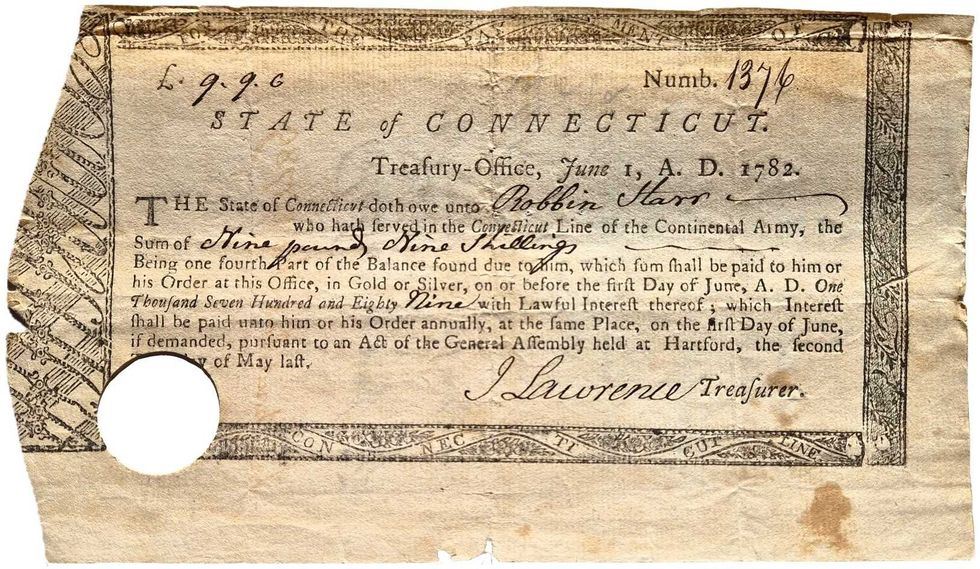
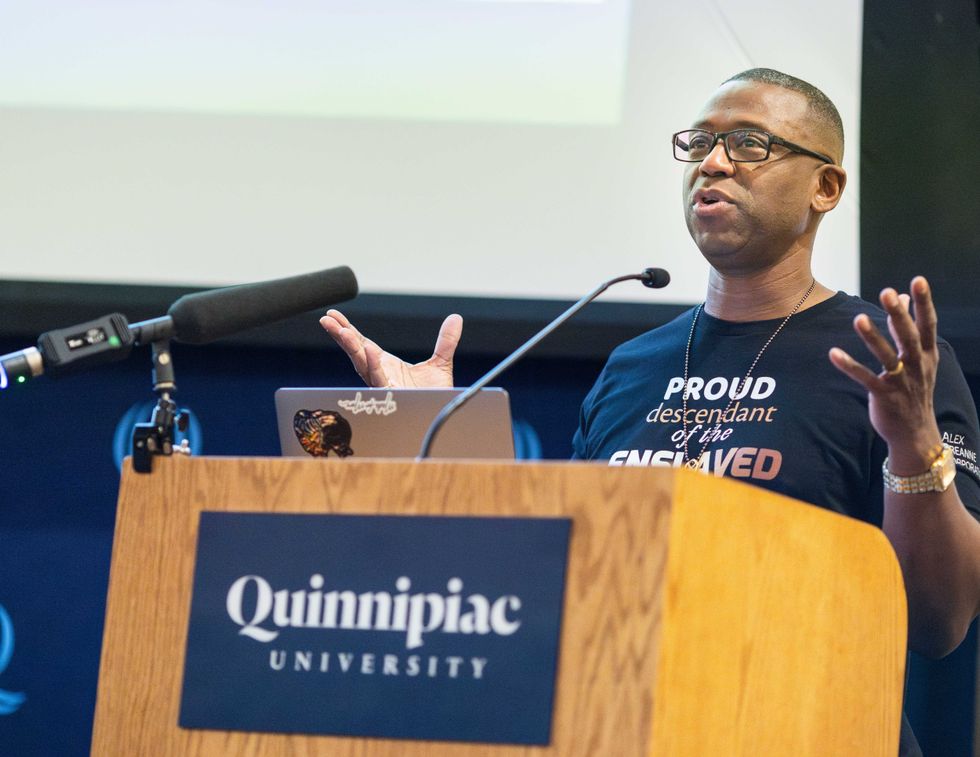
On Saturday, Oct. 24, at the Cornwall Historical Society, author and genealogist John Mills will breathe new life into the stories of some of Connecticut’s more underappreciated patriots. The reason these heroes were forgotten? They were Black.

At a time when white colonists were fighting for their own liberty and political independence, many Black men who fought alongside them remained enslaved. Some risked their lives only to return to bondage. Though enslaved people were promised freedom from both sides of the Revolutionary War in exchange for their service, Great Britain, too, was still deeply dependent on slavery. For Black people in America, the war presented both extraordinary risks and uncertain paths to the freedom that white colonists were demanding for themselves.

Keep ReadingShow less
google preferred source

Want more of our stories on Google? Click here to make us a Preferred Source.

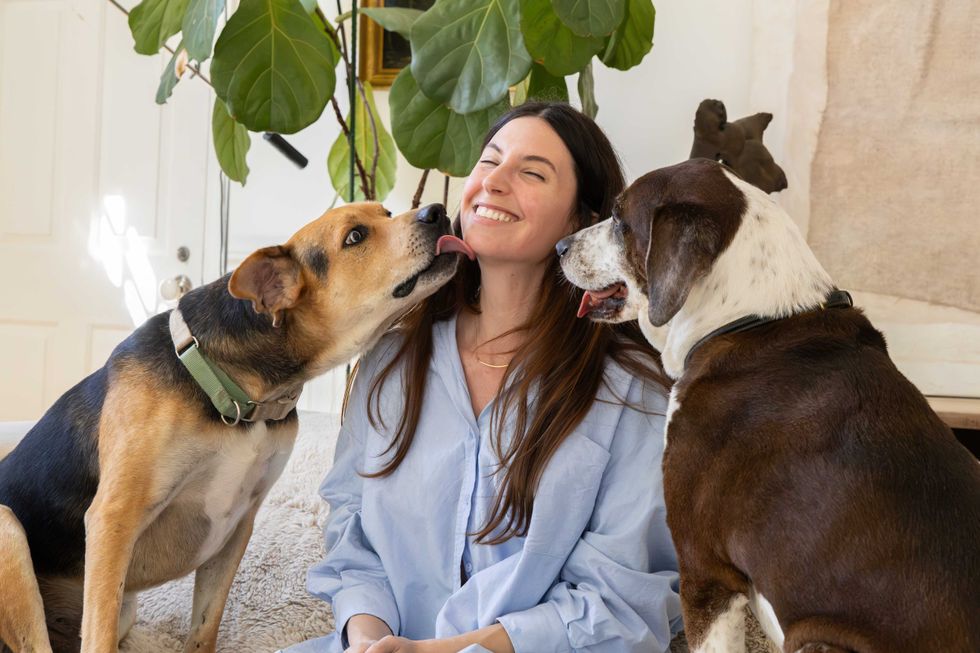
A sanctuary for second chances

A sanctuary for second chances

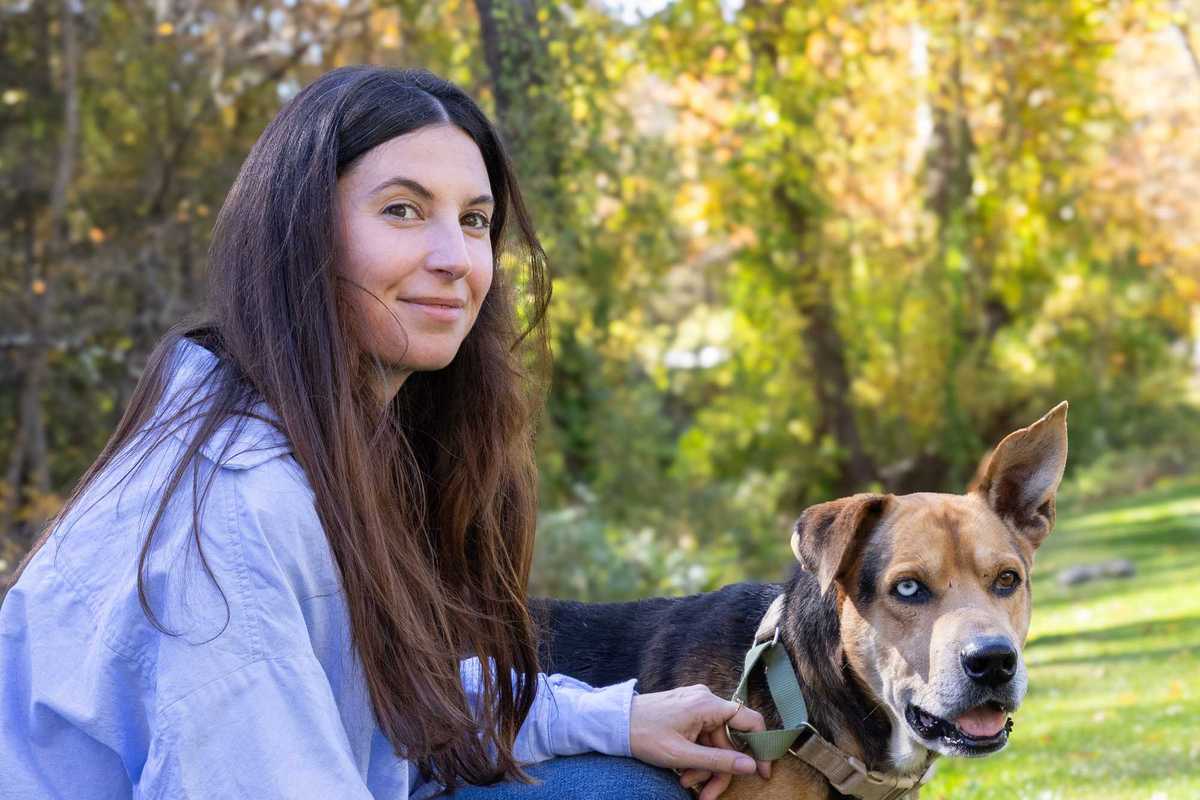
Stephanie Saetta runs Charlie Chicken Bones, a sanctuary in Salisbury.

Madi Long
You only get one or two of these soul connection dogs, so I do this in his honor.
— Stephanie Saetta

Stephanie Saetta has spent much of her life caring for others. A physician at White Plains Hospital, she has another calling at home in Salisbury — one that has four legs and a wagging tail. She runs Charlie Chicken Bone Sanctuary, a nonprofit dog rescue that brings dogs from overcrowded pounds and the streets of Texas to foster homes in northwestern Connecticut, where they can begin again.

The sanctuary is named for Charlie, the dog who taught her how special a bond between a person and rescue animal can be.

Keep ReadingShow less
Big ideas come to Lenox for inaugural field festival

Hunter Runnette, founder and board chair of field, has spent years fostering arts and cultural programming in the Berkshires.

Provided

What do joy, gardening, artificial intelligence, the American experiment and the creative process have in common? Quite a lot, as it turns out, at least when some of the world’s most compelling thinkers get together to talk about them.

From Friday, Oct. 23, through Sunday, Oct. 25, Lenox, Massachusetts, will host the inaugural field festival, a three-day gathering of writers, artists, scholars and cultural figures at Shakespeare & Company. Billed as a festival of ideas, entertainment, learning and discovery, field brings together an impressive roster of voices to explore everything from the deeply personal to the profoundly political.

Keep ReadingShow less
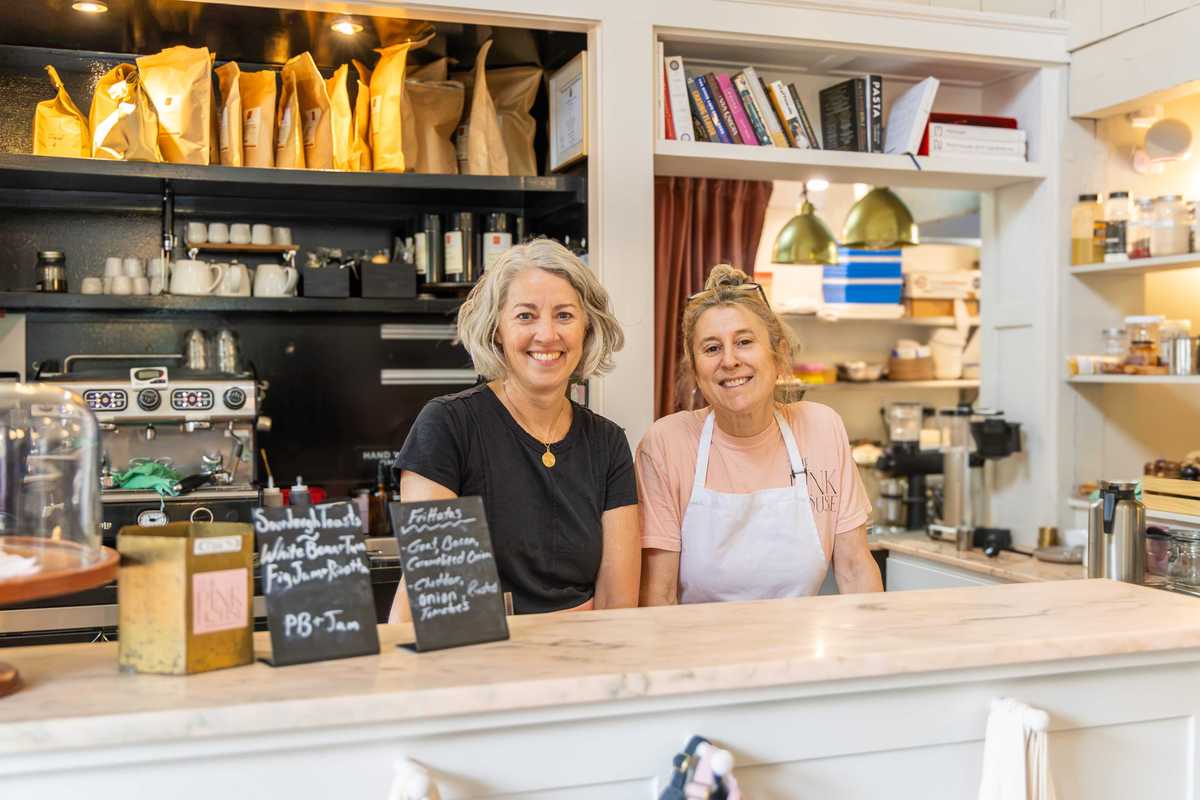
The Pink House AM is serving up community

Mare Rubin and Maggie Levine of the Pink House AM.

Madi Long

It all started with a yoga class. Mare Rubin was working on her second act after leaving the Upper West Side, where she’d raised a family and worked in corporate marketing. Newly empty nesters, she and her husband decided to move to the wilds of northwestern Connecticut, where they had spent 15 years as weekenders, to see what life in the woods had in store for them.

Rubin started teaching yoga classes at the Union in West Cornwall, a space designated by the town of Cornwall as a community hub with couches, Wi-Fi, occasional events and a growing yoga class schedule. She was adjusting well but missed one important thing about city life: a casual coffee shop.

Keep ReadingShow less
google preferred source

Want more of our stories on Google? Click here to make us a Preferred Source.

google preferred source

Want more of our stories on Google? Click here to make us a Preferred Source.