Thank you!
Your support is sustaining the future of local news in our communities.

Eric Veden unveils newest local video

Media

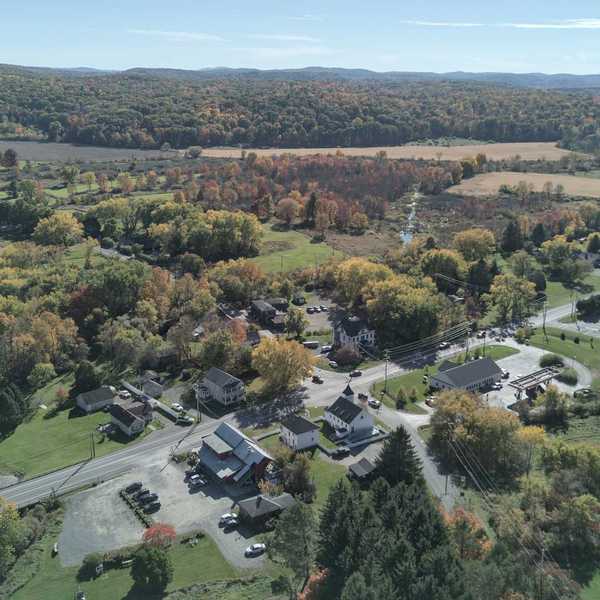
Eric Veden’s latest video about Falls Village starts with an interview with First Selectman Dave Barger, who talks about growing up in Esopus, New York, which was “not unlike Falls Village.”

Barger comes from a long line of police officers, so when he was out of college, he was busy applying to various law enforcement agencies in New York.

He also applied to the Connecticut State Police, and they called first.

In an eventful few days in 1977, Barger graduated from the state police academy, got married, had a one-day honeymoon and reported to Troop B in North Canaan to begin his career.

His sergeant was Peter G. Lawson, who also served as First Selectman and on various town boards. (He died in 2012.)

“He took me under his wing.”

Lawson was ready to retire, and told Barger he thought it would be a good thing if Falls Village had another trooper living in town.

It just so happened that Faye Lawson was starting her career in real estate.

So with one thing and another, the Bargers got a plot on Amy Road.

“And you’re sitting in it,” Barger says to Veden.

Ronna Welsh, a chef who splits her time between Falls Village and Brooklyn, takes a group through a cooking class at the Congregational Church.

She tells the group that rather than starting with a theme or a specific menu, they are going to try a different approach.

“What do I do with what I have?”

Toni Siegel recalls her 19 years at CBS News in New York, where she worked with Walter Cronkite.

She was ready to switch to a teaching career when the phone rang with the news that Bill Play, the CBS News chief, was responding to legal and social pressure to provide more opportunities for women in the new business.

“So I became the first woman in the Director’s Guild.”

Shamu Sadeh and Janna Siller of Adamah Farm (which supplied many of the ingredients used by Welsh in the cooking class) take a group through the composting process, starting with food waste.

And Episode 31 concludes with Frank Hadsell, who figures he has spent 67 of his 70 years in Falls Village.

He recalls playing sports at every chance with the older children, who looked out for him.

“We policed ourselves.”

In those days the Lee H. Kellogg School did not have a gym.

So in basketball season, the boys practiced outside in the parking lot, in winter, with hats and gloves.

“We played all our games on the road.”

The video is available for borrowing or for sale at the David M. Hunt Library. Veden also has a YouTube channel called “Eric Veden.”

Latest News

Millerton wine shop owner organizes charity wine tasting for local child

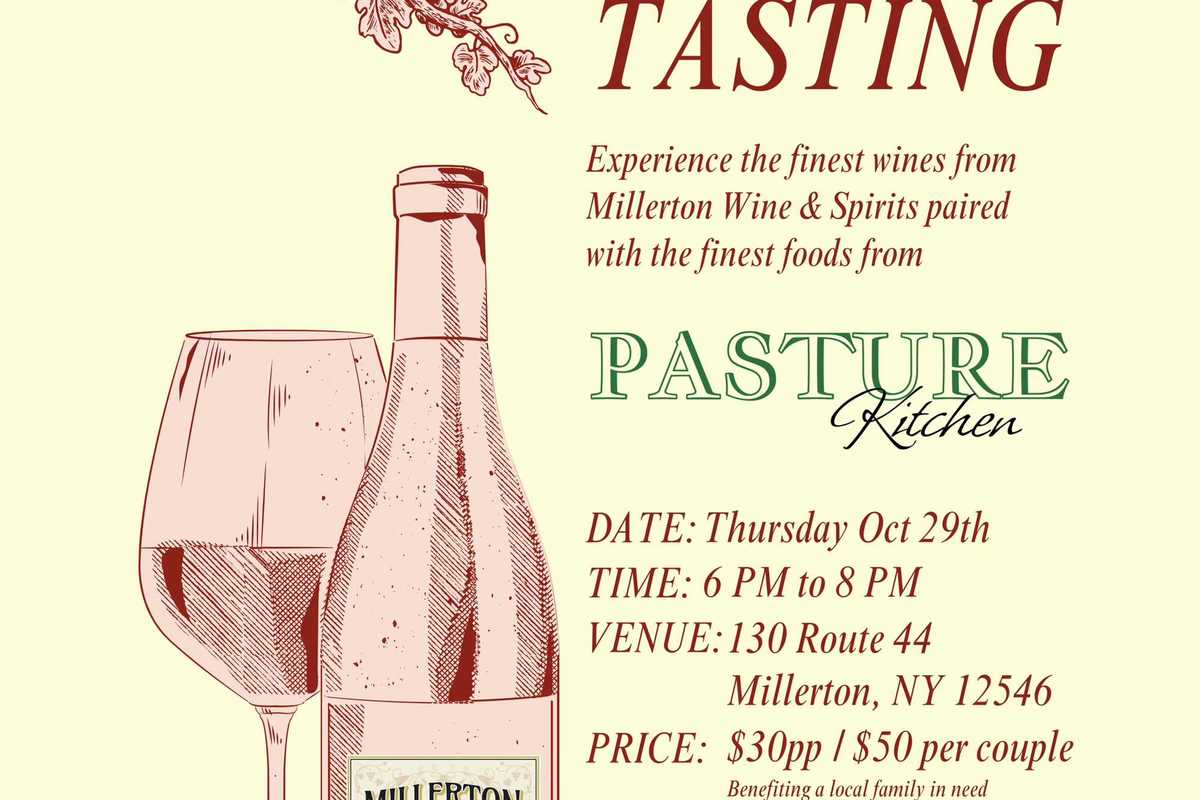
Millerton Wine & Spirits owner Chris Jeans has organized a charity wine tasting to benefit the family of Crew Slater, a Millerton native with congenital kidney disease. The wine tasting is set for Thursday, Oct. 29, from 6 to 8 p.m. at Pasture Kitchen on Route 44 just east of the Village of Millerton.

Illustration provided

MILLERTON — Two local business owners have joined forces to put on a charity wine tasting benefitting Millerton's Slater family.

Crew Slater, a 5-year-old Millerton native, needs a kidney transplant to survive congenital kidney disease. Millerton Wine & Spirits owner Chris Jeans and Pasture Kitchen founder Austin Cornell have organized a charity wine tasting at Pasture Kitchen on Route 44 next Thursday, Oct. 29, from 6 to 8 p.m.

Keep ReadingShow less
Cornwall Historical Society celebrates Connecticut’s Black patriots

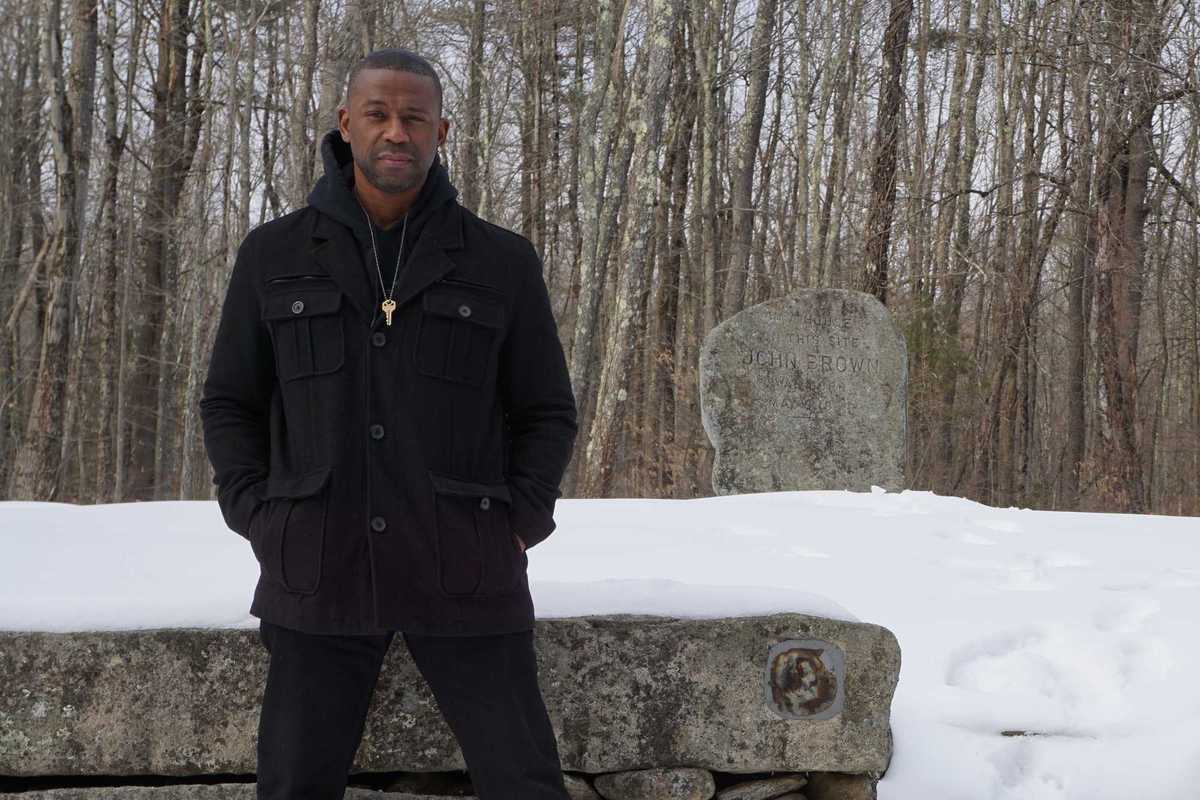
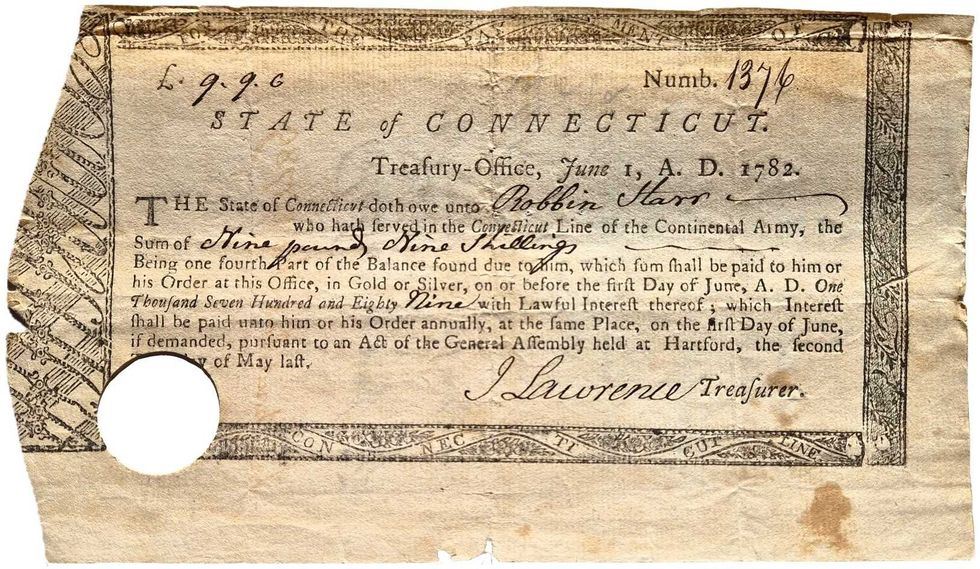
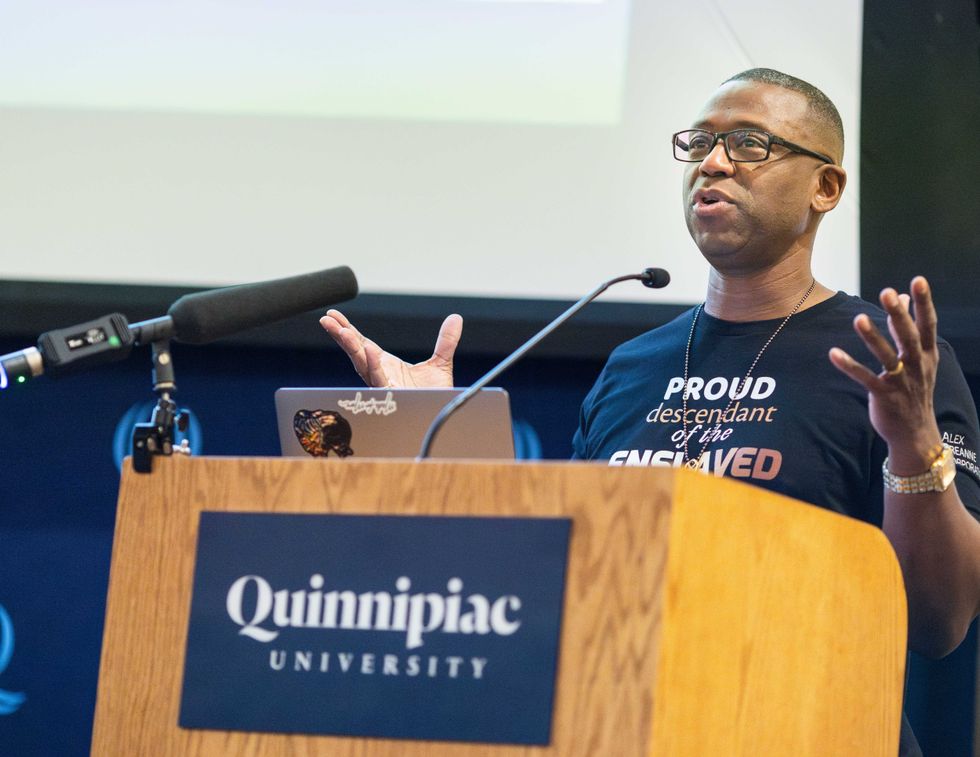
On Saturday, Oct. 24, at the Cornwall Historical Society, author and genealogist John Mills will breathe new life into the stories of some of Connecticut’s more underappreciated patriots. The reason these heroes were forgotten? They were Black.

At a time when white colonists were fighting for their own liberty and political independence, many Black men who fought alongside them remained enslaved. Some risked their lives only to return to bondage. Though enslaved people were promised freedom from both sides of the Revolutionary War in exchange for their service, Great Britain, too, was still deeply dependent on slavery. For Black people in America, the war presented both extraordinary risks and uncertain paths to the freedom that white colonists were demanding for themselves.

Keep ReadingShow less
google preferred source

Want more of our stories on Google? Click here to make us a Preferred Source.

A sanctuary for second chances

A sanctuary for second chances

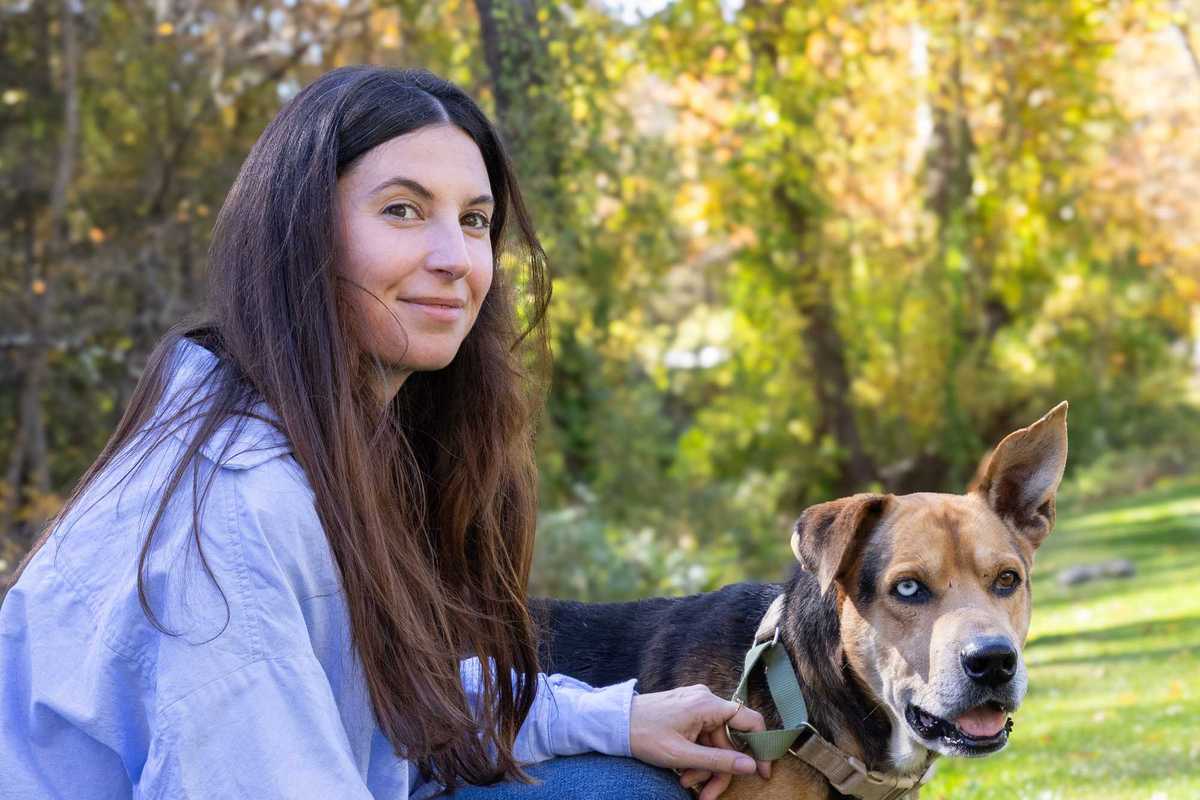
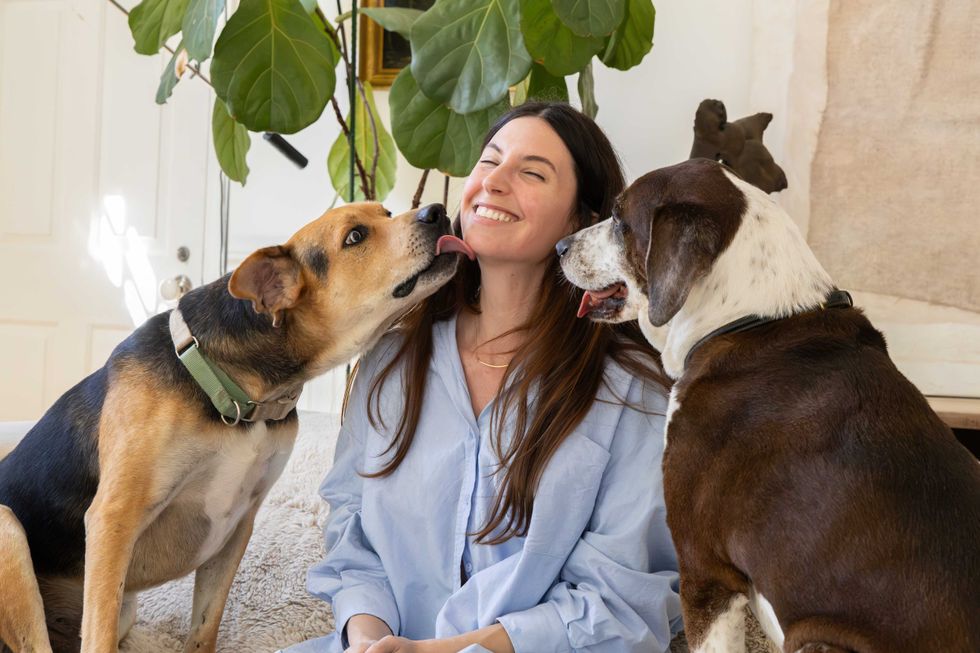
Stephanie Saetta runs Charlie Chicken Bones, a sanctuary in Salisbury.

Madi Long
You only get one or two of these soul connection dogs, so I do this in his honor.
— Stephanie Saetta

Stephanie Saetta has spent much of her life caring for others. A physician at White Plains Hospital, she has another calling at home in Salisbury — one that has four legs and a wagging tail. She runs Charlie Chicken Bone Sanctuary, a nonprofit dog rescue that brings dogs from overcrowded pounds and the streets of Texas to foster homes in northwestern Connecticut, where they can begin again.

The sanctuary is named for Charlie, the dog who taught her how special a bond between a person and rescue animal can be.

Keep ReadingShow less
Big ideas come to Lenox for inaugural field festival

Hunter Runnette, founder and board chair of field, has spent years fostering arts and cultural programming in the Berkshires.

Provided

What do joy, gardening, artificial intelligence, the American experiment and the creative process have in common? Quite a lot, as it turns out, at least when some of the world’s most compelling thinkers get together to talk about them.

From Friday, Oct. 23, through Sunday, Oct. 25, Lenox, Massachusetts, will host the inaugural field festival, a three-day gathering of writers, artists, scholars and cultural figures at Shakespeare & Company. Billed as a festival of ideas, entertainment, learning and discovery, field brings together an impressive roster of voices to explore everything from the deeply personal to the profoundly political.

Keep ReadingShow less
The Pink House AM is serving up community

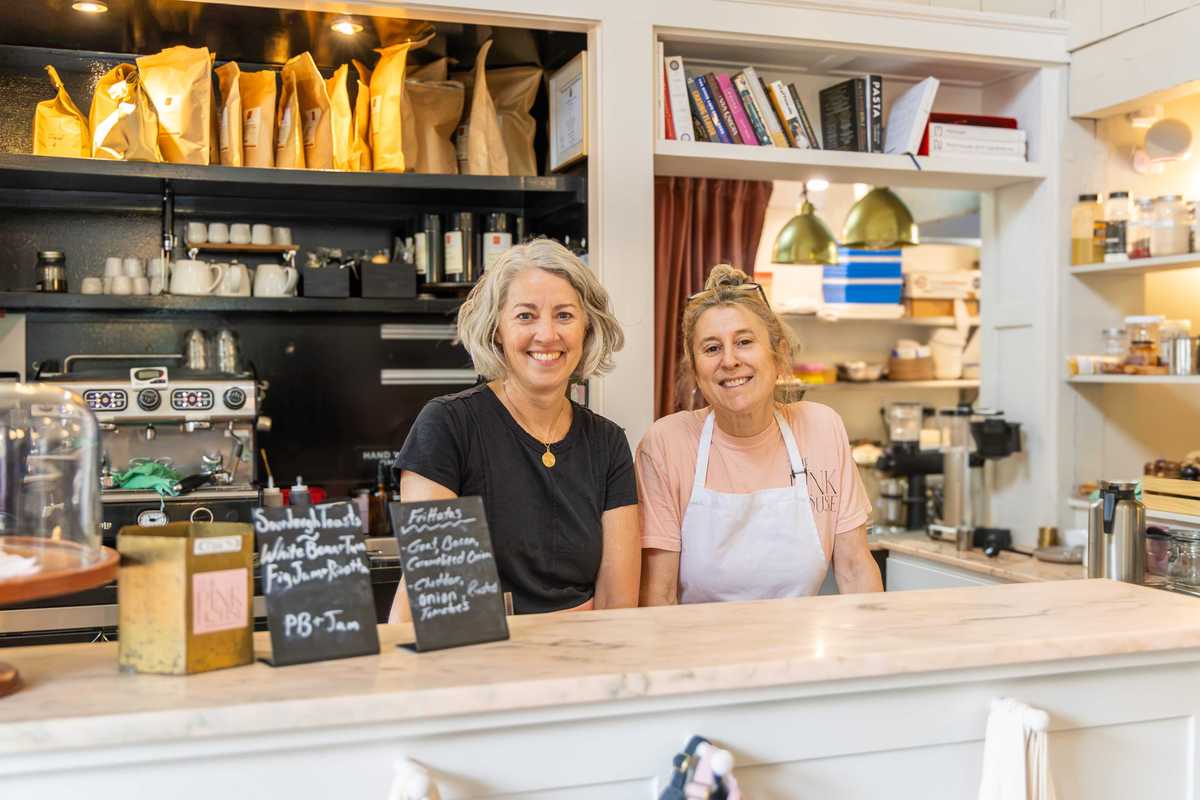
Mare Rubin and Maggie Levine of the Pink House AM.

Madi Long

It all started with a yoga class. Mare Rubin was working on her second act after leaving the Upper West Side, where she’d raised a family and worked in corporate marketing. Newly empty nesters, she and her husband decided to move to the wilds of northwestern Connecticut, where they had spent 15 years as weekenders, to see what life in the woods had in store for them.

Rubin started teaching yoga classes at the Union in West Cornwall, a space designated by the town of Cornwall as a community hub with couches, Wi-Fi, occasional events and a growing yoga class schedule. She was adjusting well but missed one important thing about city life: a casual coffee shop.

Keep ReadingShow less
google preferred source

Want more of our stories on Google? Click here to make us a Preferred Source.

google preferred source

Want more of our stories on Google? Click here to make us a Preferred Source.