Every January, the design world waits with the same anticipation fashion lovers reserve for runway week. Pantone announces its Color of the Year, something it has been doing for more than two decades. Suddenly, our social feeds fill with mood boards, swatches and breathless predictions about what we’ll all be painting our living rooms.
For 2026, the palette designers were buzzing about ranged from Sunlit Citrine (a soft, optimistic yellow), to Quill Blue (a dusty, serene blue-green), to Verdant Drift (an herbal, grounding green). All beautiful. All fresh. And they would photograph beautifully on Instagram.
But around here — where the landscape itself offers a centuries-old palette of neutrals like pine, granite and sky — clients often ask:
“Should I jump on a color trend?”
And the answer?
Maybe… but carefully.
As an interior designer, I see the same pattern every year. A new color lands, and clients begin to wonder whether their red Shaker cabinets or their beloved Hale Navy office suddenly feel “out.” After all, we’re surrounded by inspiration here — from the quiet sophistication of Salisbury’s historic homes to the newly renovated estates near the shores of the Grove.
Trends bring a spark. They keep design exciting. They remind us that a refresh is always possible, even in spaces we’ve lived in for years. There is nothing wrong with loving what’s new.
But there’s a flip side designers talk about quietly — especially when we chat at design centers while flipping through samples.
Here’s the truth: What’s “in” will always go out. Always. Often faster than we expect.
Chasing trends year after year can leave your home feeling disconnected — a collection of quick fixes instead of a story. And in the Northwest Corner where many homes carry histories and families carry traditions, constant reinvention can be exhausting (and expensive).
When everything changes every year, nothing feels settled. Your home should be a sanctuary, not a revolving door of what’s new and next.
New throw pillows are one thing. New furniture? A new backsplash? Those decisions add up quickly — especially as the trend cycle accelerates.
If your choices hinge on what designers say is hot, you risk losing what you actually love. Your home becomes a showroom, not a reflection of the people who live there.
And authenticity is everything. Our homes don’t need to look like every city apartment or every online mood board. They should look like us — rooted in the natural textures, calm silhouettes and lived-in beauty we are surrounded by.
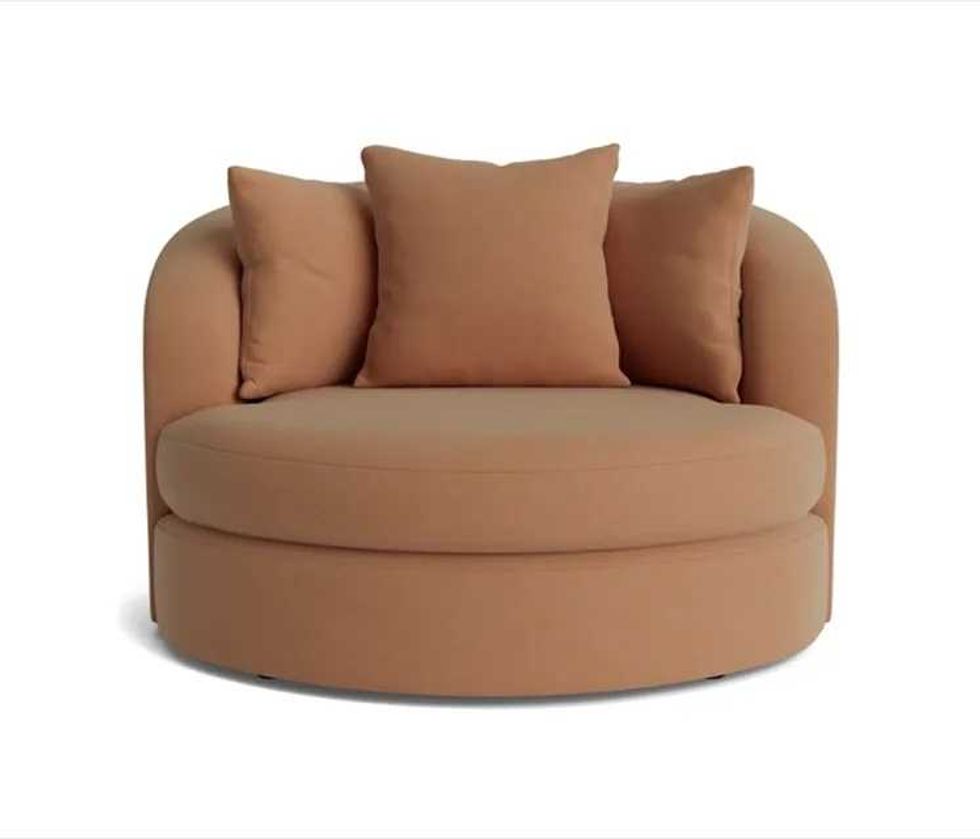 Provided
So… How Do You Stay Current Without Redecorating Every Year? This is where the fun begins.
You can touch on trends without committing to a full remodel. In fact, the most stylish homes blend timeless bones with fresh seasonal energy.
Here’s how:
Your big pieces — sofas, cabinets, rugs, built-ins, lighting — should be neutral, well-made and enduring. Think warm whites, natural woods and the slate blues and greens that mirror our surroundings.
Introduce Pantone-inspired colors through art that can rotate, pillows and throws, small side tables or vases, seasonal florals, even a painted back-of-bookshelf or interior door. These changes give you the hit of “new” without major commitment.
Nature always sets the palette better than Pantone ever could. Mossy greens, stone walls and honey-gold fields — those hues are forever. If a trend aligns with the colors we already see outside our windows, it will never truly feel dated.
If a color or style speaks to you emotionally, it’s less likely to feel temporary. When a trend resonates with your taste, it becomes part of your home’s narrative, not a passing phase.
In the end, trends are fun — a gentle nudge, a fresh lens, a reason to reimagine. But your home anywhere in the Northwest Corner should feel like you every day of the year.
So enjoy the Pantone buzz, pull in a touch of Sunlit Citrine or a whisper of Quill Blue or Cloud Dancer if it calls to you, but let the bones of your home remain beautifully, confidently timeless. Design, after all, isn’t a moment. It’s your best way of living.
Kerri-Lee Mayland is an Emmy award-winning news anchor and designer. She lives in Lakeville.



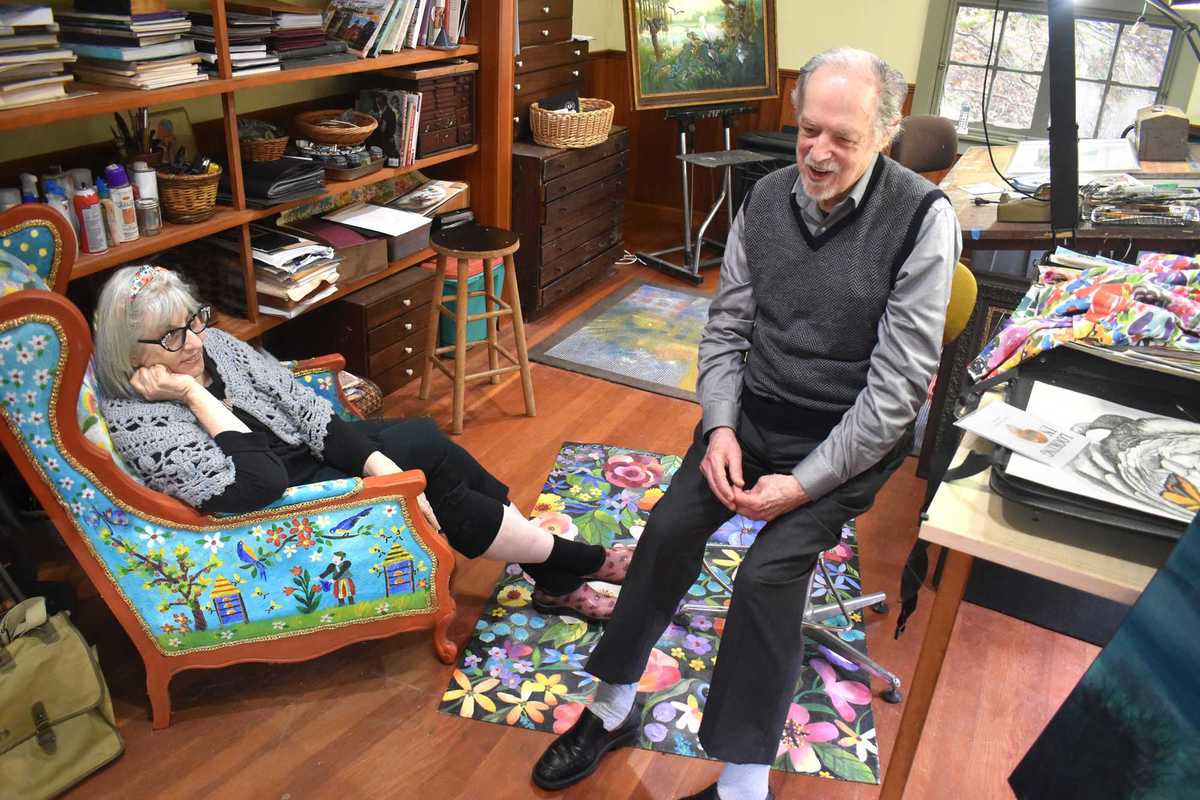
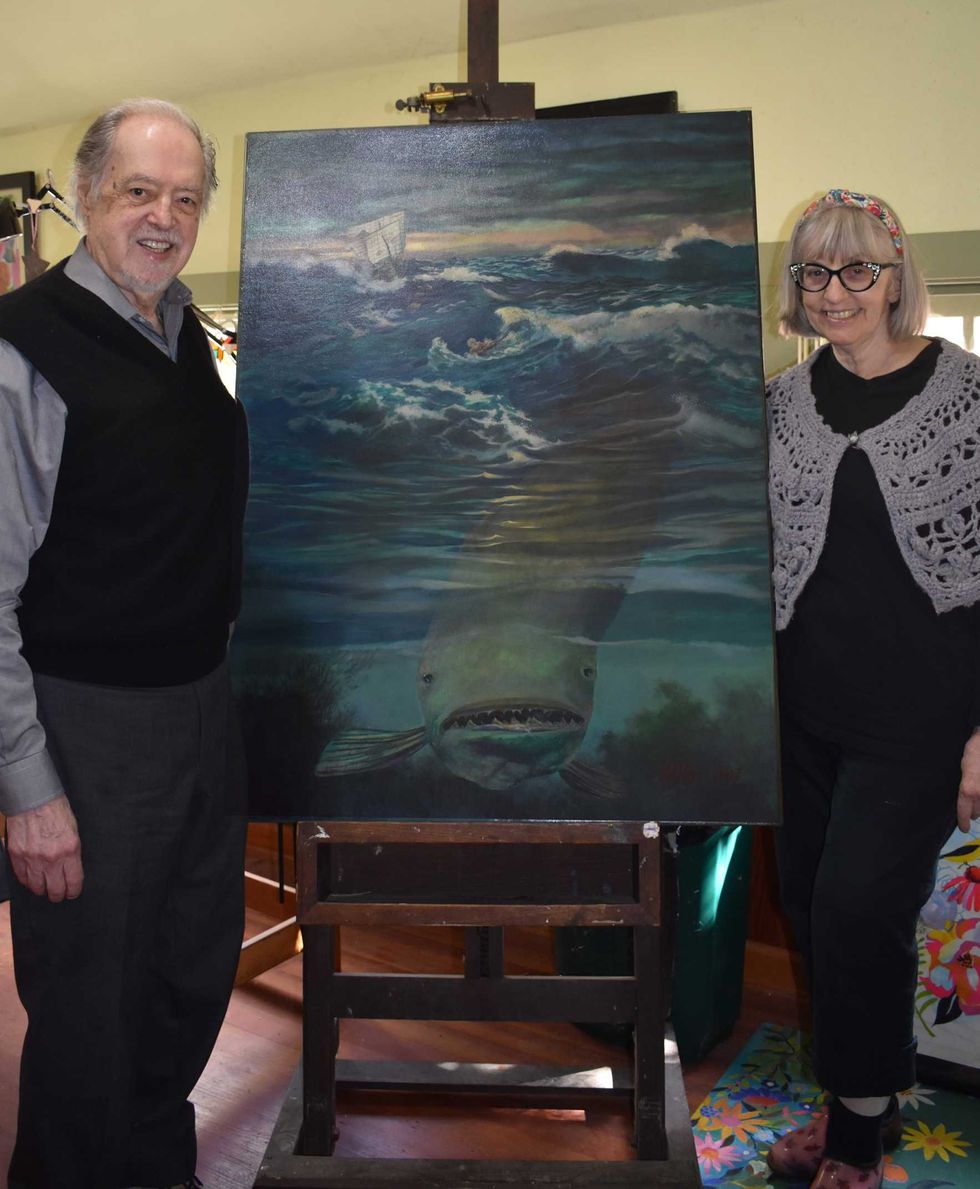 Justine and Victor Valla in their studio with a painting of Victor’s,”Jonah and the Whale.” Robin Roraback