The U.S. Senate unanimously approved a bipartisan bill on Nov. 20 that would allow whole and reduced fat milk back in school cafeterias, which has all but disappeared over the last decade. The disappearance stems from the Healthy, Hunger-Free Kids Act, passed in 2010, which required schools to serve only fat-free or low-fat milk to reduce overall saturated fat intake.
The bill, which now heads to the House, would exclude fluid milk from the saturated-fat calculation, meaning the fat in any school-served milk would no longer count toward the USDA’s saturated-fat limits.
New York Senator Michelle Hinchey, who chairs the New York State Senate Agriculture Committee, called the bill a “critical development” in efforts to strengthen economic stability for New York dairy farmers. She said the change would also bring a nutritious option back to school cafeterias.
“For years, we’ve pressed federal leaders to get this done so students have access to these milk products, and New York dairy farmers can regain a market that’s vital for their businesses and our rural communities,” said Hinchey in a statement released last week. She added, “The science is clear: whole milk is a healthy option for kids and should be allowed in our schools.”
New York is home to nearly 2,800 dairy farms that produce 16.1 billion pounds of milk each year, according to a 2024 report from the New York State Department of Agriculture and Markets. That output accounts for more than 7% of U.S. milk production, ranking New York as the fifth-largest dairy state.
Local farmer reacts
At Ronnybrook Dairy Farm in Ancramdale, co-founder Rick Osofsky – who started the farm with his brother Ron 30 years ago – says the bill only scratches the surface of a “broader issue with a tortured history.”
For him, the debate over whole milk in schools is less about nutritional guidelines and child obesity and more about the easiest way to comply with fat-reduction targets established under the Obama-era Healthy, Hunger-Free Kids Act. “They had to get fats out of the program, so they looked to milk,” Osofsky said, adding that, in his view, the policy change stigmatized full-fat dairy despite its longstanding place in children’s diets.
He believes bringing whole and 2% milk back to cafeterias would be a welcome change. “Kids don’t drink milk anymore because they’ve only been offered skim or reduced-fat options,” Osofsky said. “That’s not real milk.”
He says that the fat in milk is not only important for brain health, but believes “most of the nutrient value in milk is fat-soluble – you need the fat to take advantage of the nutrients.”
If passed, Osofsky said the bill “is going to make a positive difference” for dairy farmers. Still, he remains clear-eyed about the uphill battle dairy farmers face.
Even if the demand for fluid milk rises, Osofsky says farmers are constrained by what he describes as an “archaic” pricing system that was created during the Great Depression, called the Federal Milk Marketing Order system.
“It was an obscure system created by the government during the Depression because, at the time, people believed milk was the ‘most perfect food’ and came up with a system to ensure farmers survived,” said Osofsky.
That structure – which has been largely unchanged in 90 years – prices milk by the way it’s used rather than farm size or production quality and then pools money that is distributed to farmers at an average price called a “blend price,” according to a 2022 Congressional Research Service report on Federal Milk Marketing Orders.
The result has been a steady and significant decline in dairy farms throughout the country. According to a 2024 Congressional Research Service report, the number of U.S. dairy farms has decreased by more than half since the early 2000s, with licensed dairy herds dropping around 65% between 2003 and 2024.
Nevertheless, Osofsky said, “I feel very good about this bill. I don’t necessarily think it will make us wealthier, but it will reintroduce people to milk. That’s the real value.”





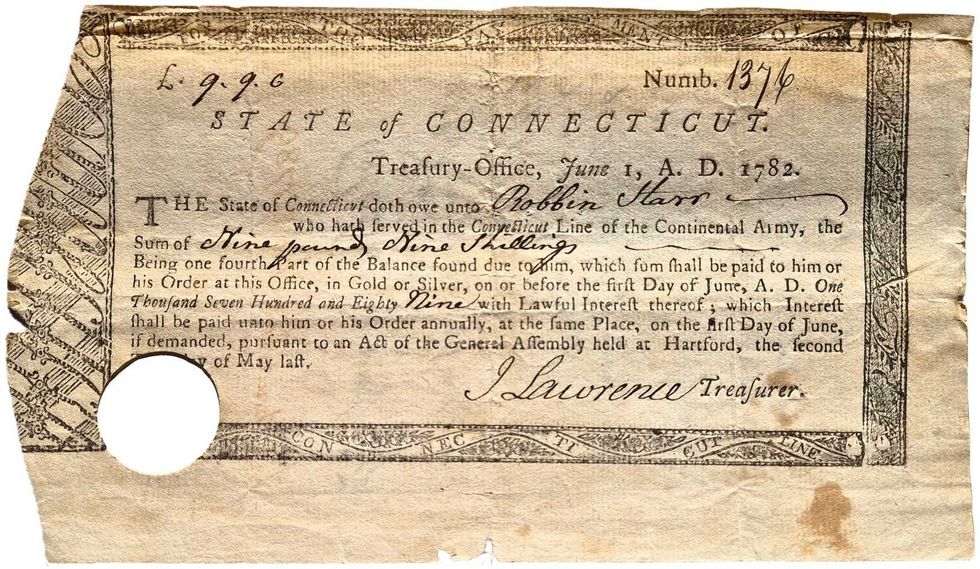 Pay Bill for Robin Starr’s service in the Continental Army.Courtesy the Alex Breanne Corporation
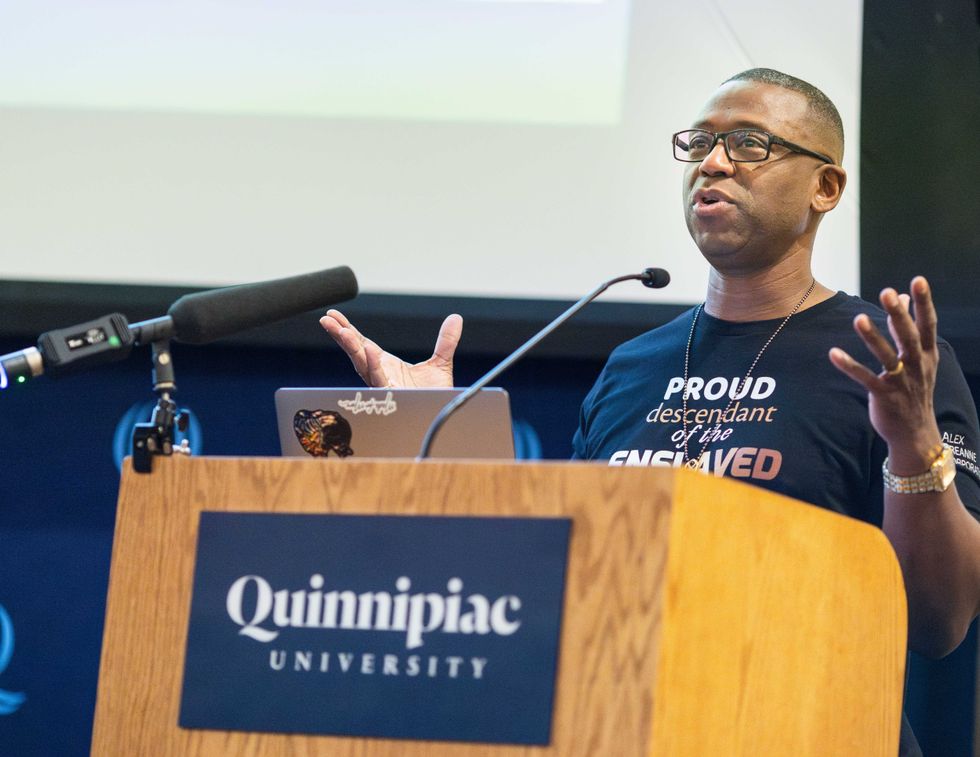 John Mills speaking at Quinnipiac University.Courtesy the Alex Breanne Corporation
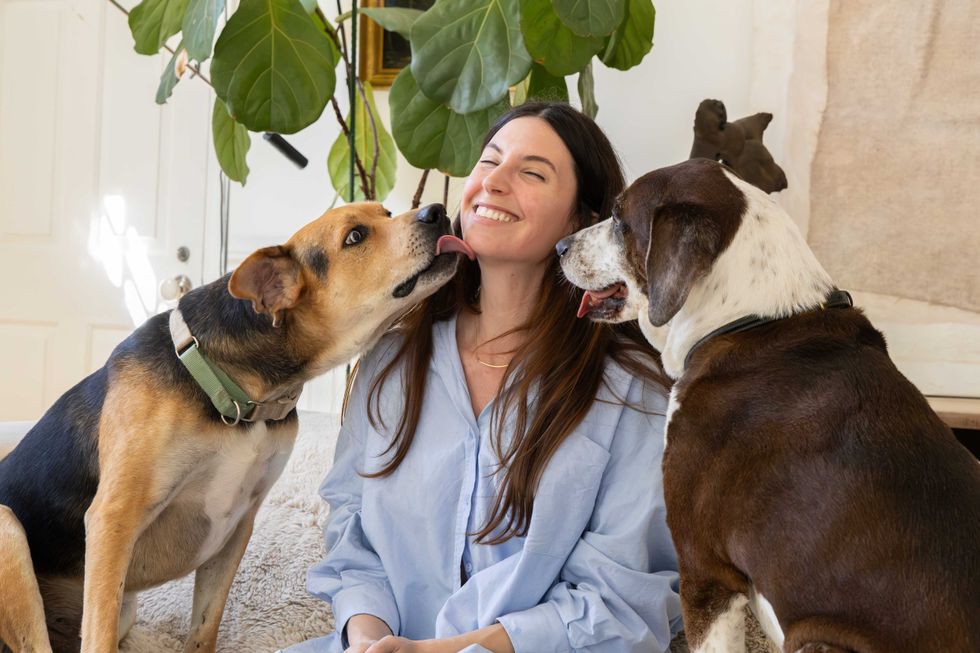 Stephanie Saetta,with her rescue dog George and Blue (left), a shepherd mix awaiting his forever home.Madi Long