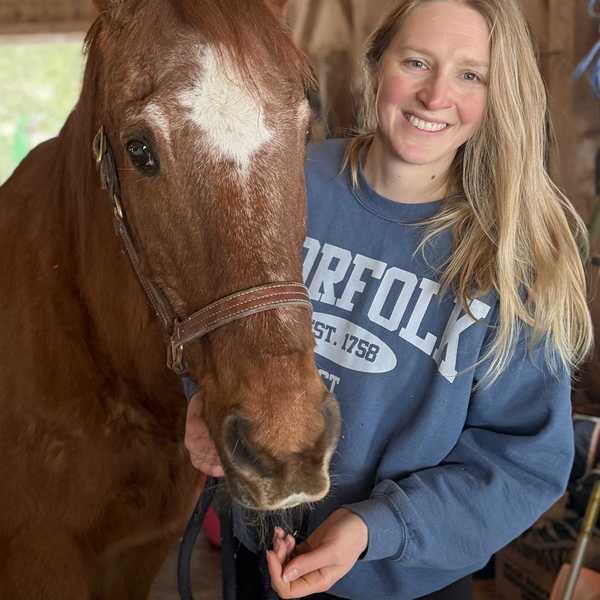
STANFORDVILLE — Pepper, a cattle-dog schnauzer mix, and Earl, a calico cat, tear through Foxtrot Farm’s design studio in Standfordville in an all-out sprint. They seem to have a love-hate routine down pat. After a burst of chaos, Earl disappears behind a box and Pepper curls onto the couch and begins to snore. On this cold January day, farm owner Kate Farrar is just about to begin seeding for the season.
Sitting on just five acres, Foxtrot Farm is a small but mighty regenerative flower farm and floral design studio in Stanfordville, and Farrar is planting seeds — literally and figuratively — for her fifth growing season. While winter is a time of recalibration and reflection, it also marks a pivotal moment when Farrar’s hard work will pay off in the months ahead. There’s something for everyone at Foxtrot.
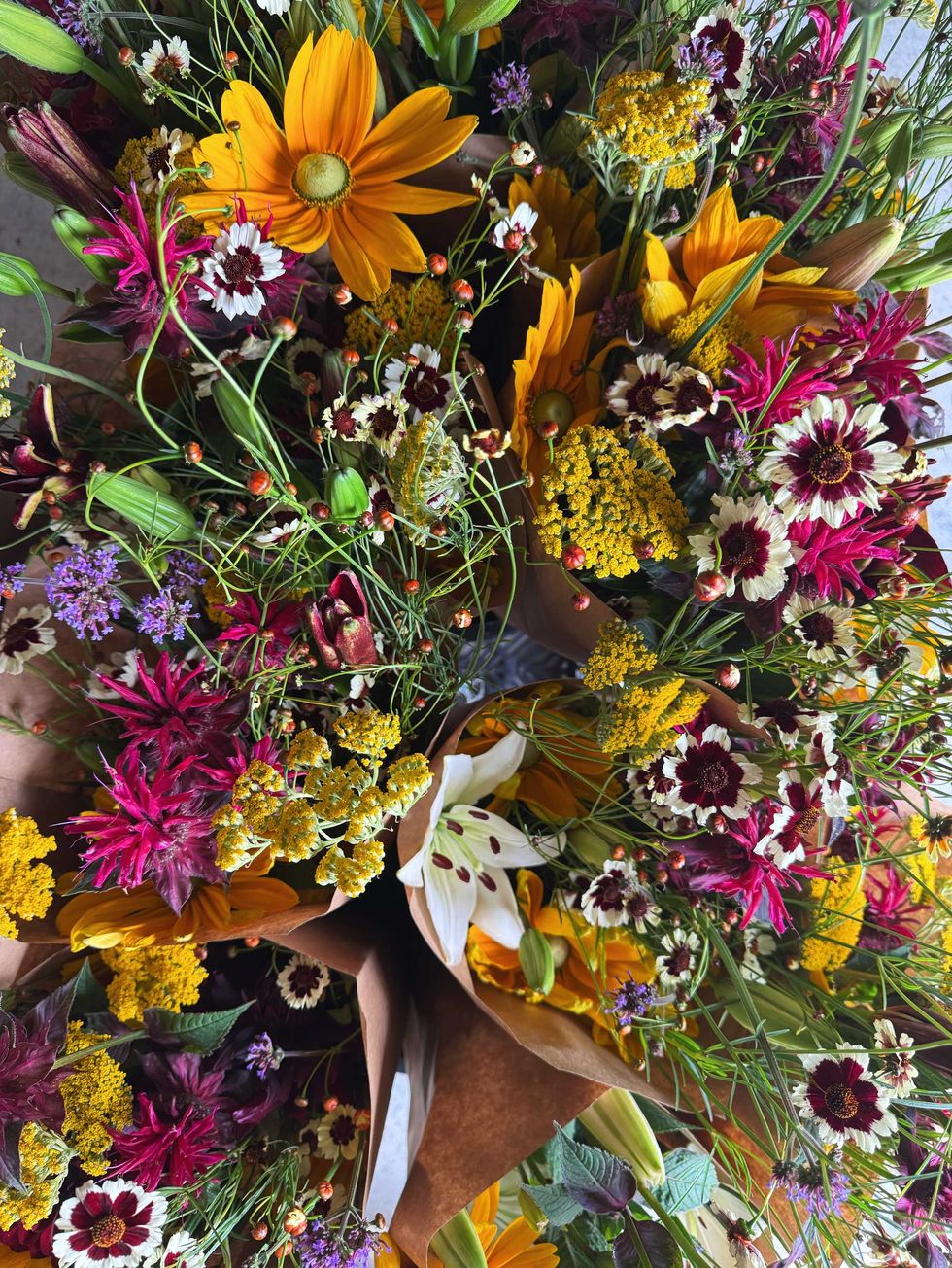
Flowers are the hallmark of the business, with a rotating rainbow of colors each season. You can find species like lisianthus and heirloom chrysanthemums — Farrar’s current favorite — and a range of in-season foliage like vines and fennel fronds that are used to accent bouquets.
“It can change the entire vibe of a bouquet,” she said. In addition to flowers, Farrar grows select fruits and vegetables, like raspberries and kale. Each year, she adds more native plants to support her regenerative, pesticide-free farming model. Because she doesn’t use chemicals, Farrar relies on the robust ecosystem of insects, birds, and native predators attracted by those plantings.
While soil health is the foundation of her regenerative model, she said creating a diverse ecosystem is just as important. “I think regenerative farming is not only amending the soil for your crops, but improving the quality of the soil,” Farrar said. “And beyond that, it’s about creating an ecosystem where things can thrive.”
Each season, Foxtrot offers its products through several business models. Flowers are available wholesale to florists and other businesses, arrangements are available for weddings and special events, and a pick-your-own membership is available for local residents.
Farrar also offers a community-supported agriculture program — commonly known as a CSA — for customers seeking a steady supply of locally grown blooms. Participants can pay through a seasonal lump sum, in installments, or on a sliding scale.
Farrar spent a decade farming for other people throughout the Hudson Valley before she decided to take the next step in her career. She didn’t want to do it without land security, so when an opportunity arose to purchase land in Stanfordville with a friend, she felt that the timing was right.
The 2021 season focused on cover-cropping and infrastructure, while 2022 marked her first production year.
A science and art
Farrar said she initially focused on flowers because they offered the highest return per square foot, but she stayed with them because she loves them.
While the farm is her livelihood, she views Foxtrot as not just a business and a science, but an art. “I get to be playful with the work, and it’s a straightforward way to tie art into agriculture,” Farrar said, reflecting on her dual English and photography major at a liberal arts college.
Her senior thesis involved photographing people in agriculture. “I hadn’t gotten my hands dirty yet, but I was already drawn to it,” Farrar said.
 By Aly Morrissey
From grief to growth
Farrar’s mother died when she was a senior in college, and she found herself navigating intense grief at a pivotal moment in her young adult life.
A friend brought her to a farm to get her connected with the land and, for Farrar, it was a light-bulb moment. “It reminded me that there was a spaciousness beyond deadlines and tests,” she said. Farrar described that experience as cathartic. “That was the moment I realized I didn’t just want to observe the land through photography, I wanted to work with it.”
Today, as Foxtrot enters a new growing season, Farrar is excited to be expanding. After operating largely as a one-woman farm with some part-time seasonal help, she is looking forward to hiring a full-time employee for the fifth growing season.
Winter craft event on Jan. 18
Foxtrot Farm will host a winter craft event on Sunday, Jan. 18, from 11 a.m. to 1 p.m. at Vitsky Bakery in Wassaic. Farrar said she chose to host the crafting event as a way to stay relevant and connected with the community during the winter months. “Collaging is a low-pressure activity, and it gets you out of ‘productivity brain’ and into something more meditative,” she said. Attendees will be able to enjoy conversation and add some color to the cold, winter months through the floral dreamscape collaging event. Farrar will also share more information about Foxtrot’s CSA. The event is free and open to the public.



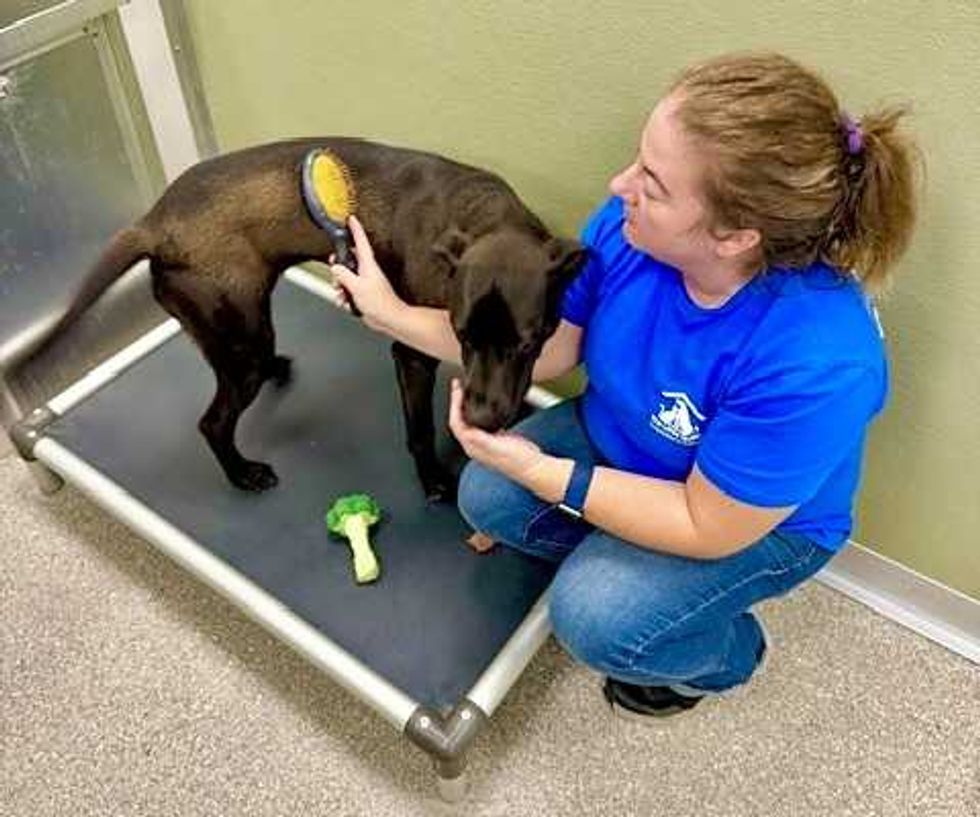 Tiffany Lemelin, shelter manager, brushing Marsala upon arrival.Provided
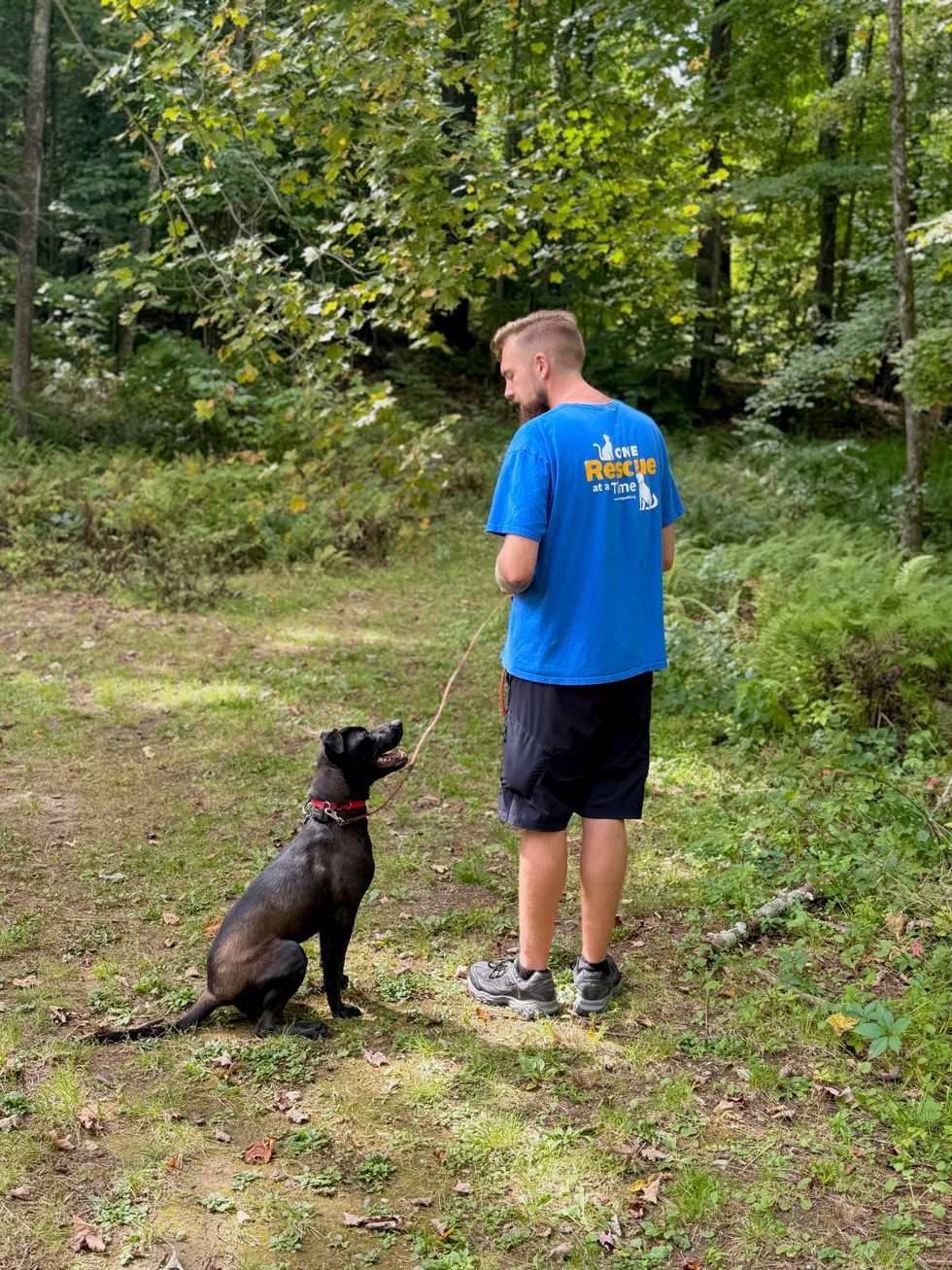 Michael DeBarba, certified dog trainer working with Marsala.Jennifer Almquist
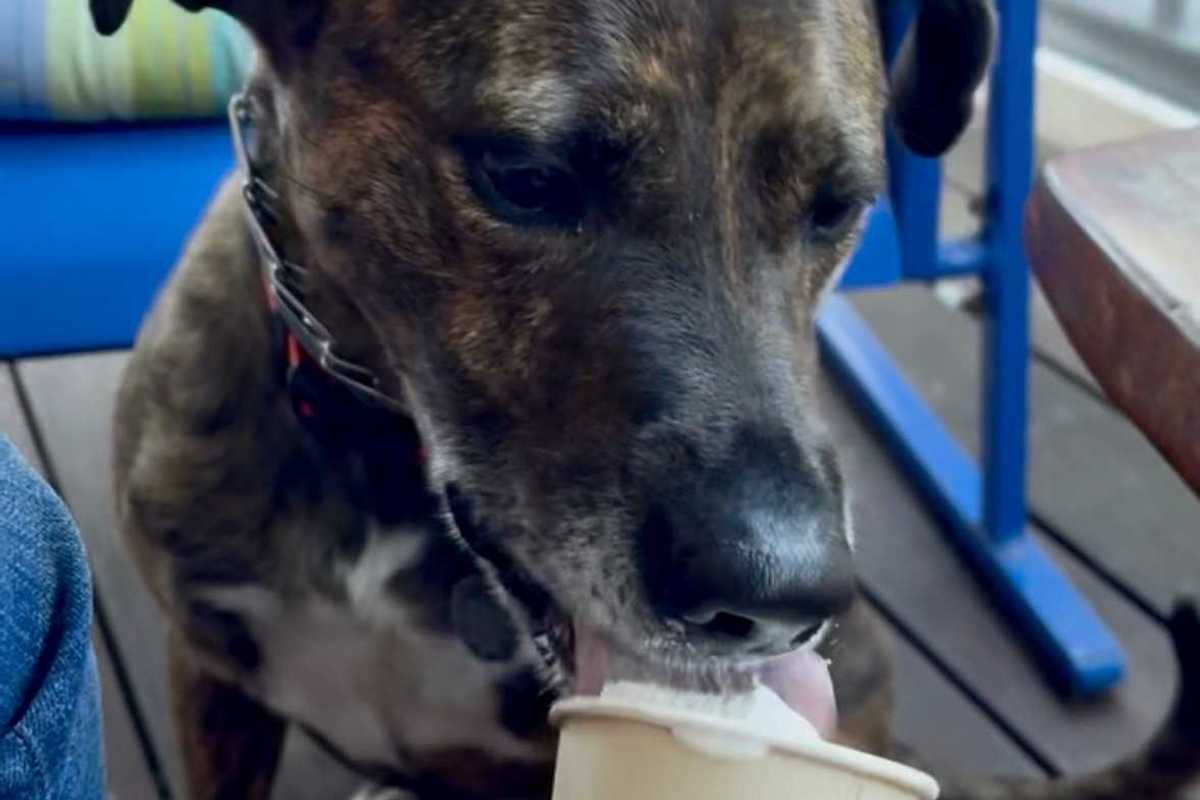
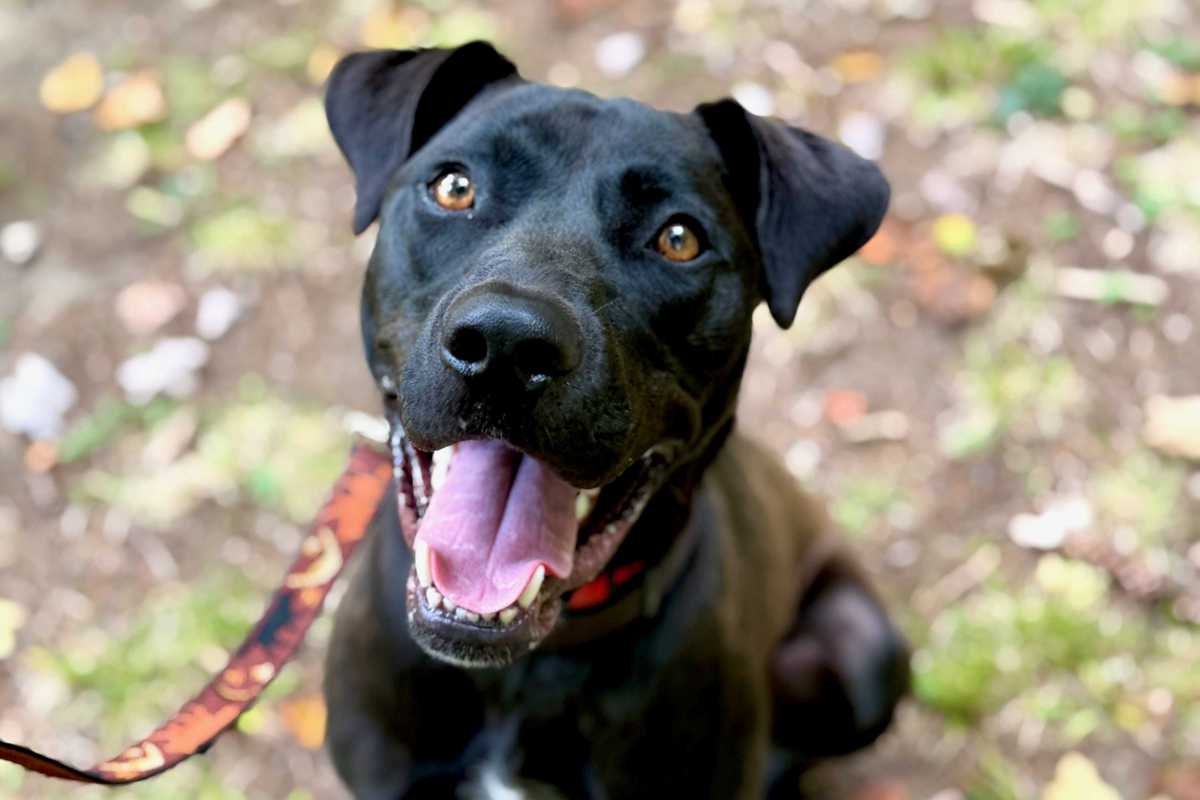
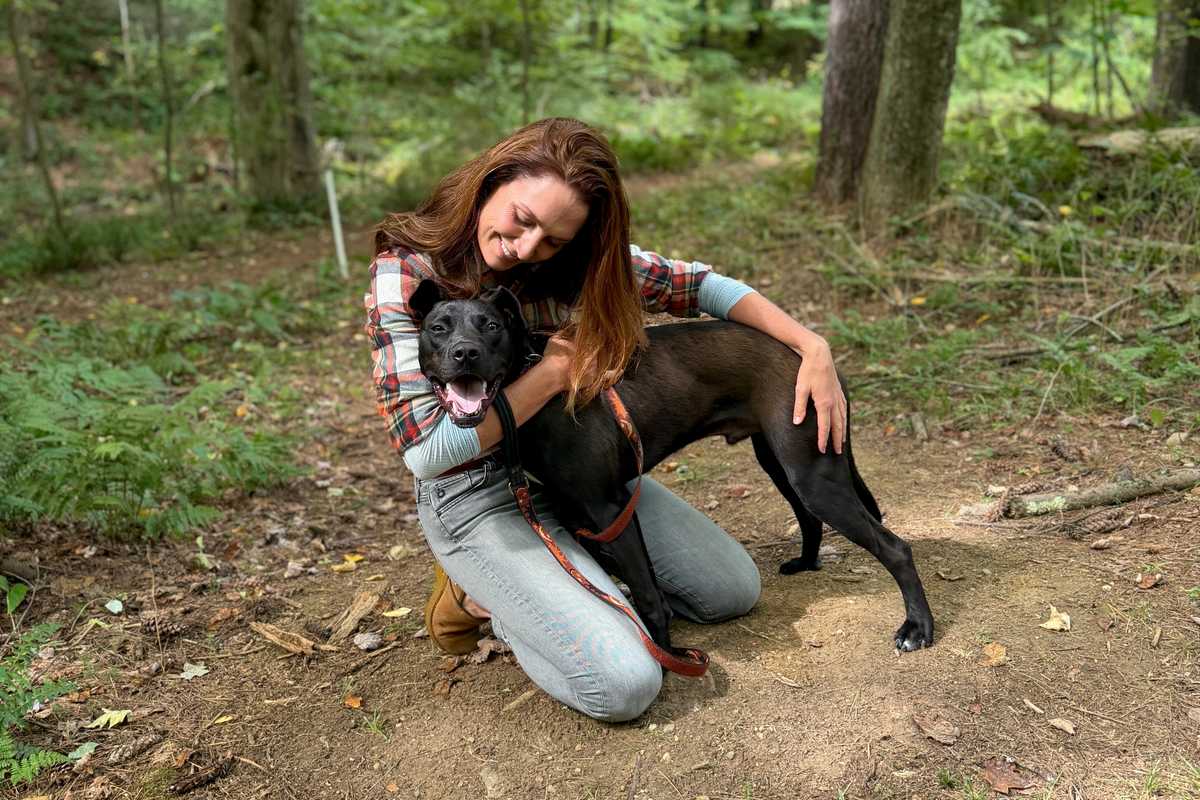 Marsala wins a heart.Jennifer Almquist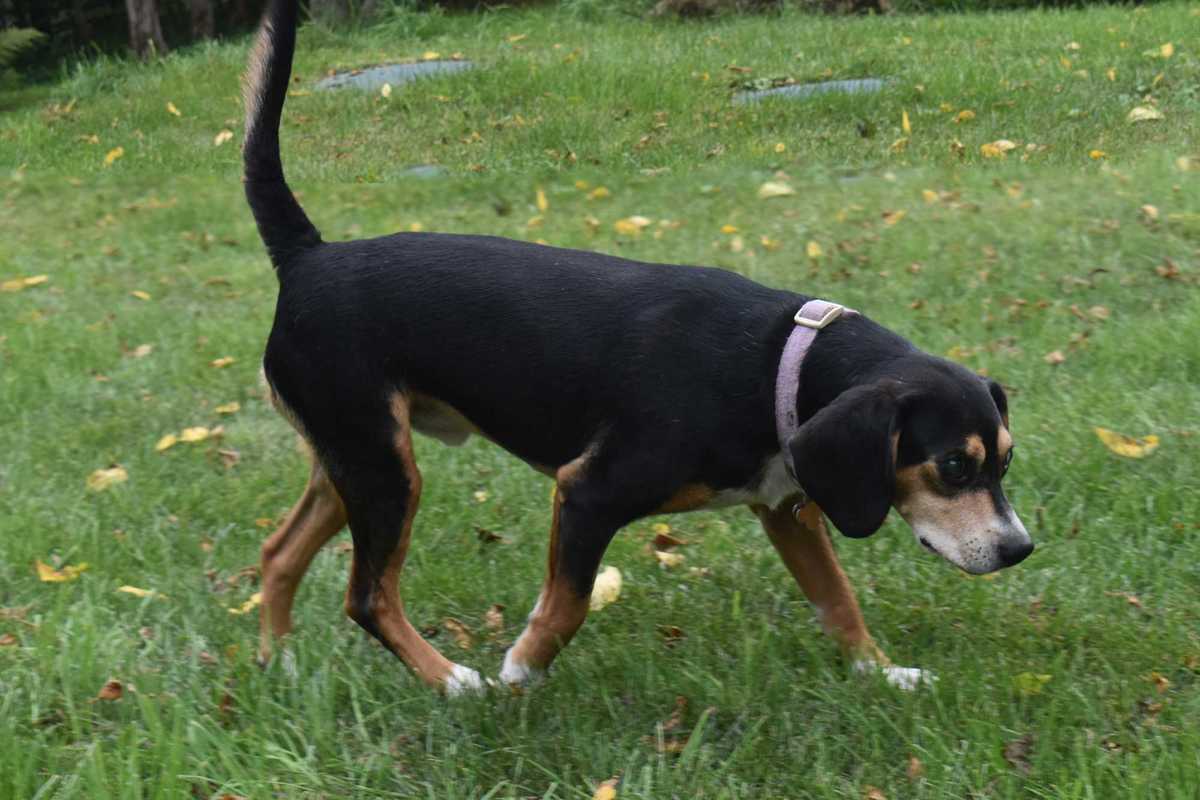
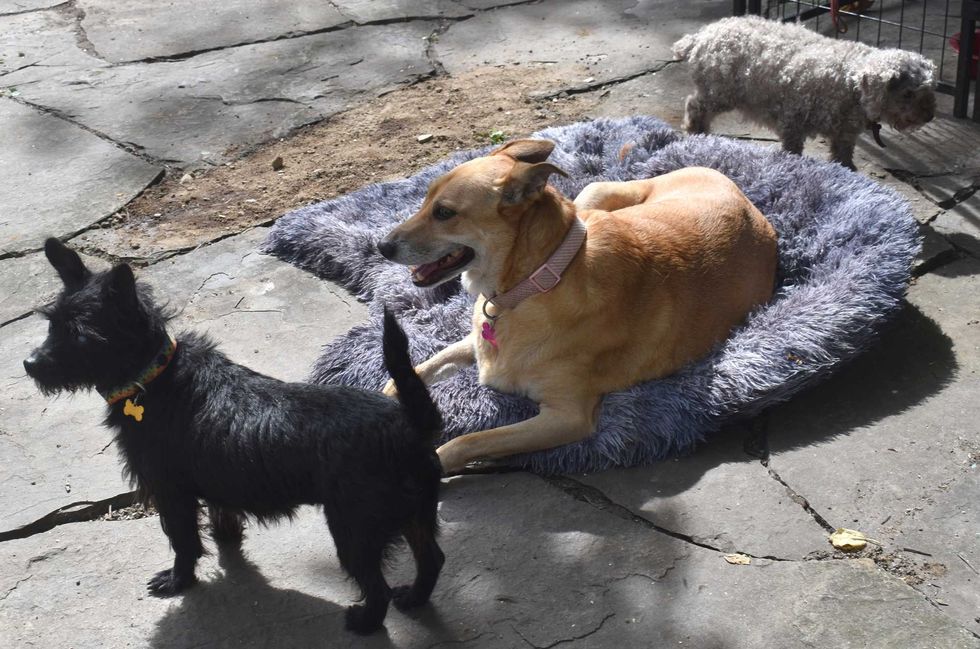 Sadie, center, a Carolina dog, plays with her friend Negra, a terrier mix. Bella Linda, the small poodle, has since been adopted.L. Tomaino
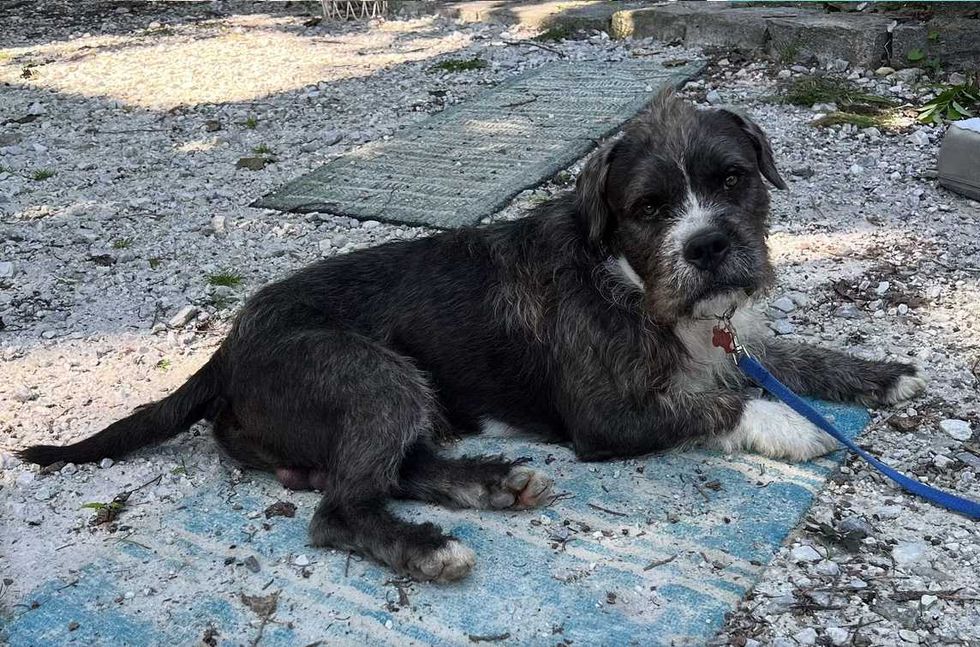 Wesley, a young, exuberant mix, is looking for an active home.L. Tomaino
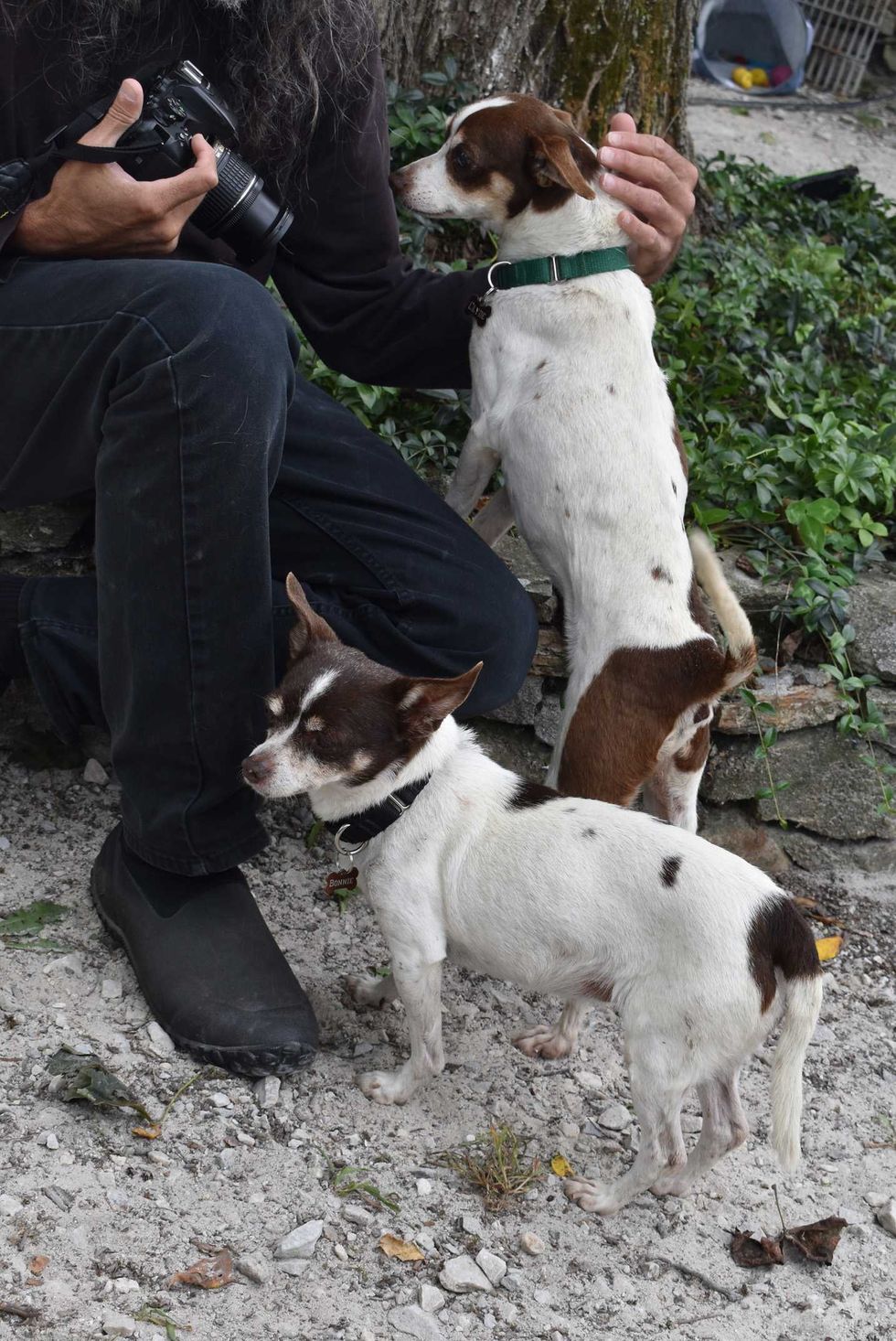 Bonnie and Clyde, an affectionate terrier pair.L. Tomaino