MILLERTON — Farming has been in Erich McEnroe’s family for generations, dating back to a time when his great-grandfather could buy and sell land at the local tavern. Though Erich never met him, he and his four brothers grew up on stories of his grit, like how he got his start hauling iron ore with horses and carts and later bought farmland for his three sons.
The McEnroe family began dairy farming in 1953 — a chapter Erich still looks back on fondly — which lasted four decades until they transitioned to cattle and organic farming. Today, McEnroe’s is certified with the Northeast Organic Farming Association (NOFA) in the state of New York, which requires the farm to comply with stringent federal standards related to soil quality and the humane treatment of animals, to name a few. With more than 1,200 acres of fields, pastures and greenhouses, McEnroe’s is one of the state’s oldest and most diverse certified organic farms and, today, produces premium soil and compost blends, as well as produce and livestock.
Despite a difficult period marked by the passing of Erich’s father, Ray, and the closing of the farm market on Route 44 near Coleman Station Road, McEnroe’s is poised to enter a new era, bolstered by a renewed sense of optimism and a recent $335,000 grant awarded by the New York Business Food Waste Mitigation Program. The grant will fund a new screener, a sifting machine that separates plastic, metals or other objects from organic matter. Erich said the machine will enhance composting operations and allow the farm to take in more food waste from across the region.
“It was definitely a year of change,” Erich said. “But I’m optimistic. Sometimes when you think something is bad at the moment, you take a step back and realize it might be the best thing.”
A childhood shaped by dairy farming
Erich grew up as a dairy farmer. His earliest responsibilities were feeding calves, hauling milk pails up the hill after school and traveling to fairs to show Holsteins with his father.
“Dairy farming is the most addictive thing when you’re in it,” Erich said. “You have to milk the cows twice a day and you’re always trying to progress on your genetics and production and facility. It’s really intense work — seven days a week.”
When his father decided to sell the cows in 1994, it was heartbreaking for the boys, but ultimately transformative. “We were in tears, but my dad said, ‘Someday you’ll thank me.’ And I do,” Erich reflected.
Pioneers in composting
Today, McEnroe’s Organic Farm has a DEC permit allowing it to recycle up to 55,000 cubic yards of organic material each year, including 15,000 yards of food waste. But getting there wasn’t easy.
“In the ‘90s, we were often in the Millerton News headlines,” Erich said with a laugh. “There was a group of neighbors who didn’t want to see the compost put in.” He said concerns ranged from fears of a smell to truck traffic.
Over time, as the environmental and agricultural benefits became clear, attitudes toward composting shifted. “This is now a highly important regional site from an environmental aspect,” Erich said.
The farm accepts food scraps from transfer stations in Queens and Brooklyn, along with leaves from Westchester County, horse bedding, and manure from its own livestock. Local residents can also donate their personal food waste. The farm receives an estimated 50 to 70 tons of food waste each week.
Those scraps are composted and blended into potting and field mixes using “recipes that haven’t changed much in 40 years,” Erich said. The technology, however, has.
In 2015, McEnroe’s switched to a covered windrow system that allowed the farm to go “more vertical” with compost piles. Sheets cover the long rows of composting matter, providing structure to the piles that allow for taller stacking.
The latest upgrade, funded partly by the state grant, is a German-built screener Erich calls “a game changer.” It uses vacuums to remove plastic such as produce stickers and features magnets to pull out metal.
The farm currently produces around 8,000 yards of compost annually but is permitted for nearly double that. “The more product we can screen, the more we can bring in, which is good for everyone,” Erich said.
A working classroom for organic practices
McEnroe’s also functions as a working classroom. An educational arm of the business was created in 2007 to inspire the next generation of organic farmers and inform the public. It includes an apprenticeship program, offering annual placements in vegetables, livestock and compost.
Olivia Skeen, who oversees the farm’s educational programs, said apprentices are exposed to all areas of farm operations. “All of our practices are integral and related — manure from the livestock comes up to compost and becomes soil. Any waste from vegetables goes into the soil. And the soil goes back into vegetables and into the livestock crops.”
Over the years, the program has drawn close to 100 apprentices from across the country and beyond. The farm also hosts frequent tours, from elementary school groups to Cornell University’s waste management program, which is partnering with McEnroe’s on several studies, including peat moss alternatives and greenhouse production.
Looking ahead
Despite the closure of the farm market, both Erich and Skeen emphasized that McEnroe’s remains very much in operation. “We’re looking to get the market open again,” Erich said. “Compost and cattle and our land base are our big driving forces.”
For Erich, there’s no real separation between work and life.
“I don’t know what life is without the farm, really,” he said. “It’s seven days a week and it’s just … it’s not even work. It’s life.”




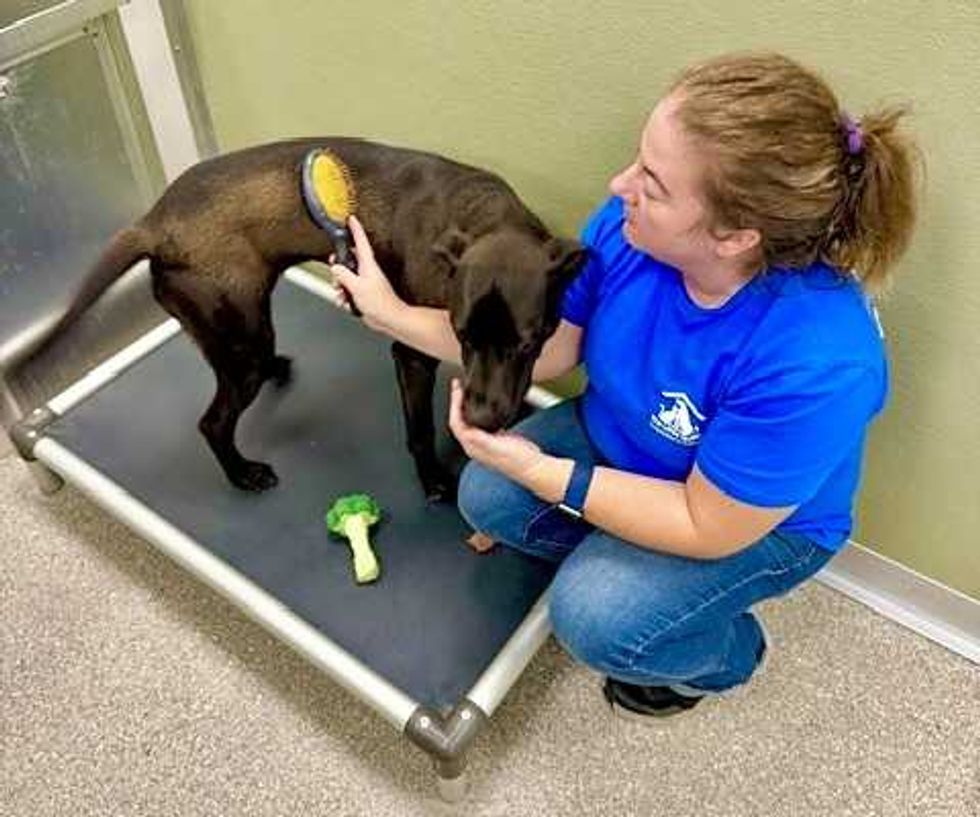 Tiffany Lemelin, shelter manager, brushing Marsala upon arrival.Provided
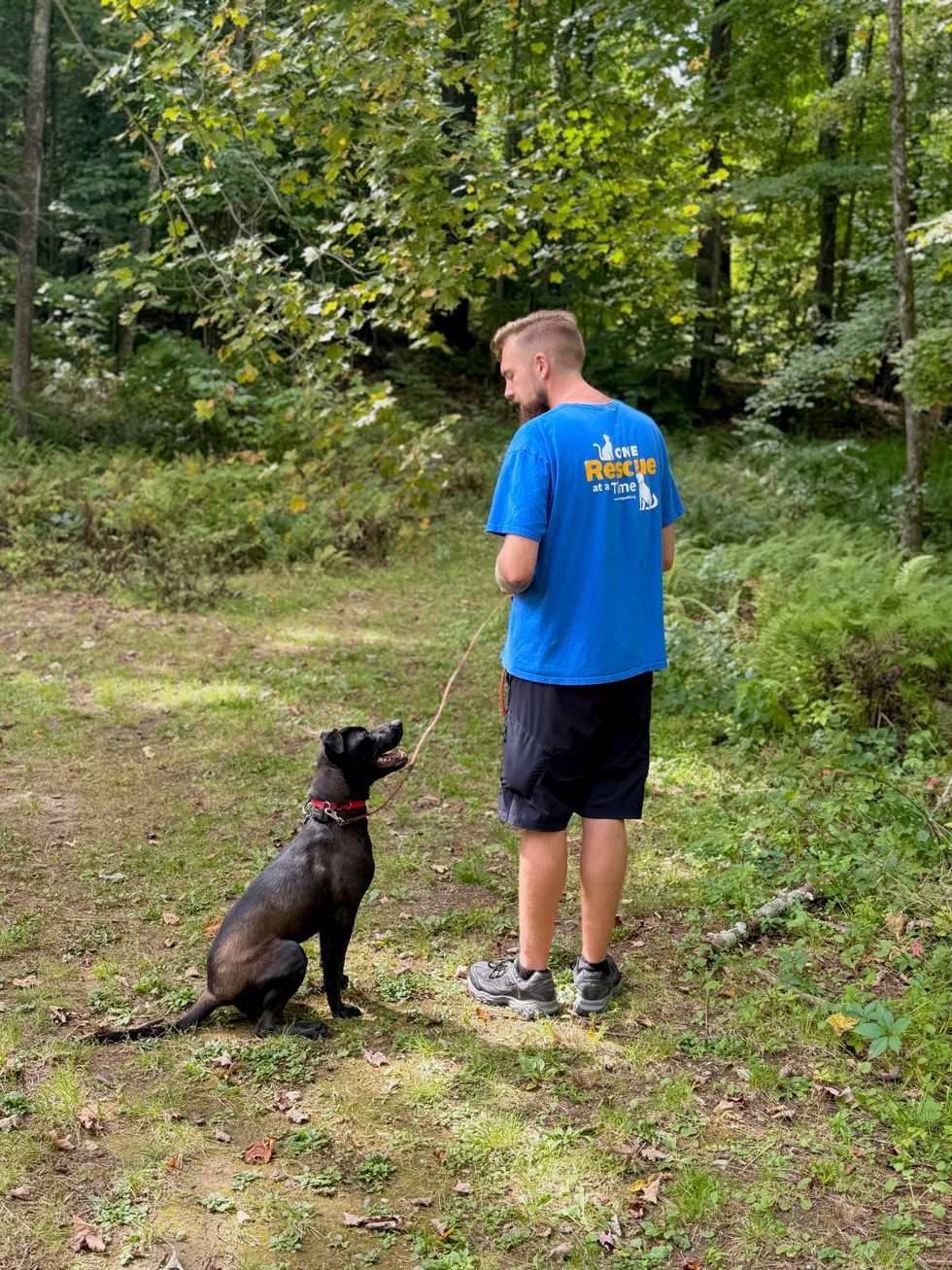 Michael DeBarba, certified dog trainer working with Marsala.Jennifer Almquist
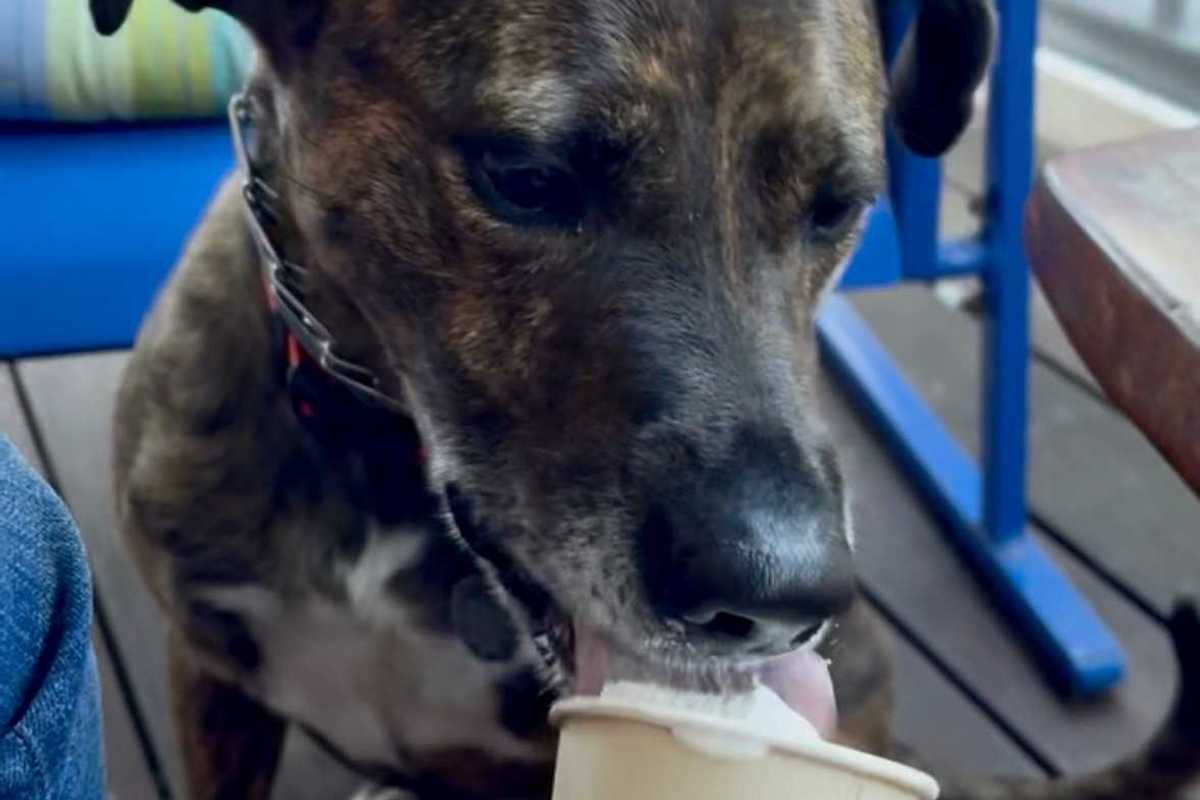
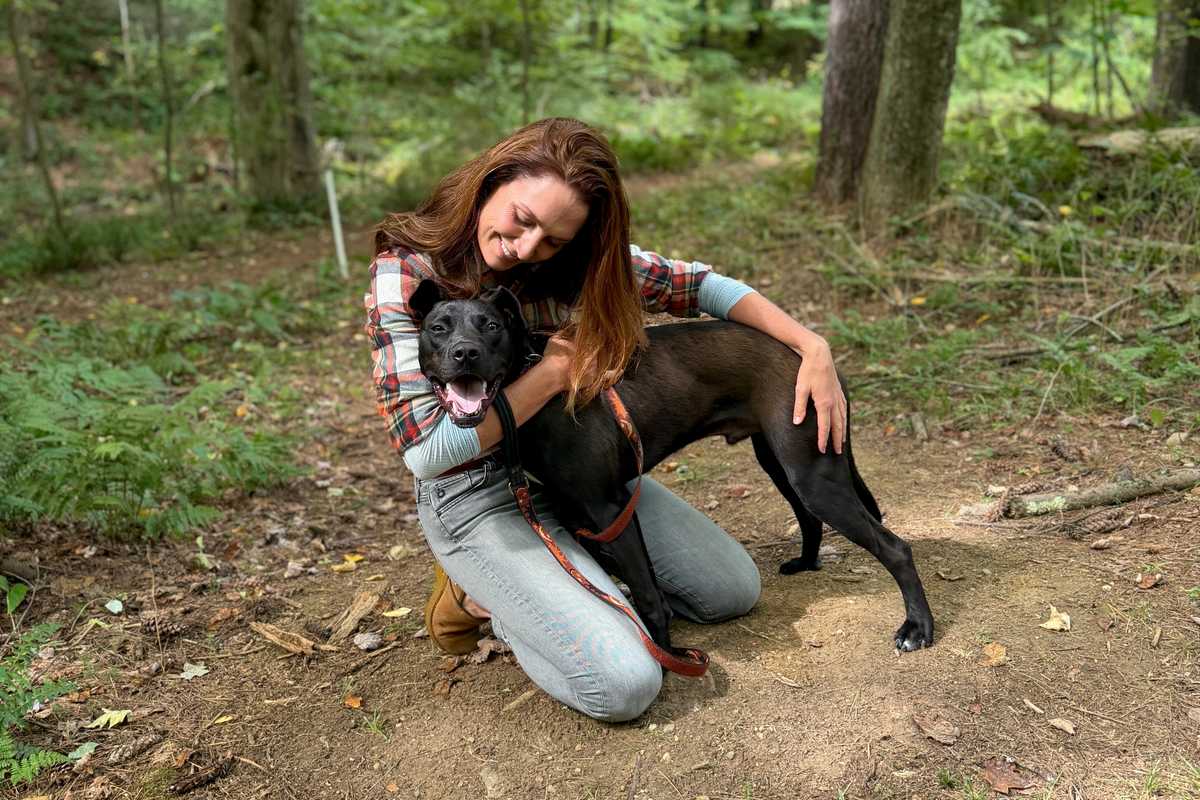 Marsala wins a heart.Jennifer Almquist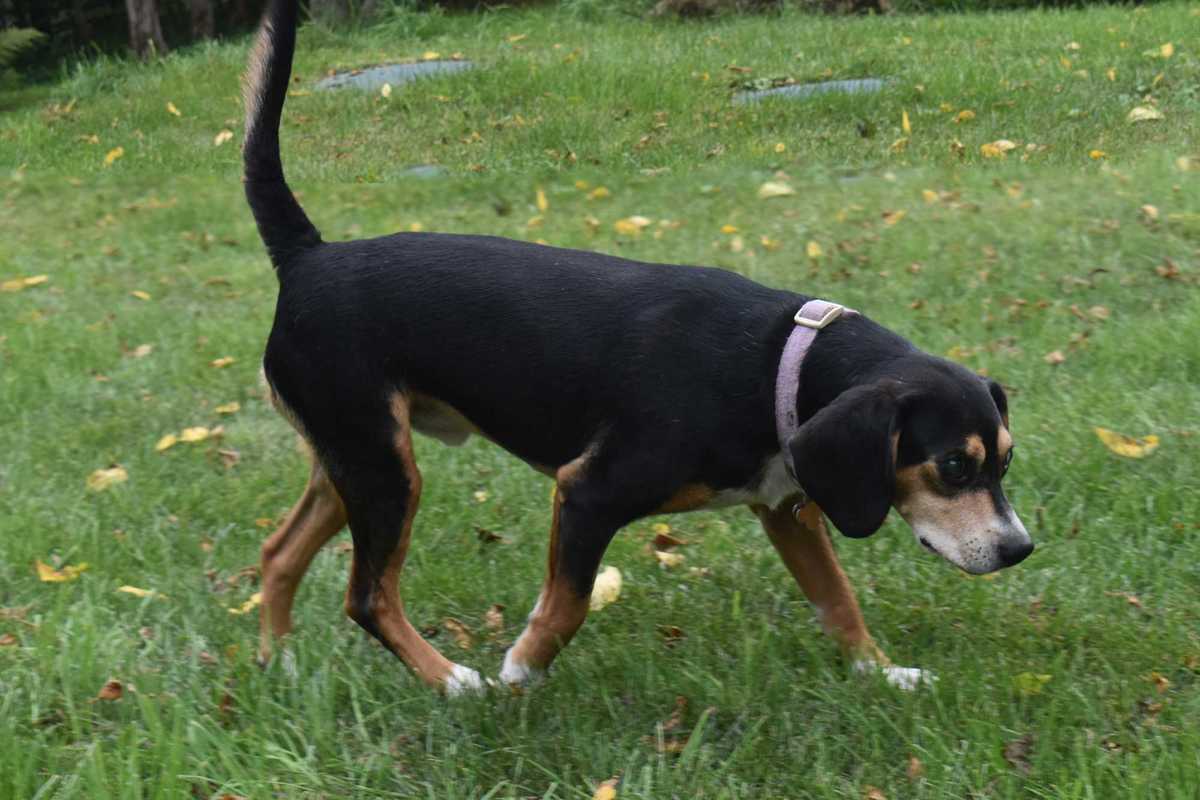
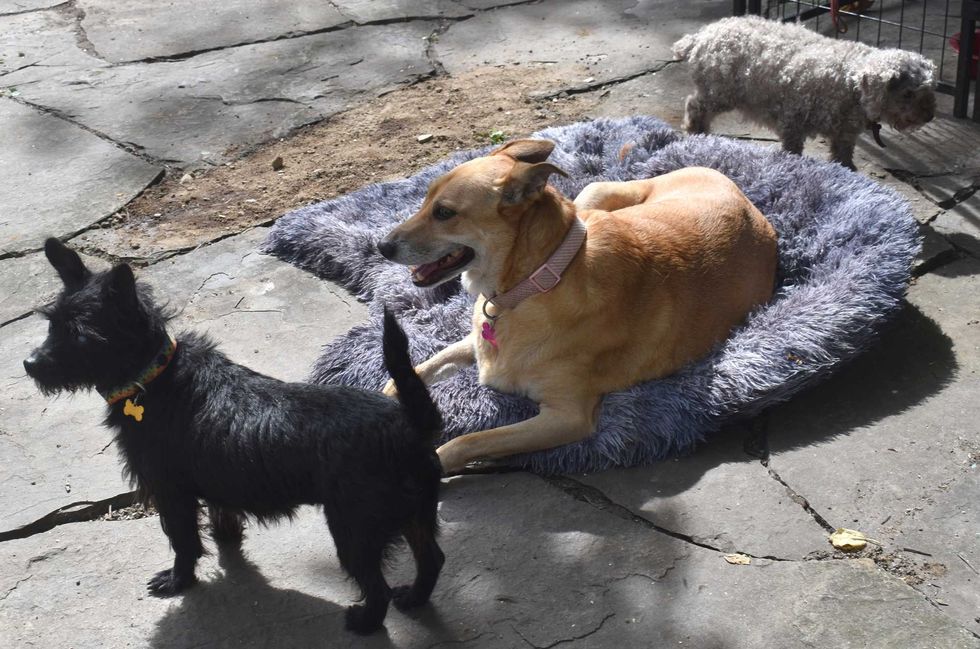 Sadie, center, a Carolina dog, plays with her friend Negra, a terrier mix. Bella Linda, the small poodle, has since been adopted.L. Tomaino
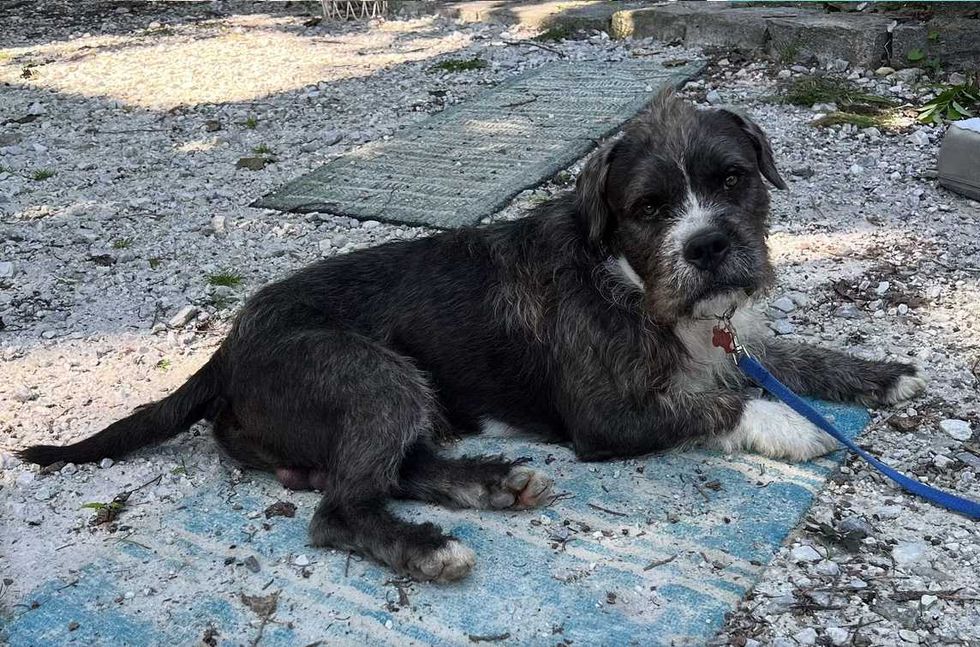 Wesley, a young, exuberant mix, is looking for an active home.L. Tomaino
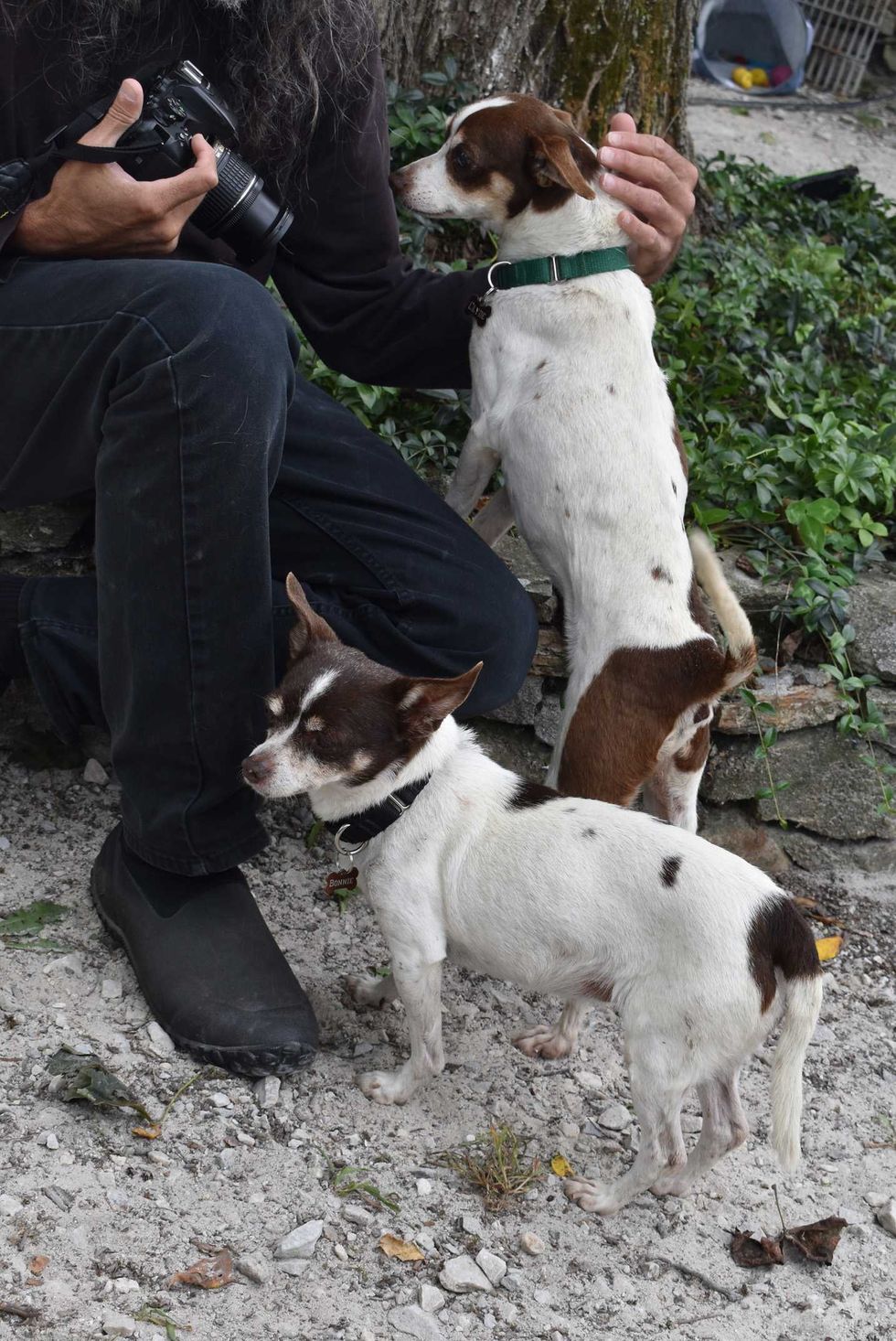 Bonnie and Clyde, an affectionate terrier pair.L. Tomaino