MILLERTON — The arrival of the railroad in the Town of North East in 1851 is heralded as the moment Millerton became a place — ushering in a boom period for the area that transformed it from a sparsely populated farming community into a hub of commerce.
That moment was brought about by Sidney Greene Miller along with his associate civil engineers in their work as contractors for the New York and Harlem Railroad. After his work, Millerton quickly grew from an insignificant hamlet in North East to the center of the town’s activity within just 25 years.
The railroad’s contribution to the village’s growth, along with Miller’s reported congeniality according to a 2001 history of the village produced by the North East Historical Society, led village founders Alexander Trowbridge, Col. John Winchell, Walter Wakeman, Platt Paine and Connecticut Governor Alexander Holley to name Millerton after the civil engineer when it was officially formed in 1875.
But other than that claim from the North East Historical Society, not much else is known about Miller. Sarah Hermans, an amateur historian who grew up in Millerton, said public documents on him are sparse, but she found enough to roughly map out his life from records available online.
Miller was born in New York City in 1817 where he was raised by Sylvanus Miller. An obituary for Miller when he died in 1900 said his father, Sylvanus, was a judge and census records list his profession as “lawyer.”
Miller became a civil engineer, serving as a partner of Morris, Miller and Schuyler when that company was contracted to expand the New York and Harlem railroad north from New York City to Albany. Records show Miller lived in New York City in the early 1850s when the Millerton stop was built, but he didn’t stay there long.
Census records indicate Miller left New York State within the decade. He, his wife and three children moved to Westport, Connecticut, in 1854 and then to Virginia in 1856. There, Miller and his wife, Sarah Williamson, had three more children.
Miller and his family were forced out of their home in Alexandria, Virginia, when the United States Army seized the house to use as a hospital during the Civil War.
By 1870 the family had moved to Savannah, Georgia. Documents from Miller’s life are sparse, but records indicate that building railroads caused him to move his family frequently. Within just ten years, Miller and his family, now including a grandson, were recorded as living in Chatham Township in New Jersey in 1880.
Digitized New York City directories from 1882 available at familysearch.org list a Sidney Miller, engineer, living at 205 S. 5th Ave., though it’s unclear if that’s the same Sidney Miller that helped build railroads across the country. Miller did move back to New York City at some point before his death in 1900, as shown by death records and an obituary published in the New York Times.
Miller was buried in Green-wood Cemetery in Brooklyn.
Hermans’s research on Miller started by accident, she said, while researching a friend’s family history. She said she thought Miller would have been a local before she started researching, but soon found out he never even lived in Millerton.
“I was delighted and shocked to find out that he was actually a ‘city person,’” Hermans said.
But there wasn’t much more that could be gleaned from online documents, Hermans said.
“If you want to find somebody, you better find somebody who the descendants have done work on,” she said.
Hermans said the biggest hurdle in her amateur historical pursuits is accessing primary documents. She relies on the internet to access digitized documents because she works almost exclusively from home. And not every historical record has been scanned.
Sidney Miller’s death certificate is one of decades worth of death certificates from Manhattan that have yet to be digitized. New York City has been working to scan birth certificates, death certificates and marriage licenses and publish them online, but large collections of the documents have yet to be processed.
“If you’re just doing it from your armchair, you’re limited to what has been scanned,” Hermans said. “What has been made accessible to you.”


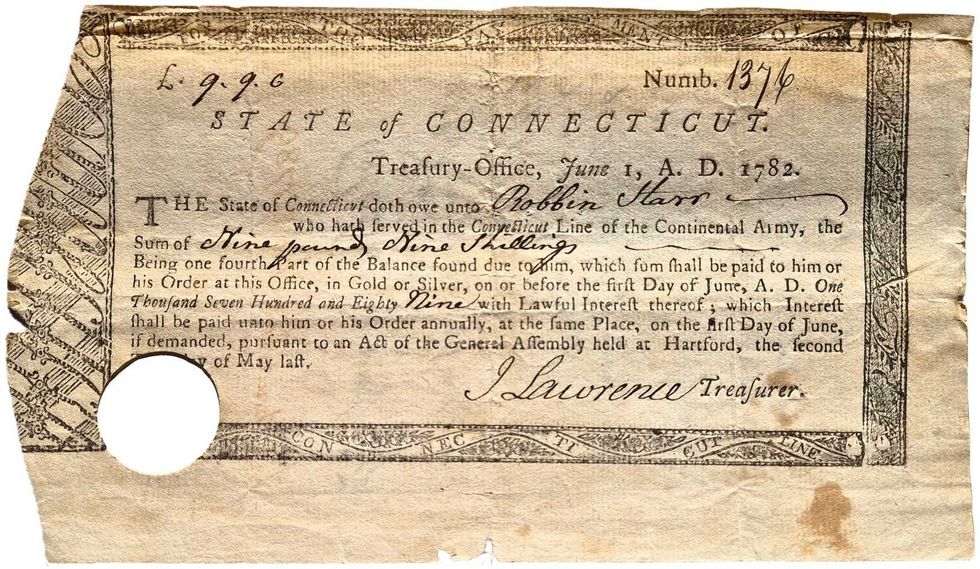 Pay Bill for Robin Starr’s service in the Continental Army.Courtesy the Alex Breanne Corporation
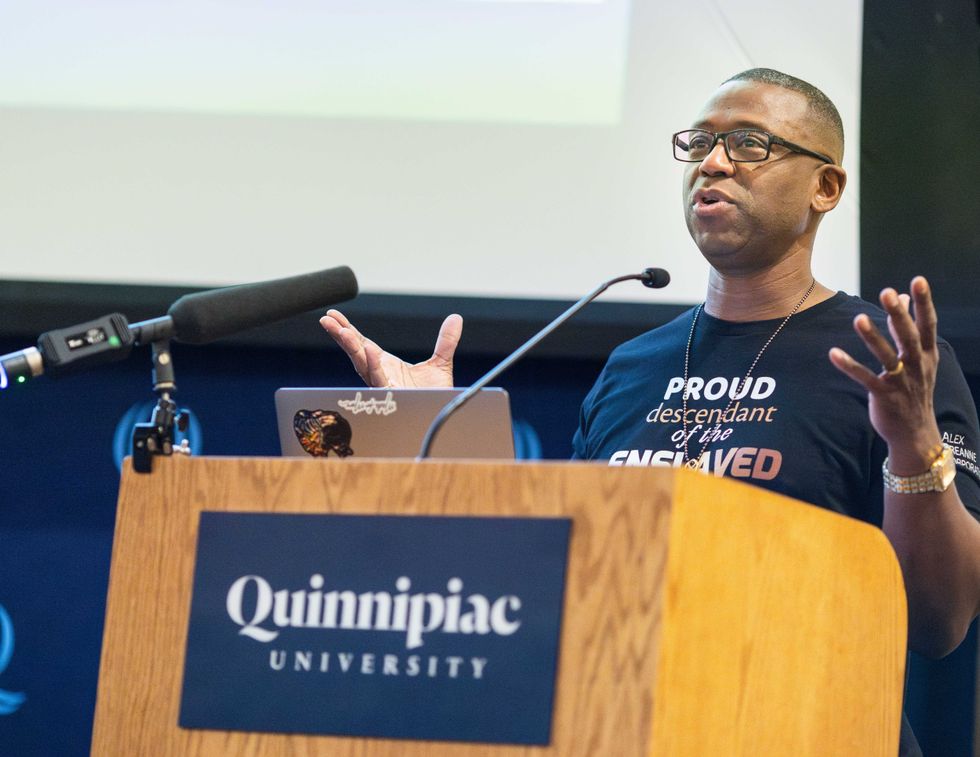 John Mills speaking at Quinnipiac University.Courtesy the Alex Breanne Corporation
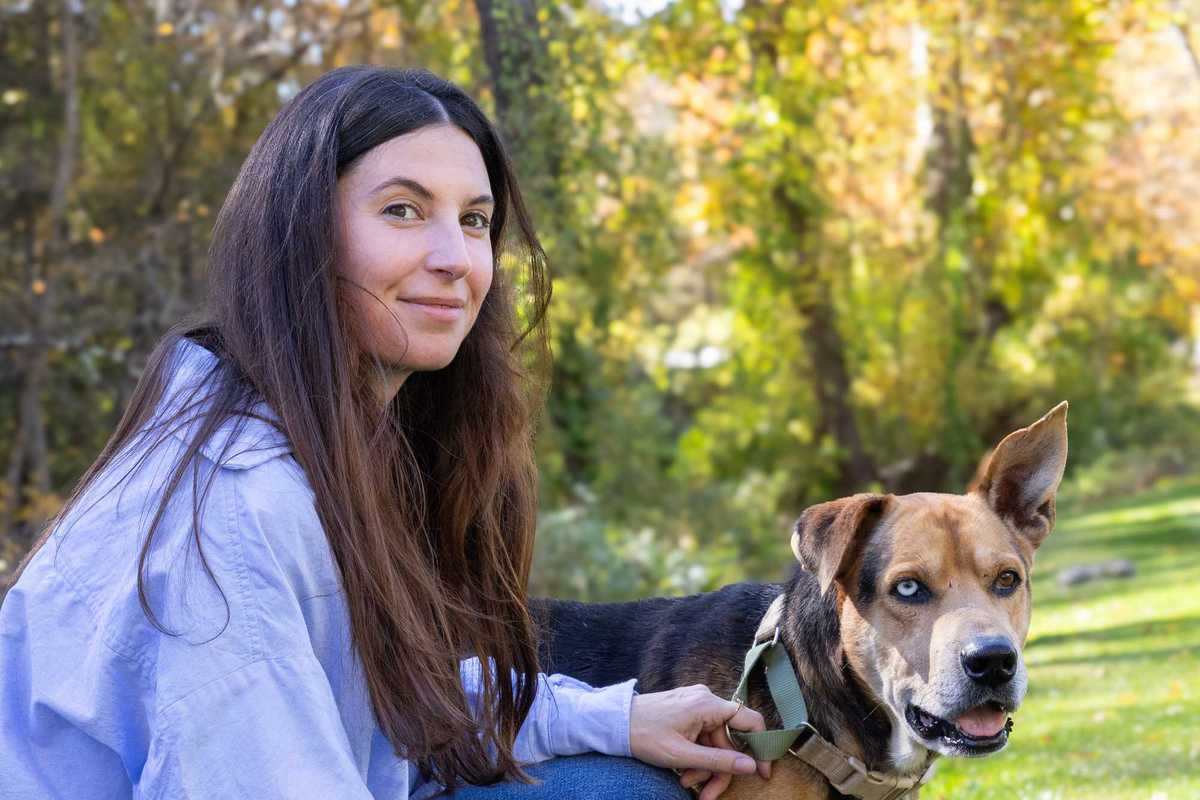
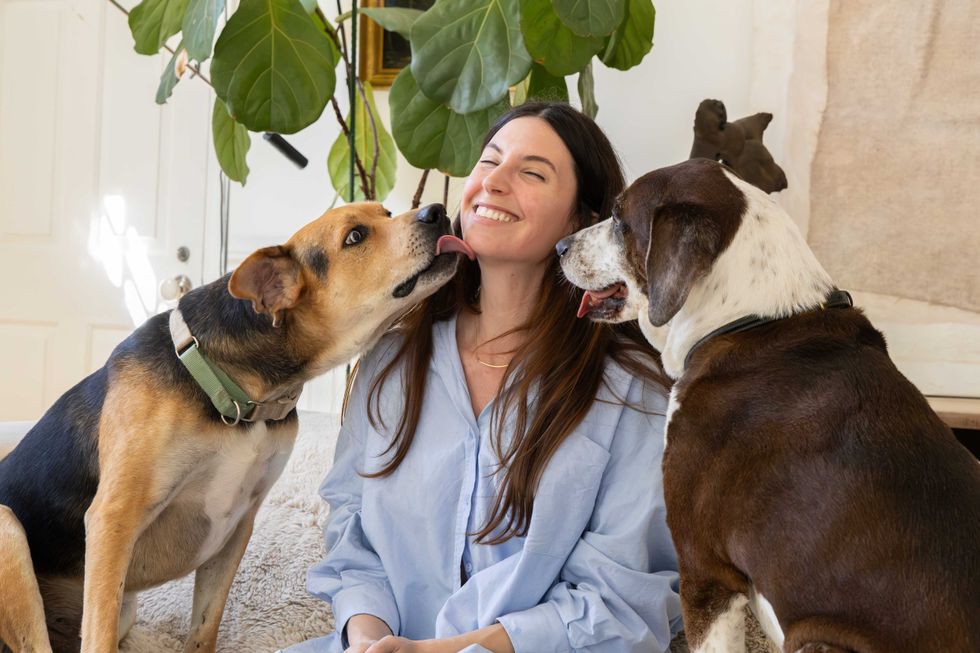 Stephanie Saetta,with her rescue dog George and Blue (left), a shepherd mix awaiting his forever home.Madi Long