In an age of fast fashion and disposable wares, Sharon resident Titi Halle, a leader in the fields of textiles and costume, has spent decades immersed in a world where clothing endures, sometimes for centuries.
“I had very little idea that 300-year-old clothes survived,” Halle said. “Or that you could make a living out of it.”
That was before she met Cora Ginsburg in 1980, one of the country’s leading dealers in historical textiles and costume. Halle took over as owner of Cora Ginsburg LLC in 1997 and has built a career around preserving and interpreting garments that tell stories far beyond their seams. The work she does spans everything from museum consulting to sourcing rare pieces through auctions, private sales and travel.
She will bring that expertise to Sharon this spring as part of a two-part series on early American textiles and clothing.
The first, “The Fabric of Early American Life: Textiles at Home in the 18th Century,” will take place Sunday, April 12 at the Hotchkiss Library of Sharon. A second program, “Dressing Up in 18th-Century New England,” follows on May 3 at the Sharon Historical Society & Museum, featuring a display of period garments including shoes, stays, petticoats, and cloaks.
“America produced very little in the 18th century,” Halle explained. “So, if you’re looking at silk and cotton, those were commodities that traveled. They were luxury goods.”
That global exchange is central to what audiences will see. Printed cottons from India, silks from Europe, and locally made wool and linen reflect a world far more interconnected than we often imagine. At the same time, they reveal the labor — mostly women’s work — behind domestic life.
“I don’t just collect complete objects,” said Halle. “I collect small pieces and documents. It’s the best way to learn — and I’m always happy to share that experience.”
That spirit of sharing will be central to the upcoming exhibits. Halle plans to bring not only rare textiles but also fragments that visitors can handle — an unusually tactile opportunity in a field where preservation often keeps objects behind glass.
The clothing itself, she noted, offers its own revelations.
“These aren’t the kinds of clothes you worked in,” she said. “You can’t lift your arms much higher than your shoulders. They’re not terribly comfortable.”
What has survived, then, are often the “best” garments — the ones reserved for public life or special occasion. Through them, a picture emerges not just of how people dressed, but how they moved, traded, and understood the world around them.
For Halle, who has lived part-time in the region since the 1980s, bringing this work to Sharon feels both professional and personal.
“These are things people can look at,” she said. “And things they can touch. They won’t crumble.”
In other words, history not as something distant, but as something tangible — woven, worn, and still very much alive.
Both events are free, but registration is required for April 12 at the Hotchkiss Library at hotchkisslibrary.libcal.com. And for May 3 at the Sharon Historical Society, rsvp at rsvp@sharonhist.org.







 Tiffany Lemelin, shelter manager, brushing Marsala upon arrival.Provided
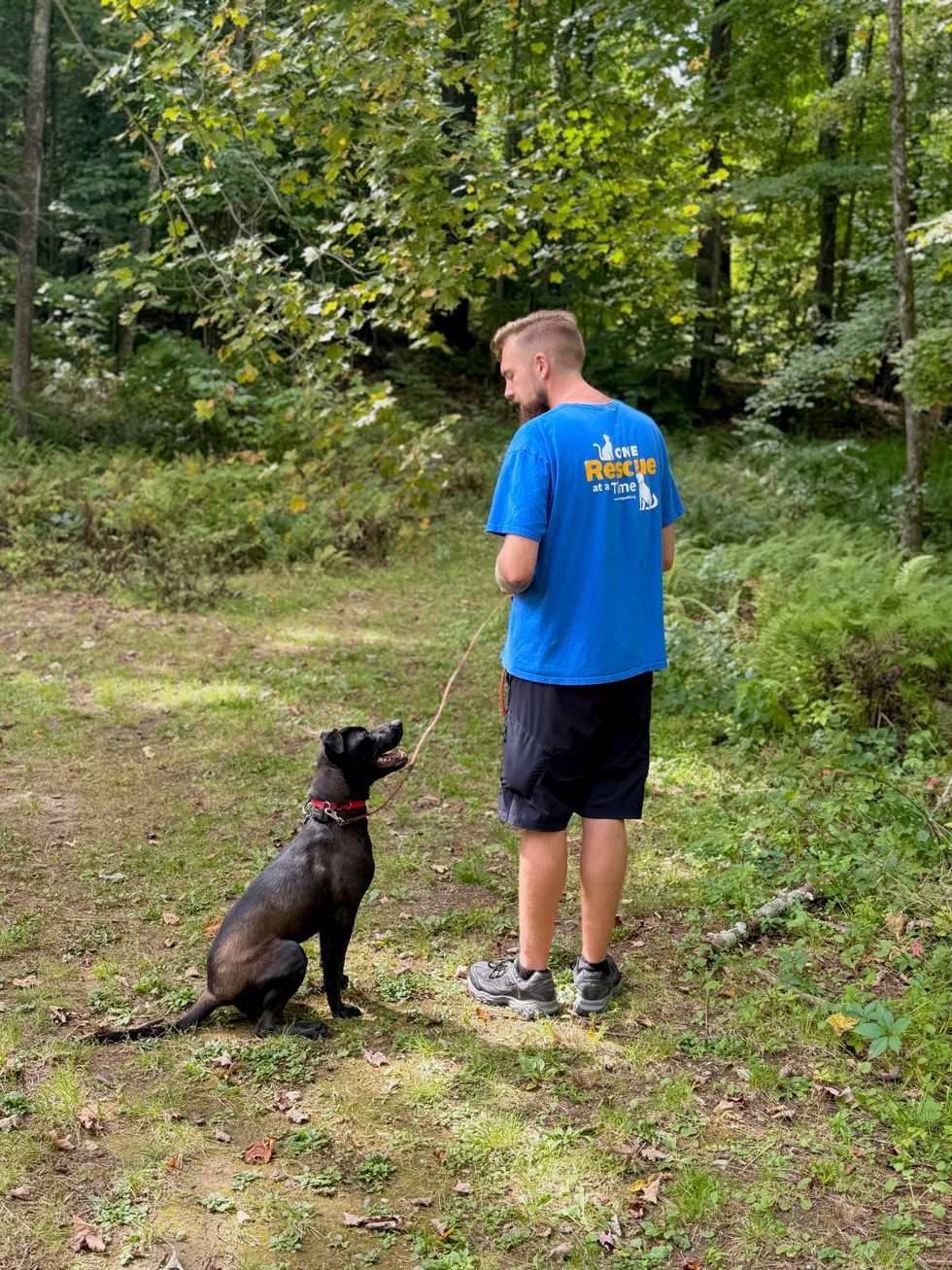 Michael DeBarba, certified dog trainer working with Marsala.Jennifer Almquist
 Marsala wins a heart.Jennifer Almquist
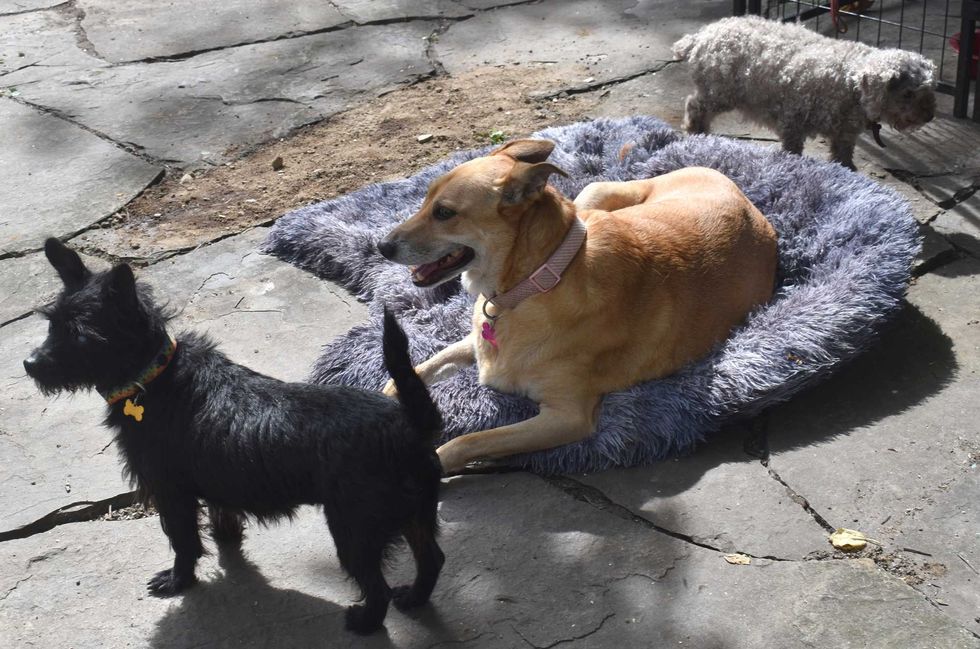 Sadie, center, a Carolina dog, plays with her friend Negra, a terrier mix. Bella Linda, the small poodle, has since been adopted.L. Tomaino
 Wesley, a young, exuberant mix, is looking for an active home.L. Tomaino
 Bonnie and Clyde, an affectionate terrier pair.L. Tomaino