SHARON, Conn. — In a region often associated with affluence, hunger relief organizations say pockets of poverty are deepening, with as many as four in 10 households struggling to cover basic needs, according to regional estimates.
A weeklong fundraising campaign beginning May 11 will ask diners at local restaurants to help address that gap by funding the purchase of fresh food from local farms for distribution to area pantries.
Supported by more than a dozen restaurants and cafes across the tri-corner region, the Nourish Neighbors campaign raises funds to support that effort — connecting restaurants, farms and hunger relief efforts.
“We expect to have about 15 restaurants participate, from Champêtre in Pine Plains all the way to the Falls Village Inn,” said Chris Armero, an organizer of the campaign. “Not many people know that four out of 10 of our neighbors have trouble paying their bills.”
The effort is led by Tri Corner F.E.E.D. (Food Equity, Education and Distribution), the Sharon-based nonprofit behind Nourish Neighbors, founded in 2023 by former Q Farms owners Linda and James Quella. The organization is advancing a model to expand access to fresh, locally grown food while supporting farmers and small businesses — a concept organizers say is increasingly needed in the tri-corner region, where many households are struggling to meet basic needs.
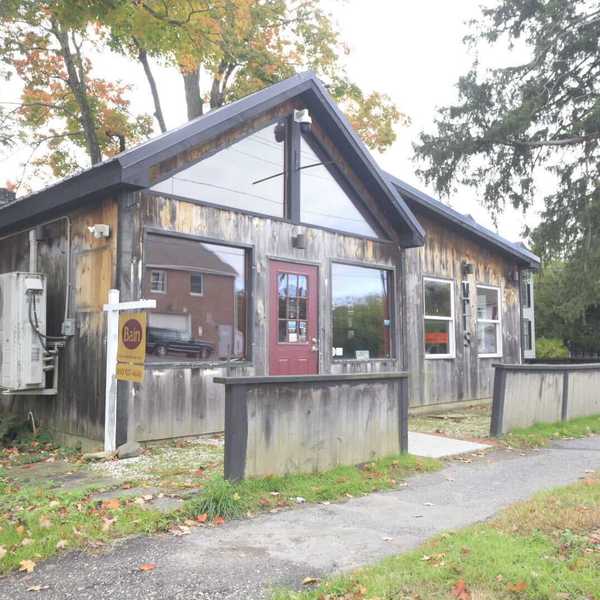
Tri Corner F.E.E.D. operates a local storefront at 56 South Center St. in Millerton, where food is priced based on income. The organization also purchases produce from local farms, including Adamah Farm in Falls Village, for area food pantries.
Demand rising at local food pantries
Local food pantries — including The Corner Pantry in Lakeville, North East Community Center (NECC) in Millerton and St. Thomas Episcopal Church in Amenia — have reported sustained increases in demand since the pandemic, even as emergency supports have receded and funding sources have tightened.
That pressure has exposed a broader challenge across the region: not only how to meet immediate need, but how to provide consistent access to nutritious food in a way that is sustainable for both households and the local agricultural economy.
Tri Corner F.E.E.D.’s approach centers on strengthening those connections, said Linda Quella, who previously farmed land in Sharon and sold her produce primarily via farm stands and farmers markets.
She said the experience underscored how difficult it is for farmers to earn a living through local sales alone.
“We were going to farmers markets three times a week,” Quella said. “People don’t realize how much you have to sell to earn a living as a farmer.”
She added, “Everybody that was buying our food was very well off.”
That realization led to conversations with hunger relief organizations, including the NECC in Millerton and its food programs director, Jordan Schmidt.
With food pantries held twice a month, Quella saw an opportunity to host a pop-up market with the organization.
“We could tell it was a need,” Quella said. “It became clear this would be welcome in this community.”
These efforts — including research into ALICE (Asset Limited, Income Constrained, Employed) data from United Way, which identifies households that struggle to cover basic costs — along with sliding scale pilot programs and a grant to assess regional need, helped shape Tri Corner F.E.E.D.’s current model.
“Through that study, we found that farmers can’t afford to discount products. They need full price for their product,” Quella said. “And that consumers needed nutrient-rich food but didn’t have access to it.”
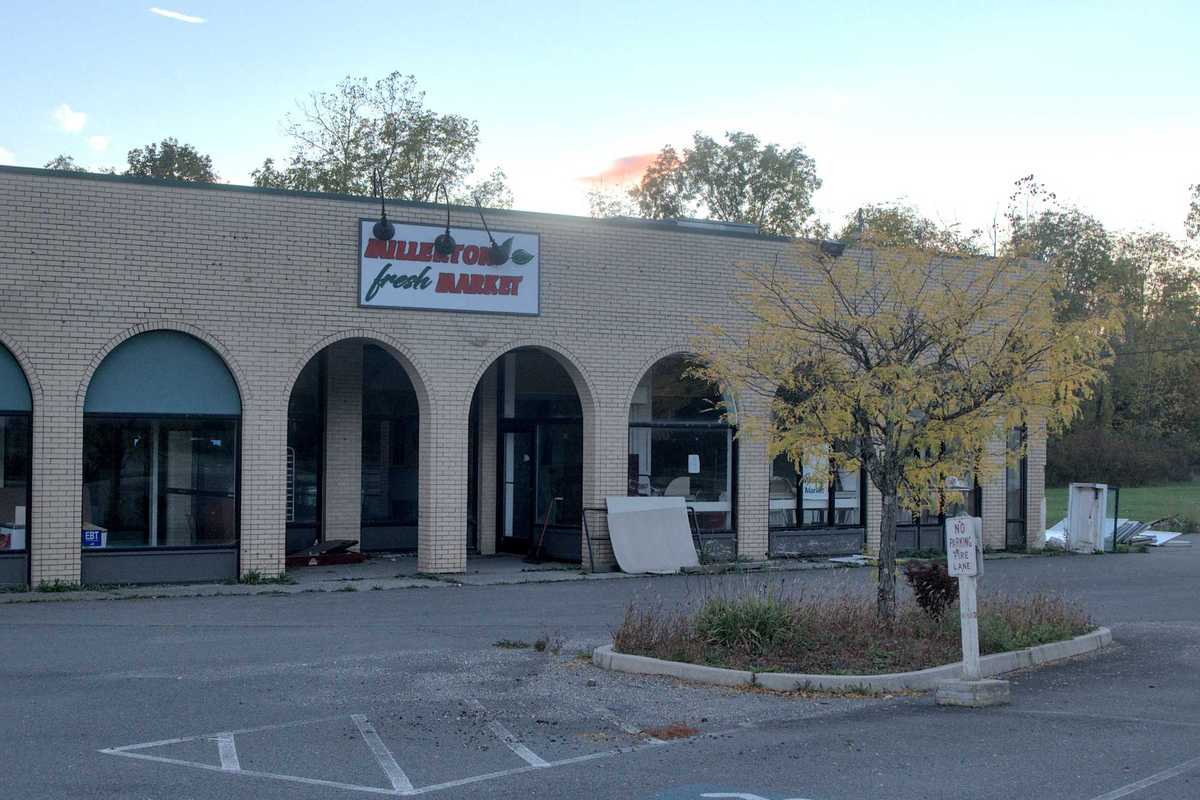
Quella describes Millerton as a food desert, noting the closure of the town’s only food market there several years ago.
Program pays farmers upfront
To address that challenge, Tri Corner F.E.E.D. purchases produce and other goods through its Food Sovereignty Fund, which was established to buy directly from farmers and distribute those goods to local food pantries — ensuring access to fresh food while providing farmers with a stable, guaranteed market.
Farmers are paid in advance for their harvests, offering financial stability and encouraging participation in food distribution programs. The fund also connects farms with community-based hunger relief partners — including food pantries, schools and community centers — to deliver fresh produce to underserved populations.
Participating farms include, in addition to Adamah Farm, Rock Steady Farm, Sky High Farm and the Ten Mile Farm Foundation, among others across Connecticut and New York.
Surplus crops benefit communities
At Adamah, a nonprofit CSA (Community Supported Agriculture program), connected to the Isabella Freedman Jewish Retreat Center, the model allows members to buy a share of a farm’s harvest upfront in exchange for regular distributions of fresh produce throughout the growing season — helping redirect surplus crops into the community.
“In 2025, we sold a few items a week through Tri Corner, including cherry tomatoes, zucchini and herbs,” said Janna Siller, farm director and advocacy coordinator at Adamah. “It was a great way for us to bring items we had extra of to the community.”
Siller said the region produces abundant food, yet many residents rely on distant grocery stores due to cost barriers or limited access.
“Tri Corner is helping bridge that gap,” she said.
Adamah also raises funds to donate produce to local pantries, sometimes delivering close to 1,000 pounds of food in a single day.
Tri Corner F.E.E.D. also provides logistical support to farmers and hunger relief organizations, helping coordinate distribution and maintain a consistent supply. Its broader goal, organizers said, is to build a more equitable and resilient regional food system serving communities affected by food insecurity.
All welcome at the market
Tri Corner F.E.E.D. Market’s Millerton grocery store offers farm-fresh meats, seasonal vegetables, prepared foods, coffee and baked goods.
“We really want to reduce barriers for people to be able to afford nutritious, local food,” said Blake Myers, director of food programs at the Tri Corner F.E.E.D. Market. “Anybody can come in and shop.”
Customers select from three pricing tiers: green for full price, orange at 30 percent off and yellow at 60 percent off — a system designed to make shopping accessible while preserving dignity, she said.
About 75 people shop there weekly, with roughly 50 relying on it as a primary grocery source.
“The interaction makes it a true community asset,” Myers said. “Here, people can feel comfortable about the burden that they carry.”
Many customers are on fixed incomes, she added, making them especially vulnerable to rising costs.
Restaurant patrons pay it forward
That same model extends to the upcoming Nourish Neighbors campaign.
“We work with area restaurants. Diners donate to help support the Food Sovereignty Fund,” Myers said. “When you visit a participating restaurant or business, you have the opportunity to pay it forward by donating while dining out.”
Donations go directly toward Tri Corner F.E.E.D.’s Food Sovereignty Fund. Supported local pantries include The Corner Pantry in Lakeville, North East Community Center in Millerton and St. Thomas in Amenia.
“This is especially urgent as demand for their services has risen just as federal and state support has come under pressure,” Armero said.
Even as the program expands, Quella said, the scale of need continues to outpace available resources. Rising living costs strain both households and farms, leaving programs like Tri Corner F.E.E.D. to shoulder a growing share of the region’s food access needs.




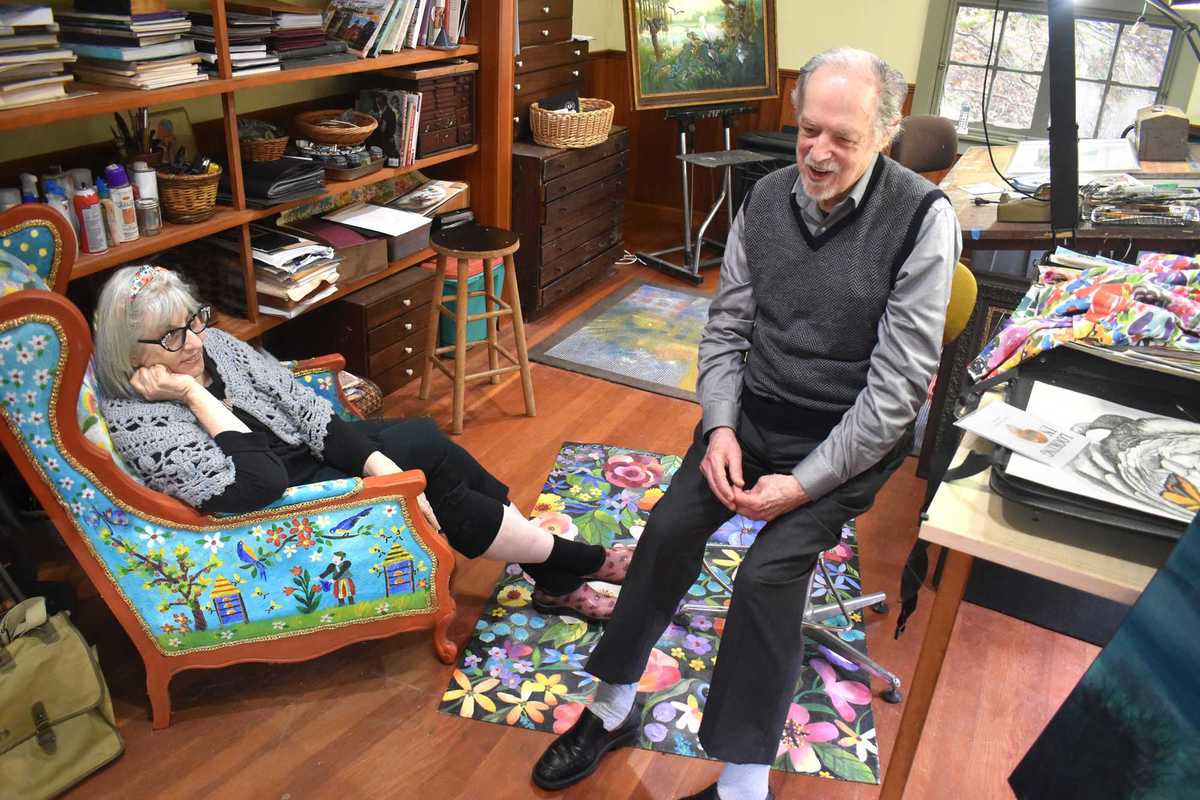
 Justine and Victor Valla in their studio with a painting of Victor’s,”Jonah and the Whale.” Robin Roraback


 A ceramic vase by Kathleen Heidemann.Provided
 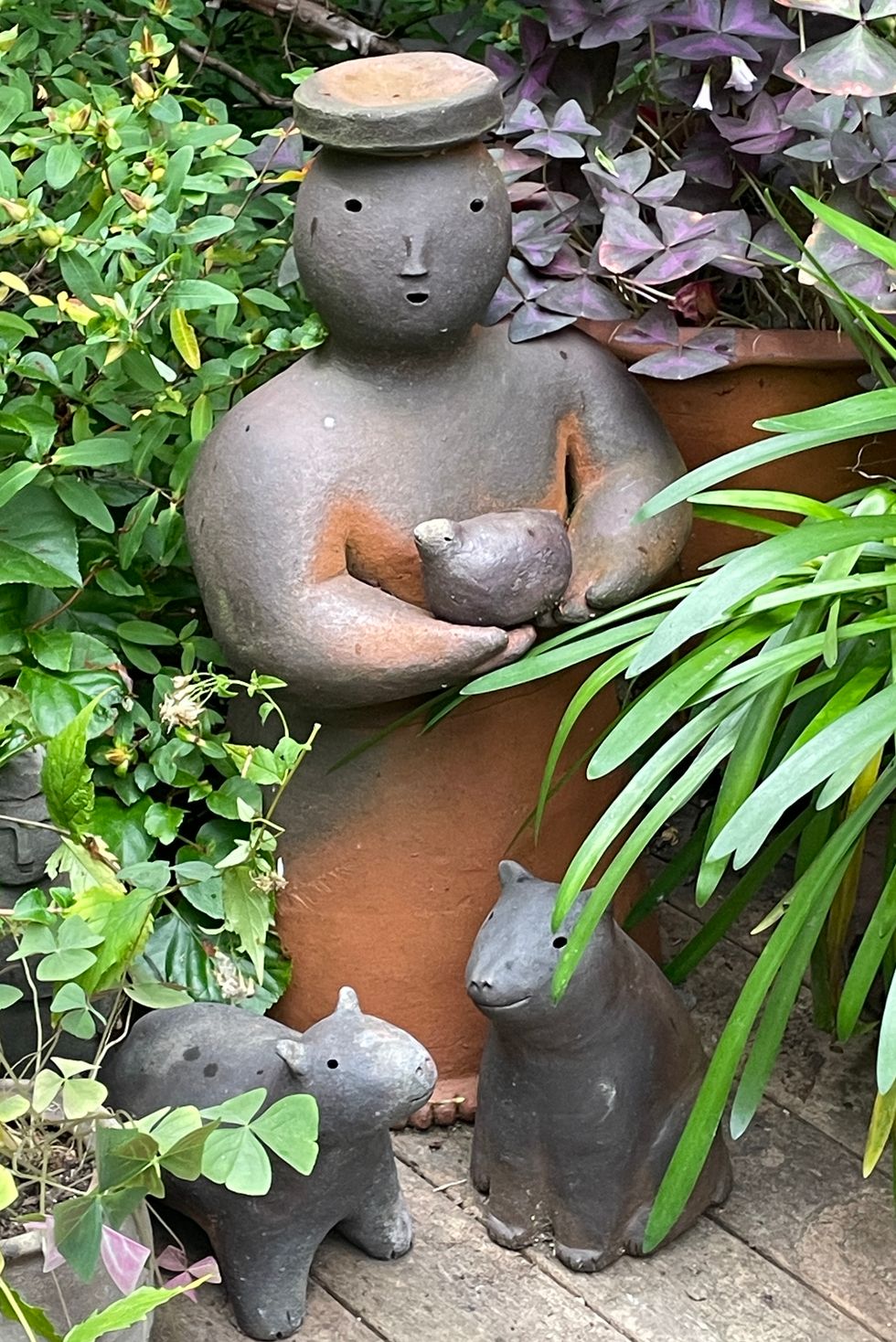 Joy Brown’s delightful ceramic sculptures.Provided