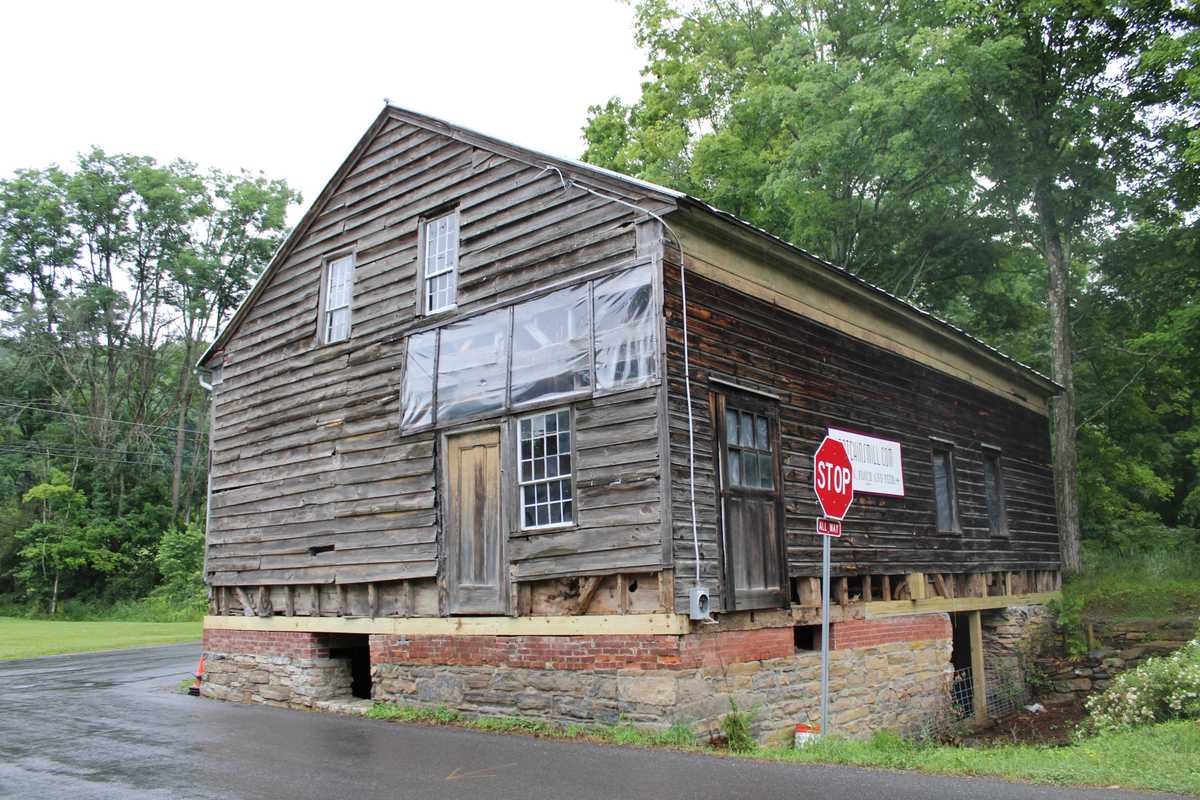
MILLERTON — From the outside, the old yellow house across from Four Brothers looks like nothing more than a ruin waiting to finish collapsing. But local historians say the peeling paint and caving roof conceal a history that stretches from the Revolutionary War to the naming of Millerton itself — and to a world-renowned musician of the 20th century.
The building, known as the Wakeman house due to its association with Walter Wakeman and his descendants, dates back to before the 1770s, making it a contender for the oldest house in Millerton. The building was at once a stately colonial farm house that housed some of Millerton’s founding community members and eventually famed Nigerian drummer Olatunji, but has fallen into disrepair in recent decades, prompting calls to have the building demolished.
Historical reports by local historian Chet Eisenhuth dating to the 1970s assert Wakeman hosted the earliest civic meetings in the community, crediting him for suggesting Millerton’s name shortly after the arrival of the railroad and for providing a critical piece of land to the construction effort.
But the house was already nearly 40 years old when Wakeman arrived in Millerton, local genealogical researcher Betsy Strauss said, referencing other historical reports from Eisenhuth. Evidence suggests the house predates the Revolutionary War, making it one of the oldest buildings in the Village of Millerton and the Town of North East, though local researchers have struggled to pin down exact details.
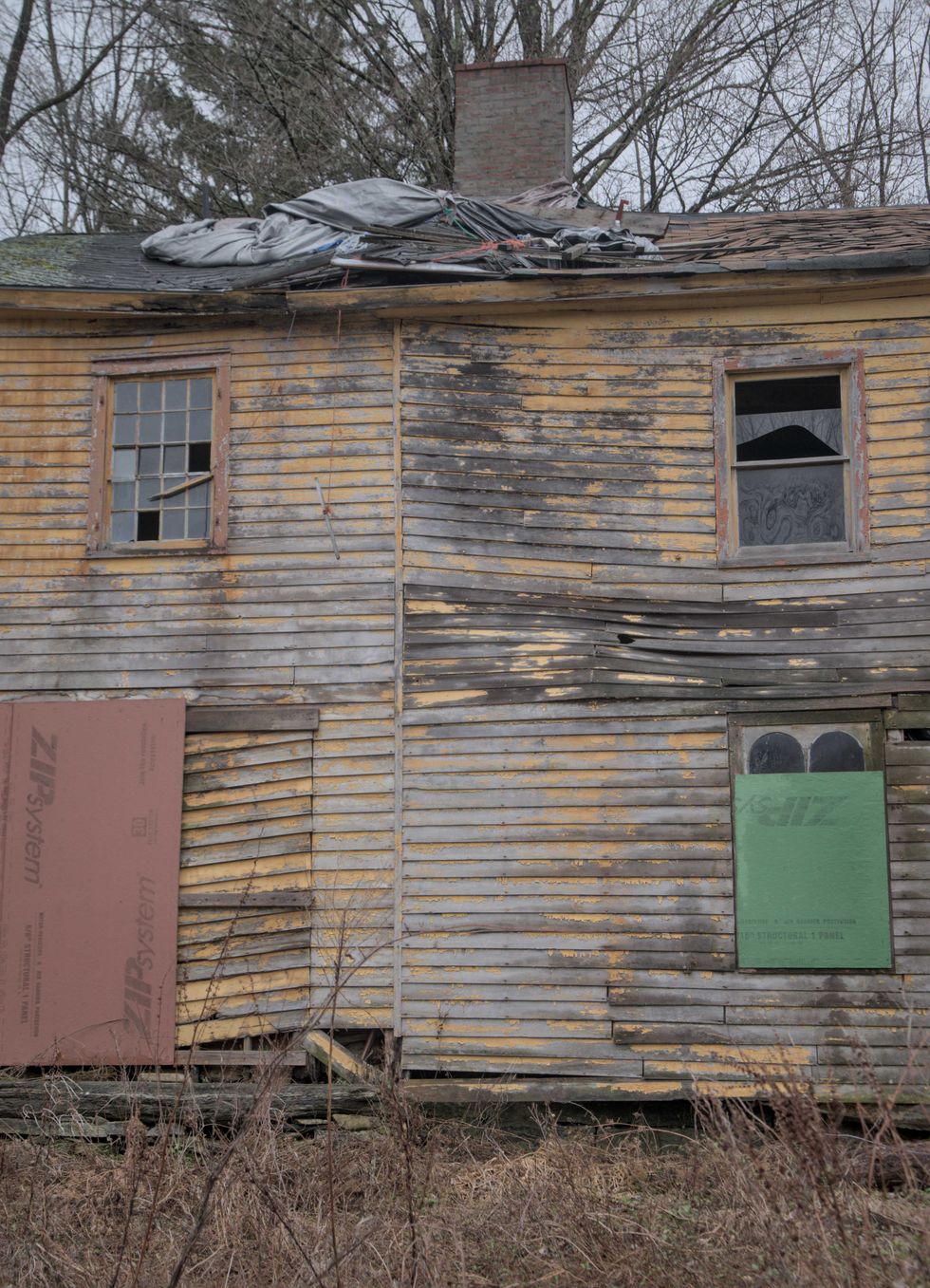 The crumbling facade features peeling yellow paint, broken and boarded windows and a hole in the roof of the structure that was built in the 1700s.Photo by Nathan Miller
Strauss said it’s unclear from surviving documents who built the house, but it came under the possession of the prominent Winchell family soon after they moved to the area from Hartford in the late 1700s.
Philo Winchell moved his family to what is now called Winchell Mountain from Hartford, Connecticut, before the Revolutionary War, Strauss said. Philo, his brother Martin, and his sons spent the following decades raising livestock and speculating on land around the regions of Irondale and what would later become the Village of Millerton.
The family quickly rose to prominence in local society, Strauss said.
She described the Winchells as a large family — Philo had more than five children — that led the local Baptist community despite no apparent ties to the church before their move to Millerton.
The center of their property encompassed Winchell Mountain, with other branches of the family spreading throughout the Millerton area to build additional farms as the generations continued to prosper in the area. One branch of the family constructed and operated a grist mill, while others held prominent positions in the local Baptist church.
The Winchell farms provided opportunity to local laborers, including Walter Wakeman after he arrived in Millerton in 1810.
The North East Historical Society possesses copies of handwritten notes attributed to Orrin Wakeman, Walter’s son, that describe many of the local families. Orrin wrote much less about his own father than he did others, but he did record some information about his history.
According to the document, Walter Wakeman traveled “on foot” to Millerton from Sherman, Connecticut, in 1810.
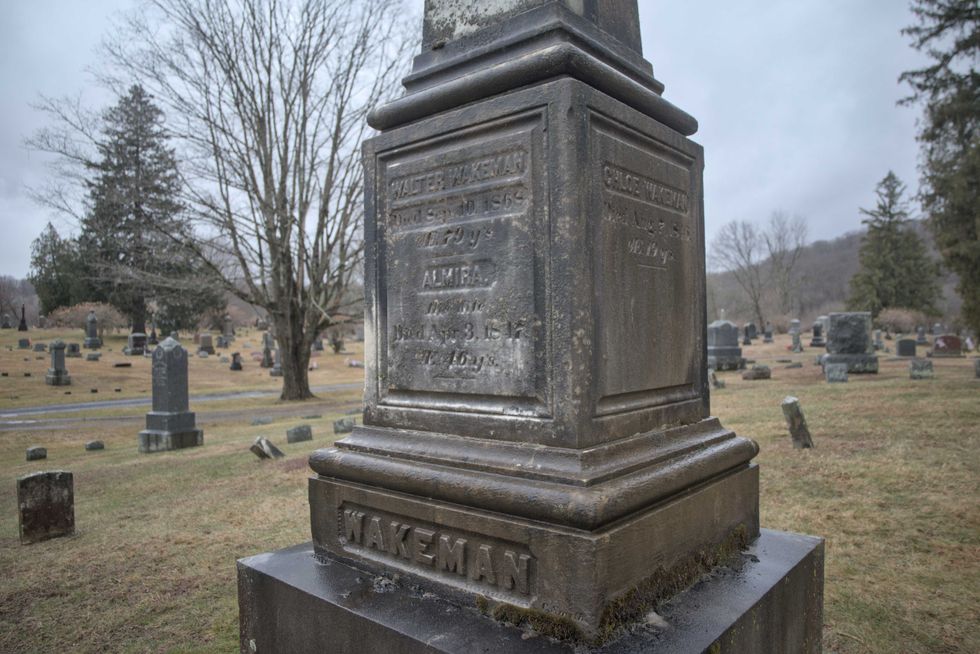 Walter Wakeman and his wife’s headstone in Irondale cemetery near Route 44 in the Village of Millerton sits nearby prominent Winchell family members. Wakeman married Almira Winchell in 1817 and the pair had nine children before her death at the age of 46 in 1847. Wakeman was a farmer and speculator who made a living raising sheep and other livestock in the area before buying and selling land to the railroad company and interested developers in the years following the expansion of the New York and Harlem Railroad.Photo by Nathan Miller
Shortly after arriving in the area, Walter began working for the Winchells as a laborer on their farms. Walter worked closely with the family, and later married Almira Winchell in 1817.
Orrin’s account states Walter and Almira had nine children — of which only Orrin, the oldest, and his sister, the youngest of the nine, survived to adulthood. Almira died in 1847, leaving Walter to live as a widower until his death in 1868.
It’s unclear how or why Walter came to possess the house that now sits along Route 22, but Strauss believes his working relationship with the Winchells and his relationship with Almira played a part.
Walter earned a living as a farmer, living and raising his family in the house that’s now falling in on itself on Route 22.
In 1851, Wakeman’s house was located on a large tract of land that contained a crucial strip for the New York and Harlem railroad’s proposed expansion north toward Chatham, New York. The half-mile long strip was 66 feet wide across its length, and provided the land that would host Millerton’s first train stations, one of which still stands today.
Eisenhuth theorized in his writings that Wakeman’s house — likely due to its location nearby the new center of activity and Walter’s own prominence in the community — served as an early civic meeting place. Strauss echoed that sentiment, citing research that indicates Wakeman hosted the meeting where the village was named.
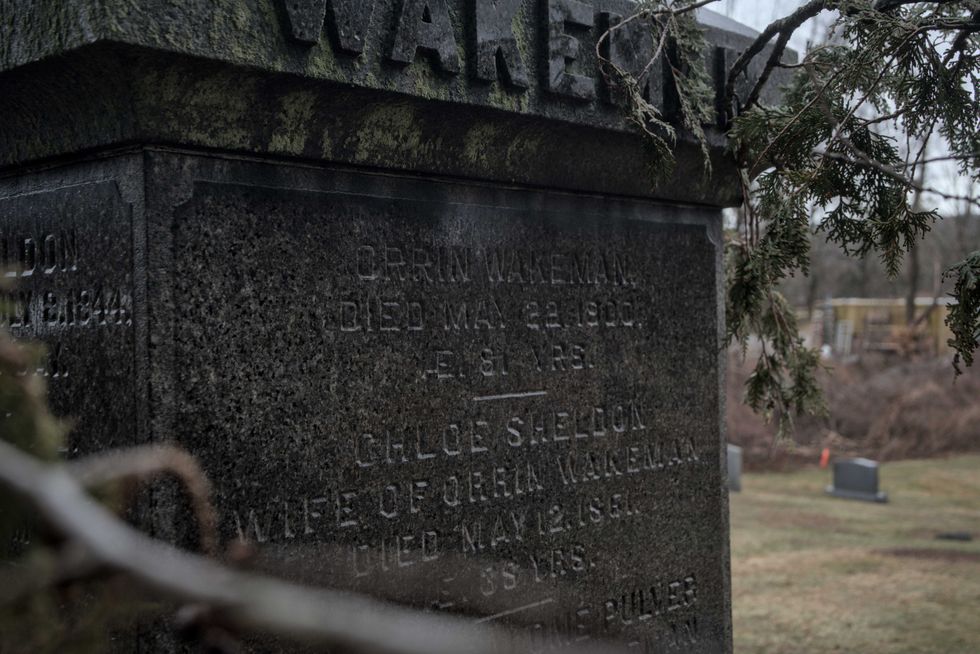 Orrin Wakeman’s headstone sits in Irondale Cemetery off of Route 44 in the Village of Millerton. Orrin was the son of Walter Wakeman, who owned the yellow house that sits along what is now Route 22 and is credited with assembling Millerton’s local leaders to name the new community after the New York and Harlem Railroad brought prosperity to the community.Photo by Nathan Miller
Records show that Walter, his relatives in the Winchell family, and a small number of other local landowners had acquired much of the land through Millerton and North East that would be needed for the railroad. Strauss and North East Historical Society President Ed Downey each said this indicates the group was involved in land speculation, and likely purchased much of that land in the years or months immediately leading up to the railroad’s arrival, but records dating back to the time are difficult to locate and verify.
In 1850, the Village of Millerton was nothing more than just a few houses near Webatuck Creek in a low-lying area. Millerton is located in what’s known as the “Oblong,” Strauss said, a tract of land along New York State’s modern-day eastern border with Connecticut that was the subject of a dispute between the two colonies prior to the revolution. The Oblong is a series of valleys with generally poor conditions for growing crops, but livestock herders enjoyed the rolling hills and abundant fresh water from the area’s creeks, rivers and wetlands.
The Wakeman house eventually came to be owned by famed Nigerian drummer Olatunji in 1965. Olatunji’s wife still owns the home today, more than 20 years after the death of her husband in 2003. Although the home has been condemned and left vacant for years, village officials said there’s no clear timeline for the building’s demolition, leaving the future of Millerton’s oldest home uncertain.





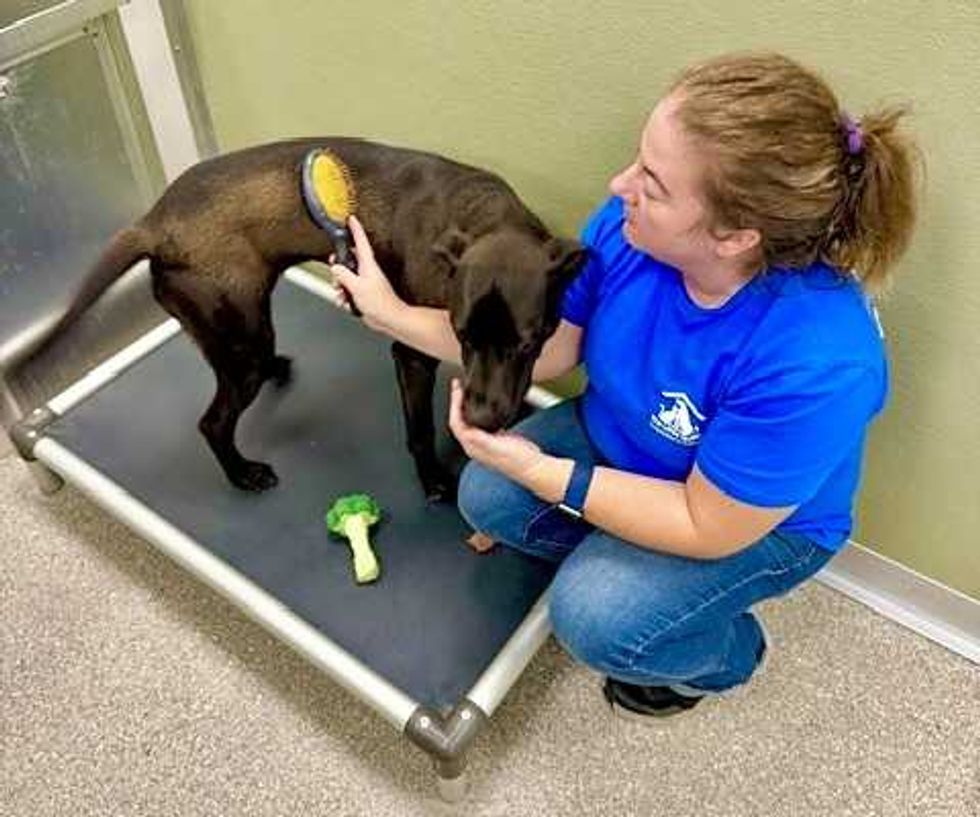 Tiffany Lemelin, shelter manager, brushing Marsala upon arrival.Provided
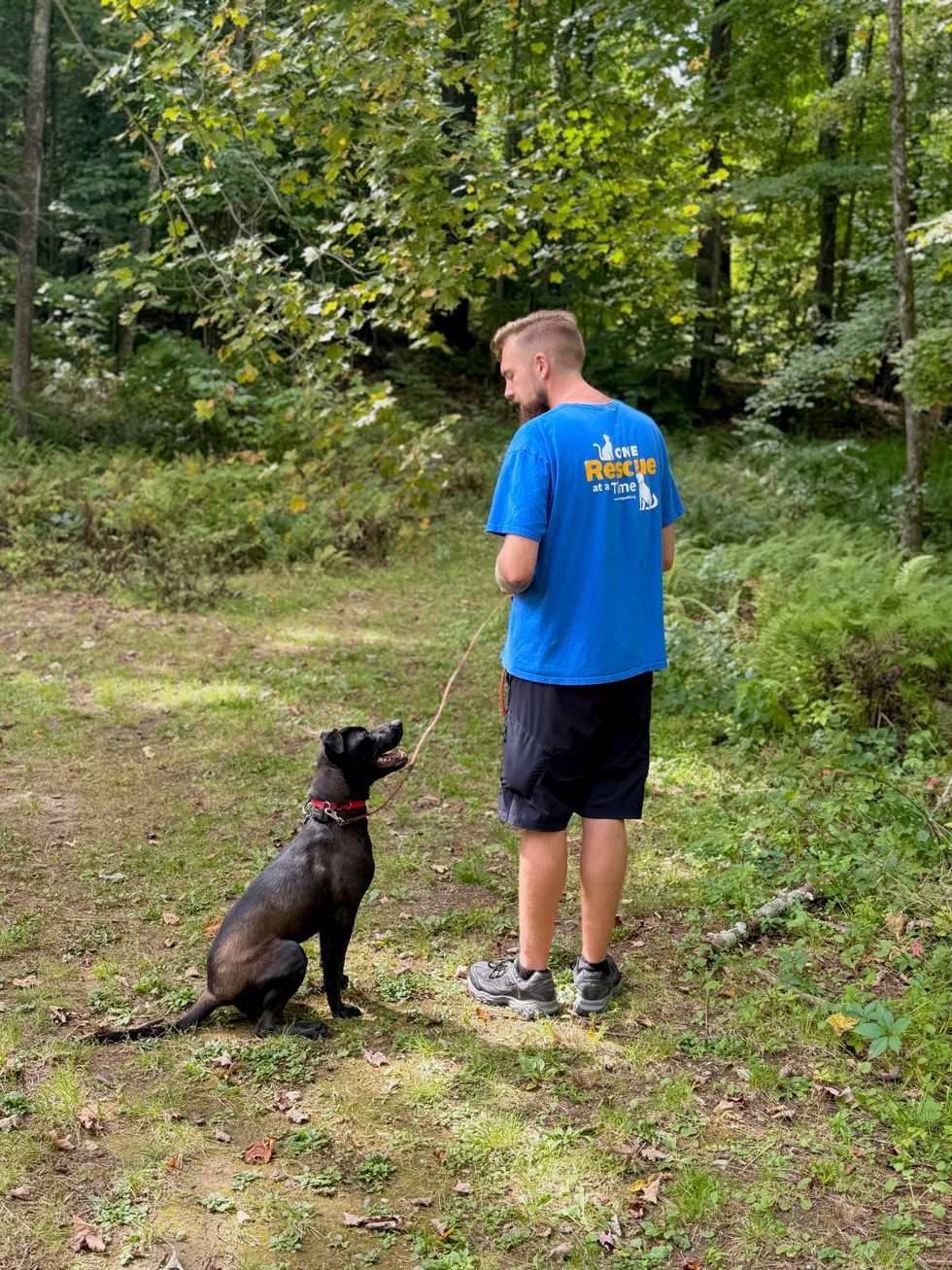 Michael DeBarba, certified dog trainer working with Marsala.Jennifer Almquist
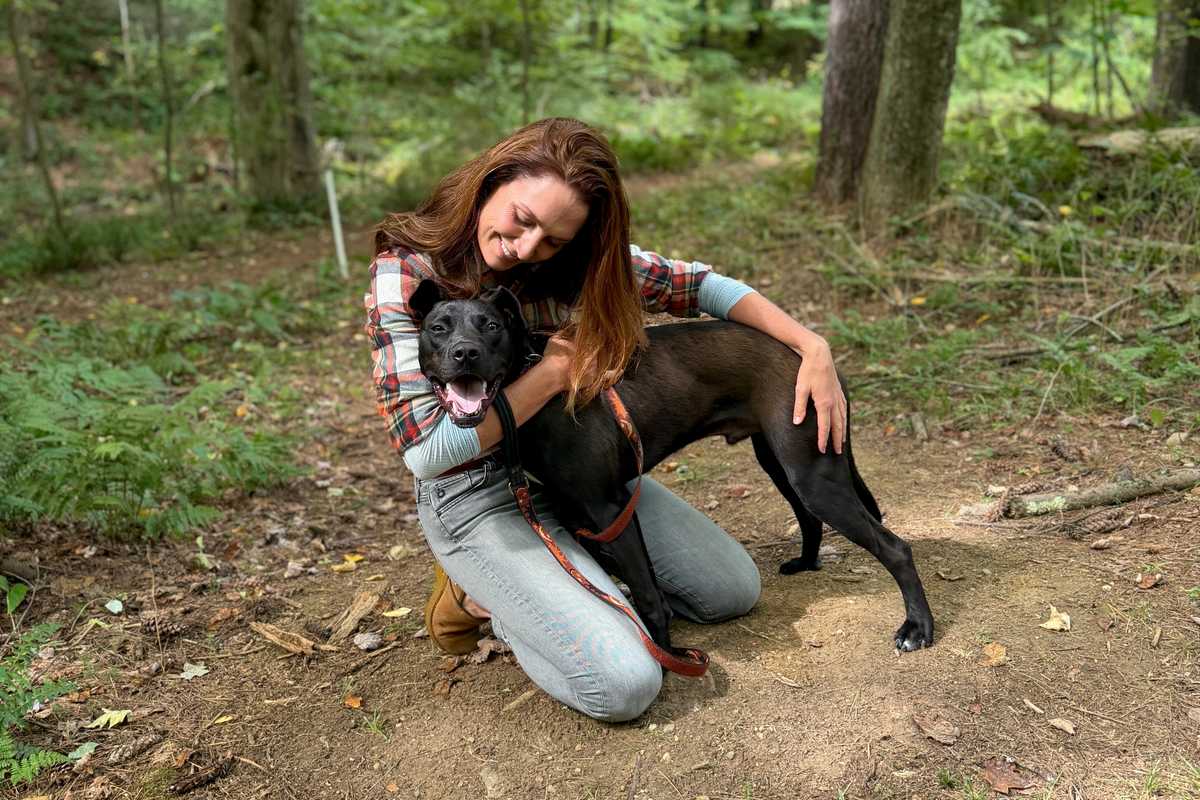 Marsala wins a heart.Jennifer Almquist
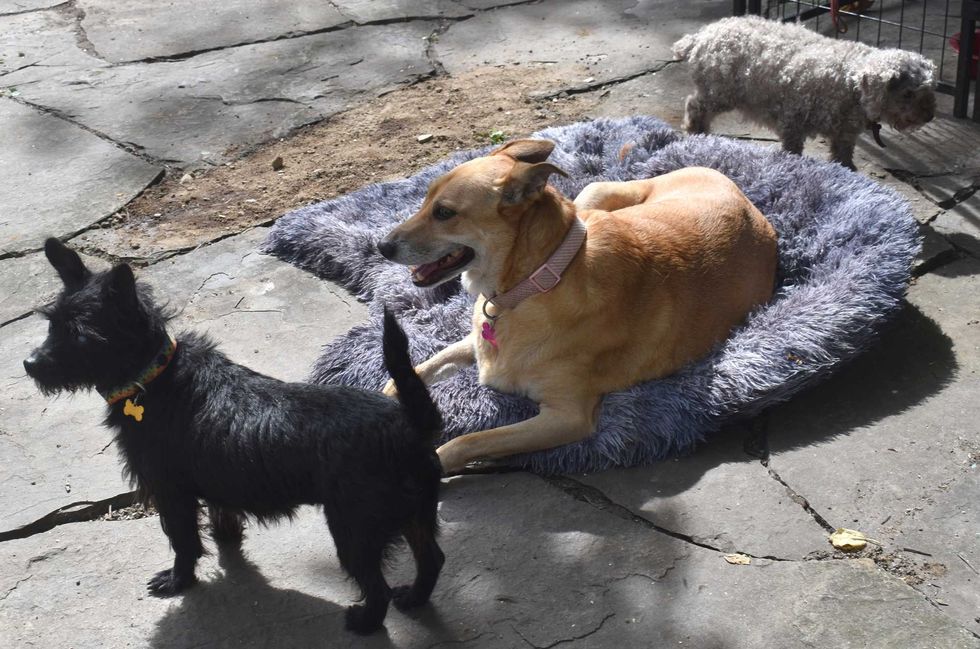 Sadie, center, a Carolina dog, plays with her friend Negra, a terrier mix. Bella Linda, the small poodle, has since been adopted.L. Tomaino
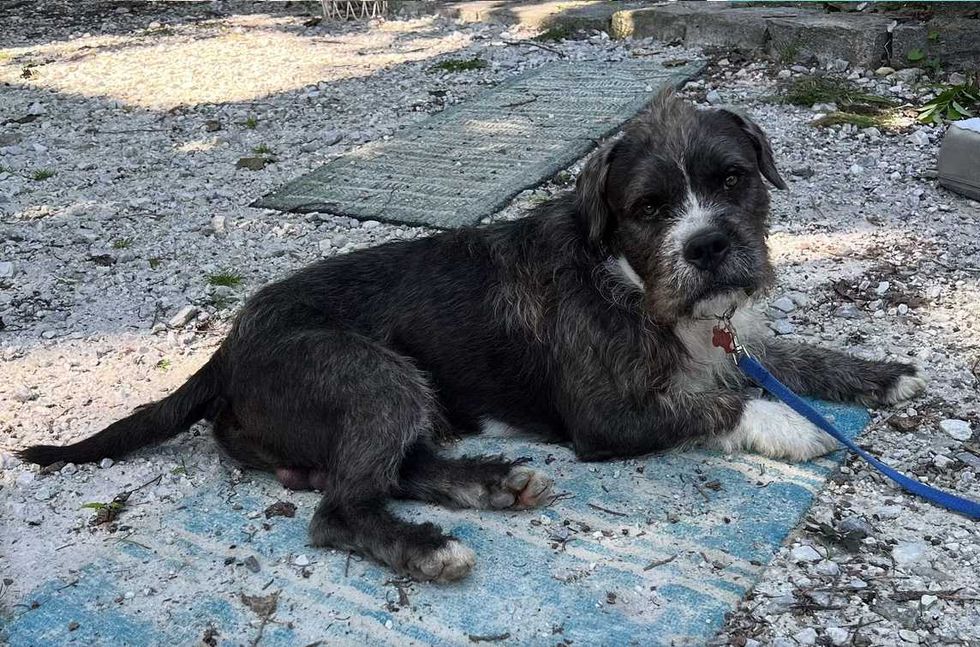 Wesley, a young, exuberant mix, is looking for an active home.L. Tomaino
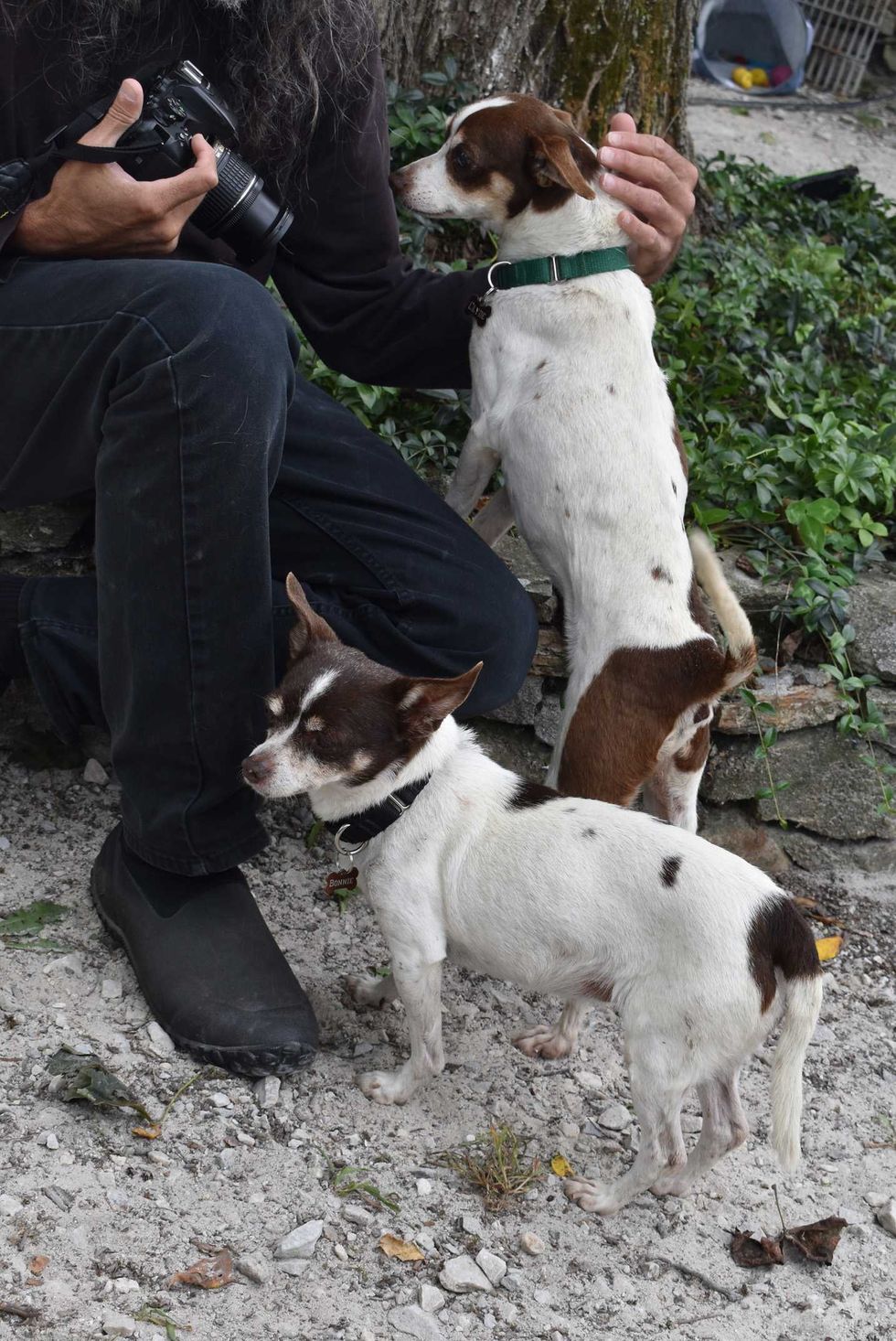 Bonnie and Clyde, an affectionate terrier pair.L. Tomaino