SHARON, Conn. – After operating for 65 years from a converted 1920s home, the Sharon Audubon Center is closer than ever to a long-planned major renovation of its facilities on Cornwall Bridge Road.
The project, which has been in the works for well over a decade, will completely replace the 80 year old residence that has housed Northwest Connecticut’s chapter of the national bird conservation organization since 1961 with a modern, energy-efficient design that features a designated exhibit hall, classrooms for school programs and flexible meeting spaces.
The redesign will also move around some key facilities such as the wildlife rehabilitation clinic, which provides critical care for injured, sick and orphaned birds as well as its own resident birds.
A statement from the Audubon communications team said the project represents a necessary update: “Our aging, century-old buildings can no longer meet the needs of our growing programs or the birds we are called to protect.”
The revitalization effort, as the organization is referring to the project, was a key feature of Eileen Fielding’s eight-year tenure as executive director of the Center before she retired last Thursday, July 2.
“I’ve known this building for decades,” Fielding said a few days before she left the Center, “and it’s hard to think of it going away, but it’s time. It is really time.”
The idea began percolating in 2011 under the leadership of former director Scott Heth, to whom Fielding credits essential early momentum for the project. Now, with new renderings from Wisconsin-based firm The Kubala Washatko Architects and a healthy amount of the planning phase out of the way, Fielding said she is confidently passing the reins of the project to her team at Sharon Audubon Center to finish what she spent nearly a decade preparing for.
“If I’m not going to stay all the way to ribbon cutting,” Fielding said, “this would be a good time to go.”
Fielding said the motivation behind the rebuild was to prioritize environmentally sound design and a collaborative work environment in parallel with both Audubon’s central mission and the Center’s expanding programming and activities.
“It’ll certainly be a better space for the staff to work with young people,” Fielding said, explaining that the new Center will be able to host educational programs while keeping the exhibits open to the public, which the current space doesn’t allow for.
“It will also enable the volunteers to work in closer proximity to the staff,” she said. Workplace connectivity will be key to the open floorplan, which is intended to be easy to navigate for both staff and visitors alike.
“The building is so big and rambling,” she said of the current early 20th century design, “and our offices are at literally opposite ends of the building… it makes interaction and collaboration just a little more cumbersome.”


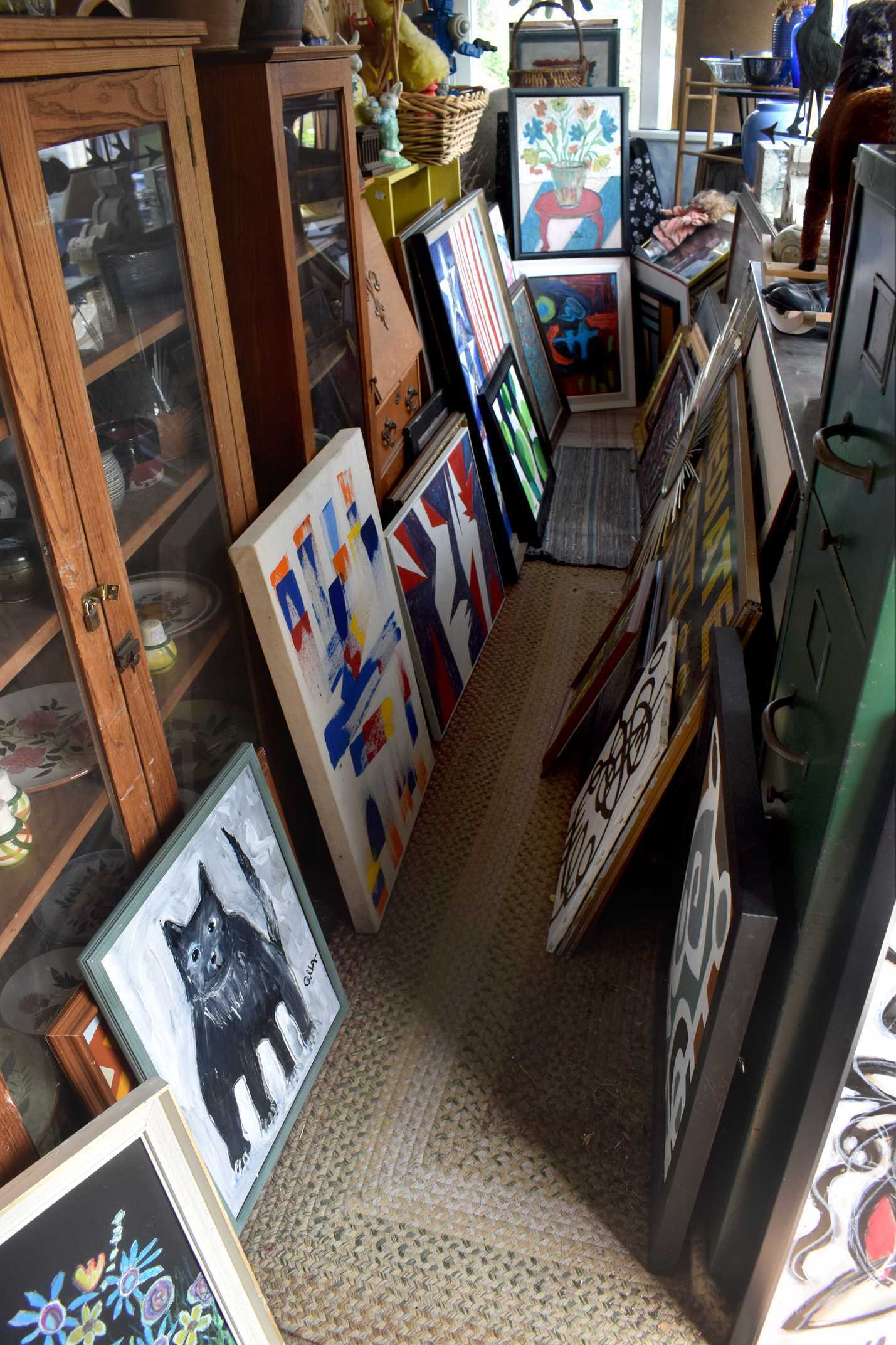 Cella’s paintings are tucked in almost every available space thoughout Little Store Antiques. L. Tomaino
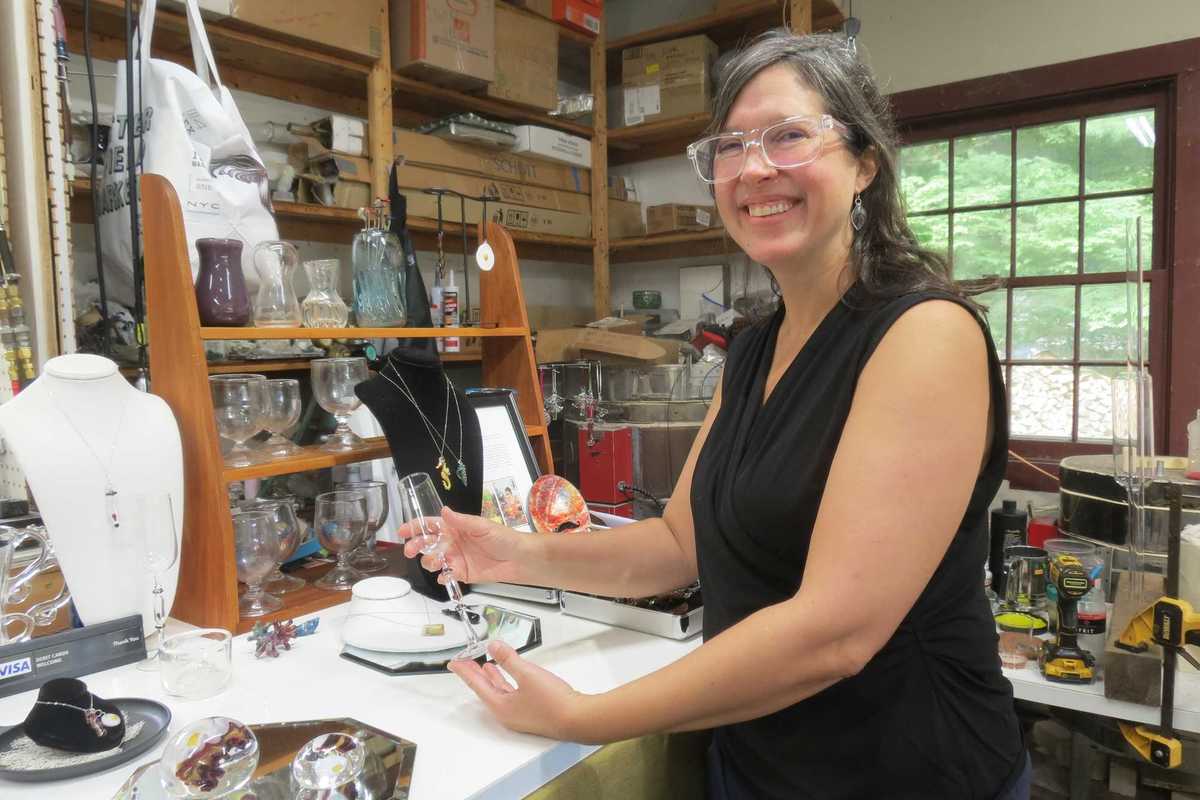
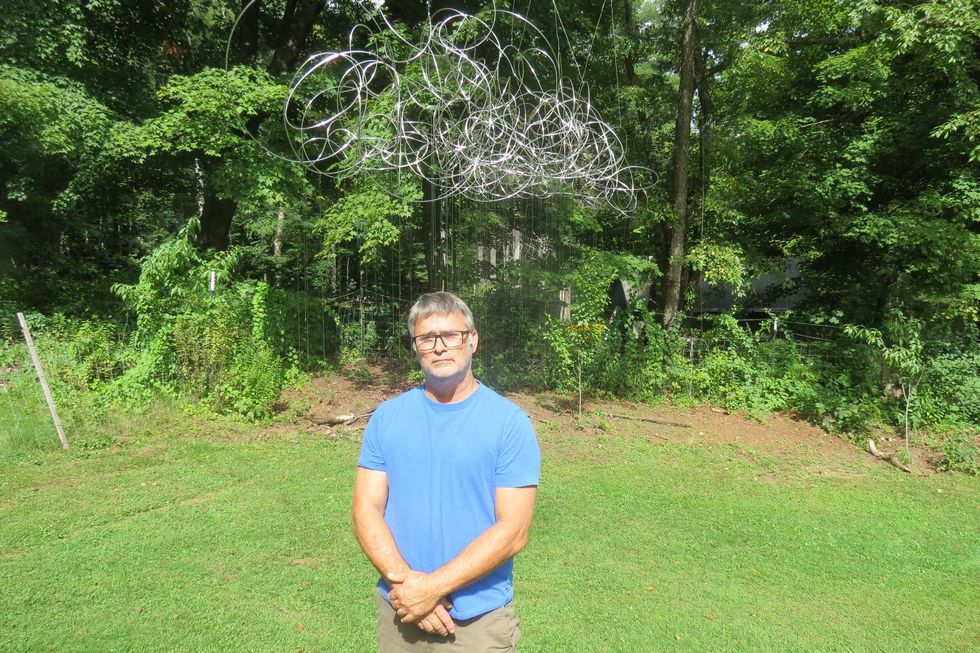 David Willis creates sculptures from glass and stainless steel. Ruth Epstein
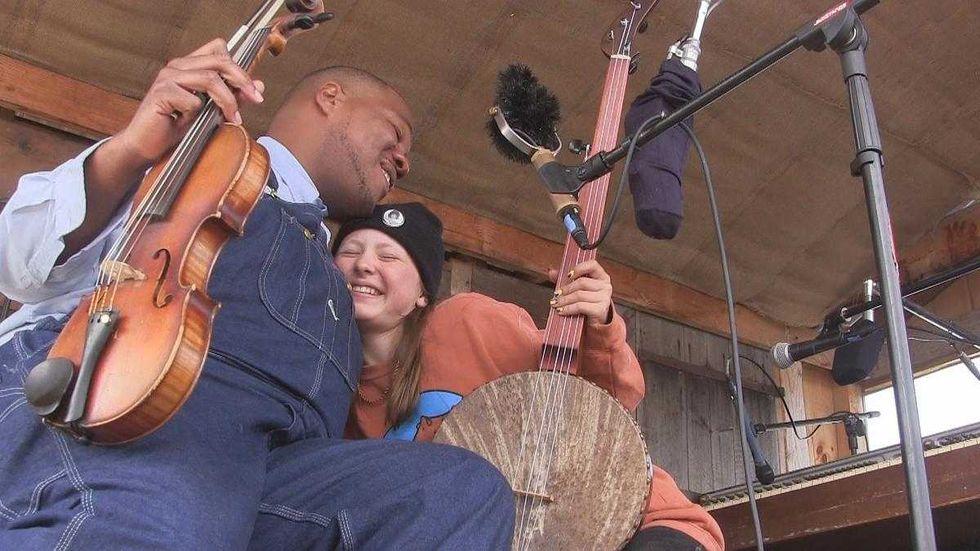 Jerron Paxton & Nora Brown at Oldtone Music Festival in 2025.Reed Shuzts