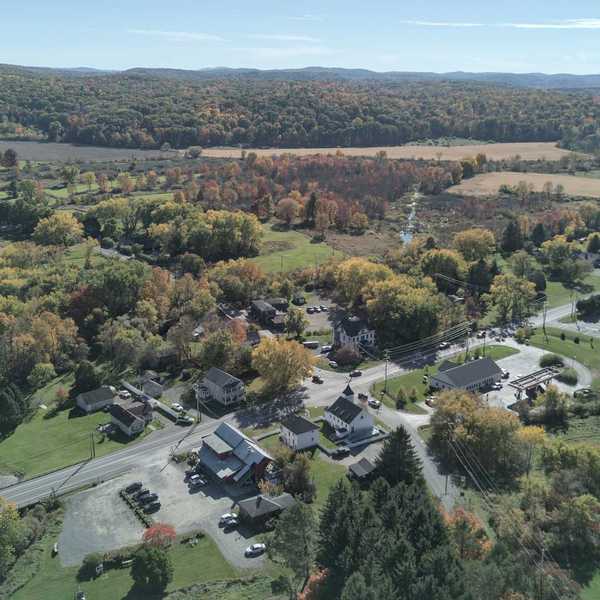
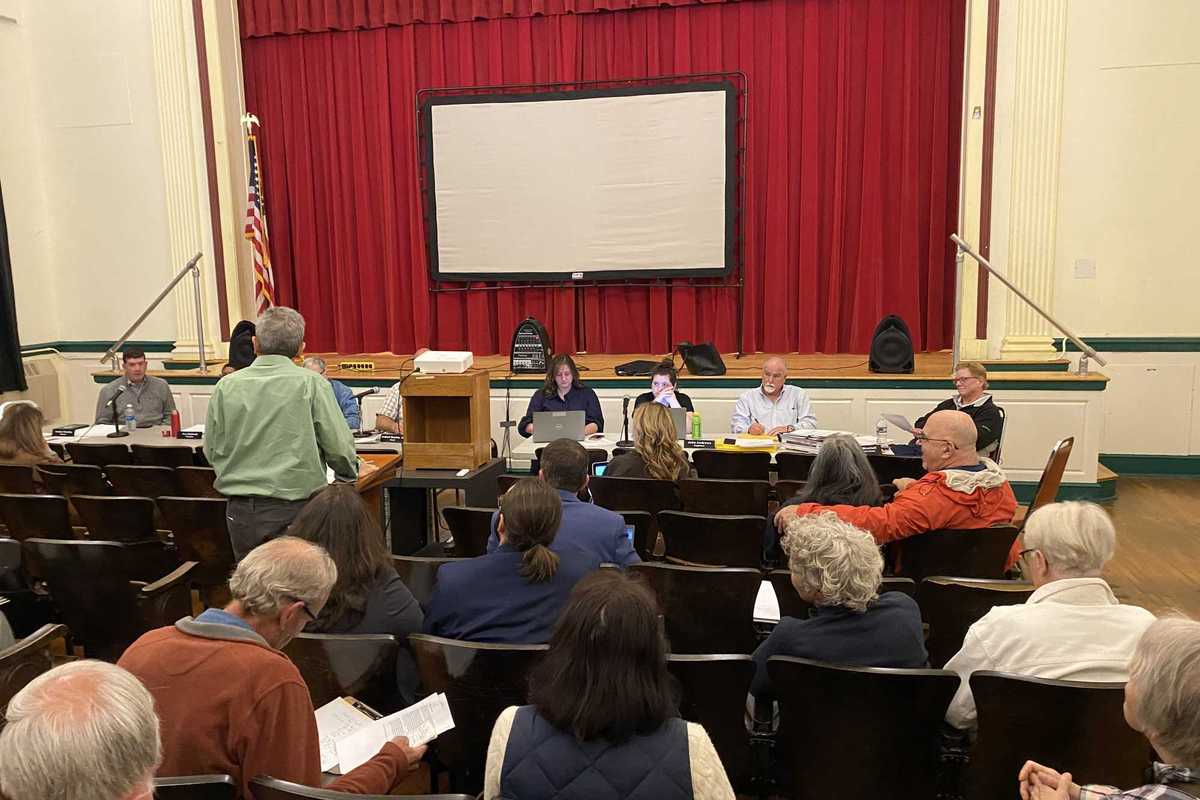
AMENIA — About 80 residents gathered in Town Hall for a public hearing on Cascade Creek, a 26-unit housing development being considered by the Planning Board. Holding the hearing open until Wednesday, Nov. 11, to allow for the gathering of any additional written comments, the Planning Board agreed to meet with the developer in the interim to discuss residents’ concerns.
Proposed by the Poughkeepsie nonprofit Hudson River Housing, the 24-acre site on Cascade Road would be divided into 26 residential lots to be used for single family workforce housing, modular in design, on quarter-acre lots. The homes would be sold to first-time home buyers who would each be eligible for funding to assist with mortgage down payments.
Zoned as Suburban Residential, the parcel lies within an Aquifer Overlay District with a portion standing within a stream corridor. The site is located across Route 22 from the Freshtown Shopping Plaza. The suburban residential zone typically requires a minimum lot size of one acre, but the Cascade Creek proposal allows for much smaller lots due to its classification as a conservation subdivision and plans to sell the homes in accordance with Amenia’s Workforce Housing regulations.
The preliminary subdivision planning has included a long environmental impact analysis phase that began in 2024 and was only completed in July this year. The report indicated that the subdivision plans would have no significant environmental impact.
The next step in the process will see the developer entering the site planning phase that will allow for water volume testing and more detailed plans for the site.
Residents who spoke at the public hearing, adhering to the three-minute limit, were largely critical of the subdivision plans, although some indicated that they were not opposed to affordable housing as a concept.
Several expressed concern about the potential loss of the rural character of the town posed by higher density housing. A few spoke of concerns about increased traffic and pedestrian safety along Route 22, questioning the findings of the Department of Transportation traffic study.
Habitat endangerment impacting a variety of species was a concern voiced by a few residents.
Neighbors living along Cascade Road expressed fears about the subdivision’s potential effect on their home wells, anticipating that the draw from the subdivision could lower their well water volume.
Resident Alan Peck said that the draw-down testing of wells promised by the developer might not be conclusive. If a well depletes, he reasoned, the cost will be borne by the homeowners and he asked for meaningful protection.
Peter Deister, chairman of Amenia Board of Fire Commissioners, reminded the planning board of a January letter specifying the need for 180,000 gallons of water held in three 60,000 tanks, estimated as needed for fire protection within the subdivision.
The duties of the Housing Board in relation to the subdivision was an issue raised by Cascade Road resident Ashley Merritt.
“The Housing law needs to be clarified,” Merritt said, feeling that the Housing Board would be responsible should there be a project failure. She urged a requirement for a performance bond as security to protect the town.
Resident Kim Travis urged that the rural character of the community be protected, arguing that 26 small lots would introduce the look of an urban community.
Resident George Bistransin questioned whether the current subdivision plans qualify as a “conservation subdivision” under the town code. He asked that the planning board examine the developer’s plans to determine whether revised plans submitted in summer 2026 meet the conservation requirements.
Resident Judy Moran asked about plans for project management once the subdivision is built. She felt that the Workforce Housing plans should have been presented to the Housing Board and that the Town Board should consult with the Housing Board about relevant issues.
Moran felt that the Housing Board should have ultimate authority over the project and she suggested that the developer retain a qualified management company for the project.
Seeking clarification, resident Michele Topolsky asked for a clear definition of the difference between affordable housing and workforce housing.
Attorney Allan Rappleyea, of Corbally, Garland and Rappleyea in Millbrook, represented the residents at the meeting, raising questions about the fiscal impact of the proposed subdivision, and the possibility of prioritizing Amenia residents who might want to live there. He asked for the number of people already identified who might want to reside in the subdivision when it is built.
“This is not consistent with the existing Comprehensive Plan,” Rappleyea said.
Dutchess County legislator Eric Alexander said that a number of his constituents are deeply concerned about the subdivision application and he asked Hudson River Housing representatives to provide updates to his office throughout the process.


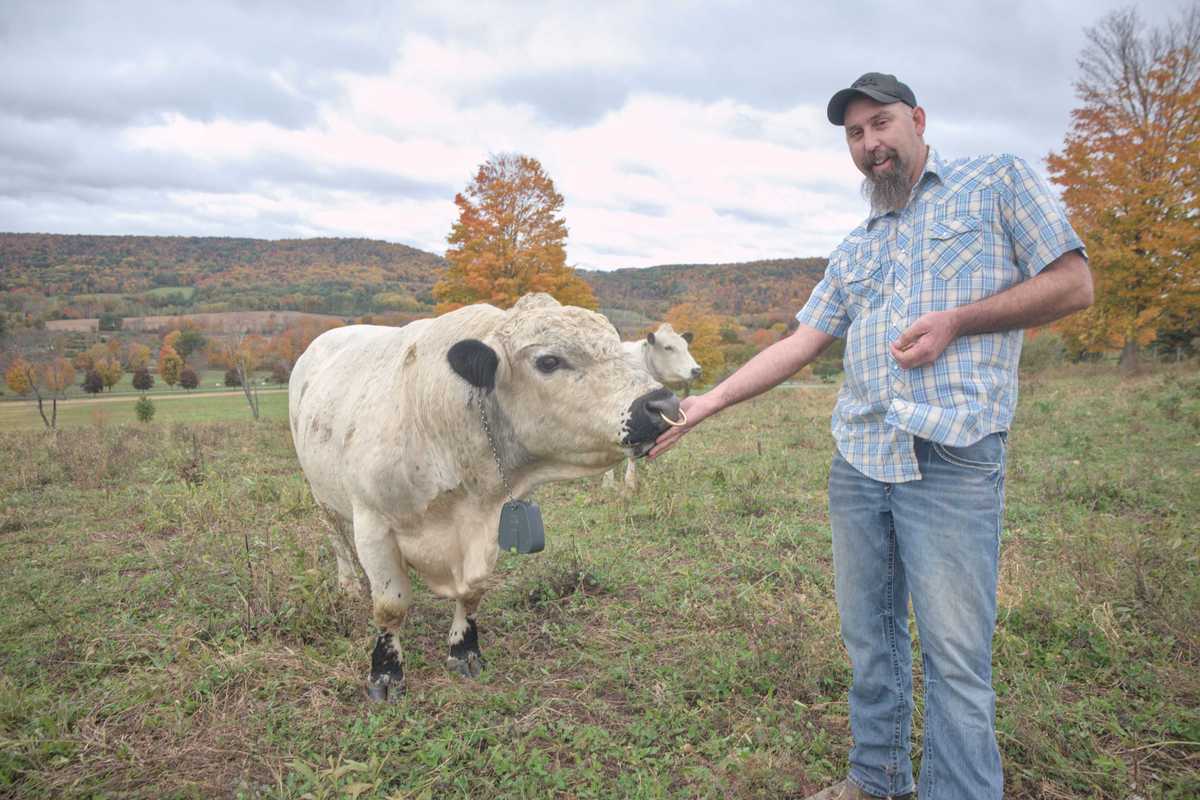
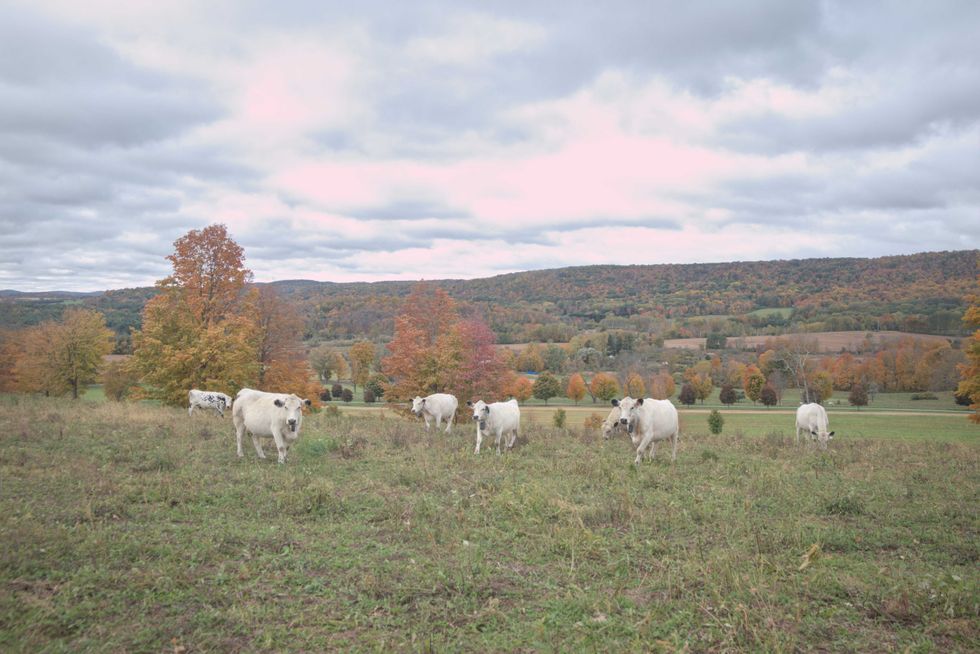 A group of English white cattle graze a pasture off of Downey Road in Millerton. The cattle are contained using “virtual fencing” technology that uses GPS-enabled electric collars rather than physical barriers.Photo by Nathan Miller
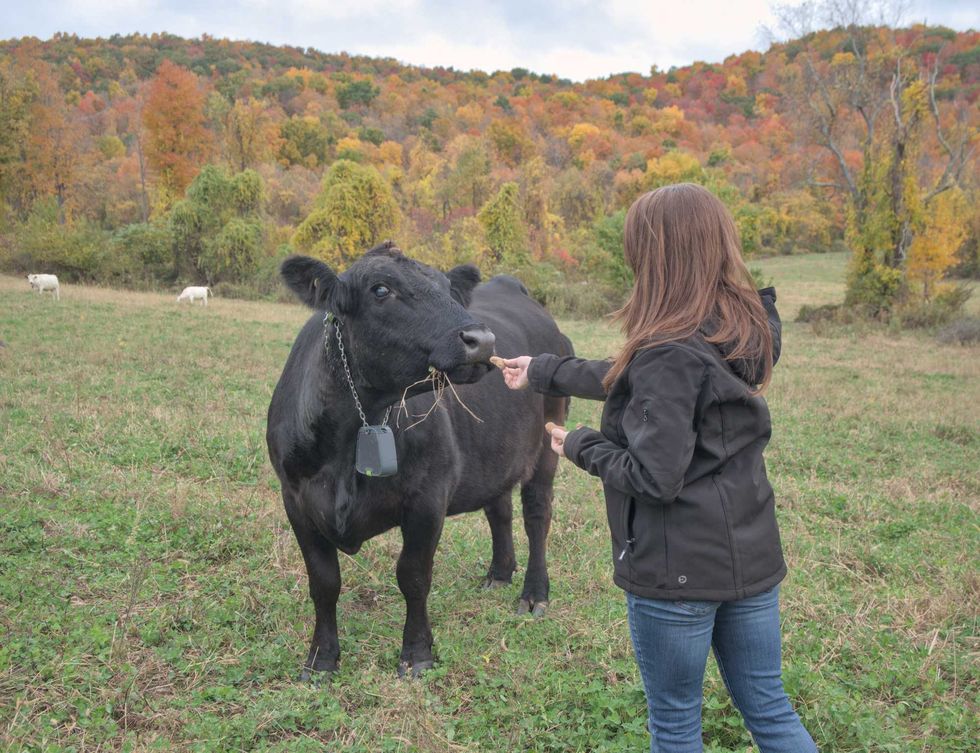 Heather Kading feeds a black angus cow at the former Kaplan dairy farm along Route 22 south of Millerton. Around the cow’s neck is a Nofence GPS-enabled collar.Photo by Nathan Miller

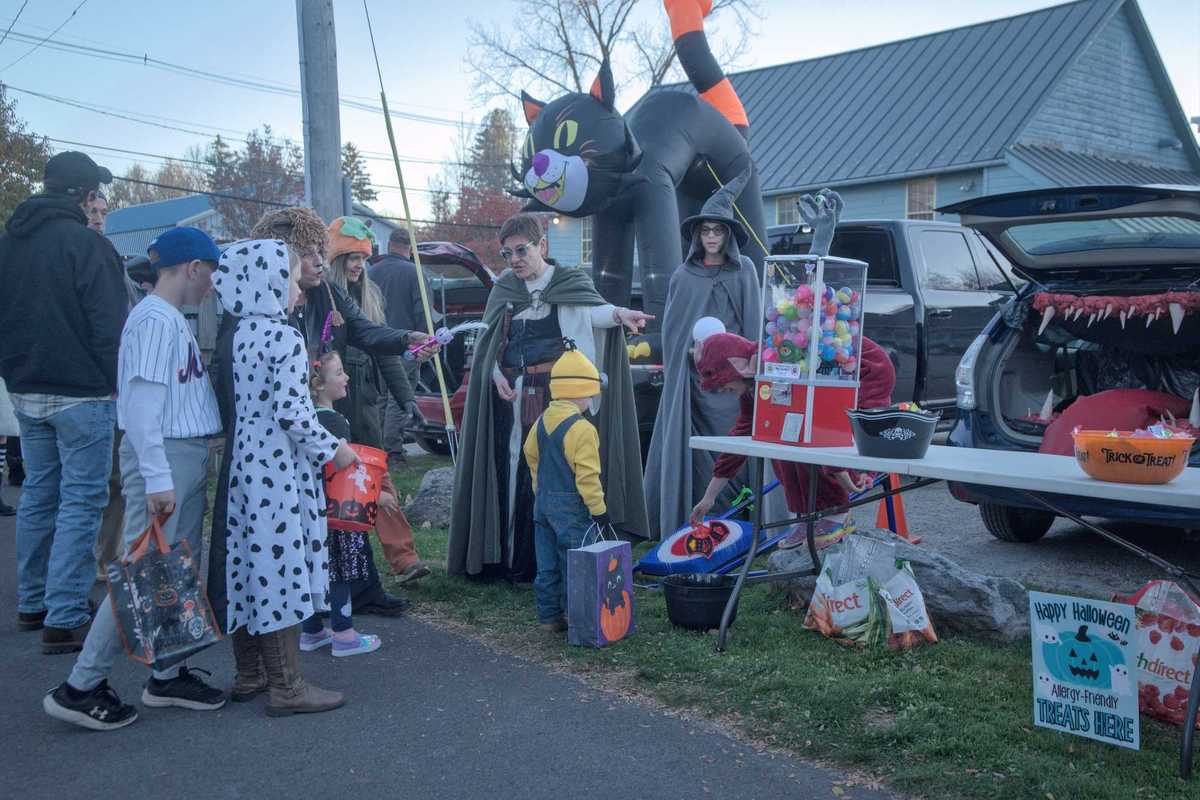
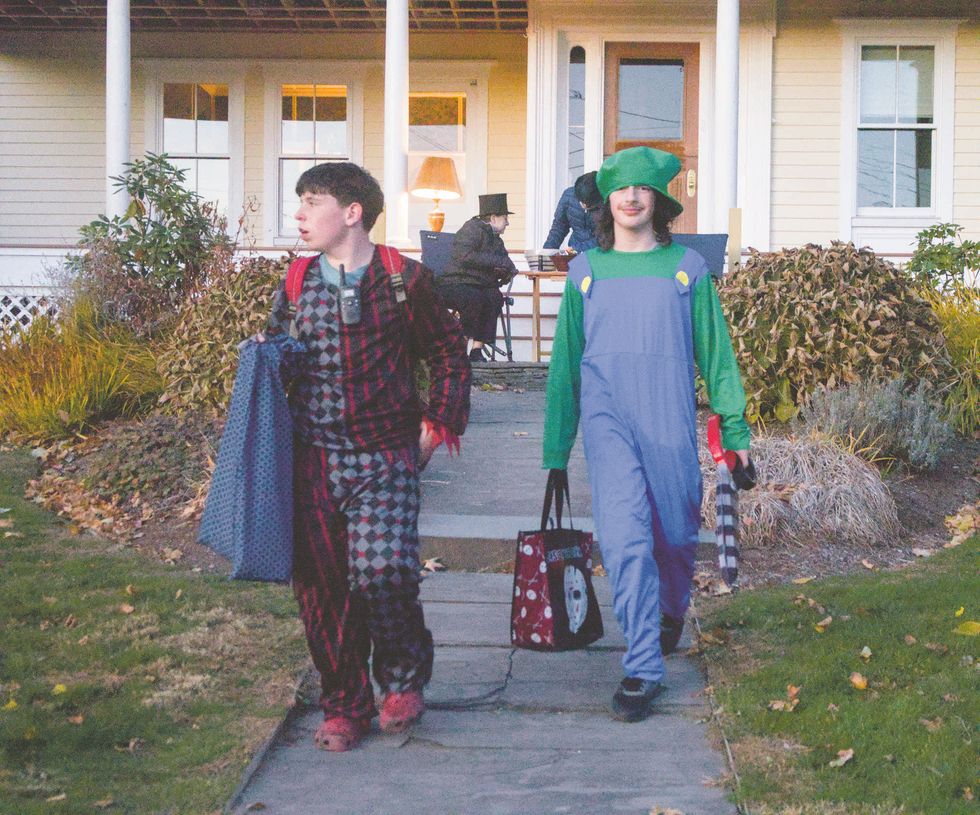


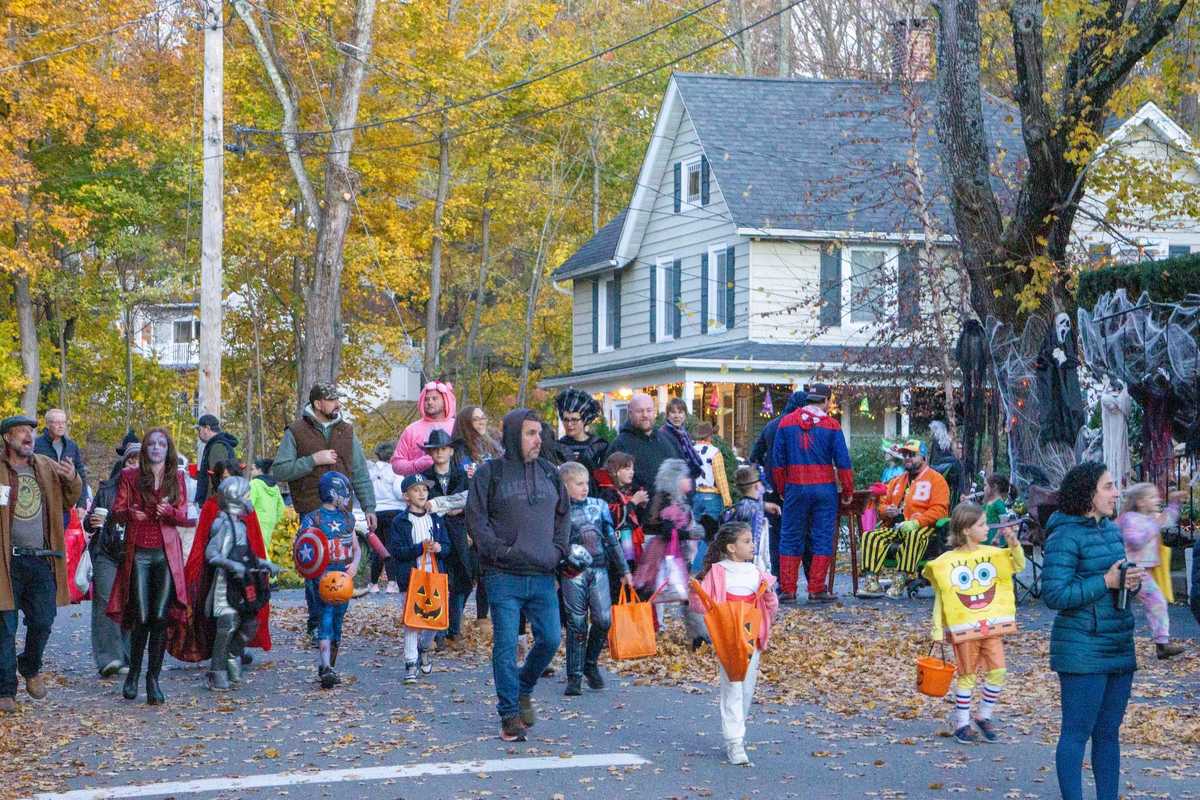
 An oyster, snoopy, and the Michelin man pause at the corner of Church and Reservoir drive in Millbrook amid a night of trick-or-treating.Photo by Santi Slade