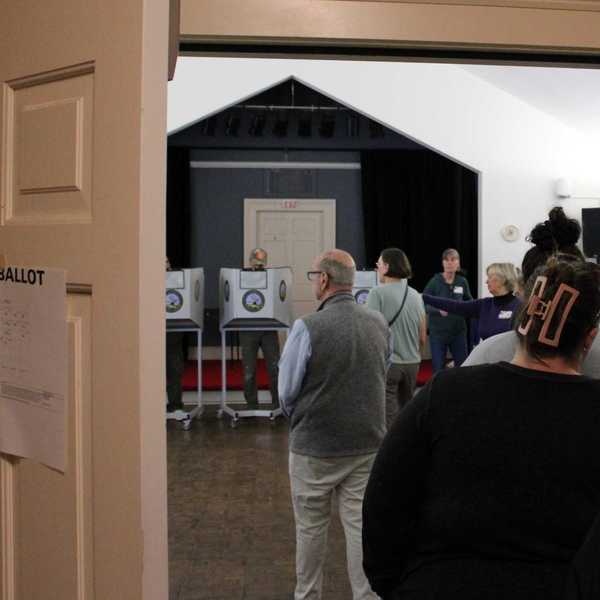
Now, 30 years later and in his late 60s, Jones is at the point in his life where he’s ‘figuring out how to land the plane.’
My husband and I first met Dave Jones in 2019, after we’d just moved into our house in Lakeville, a former auto repair garage with 14-foot-high ceilings that had been renovated into a residence. One day, when we woke up to a dead car battery, we called Lakeville Automotive, the nearest repair shop. Jones answered the phone a bit gruffly but then surprised us by showing up in half an hour to jump-start our car. We invited him inside for coffee, and looking around, he said with a grin that for 10 years, back in the day, he’d stored his Mazda Miata right in our living room.
From then on, whenever our 2012 Mazda 3 has needed a tuneup, new brakes, tires or a new exhaust pipe, we’ve taken our car only to Dave. (It still purrs like a kitten when driven.) When you know diddly-squat about cars like I do but love the car you have so much you want it to last a couple of hundred thousand miles, you need a mechanic who knows his stuff, will be there for you and is fair and trustworthy. That’s Jones.
The second of four children, he was born not far away, in Sharon. When he was in grammar school, however, the family moved to Florida and stayed for five years. While only in his early teens, he started using what he simply calls his “knack for cars” to take engines apart and put them together again. “I made lots of mistakes,” he said.
It wasn’t until his family moved back to Connecticut and he was 16, a junior enrolled in a work/study program at Housatonic Valley Regional High School, that his car tinkering turned serious. Jones got a job working at Arnold’s Garage in Canaan, driving back and forth in what he considers his first “real car,” a ’69 Mustang. To this day, he still drives his second “real car” — a ’68 Dodge Dart that, when he was younger, he drove in drag races at Lebanon track.
After his stint at Arnold’s, Jones spent the next several years working at a succession of garages — Autosport in Sharon, Jack’s Auto Service in Wassaic and Hans Rocke in Lakeville. He then spent five years working with his father doing excavation but, realizing that was “a wrong turn,” returned to Autosport for another five years.
Jones also moonlighted, repairing friends’ cars in his yard in Salisbury. Growing tired of the buildup of cars on his property and, more importantly, realizing he’d be a lot better off financially if he opened his own shop, he took the plunge and purchased an abandoned gas station in downtown Lakeville in 1996, converting it into Lakeville Automotive.
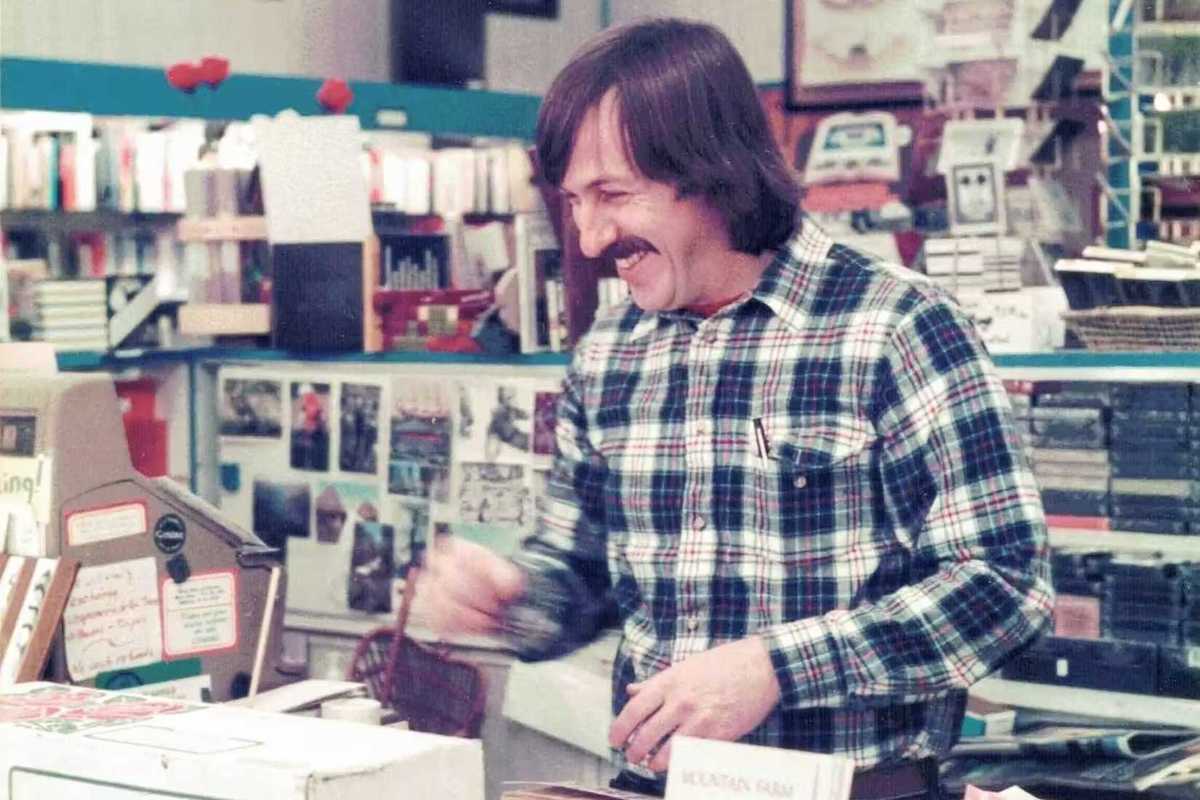
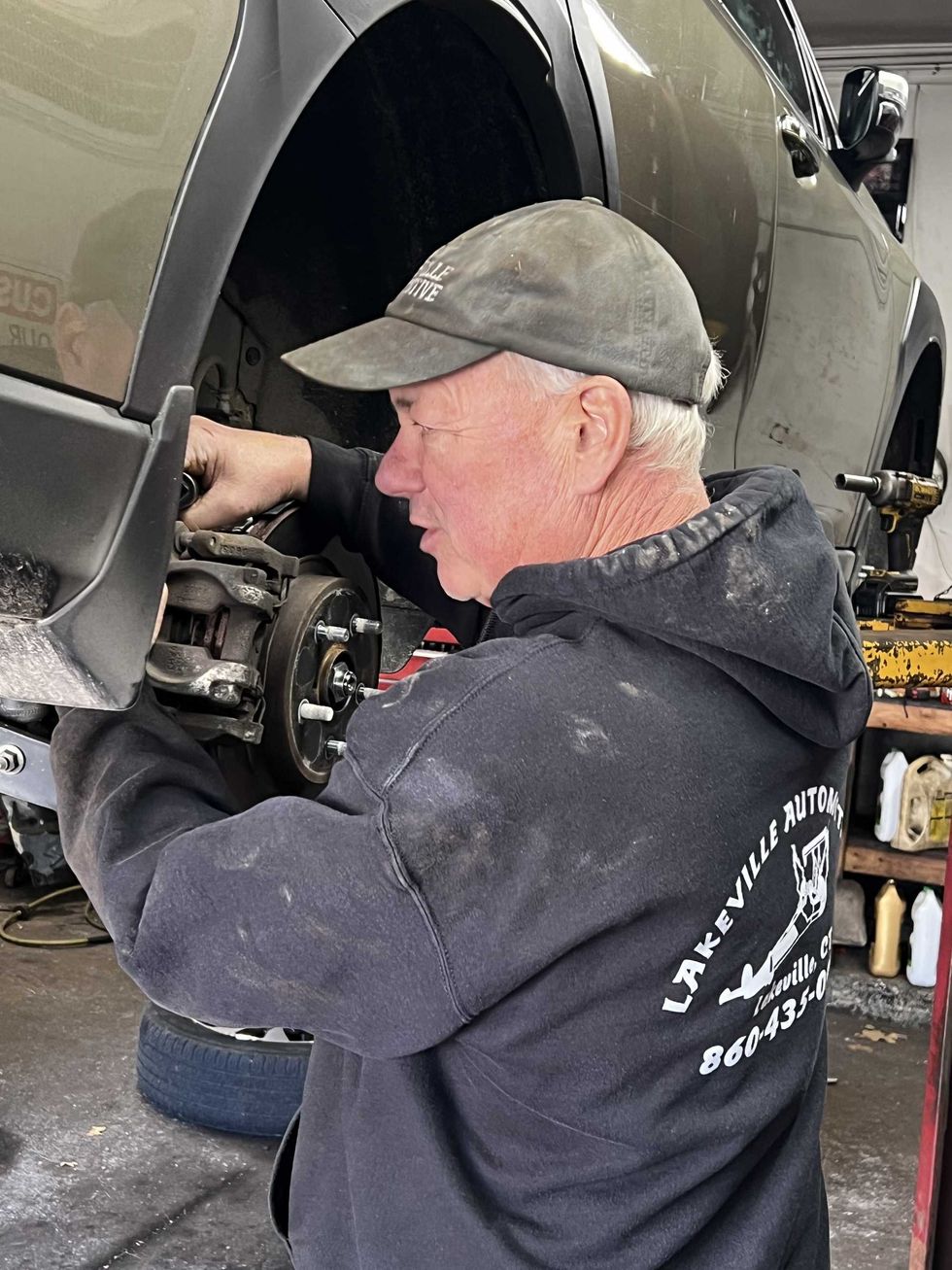 Dave Jones, owner and chief mechanic at Lakeville Auto. Laurie Fendrich
He had to teach himself the business and bookkeeping side of things, which he says led to some mistakes that cost him considerable money. Eventually, he learned enough — along with his know-how with cars — to make his shop succeed.
Now, 30 years later and in his late 60s, Jones is at the point in his life where he’s “figuring out how to land the plane.” Not quite ready to retire, he’s deliberately slowing things down. For almost a year, he’s been without an assistant mechanic and, by choice, is working strictly on his own.
Several years ago, Dave bought a 25-foot pontoon boat. For the past eight years, he and his longtime partner, Edith Hanzy, have spent their summers moving lazily about Twin Lakes. In the fall, they have the boat wrapped up, and in March, they tow it south to Florida, where they’ve been renting the same house in Cape Coral for the past eight years. There, they moor the boat right outside their home and spend days and nights traversing the 400 miles of canals in the area, spotting manatees, beautiful birds and dolphins trailing them by day and gazing at the stars at night.
Jones reflects that it’s not as much fun working on cars as it was in his youth. Newer models have a plethora of electronic control modules (ECMs) and don’t require his kind of mind/eye/hand intelligence. He says — almost but not quite jokingly — that “Cars are evil.”
He doesn’t mean environmentally, although he understands the impact of internal combustion engines on our planet. He means the feeling that there are malevolent forces at work when you labor on a car. Only someone whose knowledge is built on years of experience working with his hands knows what it feels like for a bolt to suddenly, and for no reason, snap in half, thereby turning an hour-long repair job into a full day’s work.
Here’s to Jones taking a long, slow approach to landing that plane of his. Many of us want him to stay in Lakeville for a lot longer and not entertain any ideas about sailing away to Florida.





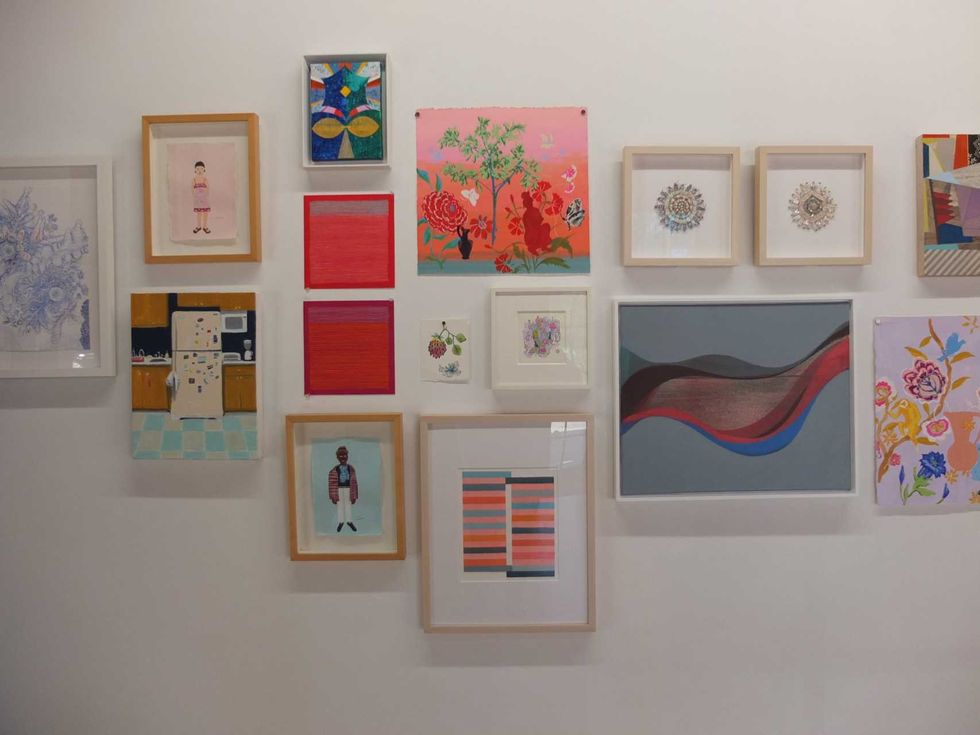 Part of “Cool & Collected” at Kenise Barnes in Kent.D.H. Callahan
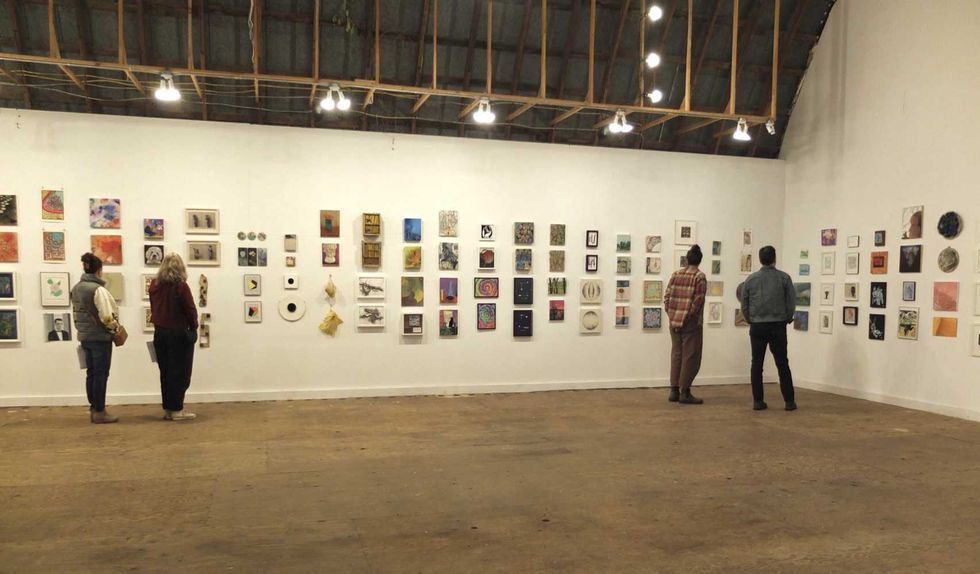 The Re Institute’s Holiday Show features more than 400 works by over 200 artists through Dec. 6, with a closing party from 1 to 4 p.m. that day.D.H. Callahan
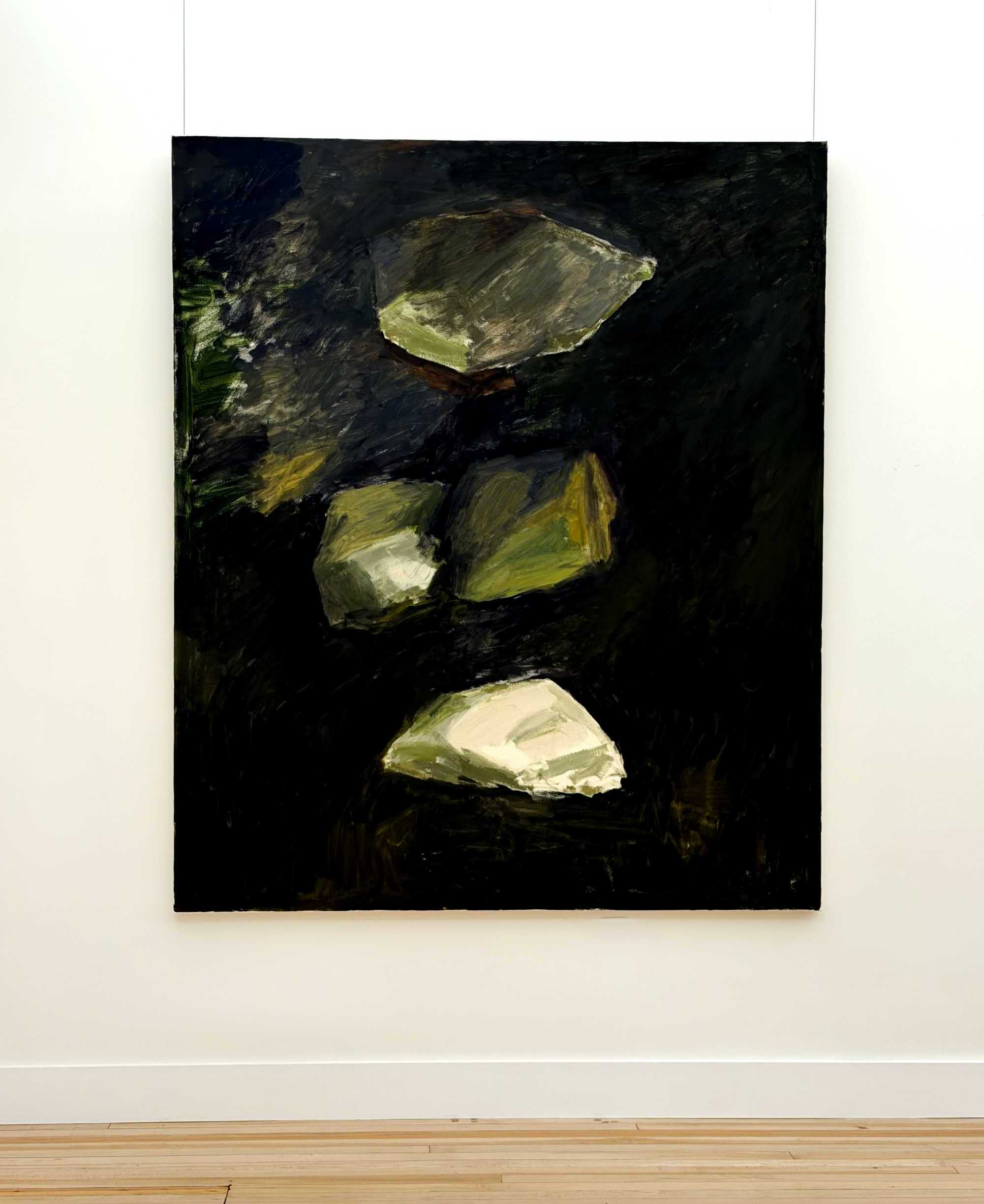 “From Ground to Gravity,” 2026, Oil on Canvas, 77 x 65 inchesProvided
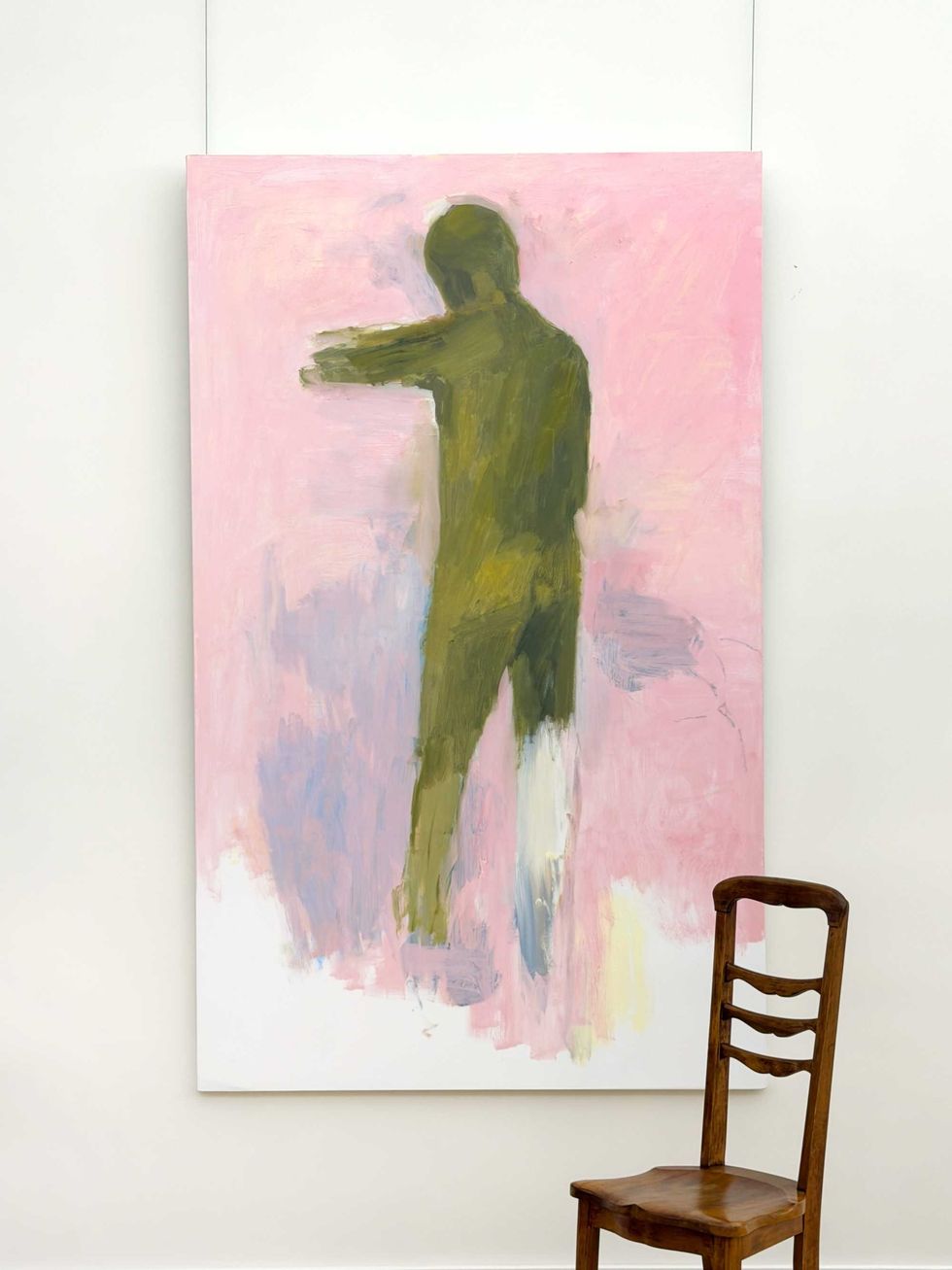 “Nature Eternal,” 2026, Oil on Canvas, 77 x 47 inches.Provided