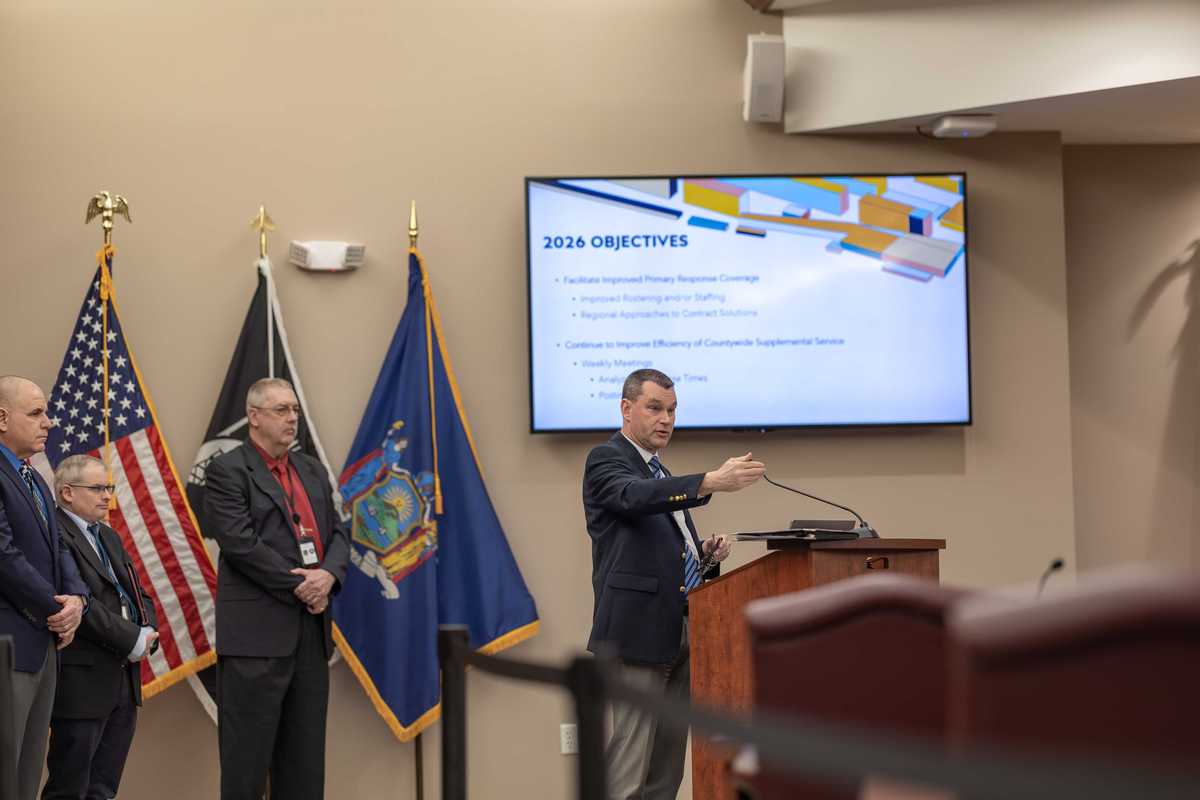
MILLERTON — Empress Executive Director Robert Stuck provided details of a proposed regional emergency medical service system to North East Town Board members on Wednesday, Nov. 4. He said the changes would save each town hundreds of thousands of dollars in EMS costs by pooling resources with neighbors.
Stuck said the new so-called dynamic system would better use the company's labor and equipment and would ultimately reduce the total number of ambulances servicing North East, Amenia, Washington and Stanford. Under the new agreement, the four towns would share three ambulances that, placed strategically between each of the towns and repositioned to provide backup for occupied EMTs and paramedics. Stuck said the dynamic model would cut North East's upcoming 2028 contract by $675,000.
“The service is the same, but the trucks are going to move a lot more,” Stuck said. By combining several towns’ EMS contracts into a shared service, the company will reduce costs associated with staffing and operating their ambulances.
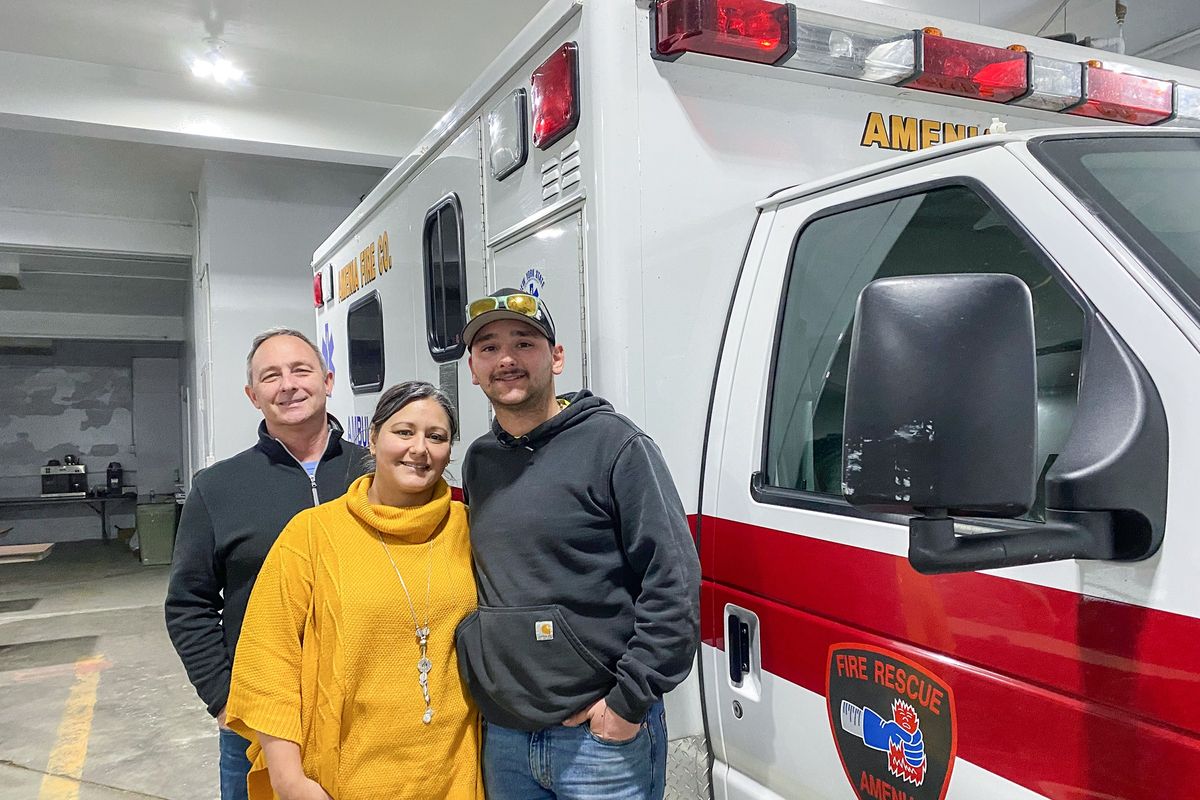
Currently, each of the four towns — North East, Amenia, Washington and Stanford — has their own dedicated ambulance. Those trucks go unused many days out of the year due to low call volume in the area. Empress data shared at the meeting revealed that for the first 9 months of 2026, there were 130 days that North East’s ambulance did not leave its station. That number was 46 days for Washington, 55 days for Amenia, and 146 for Stanford.
An Empress ambulance costs $1.4 million to run, equip and staff per year, Stuck said. “Seventy percent of that is just salaries,” he said. “EMTs were making $15 an hour 10 years ago. Today they’re making close to $50 an hour. These people are out saving lives. They deserve to make a living wage. But there’s a cost to that.” According to data from the Bureau of Labor Statistics, the median hourly wage for emergency medical technicians in New York was $23.27 per hour as of May 2025.
Empress covers the $1.4 million cost of running an ambulance through a combination of patient insurance reimbursements and municipal contracts. Ambulances that go unused generate less money from insurance, leaving municipalities to pay an often hefty remainder.
Under the existing contract, North East’s cost burden would climb to $1.3 million in 2028. Amenia would owe $1.1 million.
Stuck said the proposed consolidation would allow for significant cost savings — North East’s 2028 bill would drop to $625,000, a savings of $675,000.
The new model would use three advanced life support (ALS) vehicles, down one from the current four. That number drops to two at night, with a basic life support vehicle replacing the ALS ambulance in Stanford.
When one ALS ambulance is called into action, the remaining vehicles shift to fill the space. Stuck detailed a number of scenarios using the company’s interactive map, keeping response times steady by repositioning the remaining ALS units as an ambulance was called in different corners of Northeast Dutchess. The dots moved defensively, shoring up gaps as they emerged.
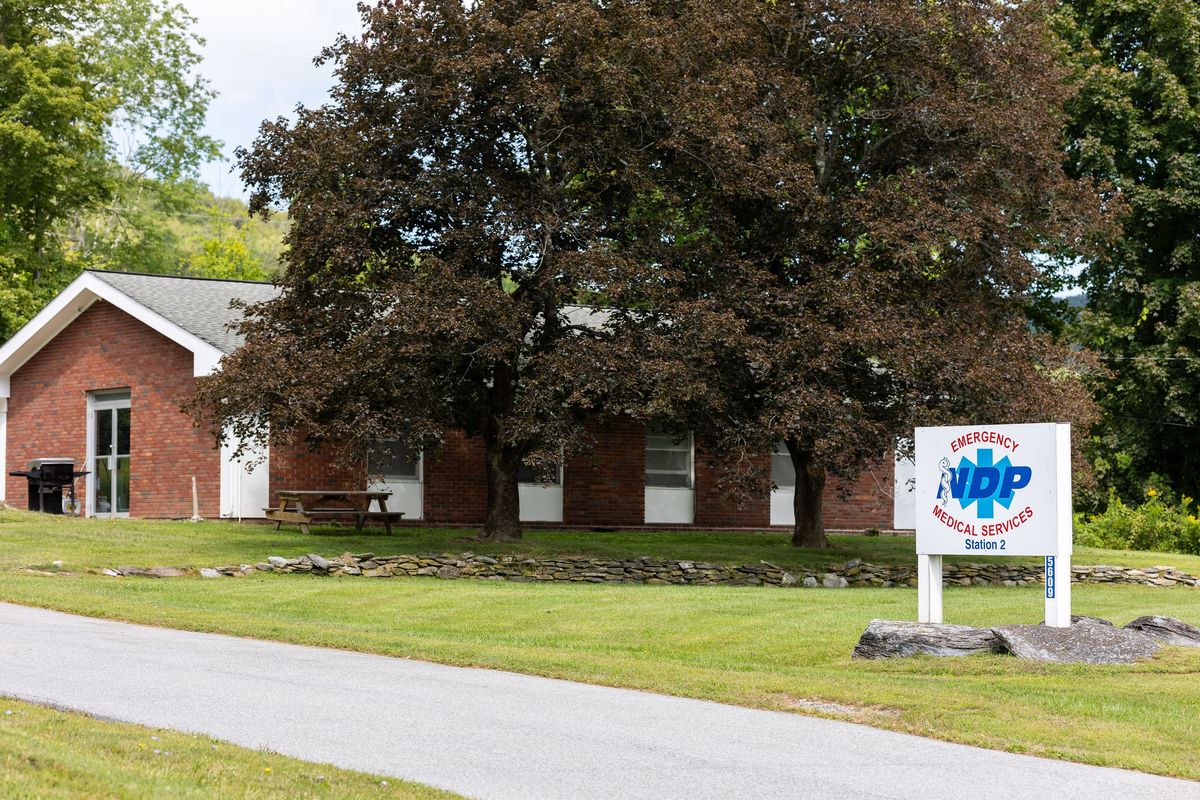
“The new technology that’s really helping us is the GPS,” Stuck said. “Being able to predict response times. The data’s always been there, but it’s new to us because we really just took these systems over in October of last year.” Empress took over EMS service and gained access to data in northeast Dutchess when the company purchased Northern Dutchess Paramedics in 2025.
North East is entering the second-to-last year of its pre-existing 5-year contract with NDP. The cost of EMS has ballooned in that time, from $376,858 in 2024 to $746,000 in the coming fiscal year.
In addition to financial challenges, the dynamic system intends to address service issues. One of the immediate effects of the dynamic system, Stuck said, will be to cut long wait times on calls received when a town’s sole ambulance is already in service.
The rural geography in northeast Dutchess means round trips to Vassar Hospital can take an ambulance out of commission for several hours. With the second and third ambulances able to float, those second calls could be answered as quickly as the first, Stuck said.
In the dynamic daytime system, one ALS ambulance team would start their day at the existing substation between Millerton and Amenia. To the west, a Stanford ALS vehicle waits. The third starts in Millbrook.
At night, the two ALS ambulances would start in Millbrook and between Millerton and Amenia. A Dutchess County Supplemental ALS vehicle would support Stanford from Rhinebeck. Existing mutual aid networks and fire departments, Stuck said, will not be affected. “The system still probably has too many resources because of the volume,” he said. “But because of the geography, you can only go so far.”

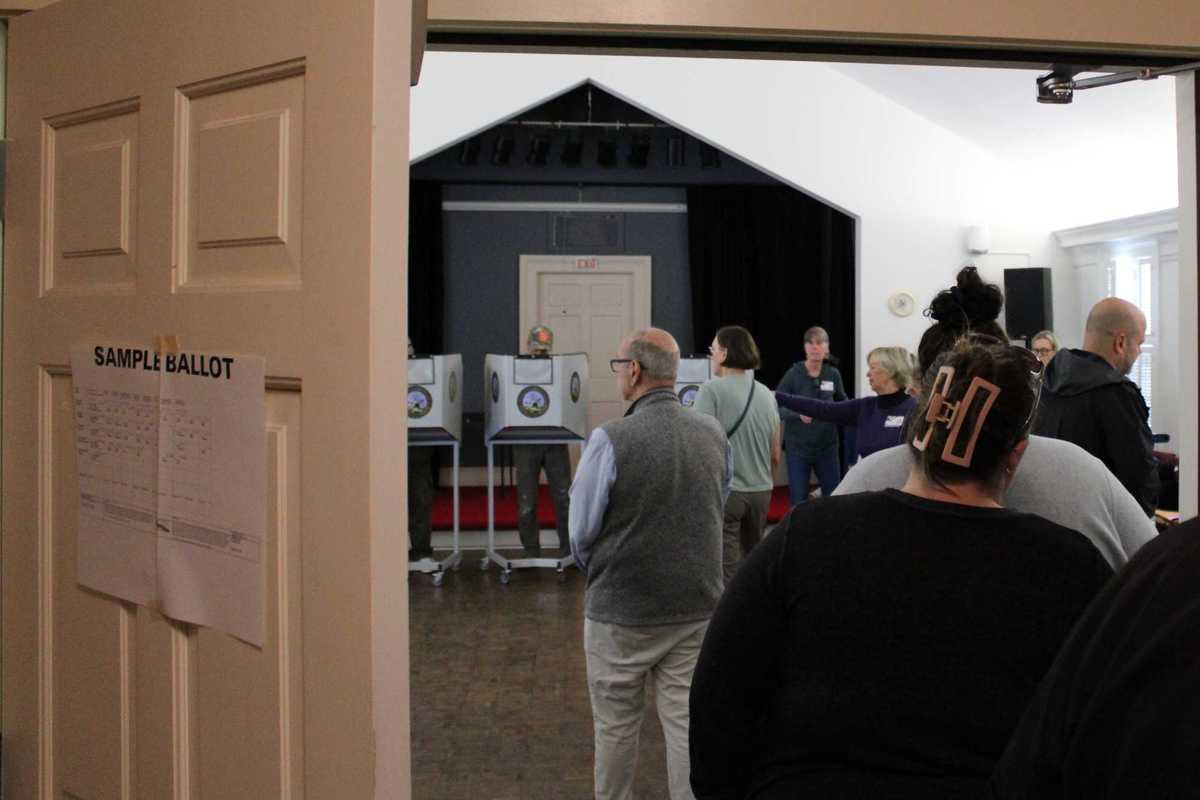
 Amenia voters fill out their ballots at Church of Immaculate Conception. Voters weighed in on a variety of high-profile positions, including governor and attorney general.Photo by Graham Corrigan
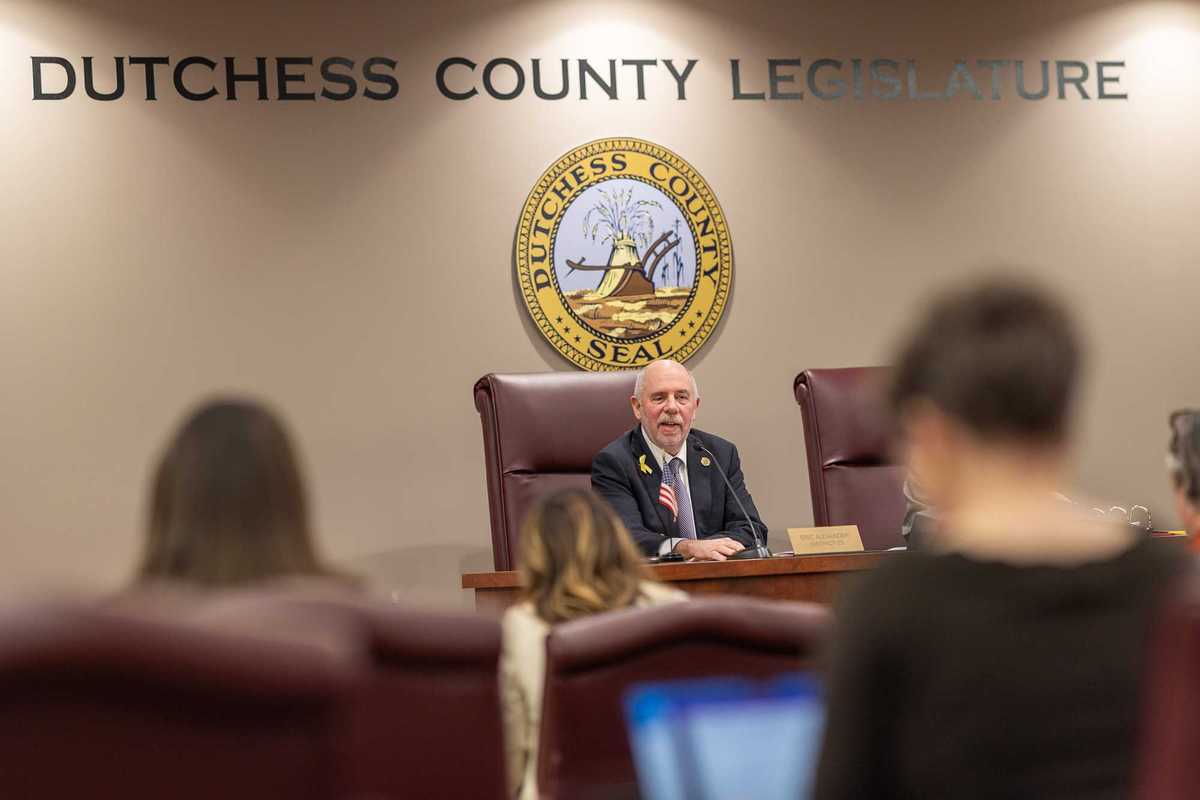
 Eric Alexander, back right, watches voting results for his County Legislator race alongside his staff and fellow Dutchess Democrats. Alexander retained his seat, defeating challenger Stefanie Hubert by 440 votes. Photo by Graham Corrigan
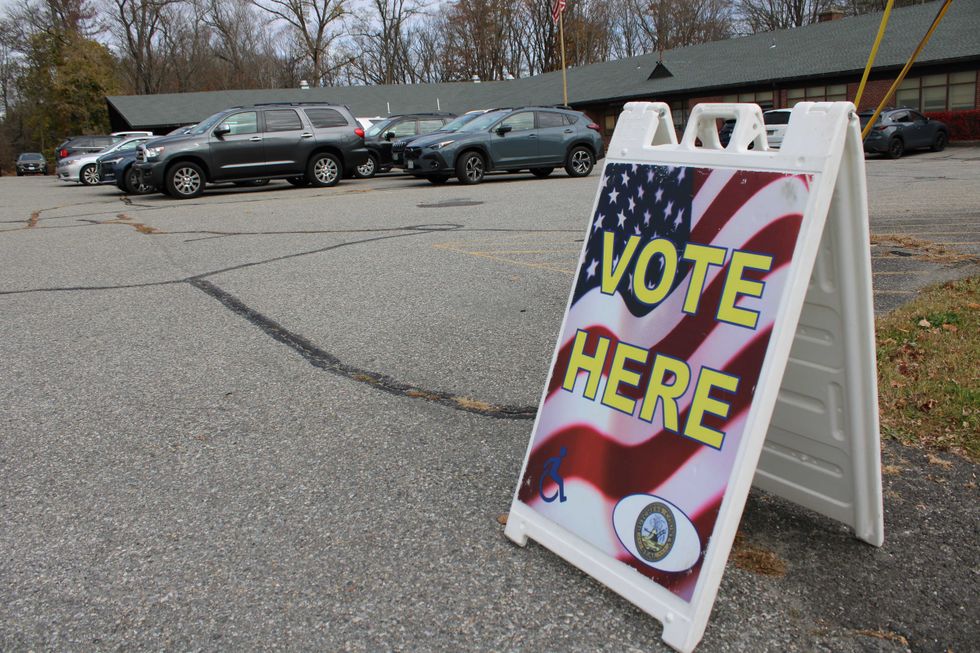 Amenia's polling location is Church of Immaculate Conception on Lavalle Road.Photo by Graham Corrigan


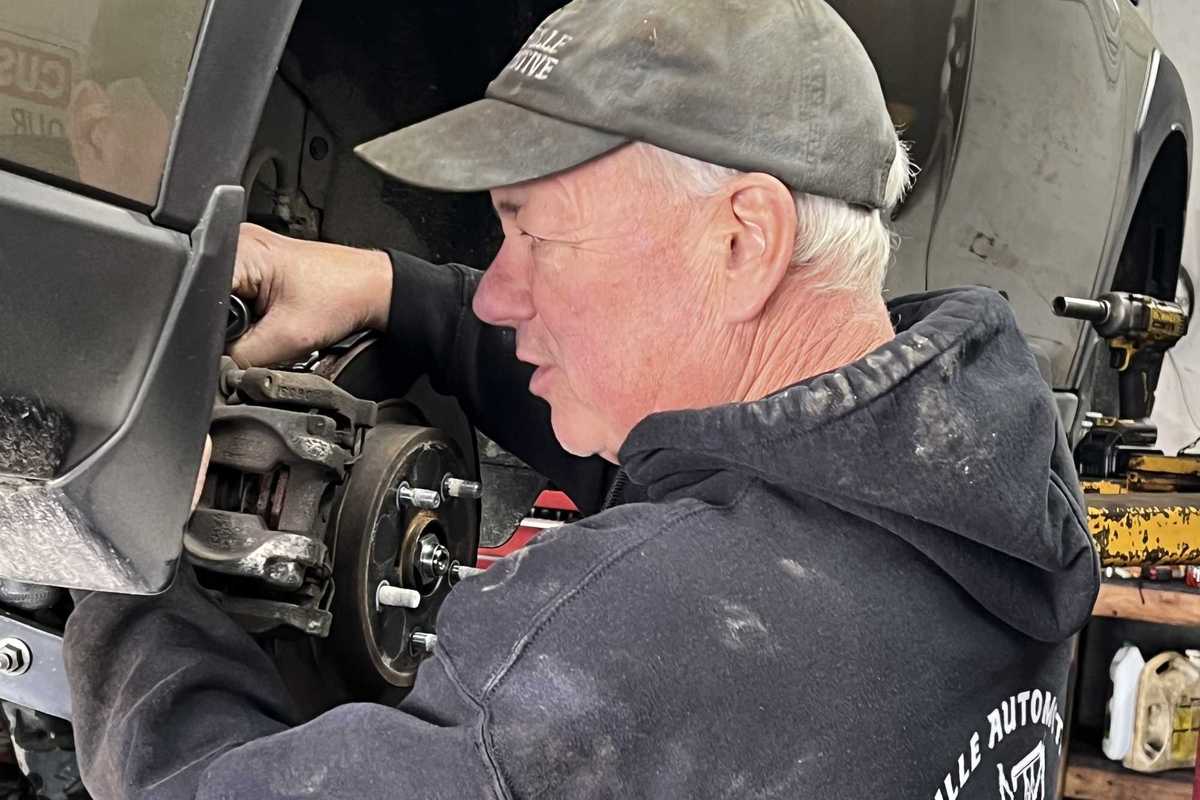
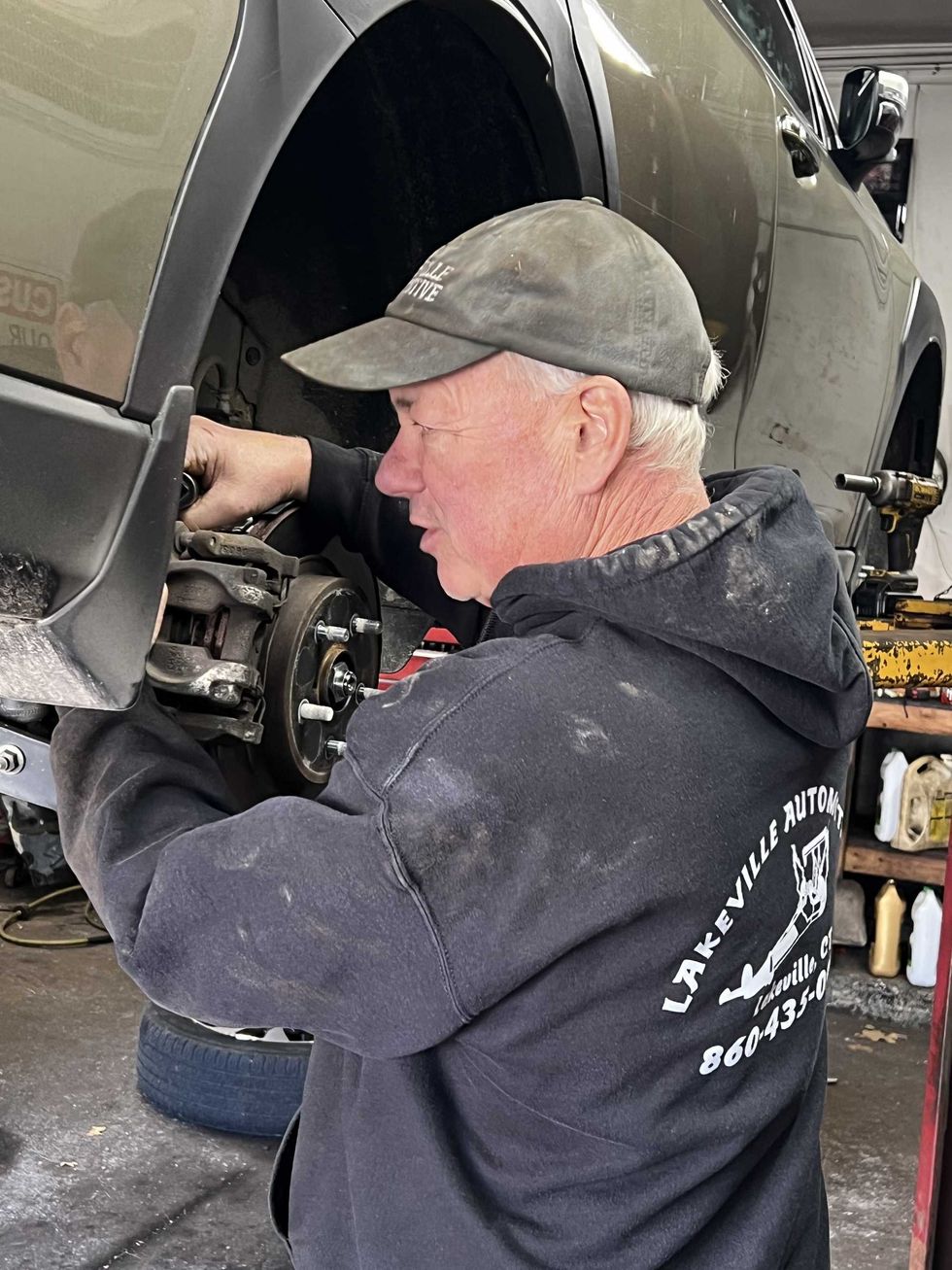 Dave Jones, owner and chief mechanic at Lakeville Auto. Laurie Fendrich