MILLERTON — Cattle grazing without a visible fence at the former Kaplan dairy farm on Route 22 have prompted calls from passing motorists and visits from police. But farmer Jason Culver says the cows are right where he wants them.
The Millerton beef producer is using GPS-enabled collars to keep his cattle within boundaries he draws on his cellphone. When a cow approaches the invisible boundary, its collar sounds a warning. If it keeps going, it receives an electric shock.
“People would see them — even people I knew — they were pulling into the driveway,” Culver said. “The troopers, the sheriffs, everybody. We still get calls, but not nearly as many.”
Passersby and law enforcement who contacted Culver expressed confusion and concern over who the cows belonged to and whether they were wandering the countryside. Those concerns were quickly abated, Culver said, once he explained the cattle were being contained by his new virtual fencing system.
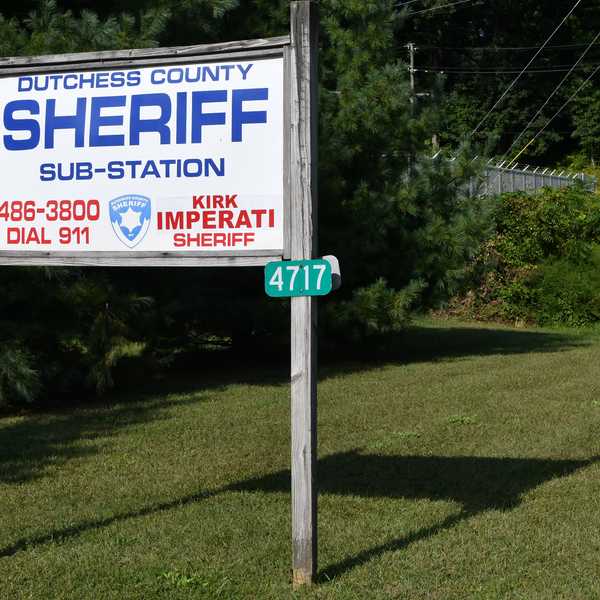
He said the concern never rose to the level of an official complaint, and New York State Police and Dutchess County Sheriff personnel were satisfied with Culver’s description of the technology and assertions the cattle were contained despite a lack of a physical fence.
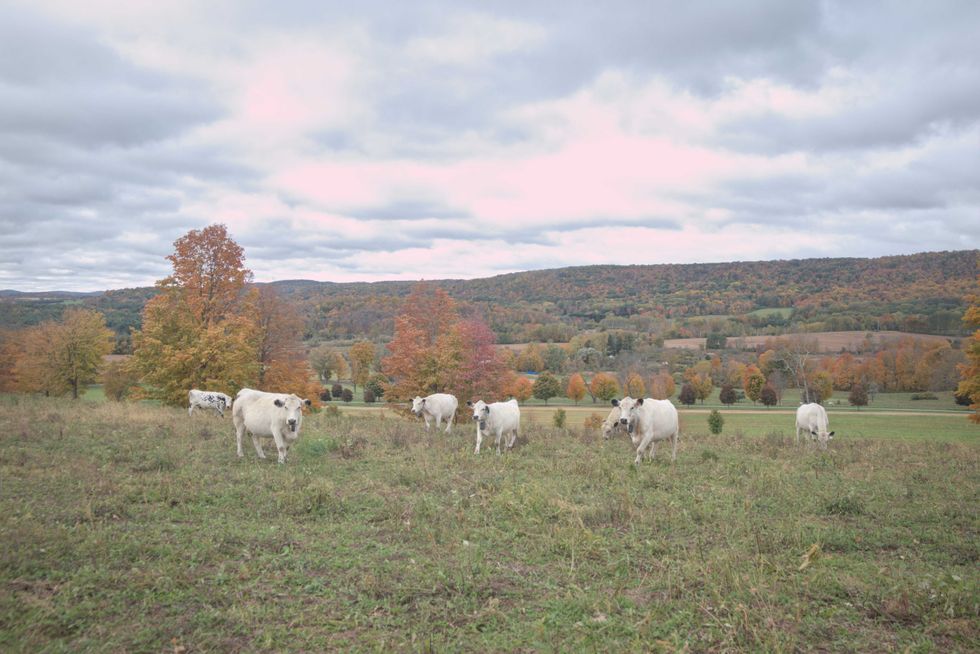 A group of English white cattle graze a pasture off of Downey Road in Millerton. The cattle are contained using “virtual fencing” technology that uses GPS-enabled electric collars rather than physical barriers.Photo by Nathan Miller
Use of the technology has been slow to catch on in the United States, especially in the nation’s eastern half.
New York State law specifies that farmers are responsible for containing their livestock, but does not specifically require physical fences. The unfamiliar technology triggered more curiosity than controversy, Culver said, and reassurance that the cows were intentionally placed in the pasture set the general public and police officers at ease.
New York farmers are still largely unfamiliar with the technology. A New York Farm Bureau representative said the organization currently has no members that use virtual fencing. Rich Blazeski, who serves as a regional chairperson for the New York Beef Producers Association, similarly reported being unaware of any farmers that use similar collars. A spokesperson for the state Department of Agriculture & Markets said the agency has offered no guidance on the use of virtual fencing, and that state law currently does not regulate the devices.
Culver demonstrated the collars and how they’ve changed his farming practices during a visit to two of his herds on Thursday, Oct. 15.
The collars are battery-powered and connect to GPS satellites orbiting the globe to provide real-time tracking and the ability for farmers to set virtual boundaries.
Culver uses an app on his cellphone to connect with the collars. He can see each cow’s real-time position on the map and adjust boundaries for the animals, limiting them to specific sections of a pasture. As a cow approaches one of the virtual fences, the collar will play a warning tone. Cows that continue to stray out of a boundary receive a shock from the collar.
The virtual boundaries are effective, Culver said. Cows have strong herding instincts, and don’t typically wander away from their group for very long without good reason. According to Nofence’s website, this behavior inspired the use of virtual fencing. By eliminating fences, the website states, livestock are free to escape threats from predators unimpeded by a physical boundary.
“Conventionally, you’re moving a fence every day or setting up a fence or a small paddock with a single strand of electric fence,” Culver said. “I can do it from my desk at home, drinking coffee.”
Once a cow crosses the boundary, Culver would receive a notification on his phone. He can then monitor the cow’s location and watch for it to return to the herd. In almost all cases, Culver said, the cattle return right away. In the event of an escape, he would know exactly where the cow is, preventing a potentially long search for missing livestock roaming the countryside.
But that’s all just in theory. In practice, Culver said his cattle have remained contained by the virtual fences all summer with no issues.
Under their current grazing patterns, the cows located on the former Kaplan dairy farm can roam within about 300 feet of Route 22. Culver said he’s set the virtual boundaries as close as 40 feet away from the road this summer without experiencing any cattle breaking containment and causing risk to drivers.
A Nofence spokesperson said the company doesn’t offer explicit guidance on perimeter fencing, but acknowledged that utilizing a completely fenceless grazing system near a busy road carries risks that a farmer should consider.
Culver said training the cattle took just a few days. Cattle are introduced to the collars in a fenced pasture, and then limited to half of the space with a virtual boundary. Culver said the cows stayed within the virtual fence consistently after two days wearing the collars.
Culver started out with 10 of the collars for his herd. But after just a week of using them, he bought 50 more for the rest of his cattle.
The system does come with unique challenges and drawbacks. GPS-enabled collars are battery-powered, and products that don’t have built-in solar panels require regular charging or battery replacements — a process that’s more difficult for beef cattle farmers because beef cattle are not typically used to being handled. Some collars — such as the Nofence-manufactured collars Culver uses — address that issue by using solar panels that charge the batteries continually, although the company advises that shaded pastures could impede the solar charging.
Another challenge is connectivity. The collars rely on cellular networks and satellite connections, which are sometimes blocked by trees or metal roofs in the pasture. Poor connectivity could cause the collars to malfunction, allowing a cow to wander past the boundary.
Sometimes the collar is functioning properly, the battery is charged and the connection is perfect — but a determined cow might push right through the shock anyway. According to Nofence, this is exactly what’s intended to happen. In the event that a predator or other threat enters the pasture, cattle are relatively free to evade it as they see fit. Then a cow would have the opportunity to return to within the boundary unimpeded once the danger has dissipated, presenting another advantage over fences, Culver said.
Despite the drawbacks, Culver said the technology has been worth it for his beef cattle operation. He leases land for his cows to graze, using a rotational grazing system where cattle are confined to smaller sections of pasture and moved after a period of days or weeks. The system makes more efficient use of available grass, improves cattle nutrition and growth and allows Culver to delay feeding hay into later in the fall season.
The collars allowed Culver to refine his rotational grazing system. He said his herds graze on about 10 acres of area for a week before he moves them.
At a cost of nearly $25,000 for the collars and the associated subscription, virtual fencing is a major savings for Culver. Material cost, man hours and the risk of leasing pasture that could change hands have all dropped since he bought the collars.
“It’s substantially cheaper than the fence, by hundreds of thousands of dollars,” Culver said. “Especially like on this leased land — if somebody changes their mind or the place sells, you’re just out.”
Improvements in rotational grazing are already paying dividends, Culver said. His cattle have grown faster and healthier this year, and the healthier grass has delayed the need for hay bales.
“I haven’t even fed a round bale yet this year,” Culver said. “I don’t foresee having to for a little while.”
All that adds up to a lot of savings, paired with expected increases in profits from the cows’ larger size and improved quality. Overall, Culver said the experiment was a success and he expects it to transform his business.
“It was one of the better gambles I had taken in a while,” Culver said.
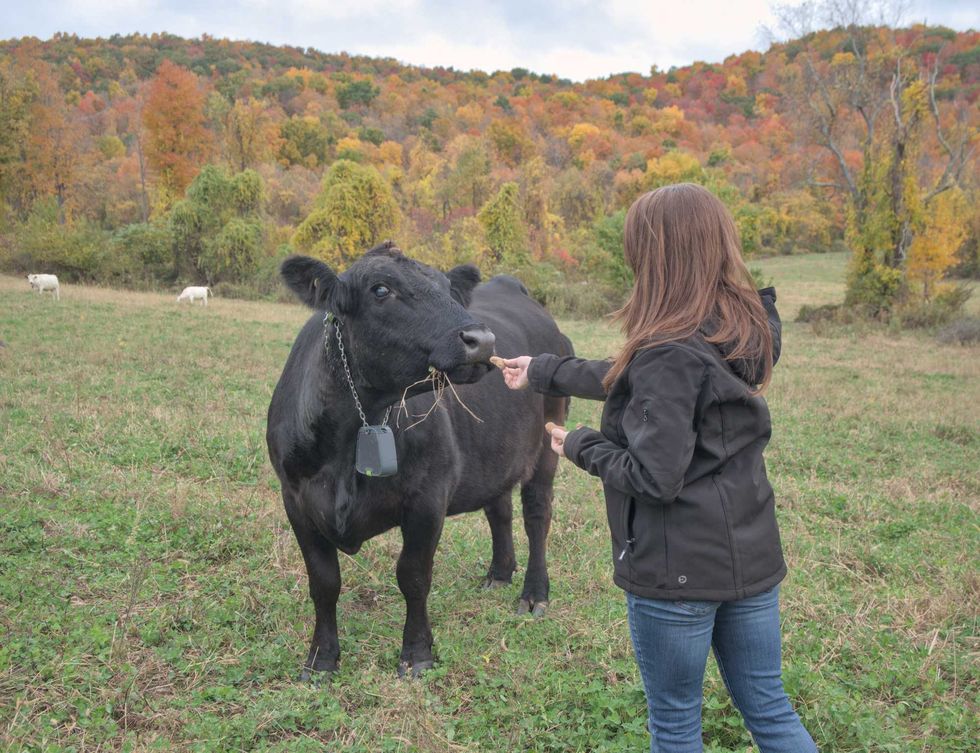 Heather Kading feeds a black angus cow at the former Kaplan dairy farm along Route 22 south of Millerton. Around the cow’s neck is a Nofence GPS-enabled collar.Photo by Nathan Miller


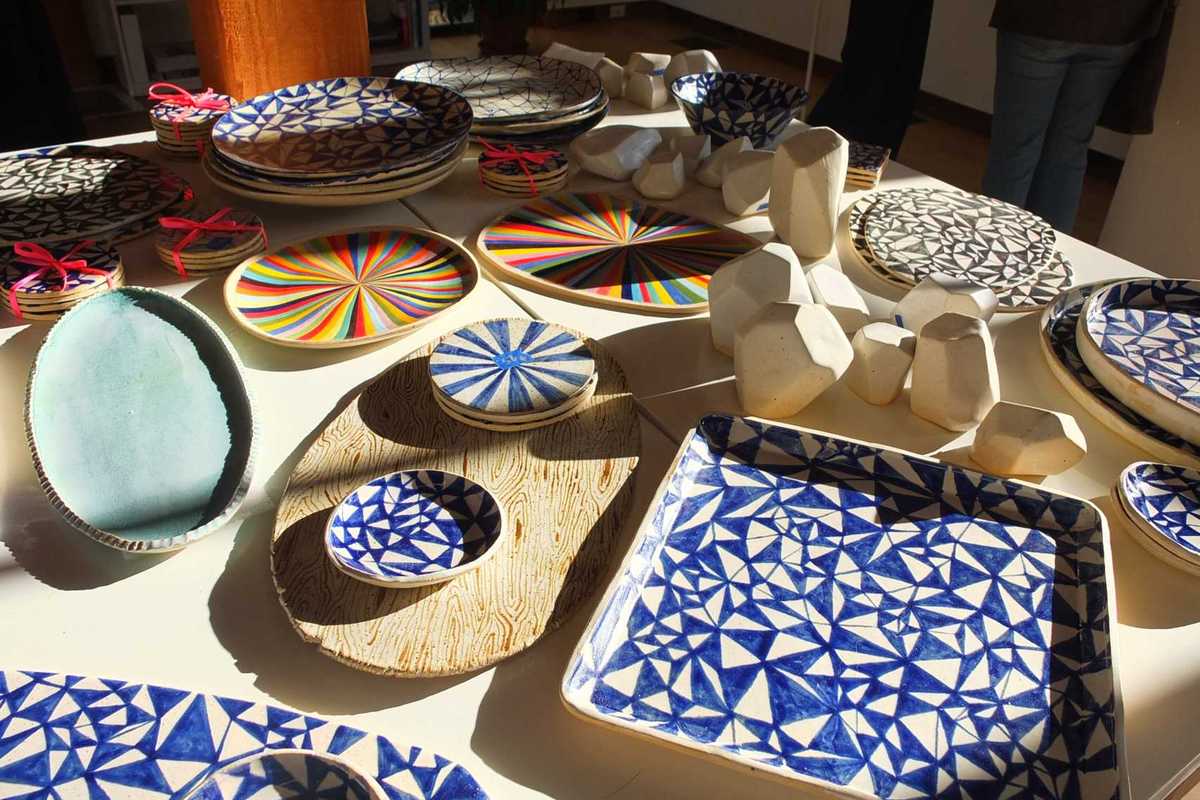
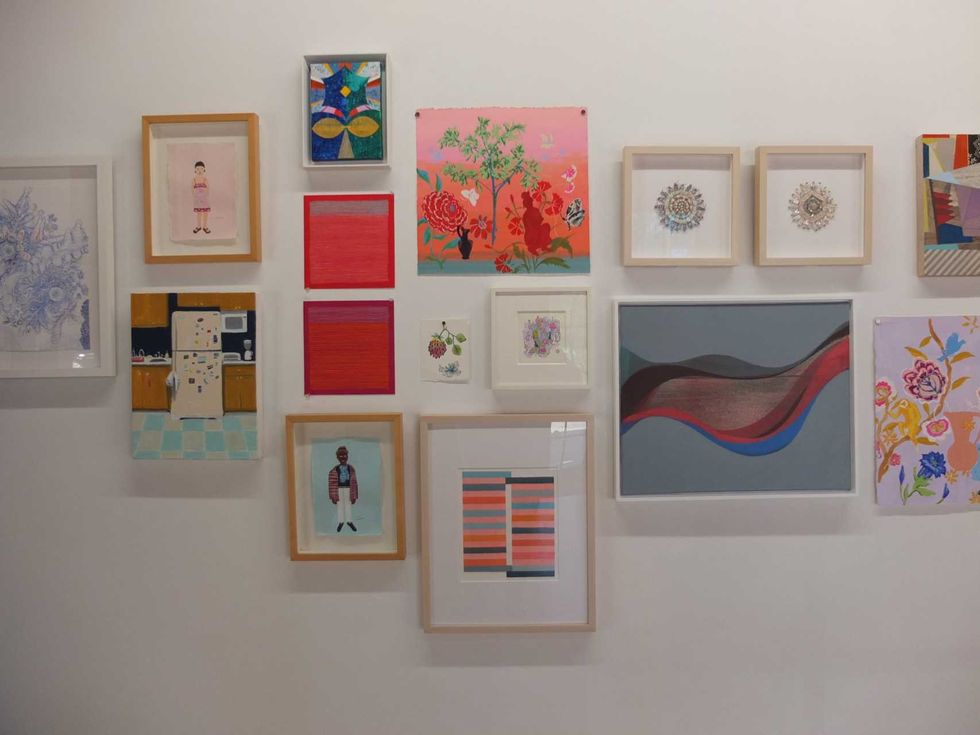 Part of “Cool & Collected” at Kenise Barnes in Kent.D.H. Callahan
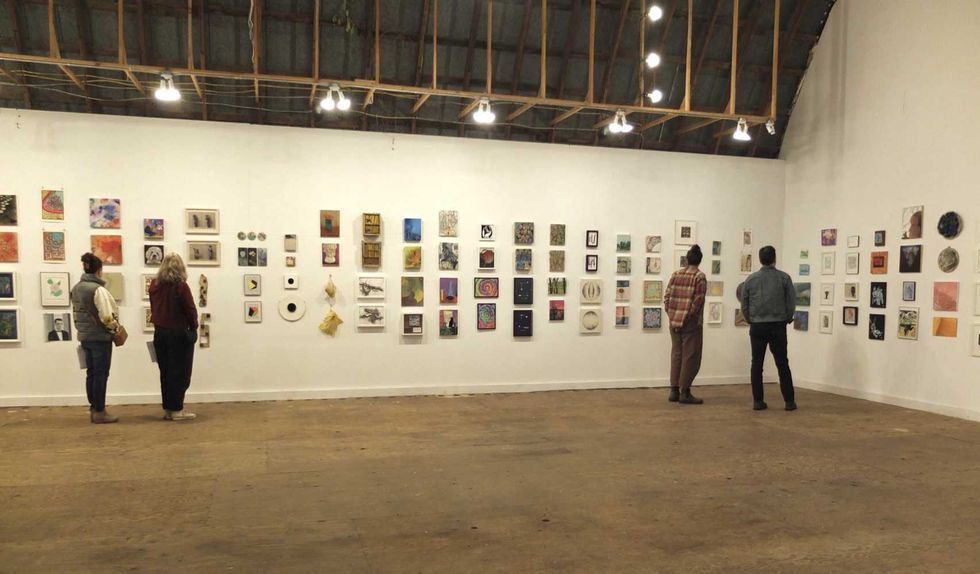 The Re Institute’s Holiday Show features more than 400 works by over 200 artists through Dec. 6, with a closing party from 1 to 4 p.m. that day.D.H. Callahan
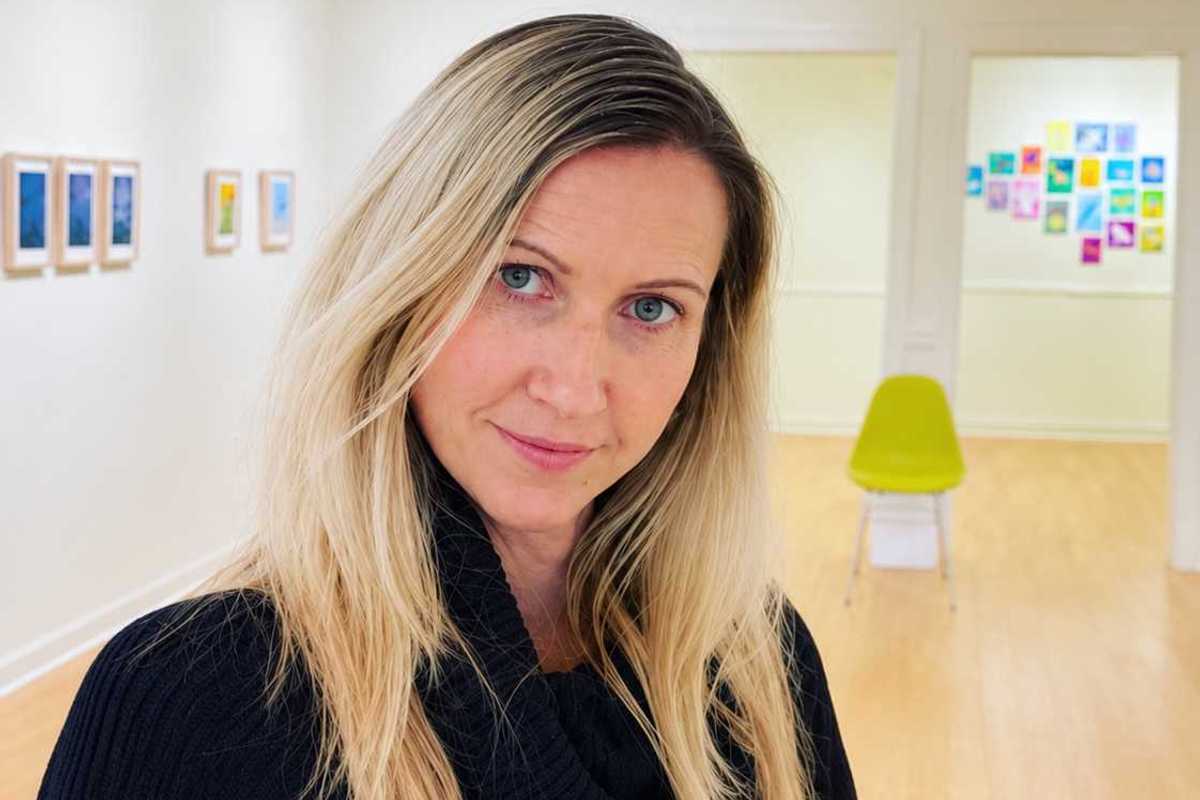
 Jennifer Terzian’s gallery showcases emerging and mid-career artists, with a focus on drawing, works on paper and painting.Provided

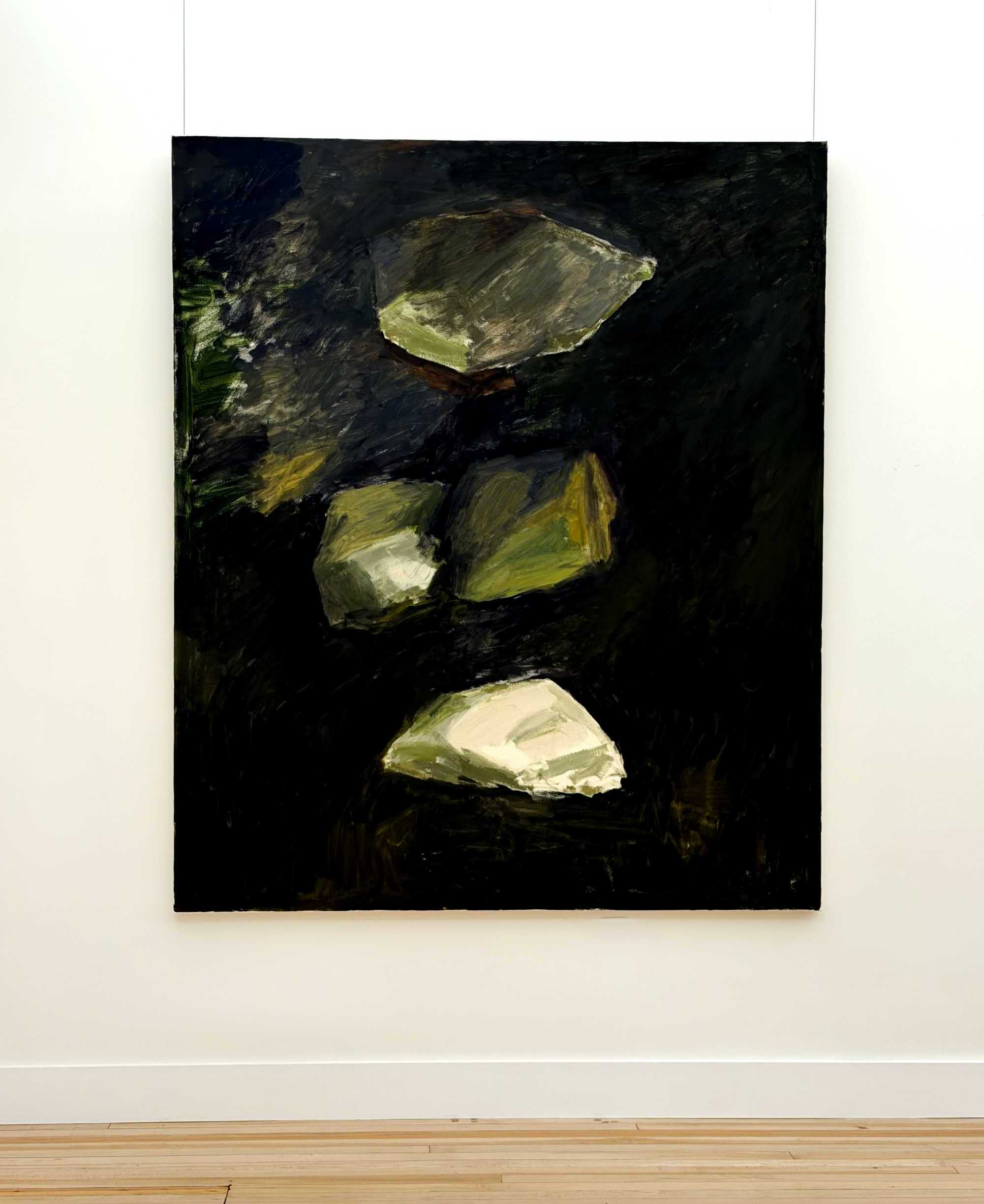 “From Ground to Gravity,” 2026, Oil on Canvas, 77 x 65 inchesProvided
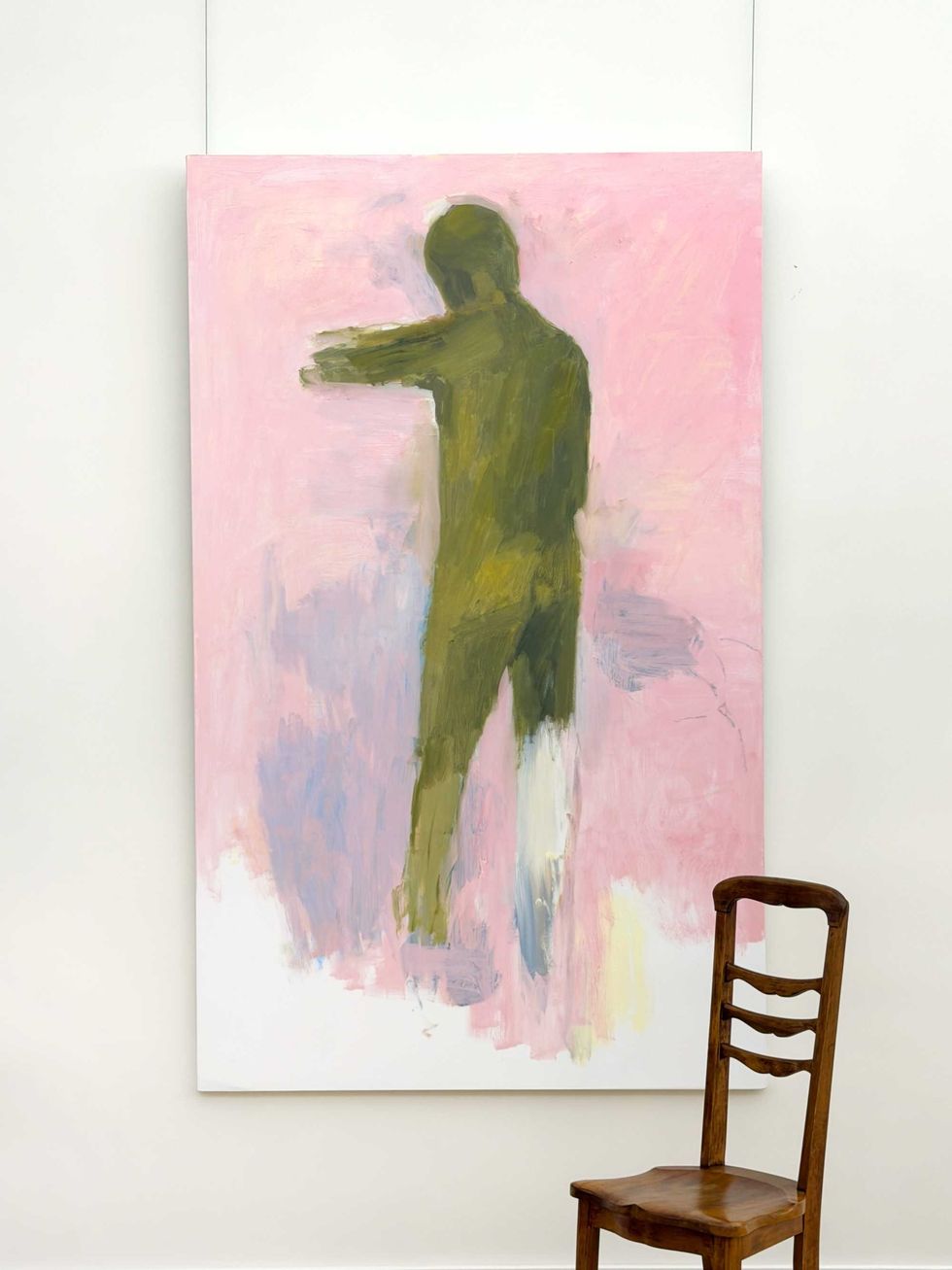 “Nature Eternal,” 2026, Oil on Canvas, 77 x 47 inches.Provided