This story has been updated.
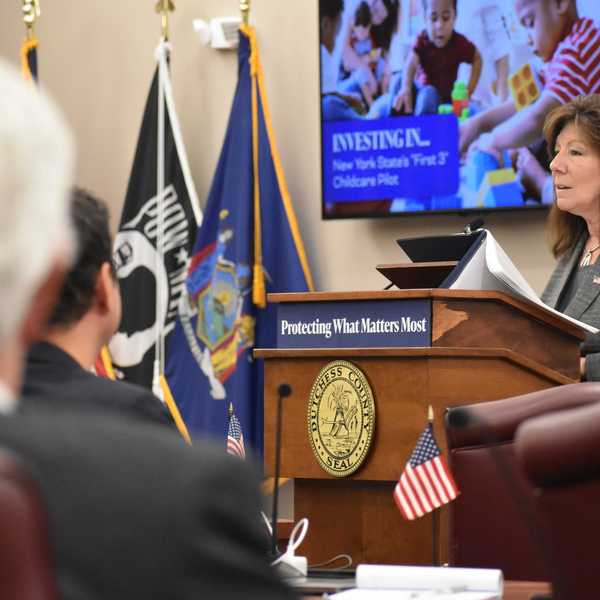
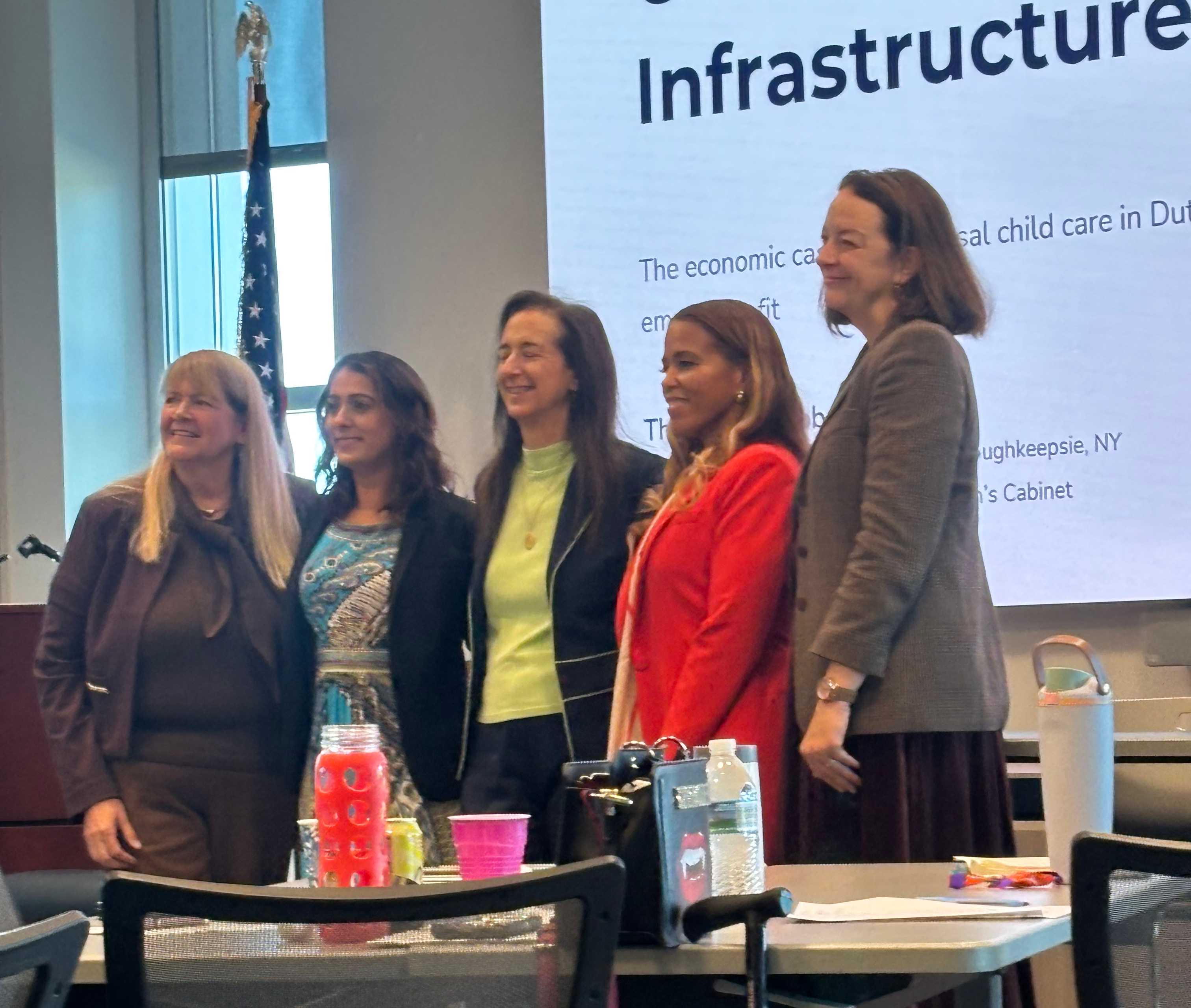
POUGHKEEPSIE — The shortage of early education in Dutchess County costs the local economy more than $320 million a year, advocates said at an Oct. 15 business roundtable in Poughkeepsie.
The figure puts a price on a problem that parents and business owners in northeastern Dutchess have been describing for months, and underscores the importance of the county’s upcoming pilot program to approach the problem from a multi-faceted perspective.
The 2026-27 New York State budget includes $4.5 billion for early learning and pre-K, up $1.7 billion from last year. Dutchess is one of three counties, with Monroe and Broome, chosen for the pilot program targeting early education for children ages 0 to 3. Dutchess County will receive$22 million a year for three years, with the goal of creating 1,000 more licensed seats for children in the county.
Bringing the business community into the conversation has been a chief concern for Louise McLoughlin, Executive Director of the Dutchess County Workforce Investment Board and one of the event’s organizers.
“It all started with the business community,” McLoughlin said after the conference. “In 2019, the county’s economic development advisory council heard from business leaders that they were having trouble hiring and retaining employees. And the top 3 reasons were transportation, housing, and childcare.”
McLoughlin now finds herself at the forefront of a transformative moment in New York’s early education infrastructure. The hope is that the pilot program leads to broader reforms and collaboration with businesses to remove barriers to entry, both in terms of costs to parents and the childcare facility licensing process.
The pilot comes at a critical moment for early education in the region. Dutchess County has lost 33% of its child care centers since 2007 — with 15 early education programs closed in 2025 alone. Children with access to early education from 0 to 3 years old have a 6% higher high school graduation rate, according to the National Bureau of Economic Research. And in the near term, public child care investment creates jobs at one of the highest rates of any sector, according to the Dutchess County Early Learning & Child Care Coalition.
The event was held at the Dutchess BOCES Conference Center in Poughkeepsie. Alexandra Smith of the Poughkeepsie Children’s Cabinet opened the discussion with a presentation titled “Childcare as Civic Infrastructure,” on the ripple effects of the child care gap.
The gap concerns the county’s capacity for early education and its finances. According to the Child Care Council of Dutchess and Putnam, there are 9,262 children with working parents in Dutchess County — but the county only has 7,610 licensed seats available through early education centers.
Costs for center-based infant care run at about $1,540 a month, while the estimated true cost is $1,872. Staff account for about 60% of a center’s costs. Median pay for early education staff is $20,928 for assistant teachers and $23,760 for lead teachers. For a two-person household, child care takes about 13% of take-home pay, nearly double the 7% federal benchmark.
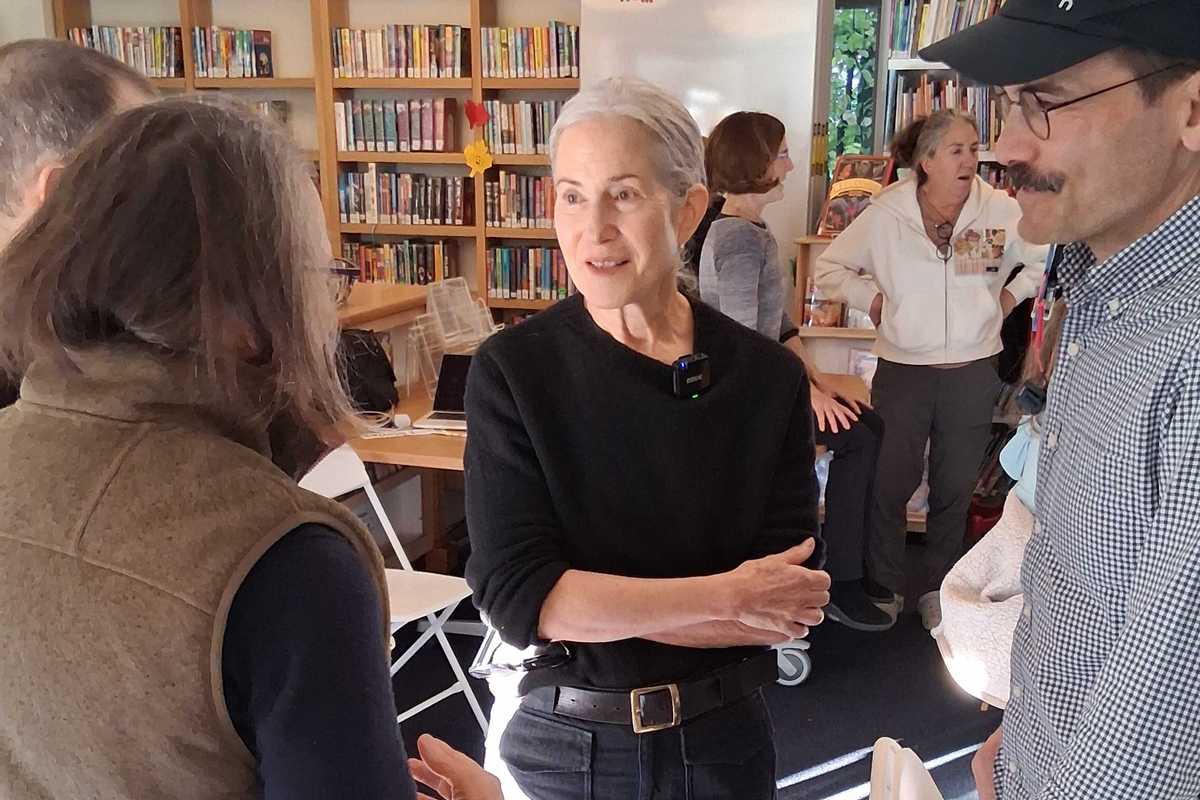
Those numbers demonstrate what people in the northern part of the county told officials in August. Parents, day care operators, and employers gathered at the Pine Plains Free Library on Aug. 19 for a focus group led by the Child Care Council of Dutchess and Putnam. County Legislator Chris Drago opened that session by saying, “Without childcare, folks can’t work.”
Participants described a thinning local network. The North East Community Center closed its daycare program last November, citing falling enrollment and rising costs. Employers, including Harney & Sons Fine Teas in Millerton and dairy farm Chaseholm Farm in Pine Plains, said they have struggled to build schedules around workers’ families.
To build a new framework for early education, McLoughlin and her peers are examining other successful examples. Washington D.C., New Mexico, Vermont and Quebec have experimented with using subsidies, flat taxes, oil & gas revenues, and payroll taxes to fund their early education programs. McLoughlin and the DCELC are hosting events examining each model in the months to come.
When the Dutchess County program rolls out this spring, it’ll utilize ideas from a variety of places. One of the most important ones, McLoughlin said, was removing income requirements for parents to be able to participate. “It’s not tied to the finances of the family,” she said. “Anyone can take advantage of it, which is very helpful for the people that just miss qualifying for other kinds of assistance.”
Parents will have to enroll in a state portal for their children to be eligible to participate. The statewide portal, McLoughlin said, ensures an equitable system. Thus far, she’s been heartened by the ways in which a myriad of bureaucratic bodies have been able to work together. “We’ve been working with 50 or 60 organizations, parents, senators’ offices, businesses, county legislature — they’re actually rolling up their sleeves and helping us, which is unheard of,” she said. “If the 0 to 3 year olds could talk, we would include them too.”
Correction: NECC's daycare program cost parents roughly $75 per day at the time of its closure in 2025.


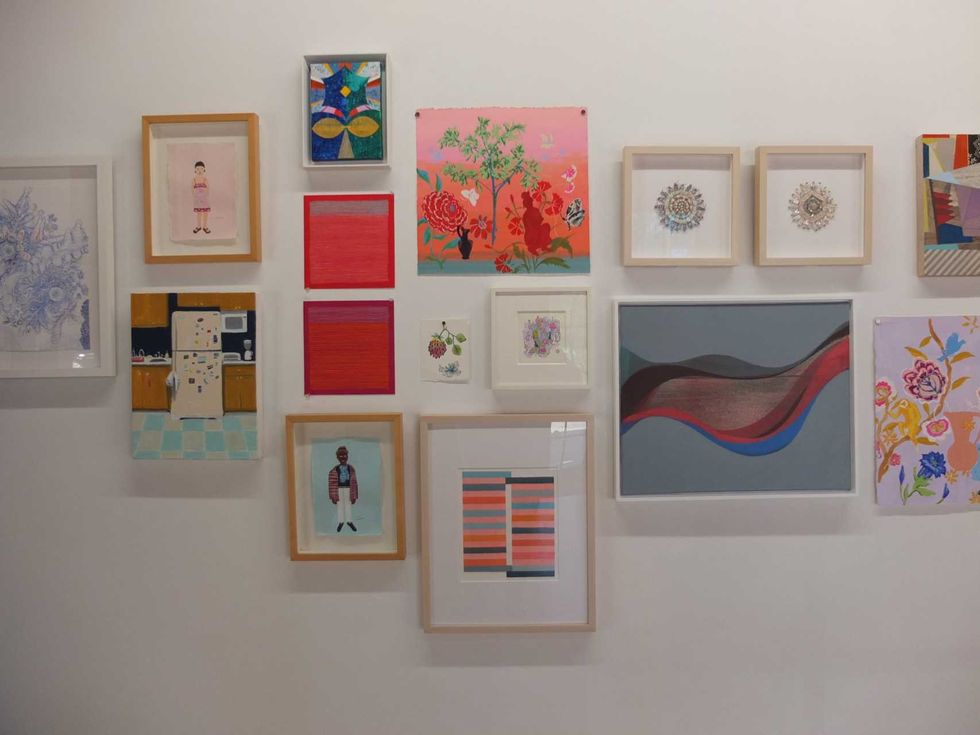 Part of “Cool & Collected” at Kenise Barnes in Kent.D.H. Callahan
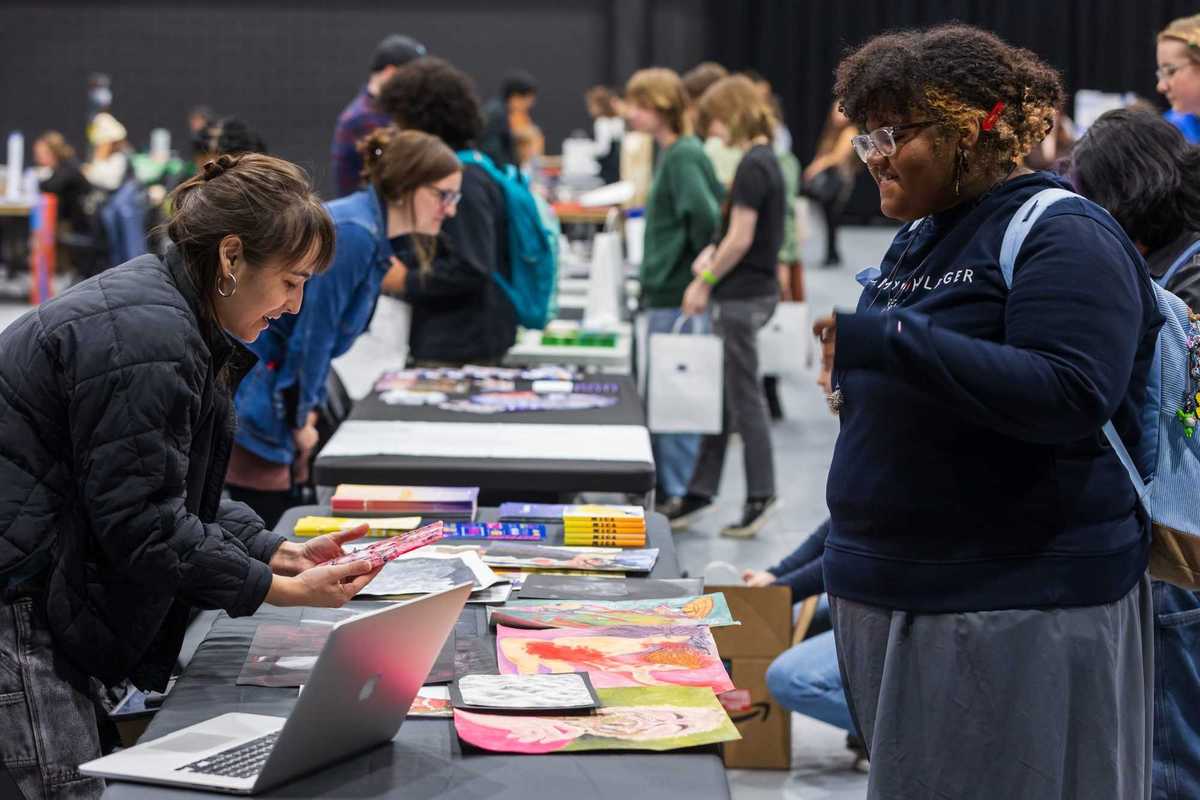
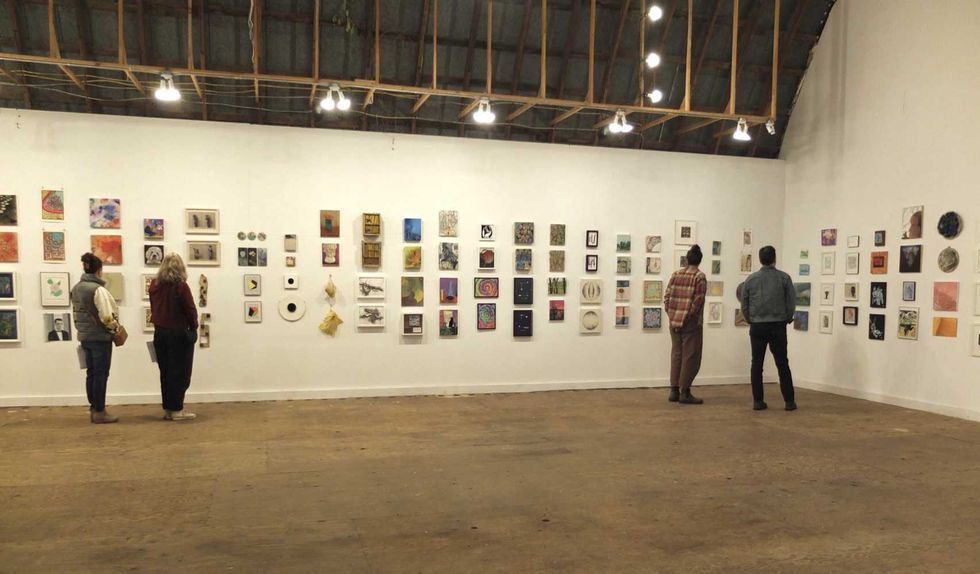 The Re Institute’s Holiday Show features more than 400 works by over 200 artists through Dec. 6, with a closing party from 1 to 4 p.m. that day.D.H. Callahan
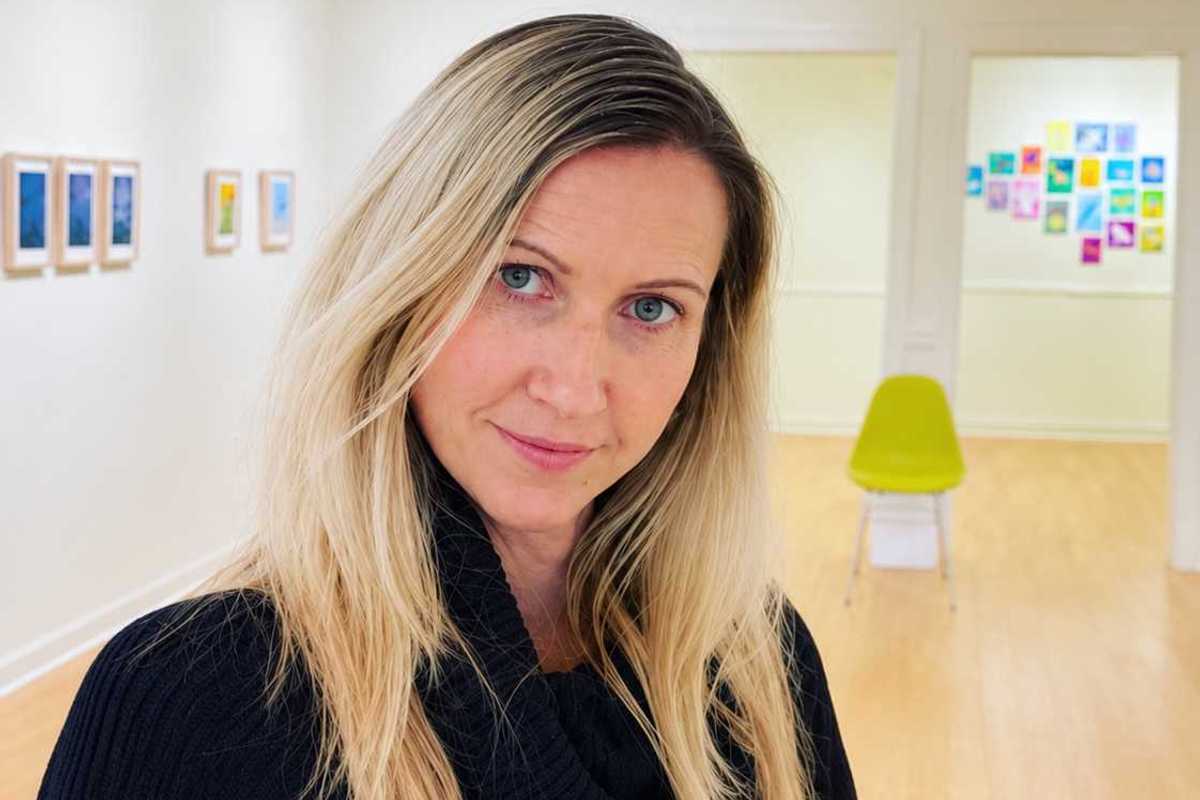
 Jennifer Terzian’s gallery showcases emerging and mid-career artists, with a focus on drawing, works on paper and painting.Provided

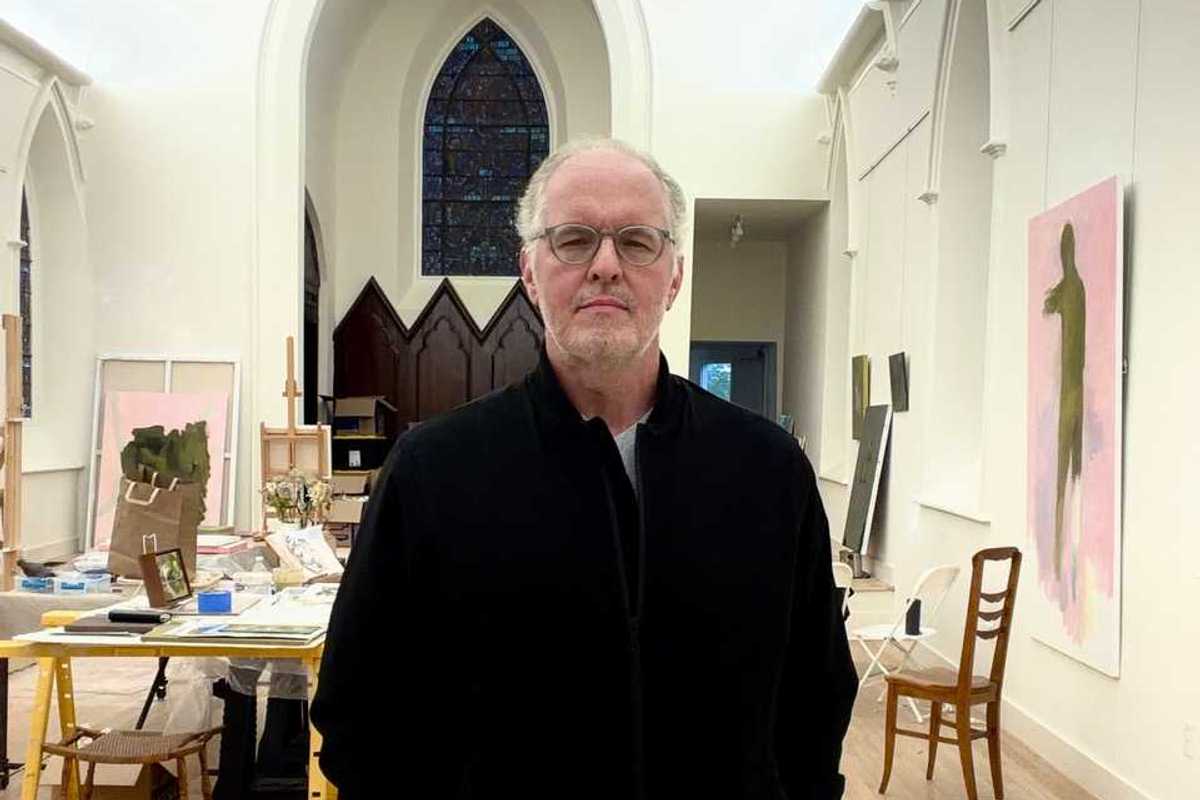
 “From Ground to Gravity,” 2026, Oil on Canvas, 77 x 65 inchesProvided
 “Nature Eternal,” 2026, Oil on Canvas, 77 x 47 inches.Provided