Thank you!
Your support is sustaining the future of local news in our communities.

Millerton trustees ease parking rules for business district, advance pool and park plans

Millerton trustees ease parking rules for business district, advance pool and park plans

An artist’s rendering shows what the pool and pool house at Eddie Collins Park could look like. During a meeting on Monday, Dec. 15, Village of Millerton Trustees decided against heating the pool to reduce costs.

Illustration provided

MILLERTON — The Village of Millerton Board of Trustees approved a local law on Monday, Dec. 15, that will ease parking restrictions in the village’s General Business District. The law was immediately passed following a public hearing.

The local law amends Chapter 170 of the Village Code, titled Zoning, by eliminating off-street parking requirements for changes of use within existing structures in the General Business District. Under the amendment, “no additional off-street parking spaces shall be required to convert space within an existing structure in the General Business District from one use or occupancy to another, even if such proposed new use would increase demand for parking.”

The change will only apply to existing buildings and will allow businesses and residents within the district to move forward with new uses without triggering additional parking requirements.

“This is intended to be a quick fix,” said village legal counsel Victoria Polidoro. She noted that while the board has discussed several approaches to addressing parking and zoning challenges, this change was viewed as relatively easy to implement with fast results. Village officials said the update would be communicated through their official communication channels.

Mayor Jenn Najdek and architects from engineering firm LaBella Associates provided a few key updates on village projects at the meeting, including a presentation on the planned pool at Eddie Collins Memorial Park on Route 22.

The meeting drew roughly a dozen residents, including members of the Park Committee who have contributed to and followed the pool project for years. Kevin Hasselwander, senior landscape architect with LaBella, joined the board meeting to walk trustees and members of the public through the proposed design.

“From an estimate to the village, to the Park Committee, to a napkin sketch and now a master plan — it’s hard to believe that this project has come to fruition,” Hasselwander said, thanking village officials and volunteers for their collaboration and refinement. Following the presentation, the board made final decisions to refine the scope and design of the project.

First, the board agreed unanimously not to move forward with heating the pool, citing both the significant upfront cost and ongoing maintenance expenses. Najdek expects the pool will operate primarily between Memorial Day and Labor Day, and the group agreed to instead use a solar pool cover, which will provide passive heating benefits and help with winterization.

The board also voted to fully equip the pool house kitchen to meet Department of Health standards, which would allow it to function as a commercial kitchen.

With LaBella on site at Village Hall, the board reviewed final design details for Veterans Park, including landscaping plans, paved pathway colors and a herringbone paving pattern. Trustees approved the revisions and directed that the updated plans be sent to the county for review. Village officials said the goal is to complete construction by Memorial Day.

Latest News

Farm & Friends: a holiday market that gives back

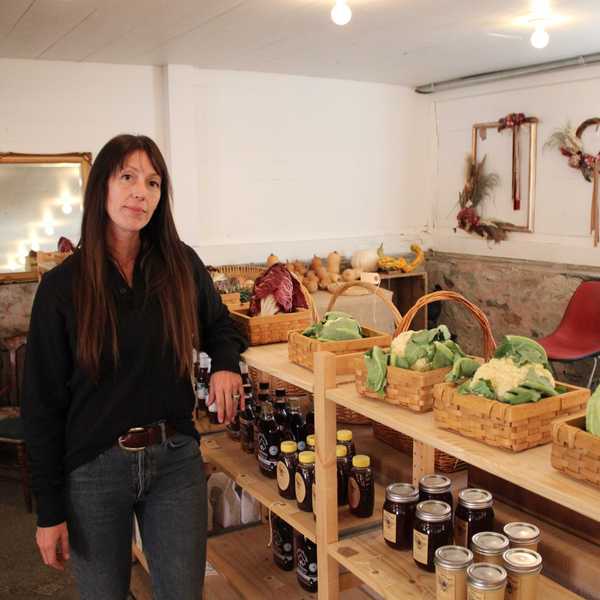
The Farm & Friends holiday market returns Nov. 21 and 22, featuring local makers, food producers and seasonal gifts.

Provided

According to PBS, “More than 5 million people have lost their Supplemental Nutrition Assistance Program, or SNAP, benefits since President Trump’s so-called One Big Beautiful Bill passed last year.” Combined with rising costs and new eligibility requirements, these cuts have placed additional pressure on families struggling to make ends meet. As more people turn to food banks and pantries for assistance, local farms are playing an increasingly important role in meeting that need. Hungry Reaper Farm in Morris, for example, supplies food and CSA shares to a variety of nonprofit organizations and schools.

In Dutchess County, The Webatuck Valley Farm Collaborative is working to strengthen the pipeline from farms to foodbanks. Led by Rock Steady Farm, Sweet Freedom Farm and Wildseed Community Farm and Healing Village, the collaborative hopes to double the infrastructure capacity for at least 15 local farms. This will allow them to increase supplies for food pantries and regional schools while expanding the farms’ reach to industrial buyers and distributors. By their estimation, the food hub “will supply and impact 9 school districts, 13 food pantries, and partner with 6 institutional buyers and 8 aggregators and distributors.”

Keep ReadingShow less

Under the big top at Full Circus Farm

Under the big top at Full Circus Farm

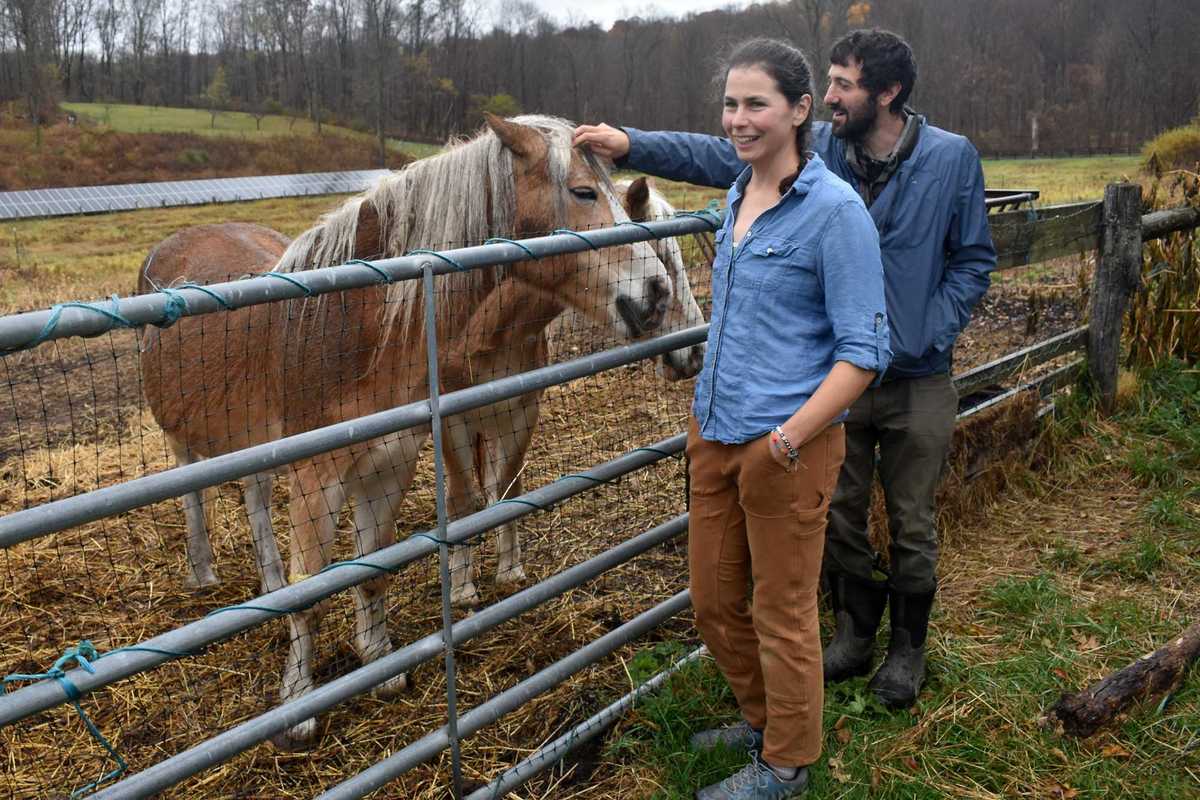
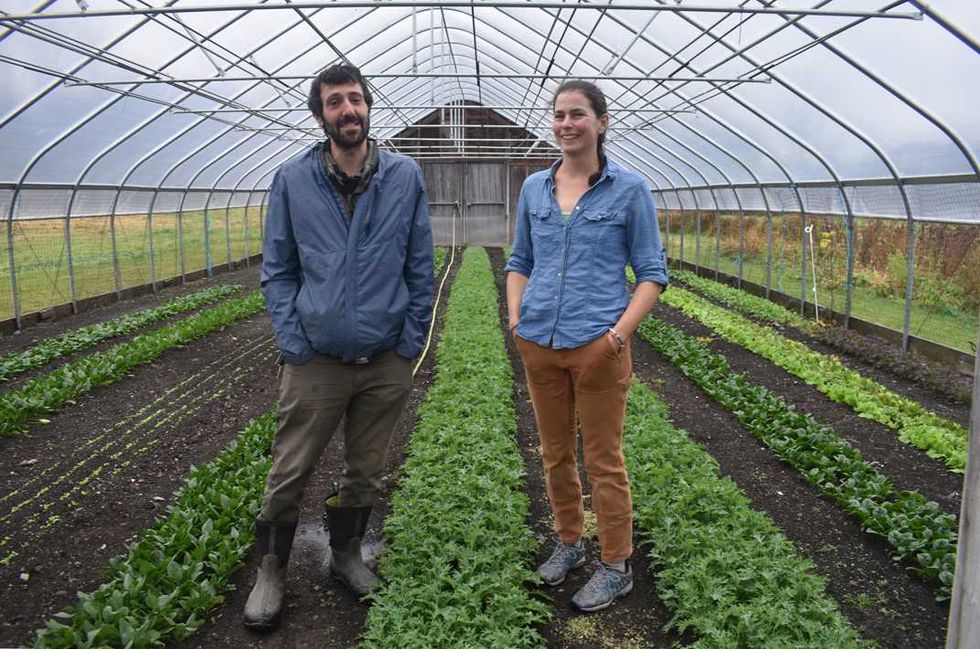
Miriam Goler and Mark Stonehill with their Haflinger horses, Sunshine and Sandy, at Full Circus Farm in Pine Plains.

L. Tomaino

We share this farm with such amazing human and nonhuman neighbors.
— Mark Stonehill

For Mark Stonehill and Miriam Stonehill Goler, the founder of Full Circus Farm in Pine Plains, farming has always been about more than what comes out of the ground.

“From the very beginning, we’ve envisioned the farm as a place not only for food production, but also merriment and community,” they said.

Keep ReadingShow less
google preferred source

Want more of our stories on Google? Click here to make us a Preferred Source.

At Ancram Center, community takes center stage
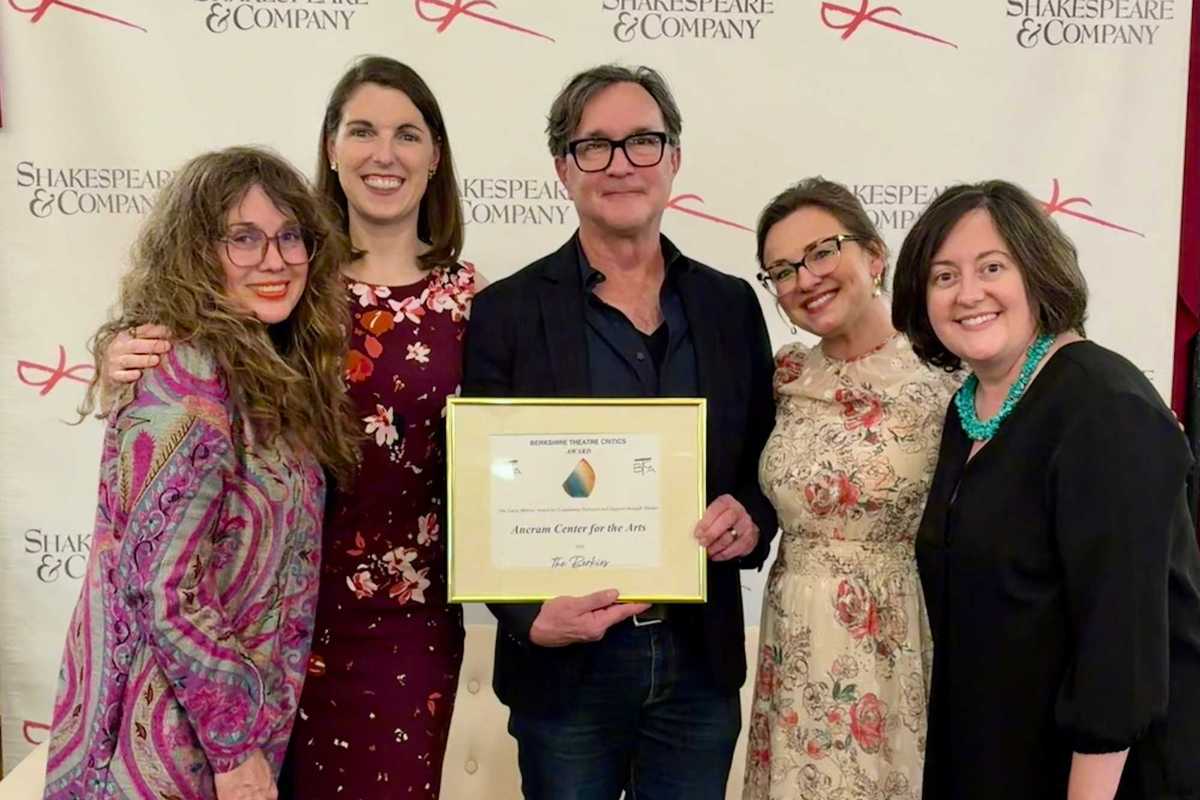
Ancram Center staff and teaching artists after the ceremony.From left to right,Simone Stevens, Sarah Katan, Jeffrey Mousseau, Erin Krom and Chris McCoy.
Provided

At the Ancram Center for the Arts, the stage has been host to numerous award winning professional actors, but it also often belongs to a neighbor with a story to tell. Other times, the performance moves out of the theater altogether, transforming a pond, a field or a corner of town into a stage.

That commitment to bringing theater into the community — and the community into the theater — has earned the Ancram Center the Larry Murray Award for Community Outreach and Support through Theater, one of the Berkshire Theatre Critics Association’s annual Berkie Awards.

Keep ReadingShow less
The Cornwall Whale resurfaces in West Cornwall

The Cornwall Whale is the brain-child of visual and experiential designer Lindsay Stadig.

D.H. Callahan

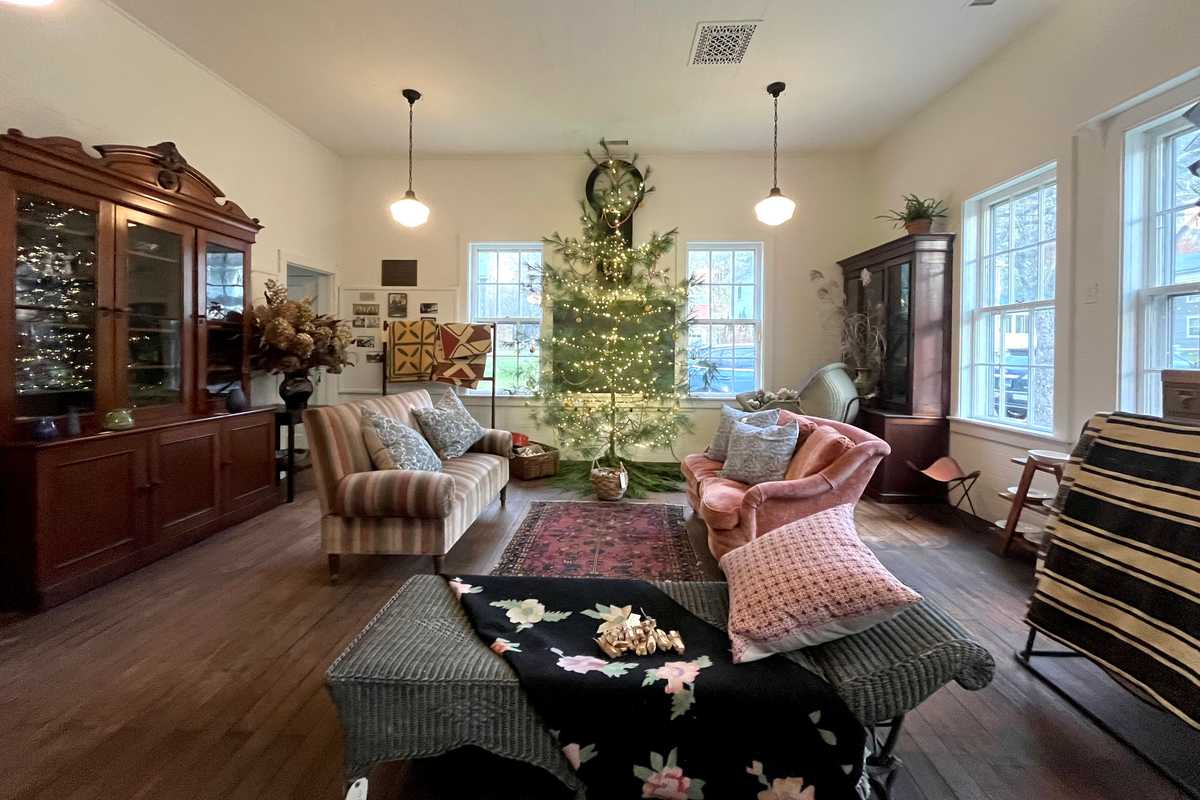
There’s something oddly familiar yet intangibly foreign about the Cornwall Whale. It’s not an interiors store, even though there are chairs and furnishings for sale. It’s not an art gallery, though there are paintings and sculptures occupying every corner of the space. It’s not a boutique, even with locally handmade shoes and carefully selected garments. No, The Cornwall Whale is something truly unique in the world of the truly unique.

The enigmatic shop popped up in the early winter of 2025 at the Hughes Memorial Library, right on the bank of the Housatonic River in West Cornwall. It is the brain-child of visual and experiential designer Lindsay Stadig.

Keep ReadingShow less

Social justice songwriting fall retreat

Social justice songwriting fall retreat

Singer, songwriter and activist Taína Asili leads a social justice songwriting retreat Nov. 20-23 at Soul Fire Farm in Petersburgh, N.Y.

Provided

Music has long been a powerful tool for protest, solidarity and social change. From civil rights anthems to contemporary songs of resistance, songwriting has helped give voice to movements and inspire collective action. Singer, composer and activist Taína Asili will explore that tradition during a four-day Social Justice Songwriting Retreat, Nov. 20 to 23, at Soul Fire Farm in Petersburgh, New York.

The retreat comes amid a renewed interest in collective singing as a form of activism. Organizations such as Singing Resistance are bringing people together across the country to use songs as tools for solidarity, nonviolent resistance and community building. The movement draws on the long history of music in social justice struggles, emphasizing the power of singing together to overcome fear, strengthen connections and inspire collective action.

Keep ReadingShow less
google preferred source

Want more of our stories on Google? Click here to make us a Preferred Source.

google preferred source

Want more of our stories on Google? Click here to make us a Preferred Source.