Part 2 of a series on recycling in Millerton
COUNTY — Millerton’s recycling goes directly to the Harlem Valley Transfer Station, south of the Cricket Valley fracked-gas facility on Route 22.
The main part of the facility consists of a single tipping floor, a cavernous room high enough to accommodate tractor-trailers, where one side is reserved for trash and the other for recycling. On the recycling side, Welsh Sanitation supervisor Scott Cale gestured to a jumbled pile of items perhaps 30 feet wide and 10 feet high.
As one would expect, there were sheets of cardboard, water bottles, milk jugs, detergent jugs, some egg cartons, cans and empty jars. But in this load on Friday, Aug. 25—not from Millerton but typical, Cale said, for a day’s residential recycling haul in the region—there were also at least two wire refrigerator shelves; a large, new-looking metal frame from a four-wheeler; plastic film galore; plastic bags holding recycling; and even bags of what was clearly trash. Maybe 30% of the heap was actual recyclable material, and much of that was contaminated.
“We see this all the time,” said Cale. “About 65% of people care, and recycle the way we’re supposed to. But some people don’t distinguish between the orange-lidded and the blue-lidded cans, or they just don’t think, and you get this.”
Items that are usable or bulky enough to cause problems, like the four-wheeler frame, are set aside in a corner for possible reuse or donation. But otherwise, those piles of what seem to be random trash will be loaded into tractor-trailers without further sorting and sent to Republic Services in Beacon, where they will be processed for sale to recycling brokers or sent to landfill or incineration facilities.
This way of dealing with recyclables, known as “single-stream,” was a viable operation when per-ton prices were higher, Cale said, but is less so now.
Welsh Sanitation, a division of parent company Royal Carting, has a good reputation in Millerton, with some drivers of the four weekly trucks on friendly terms with residents. They are merely haulers, though, and their responsibility ends with Republic Services’ high-tech sorting facility, where Welsh pays by the ton to dump loads.
Members of Millerton/North East’s Climate Smart Communities task force have requested a hard-hat tour of the Beacon facility.
Complexities
of recycling business
In telephone and email conversations, Dutchess County Deputy Commissioner of Solid Waste Kerry Russell explained some of the complexities of the recycling business.
Russell is also executive director of the Dutchess County Resource Recovery Agency, “a public benefit agency that was established by the New York State Legislature in 1982 to oversee the construction, financing and operation of the Resource Recovery Facility (RRF), which opened in 1989,” according to its website. RRF is the huge waste-to-energy incinerator complex located on the banks of the Hudson River in Poughkeepsie.
Recycling Education materials highlighted by Russell are found on a Dutchess government webpage of that name with seven teacher resource links and six “general educational resources.” Some of those originate with the New York State Department of Environmental Conservation (DEC) or the U.S. Environmental Protection Agency. School- and college-focused materials are from an organization called New York State Association for Reduction, Reuse and Recycling (NYSAR3). NYSAR3 offers grants of up to $1,000 to schools for recycling education, favoring “disadvantaged schools.”
Recyclopedia,
a potentially useful tool
“Recyclopedia” is a New York State web initiative intended to help consumers sort the items in their waste streams and to figure out what can be recycled and what must be put in the garbage or taken to infrequent Household Hazardous Waste (HHW) or Electronic Waste (E-waste) events. The website is colorful and visually appealing, and promises to help with more than 300 items. Incomplete but still informative, it is at recyclerightny.org/statewide-recyclopedia
Dutchess’ proposed new 10-year plan and its opponents
Dutchess County’s proposed solid waste management plan adds some composting elements to the current mix of strategies, and posits the building of another incinerator. But not everyone agrees that this is the best way forward. Even with advanced filters, the toxic emissions and carbon footprint of such facilities are reasons to opt for landfills instead, they say, as well as robust composting, reduction and reuse programs.
At a recent Zoom meeting of a coalition of citizen organizations arranged by former Dutchess County legislator Joel Tyner, now an Oregon resident, radically different solutions were proposed. Neil Seldman of Zero Waste USA, veteran environmental warrior Manna Jo Greene, representatives of the Institute for Local Self-Reliance, Energy Justice, and Dover’s efforts against the proposed Transco substation and others including the campaign manager for county executive Tommy Zurhellen brainstormed on how to present their case against the current incinerator and further buildout.



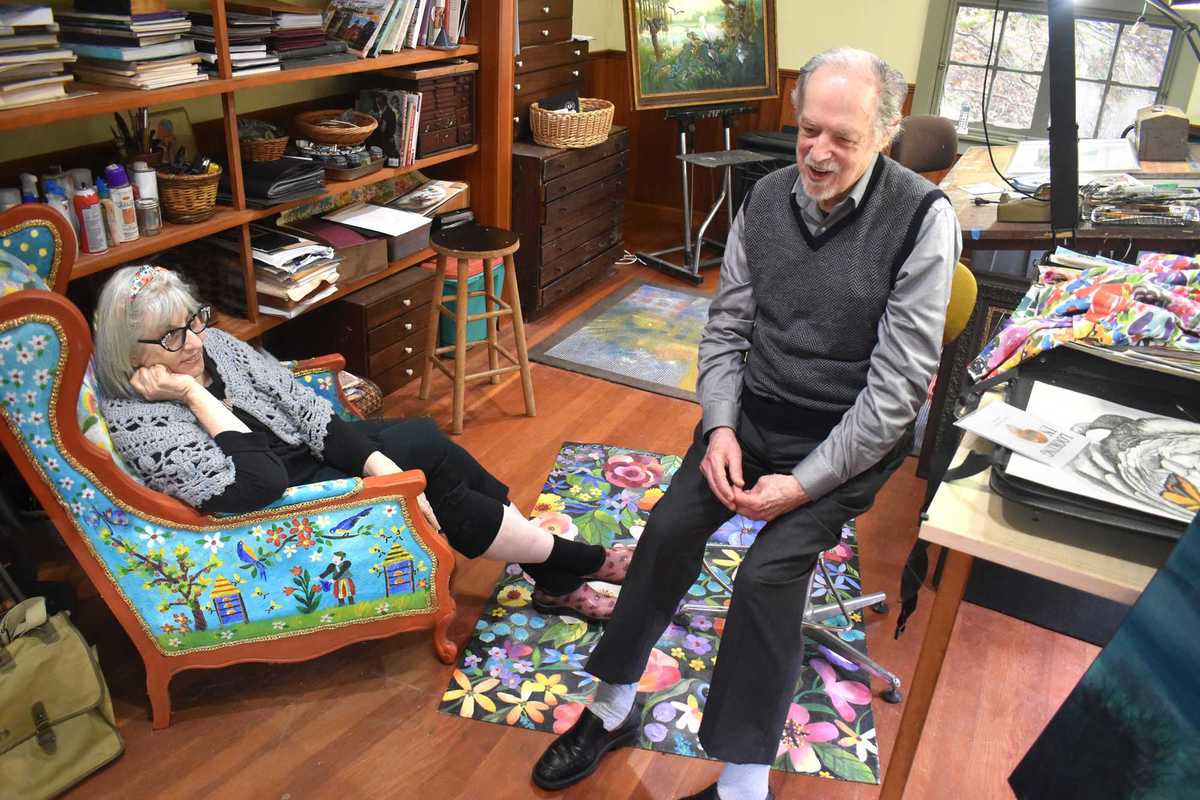
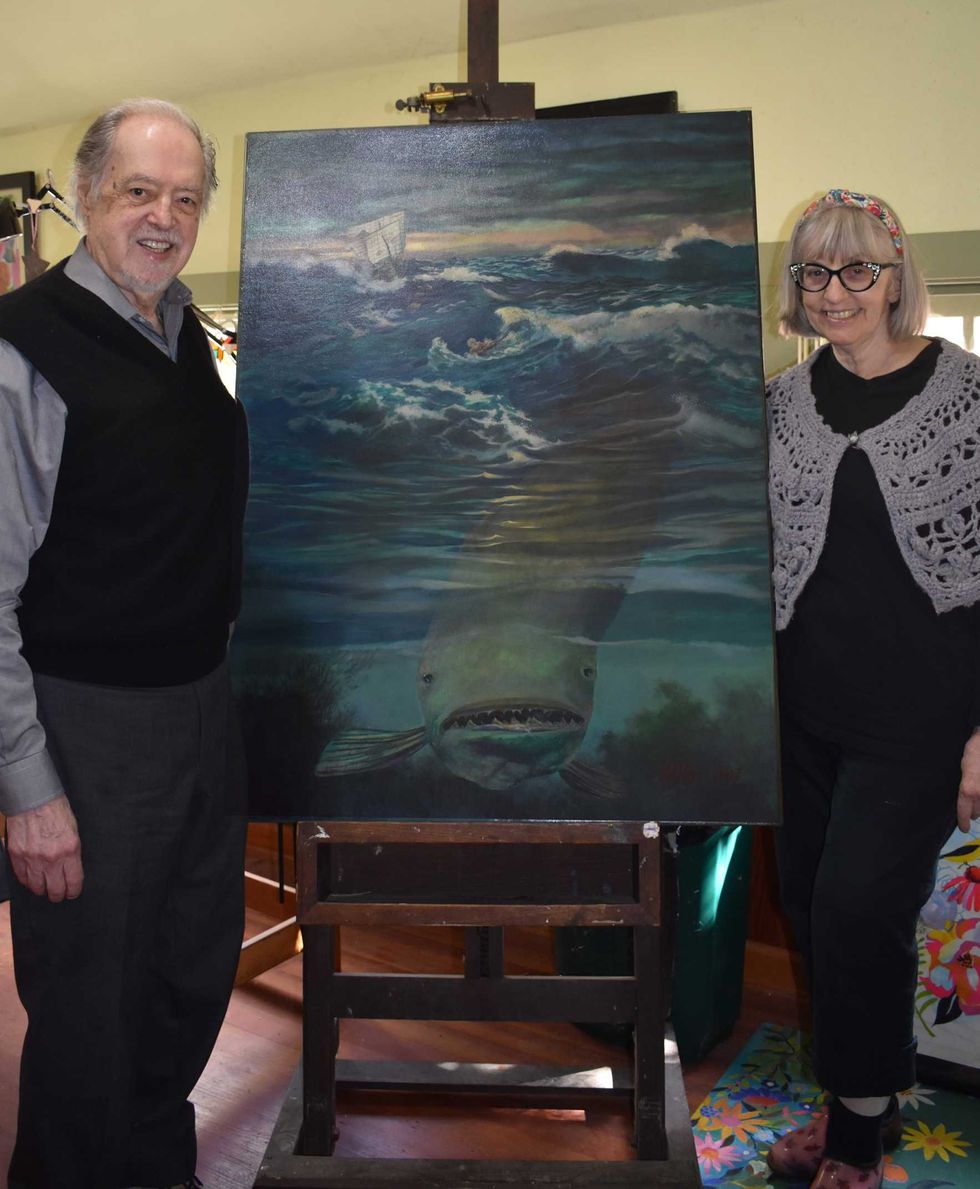 Justine and Victor Valla in their studio with a painting of Victor’s,”Jonah and the Whale.” Robin Roraback
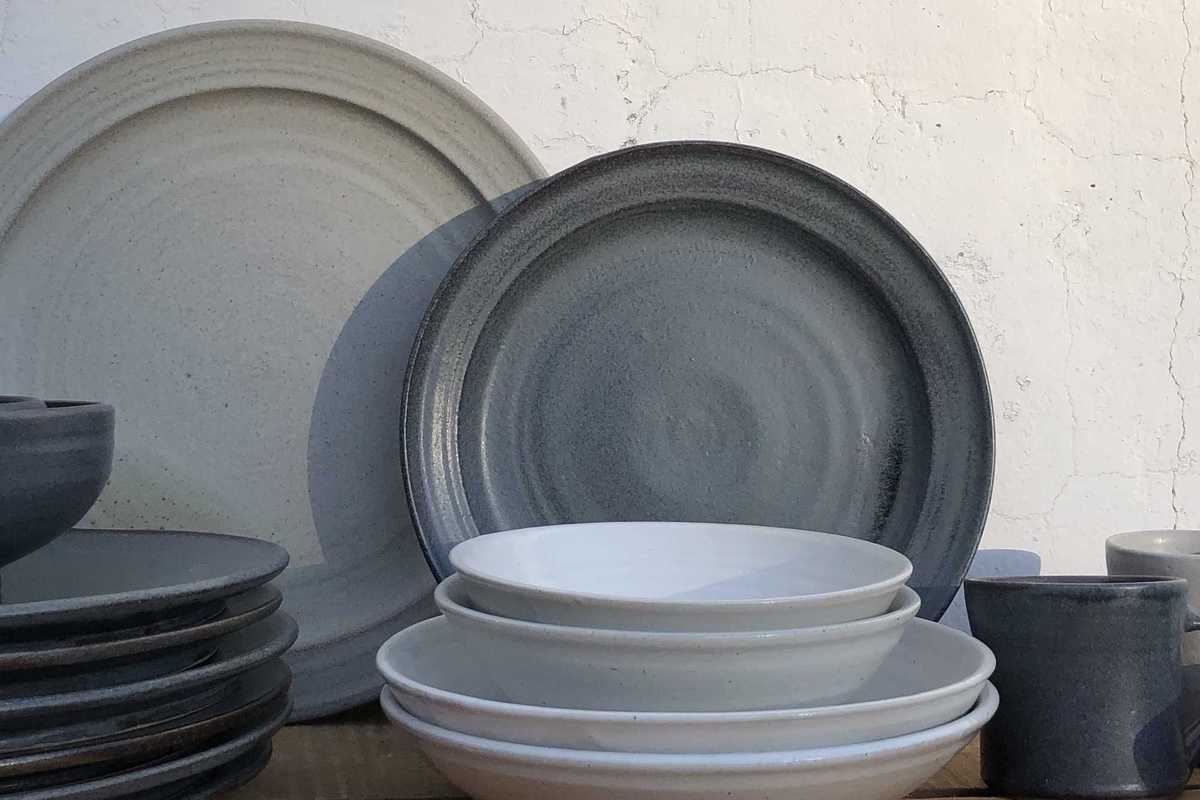
 A ceramic vase by Kathleen Heidemann.Provided
 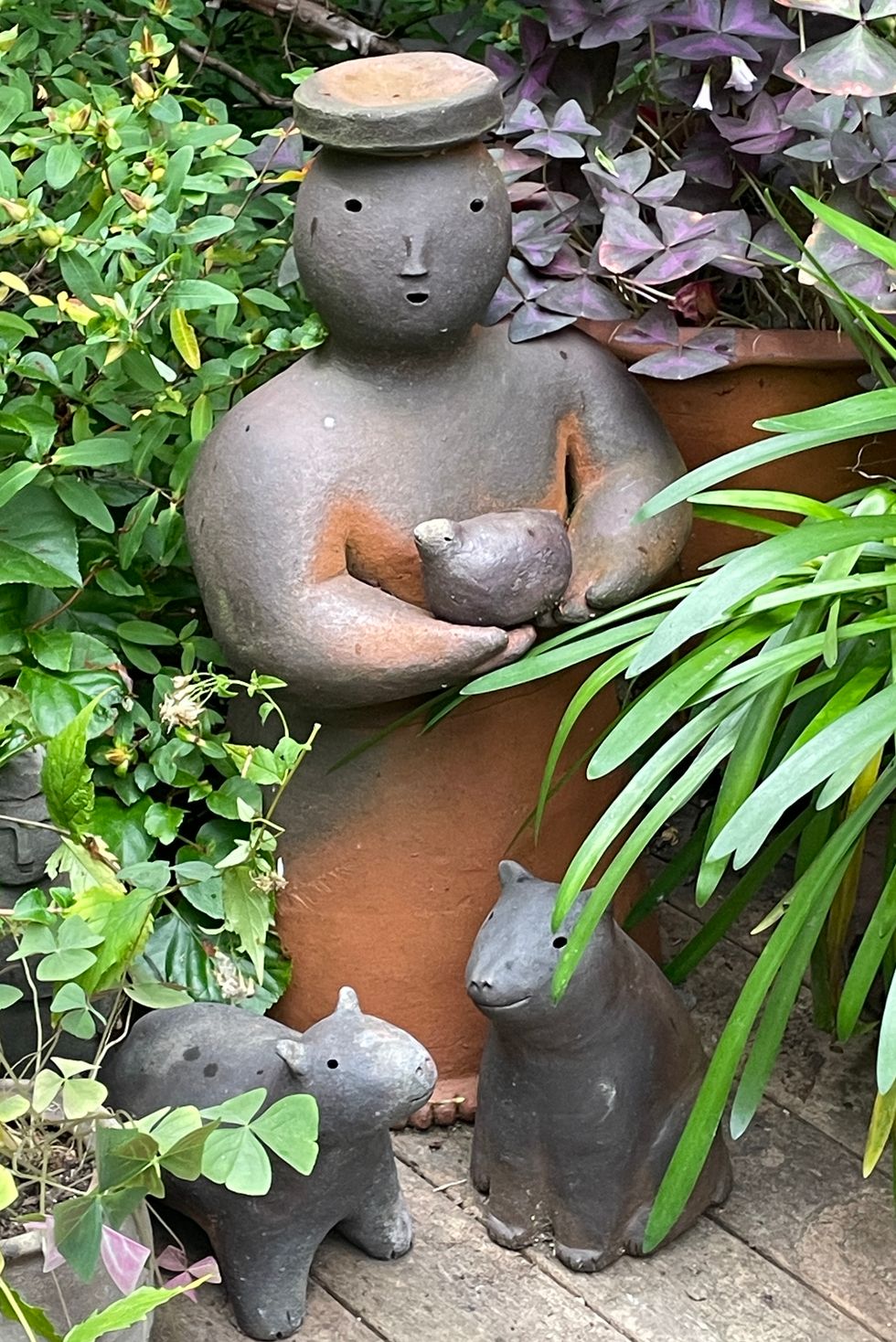 Joy Brown’s delightful ceramic sculptures.Provided