COPAKE — Remembering the impact that “wilderness” speakers had on him when they visited his school as a child, local beekeeper John Jasmin explained why he chose to bring the world of bees to the Roeliff Jansen Community Library for a presentation on Friday, Aug. 6.
“As a [retired] teacher I know that’s what you’re supposed to do,” he said after the event. “I remember as a child we used to have a wilderness guy come to our school. He used to bring snakes and things… and he taught us not to be afraid of all those creatures. He would put them around our necks to break the fear.”
He continued, “I’m trying to promote honeybees for everybody to break that fear. You can not make pets out of honeybees, but you can accept them.”
That is precisely what Jasmin did in a big way when he started working with bees as a hobby about seven years ago. Three years later, he began to share the fruits of their collective labors through his Bash Bish Honey, named for the creek that supplies the bees with their water, and that he sells at the Copake-Hillsdale Farmers Market at the Roe Jan Park at 9140 Route 22, Hillsdale from 9 a.m. to 1 p.m. on Saturdays till Nov. 20.
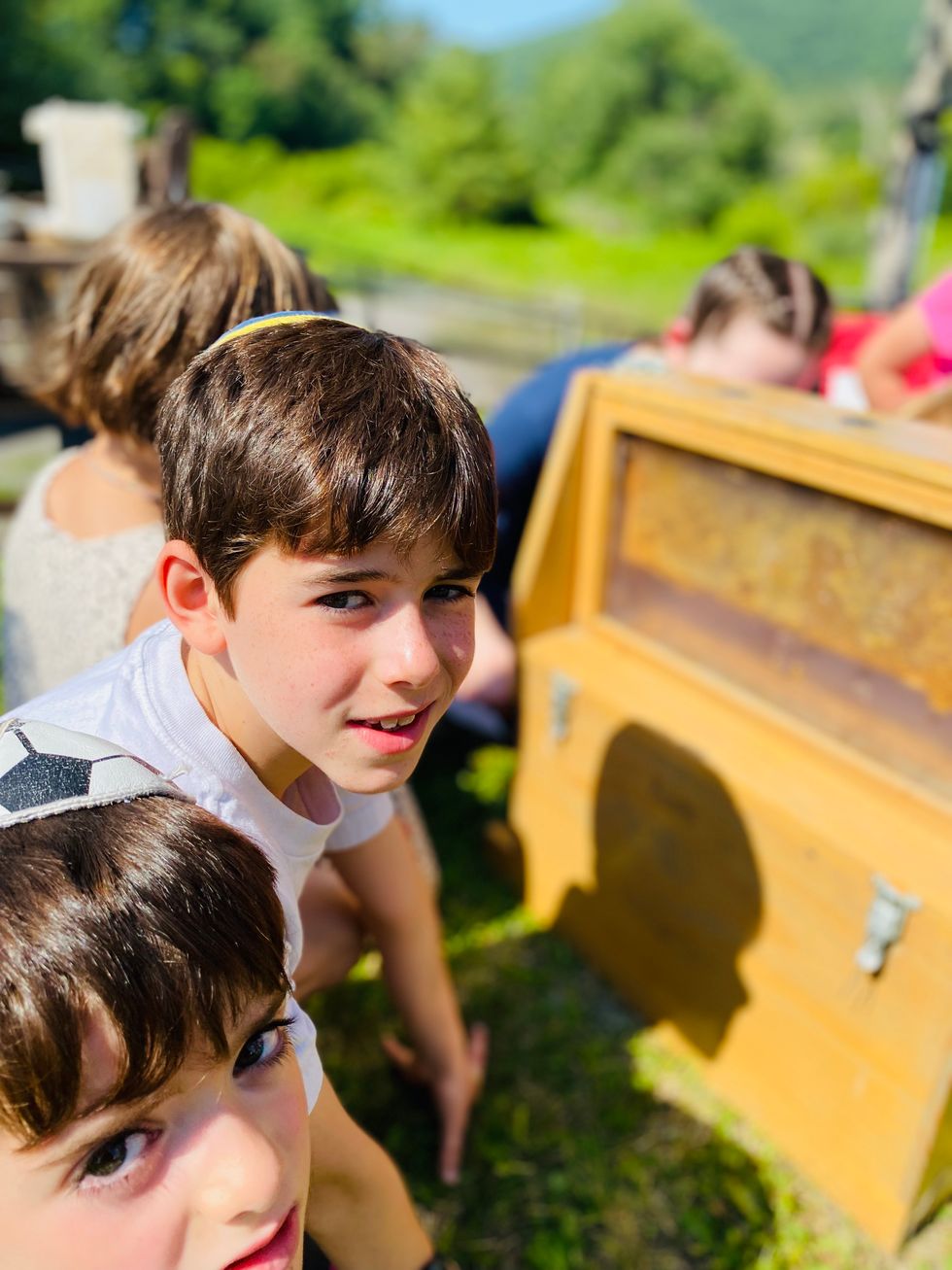
Friday’s library event was planned for last year but delayed by COVID-19 restrictions. It was his first, and enabled by his purchase of an “observation hive,” which allowed the children to see the hive components and watch the bees and their activities.
Jasmin noted that each hive, which can also be split to produce others as a new queen and her community are moved, provides between 80 and 150 pounds of honey each year. He said that although some bees do occasionally escape and produce “feral” hives, they have difficulty surviving without beekeepers. Those beekeepers protect the bees from Varroa Destructor Mites, which arrived from Europe and Asia in 1985 and “have devastated bee colonies in North America.”
Beyond providing his audience with as much honey as they liked, Children and Youth Services Associate Tia Maggio, who organized the program, said Jasmin shared a wealth of knowledge with her young patrons. He explained the different types of bees, the functions of the queen, male drones and female bees, and when and why bees do or do not sting.
For more information about this or other programs at the library, call 518-325-4101 or go to www.roejanlibrary.org.




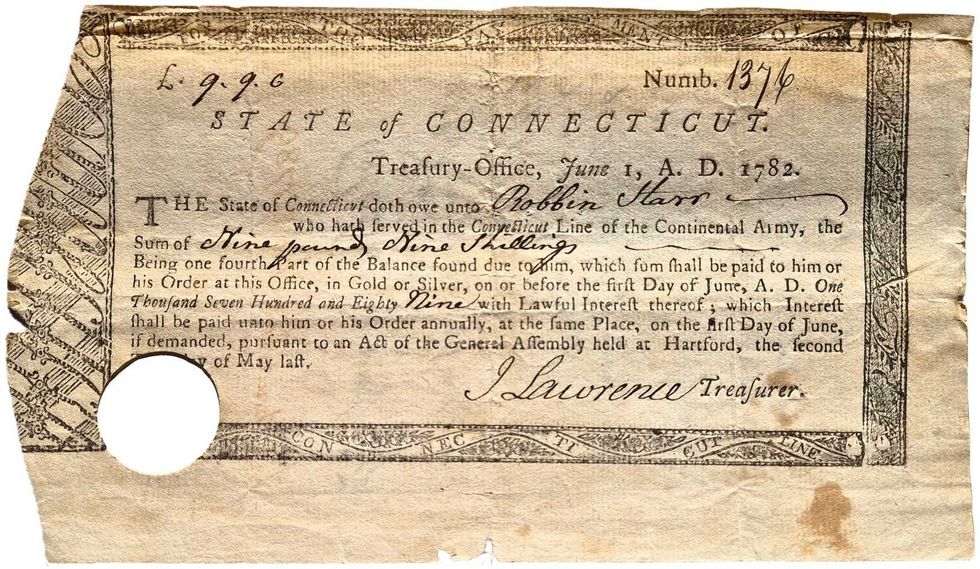 Pay Bill for Robin Starr’s service in the Continental Army.Courtesy the Alex Breanne Corporation
 John Mills speaking at Quinnipiac University.Courtesy the Alex Breanne Corporation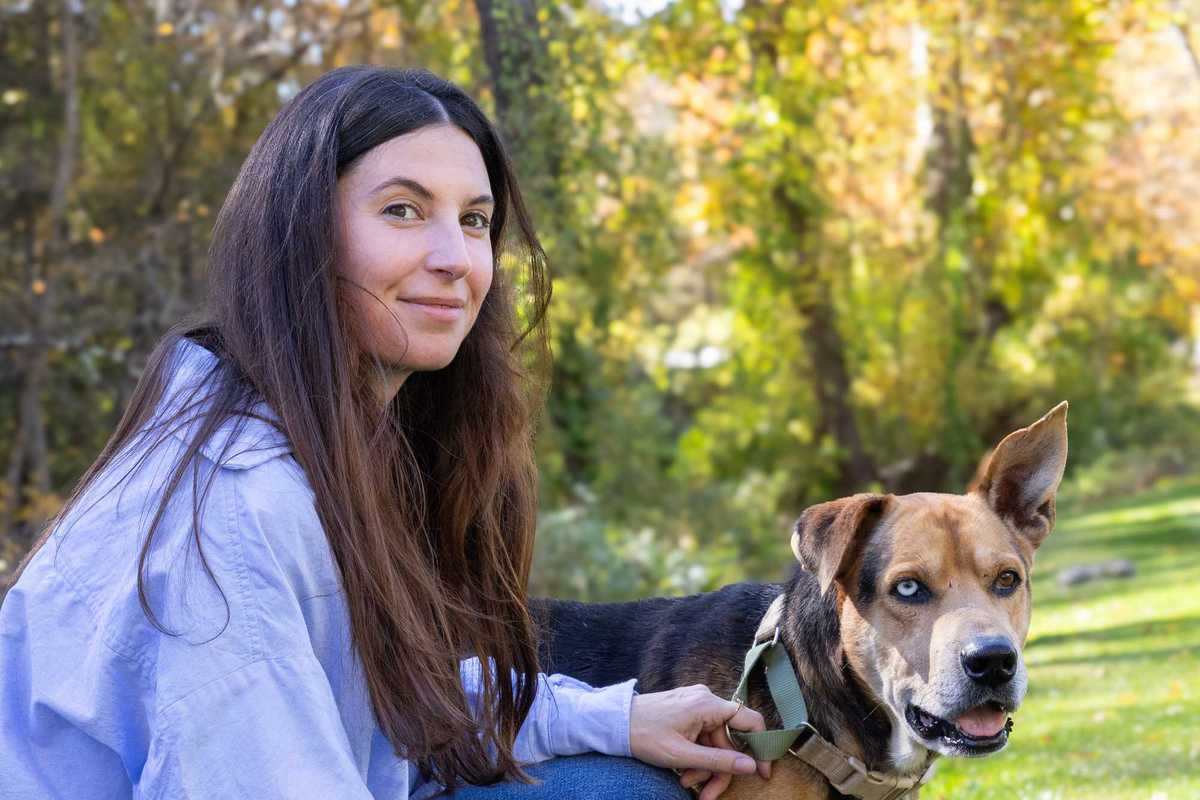
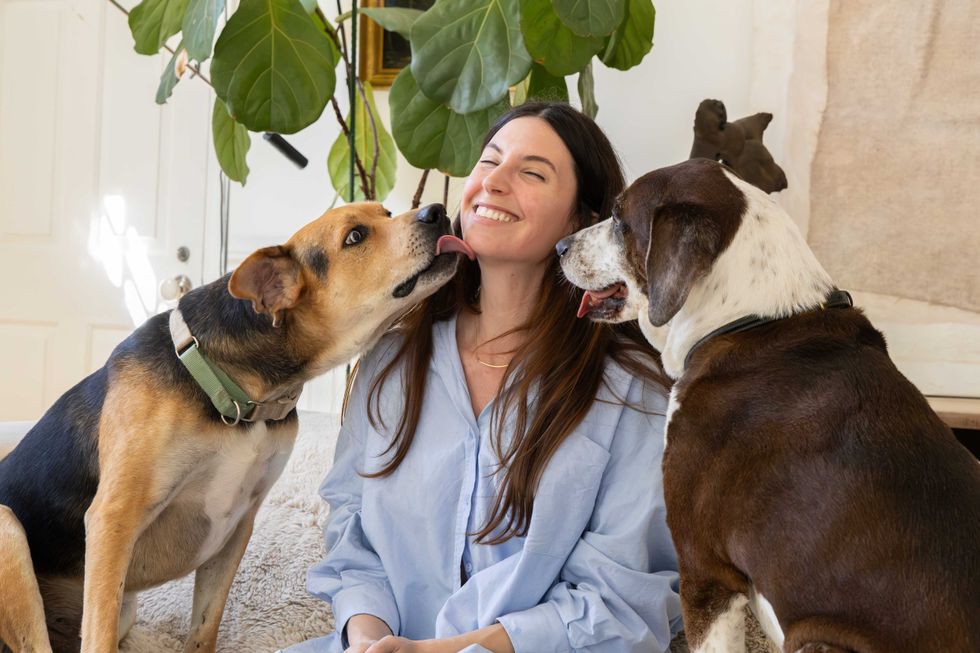 Stephanie Saetta,with her rescue dog George and Blue (left), a shepherd mix awaiting his forever home.Madi Long