Shortly before noon on Wednesday, Jan. 20, Joseph R. Biden Jr. took the oath of office as the 46th president of the United States, becoming the oldest man to do so at the age of 78. Moments earlier, Kamala D. Harris also made history, as the first female, the first African American and the first Asian American to be sworn in as vice president.
But this year’s inauguration went down in history for more reasons than just the Democratic duo who entered the White House. It was also unique because of this particular moment in time, as the world nears the one-year mark of the coronavirus being declared a pandemic — a once in a century global health crisis that’s taken more than 2,156,109 lives worldwide as of Tuesday morning, Jan. 26.
On Jan. 20 Biden and Harris were sworn in and got straight to work, with the president adopting 15 new executive orders plus two other directives and the vice president swearing in three newly elected senators — neither wasting any time before the celebrations continued later that evening.
In a gesture of goodwill, outgoing President Donald J. Trump continued a ritual begun by 40th President Ronald Reagan and left a parting note for the incoming president.
“Because it was private, I won’t talk about it until I talk to him,” said Biden on televised coverage of him in the Oval Office. “But it was generous.”
The note left by Trump perhaps signals an olive branch, an offer of goodwill to the Biden/Harris administration for what will undoubtedly be a tough road ahead. After all, the pair has a massive health crisis at hand and an economy hit hard by that same crisis, not to mention broader issues to address like climate change and nuclear proliferation, among a host of others.
In his Inaugural Address, Biden said, “Some days… you need a hand. There are other days when we’re called to lend a hand. That’s how it has to be. That’s what we do for one another. And if we are this way, our country will be stronger, more prosperous, more ready for the future. And we can still disagree.”
And that is a major tenet of democracy, of America: We must be able to agree to disagree.
With the Democrats in control of the Senate, the House and the Executive Branch, Biden will now have a chance to build on whatever were the good policies of the Trump administration and incorporate his own positive ideas and effort to make them even better.
Now that the election is over, whether one supported Trump or Biden may no longer be the only point. As importantly, once that oath of office is taken, whoever the president is, we should all want him or her to succeed. In the final analysis, we are all Americans, hoping for the prosperity of our country.






 Models walk the organic runway at HVSFW. Ilan Harel
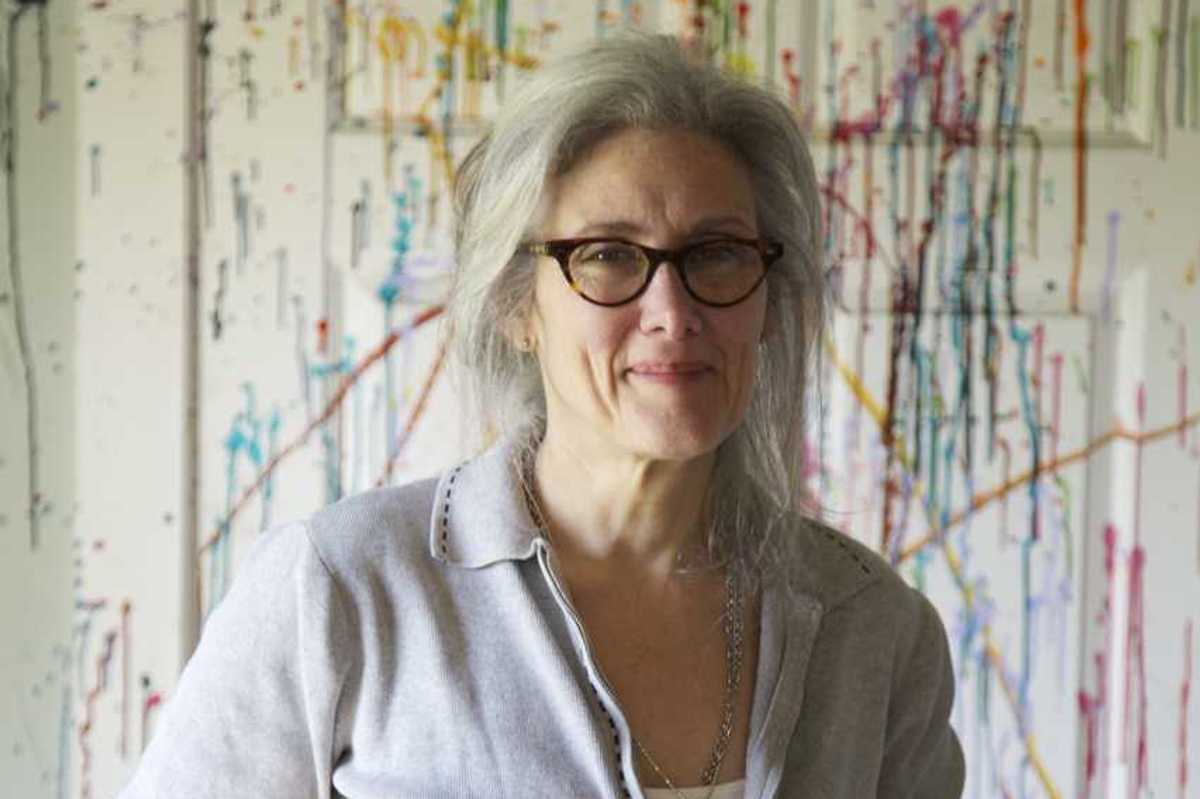
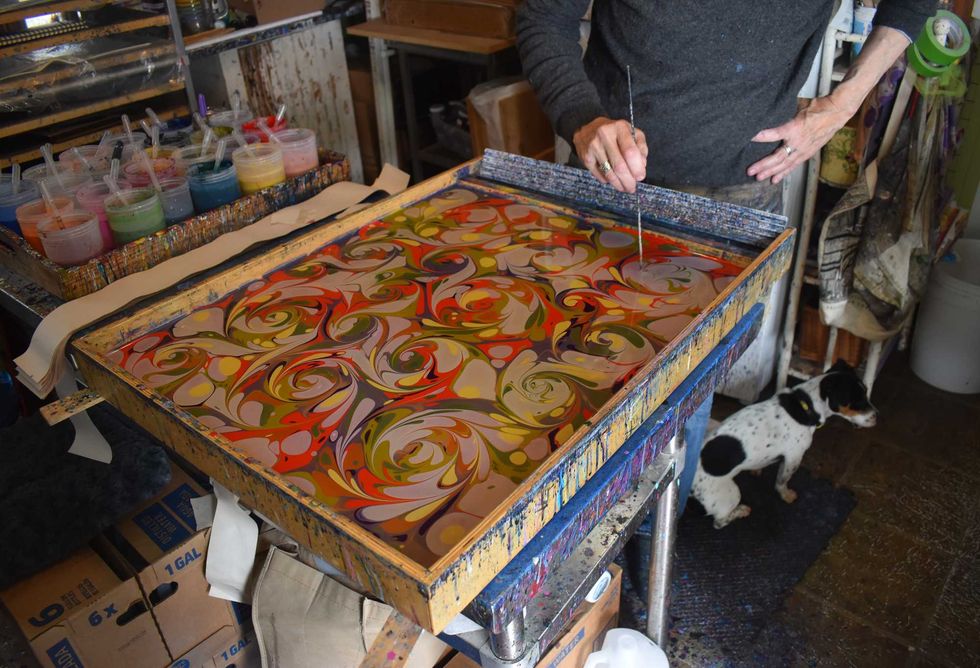 Susan Schneider, owner of Shandell’s, creates a variety of products with marbleized surfaces in her Ashley Falls studio.L. Tomaino