The pay is low. Job stability is not a guarantee. You’ll have to expect that a large segment of the population will harbor distrust of your work. These upfront conditions would drive off most young job candidates, but not aspiring young journalists.
Here we are at the advent of spring and again this year The Millerton News and The Lakeville Journal are receiving inquiries from high school and college students eager to work as summer interns alongside our reporters and editors. Last year both papers benefited from hosting interns who ranged from rising seniors in high school to rising seniors in college. We learned from them as they learned from us. It was harmonious and fruitful and fun for all of us, and we celebrated with pizza when the summer was over. Some of them applied to college, others to journalism graduate school to further their education.
The 2024 summer intern season is shaping up with even more interest among students. In the interview process we always ask why they want to work for a newspaper covering local community events. One interested student attending Boston University, who is from Millbrook, said that he wanted to be witness to history. We were immediately impressed, recognizing the right stuff in this candidate.
Working on the staff of an independent community newspaper provides for direct connection with one’s immediate world. It is not a homogenized form of journalism, directed by absentee owners or fabricated via aggregator technologies. It is not an abstract exercise. And when you make a mistake — we’re all human — you know it.
Some students seeking internships with us are pursuing journalism as a major, but not all of them. Often they say they began to think about journalism after taking a writing course — not a standard English course — and because they liked it so much they began to consider journalism. At the high school level, studies have shown that exposure to journalism has these benefits: higher GPAs, higher scores on college entrance exams, stronger writing and grammar skills in college.
A journalism education as a prerequisite for the job has been debated over the decades. But experience on the job, and learning firsthand from someone “doing it,” continues to be an invaluable learning experience for our career-conscious interns.
Among journalists as a whole, despite the low pay and turbulent times for job security and not to forget threats to press freedom, three out of four journalists say they would choose their career all over again. In a 2022 survey by the Pew Research Center of nearly 12,000 working, U.S.-based journalists, the conclusion was that despite the turmoil in the field over past decades, they continue to report satisfaction and fulfillment in their jobs. Reminds us of the old saw: Love what you do.
We’ll share more about our 2024 interns in coming weeks — in our words and their own.



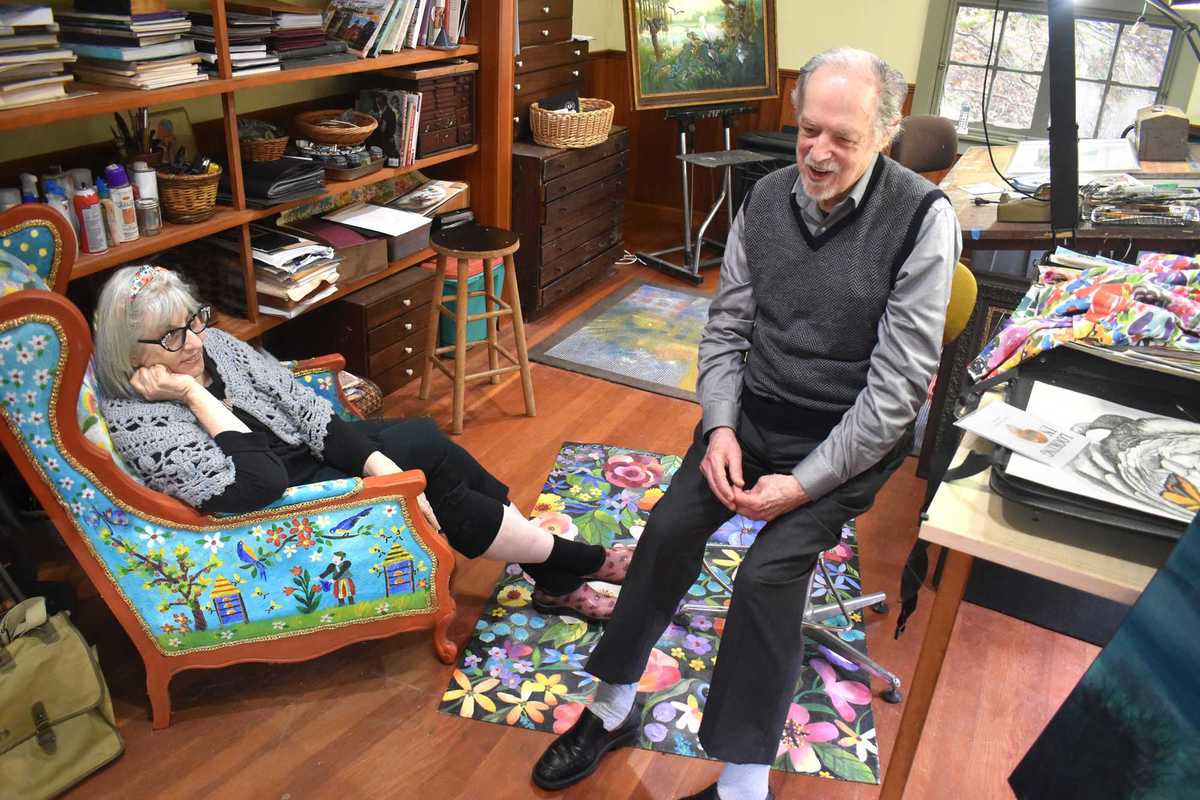
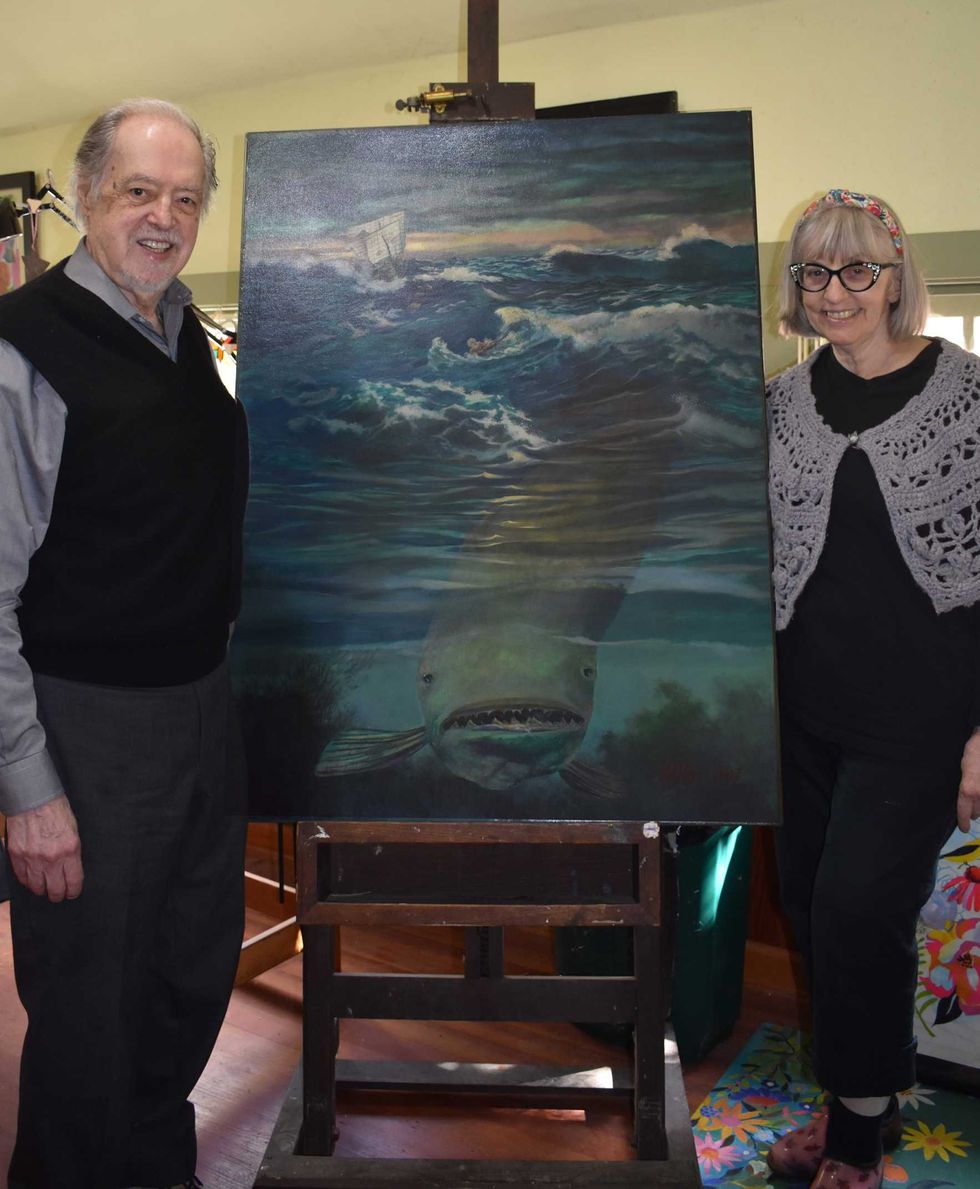 Justine and Victor Valla in their studio with a painting of Victor’s,”Jonah and the Whale.” Robin Roraback
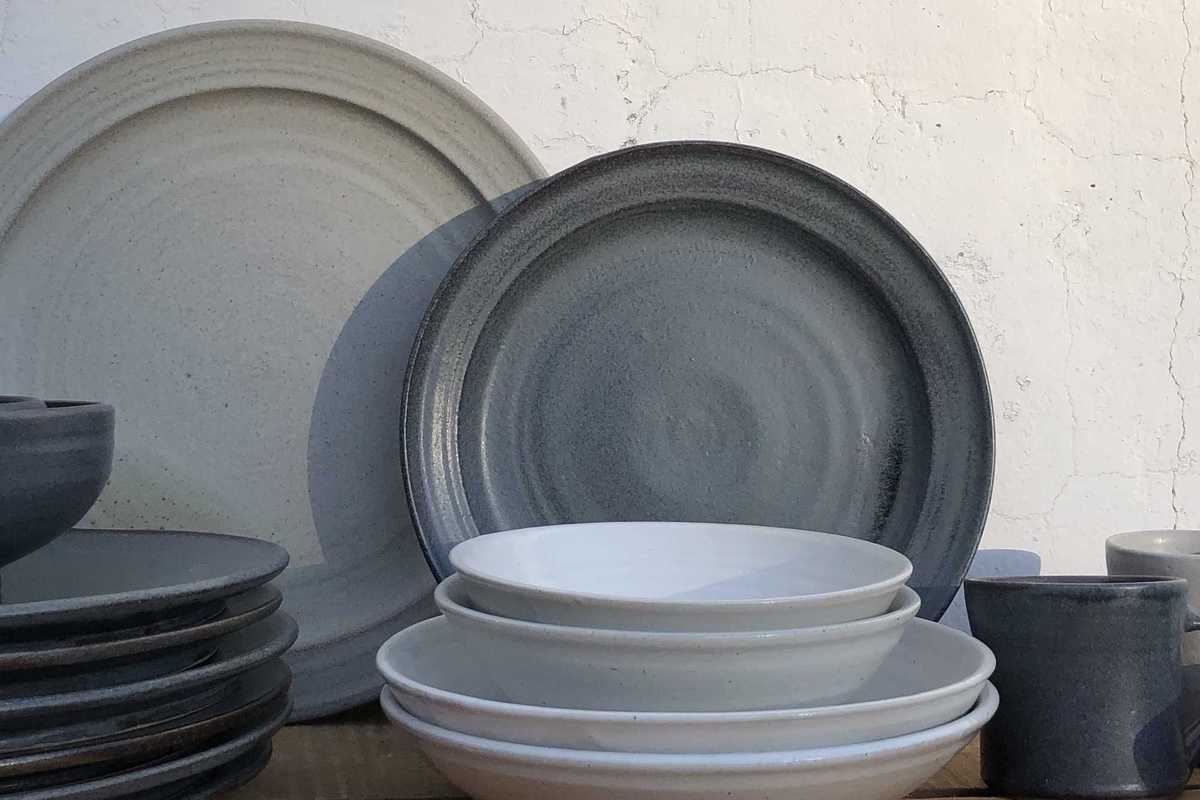
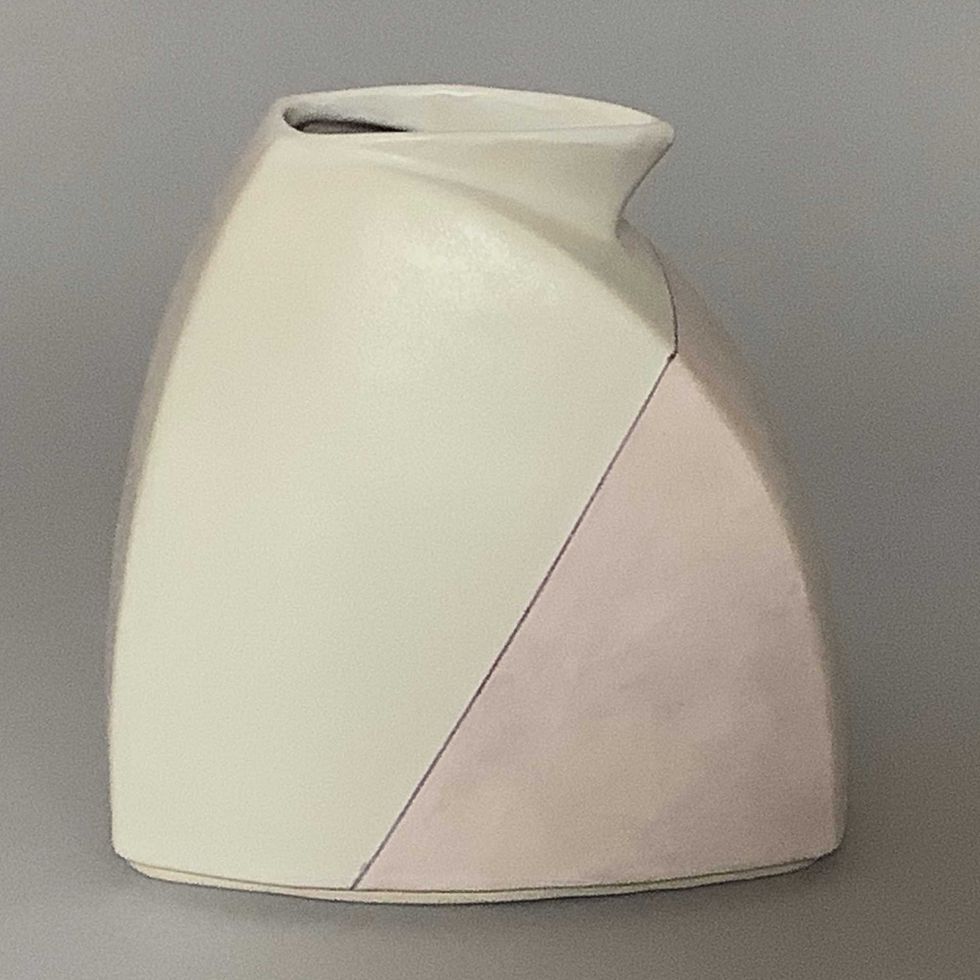 A ceramic vase by Kathleen Heidemann.Provided
 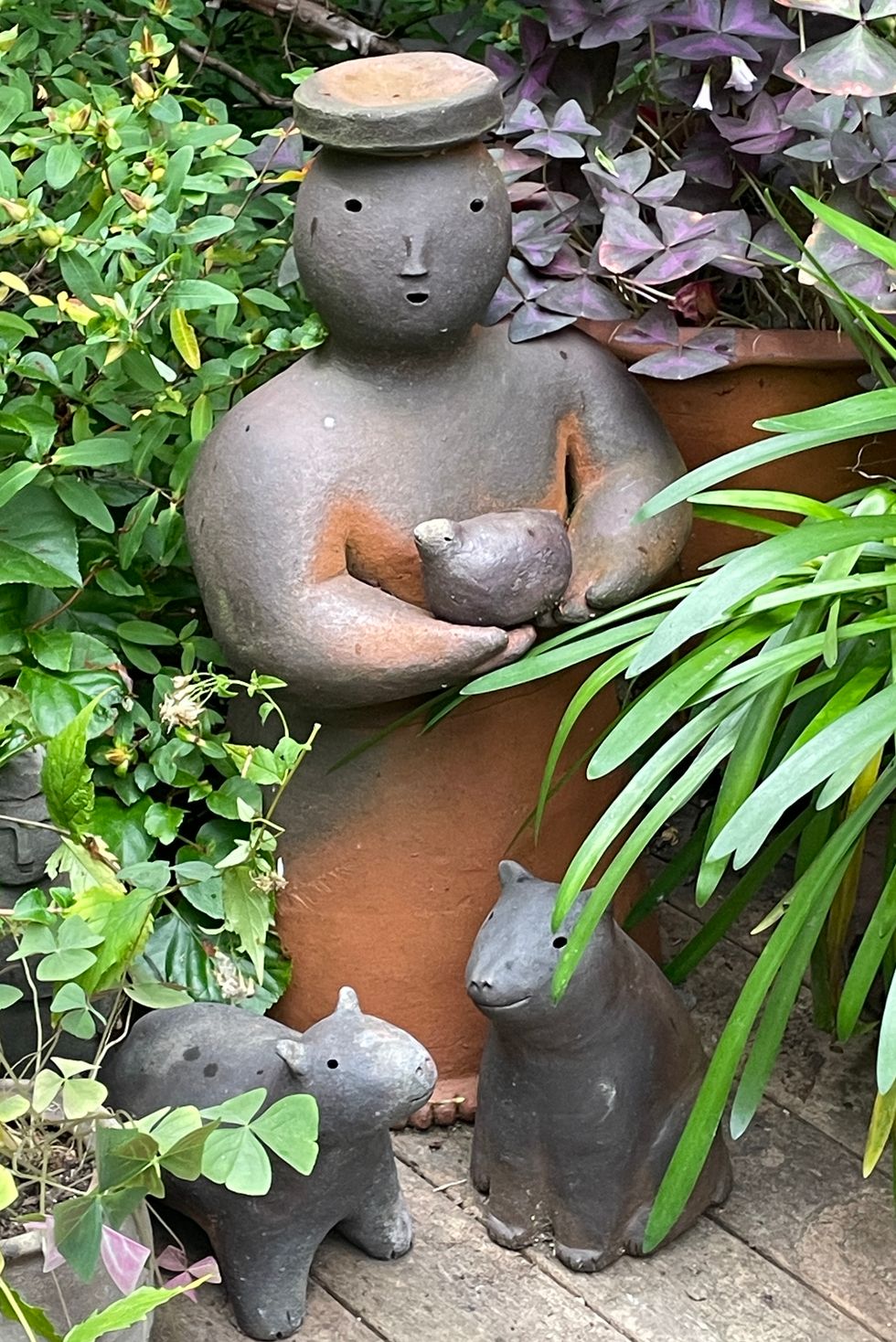 Joy Brown’s delightful ceramic sculptures.Provided