Thank you!
Your support is sustaining the future of local news in our communities.

Budget, sewer, sidewalks discussed by Village Board

MILLBROOK — The Village Board met via Zoom due to the COVID pandemic for its first regular meeting of 2021 on Wednesday, Jan. 13.  Mayor Tim Collopy, Trustees Mike Herzog, Kevin McGrane and Vickie Contino and Village Clerk Sarah Witt were there.

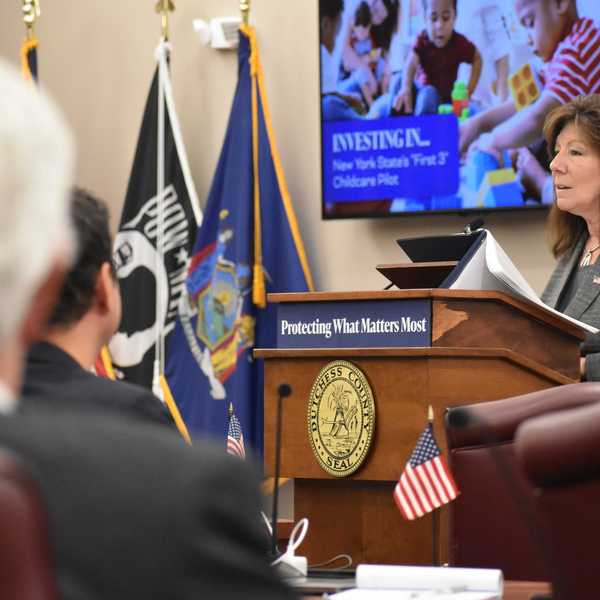
Dutchess County Legislator Deirdre Houston (R-25) gave a brief update on the COVID-19 vaccine rollout in the county, saying demand is high, supply is low and distribution is slow. The original plan was to vaccinate specific groups including those 75 and older, but the age limit was lowered to 65. 

Senior Account Clerk Karen McLaughlin reported on the  village budget and how to manage it better. Millbrook’s fiscal year started May 1, 2020 and ends April 30 of this year. Due to factors including the pandemic, she said local governments have a tough road ahead, as New York State Division of the Budget announced this past December it is projecting a decline of $14.9 billion and a decline in tax receipts of 15.3% from its February 2020 projections. 

According to her report, the New York State Employees Retirement System and its Police and Fire Retirement System will see a lower return on investment for the fund and higher contributions from municipal employers for 2021. The New York State Comptroller’s Office projects that the employer contribution will rise again in 2022. 

McLaughlin suggested the village monitor the budgets more frequently and more carefully and analyze trends, make changes and anticipate issues. Last year’s budget had some items that were over budget, such as part-time police salaries, highway paving and snow removal; the budget was $107,200 over budget in the final analysis. So far this year the village is $25,358 over budget. 

McLaughlin suggested the village do a few things to avoid going over budget, including: pay employees flex time or offer comp time instead of pay overtime in cash; review its inventory more carefully; reduce services and supplies to essential items only; analyze past years’ revenues and expenses to establish accurate budget trends; and negotiate in good faith with the town for a two-payment plan for fire protection services.

The fire department submitted its report, as did Police Sgt.  Jared Witt, who said that December 2020 had a total of 123 incidents.

Public Works Director Bob Collocola reported 2020’s first snow incident required 26 hours from his department, with 18 inches of snow accumulation; the second snow fall required six hours, with 5 inches of snow and ice accumulation. Additionally, village Christmas trees were removed along with residents’ trees. The village’s and the Millbrook Business Association’s decorations were removed and stored for the year. 

VRI Environmental Services Area Manager Scott Osborne, who is in charge of water services, reported that as on Tuesday, Jan. 12, the water upgrade was basically complete and the village’s first drinking water came through its new system, a long-awaited event. Only loose ends need to be tied up, which should be done in 30 to 60 days. 

The board is considering a sewer upgrade kickoff; it approved a motion to obtain an engineer’s report regarding needs and cost. Discussion included grants that could be obtained for the work; the water filtration system received about 60% of its funding through grants.

The board also discussed sidewalk repair, as tree roots have damaged many sidewalks, especially on Franklin Avenue, which is dangerous for those with disabilities. Grants will be sought for the project.

Witt gave updates as the treasurer and village clerk. 

The meeting adjourned at 7:45 p.m. The next meeting via Zoom will be on Wednesday, Feb. 10, at 6 p.m. To attend the virtual meeting, e-mail clerk@villageofmillbrookny.com.

Latest News

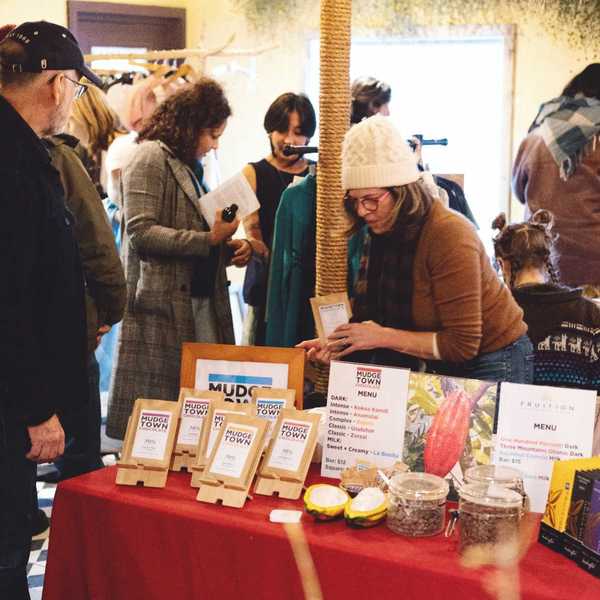
Farm & Friends: a holiday market that gives back

The Farm & Friends holiday market returns Nov. 21 and 22, featuring local makers, food producers and seasonal gifts.

Provided

According to PBS, “More than 5 million people have lost their Supplemental Nutrition Assistance Program, or SNAP, benefits since President Trump’s so-called One Big Beautiful Bill passed last year.” Combined with rising costs and new eligibility requirements, these cuts have placed additional pressure on families struggling to make ends meet. As more people turn to food banks and pantries for assistance, local farms are playing an increasingly important role in meeting that need. Hungry Reaper Farm in Morris, for example, supplies food and CSA shares to a variety of nonprofit organizations and schools.

In Dutchess County, The Webatuck Valley Farm Collaborative is working to strengthen the pipeline from farms to foodbanks. Led by Rock Steady Farm, Sweet Freedom Farm and Wildseed Community Farm and Healing Village, the collaborative hopes to double the infrastructure capacity for at least 15 local farms. This will allow them to increase supplies for food pantries and regional schools while expanding the farms’ reach to industrial buyers and distributors. By their estimation, the food hub “will supply and impact 9 school districts, 13 food pantries, and partner with 6 institutional buyers and 8 aggregators and distributors.”

Keep ReadingShow less

Under the big top at Full Circus Farm

Under the big top at Full Circus Farm

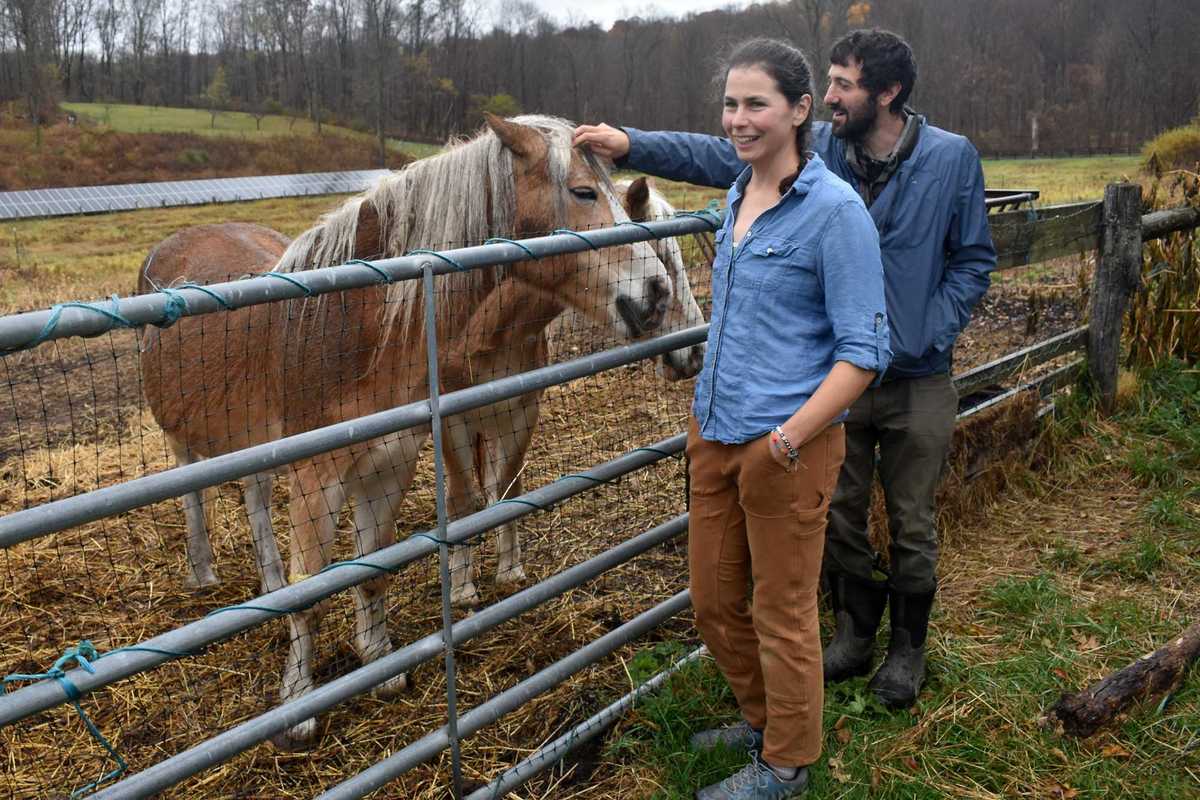
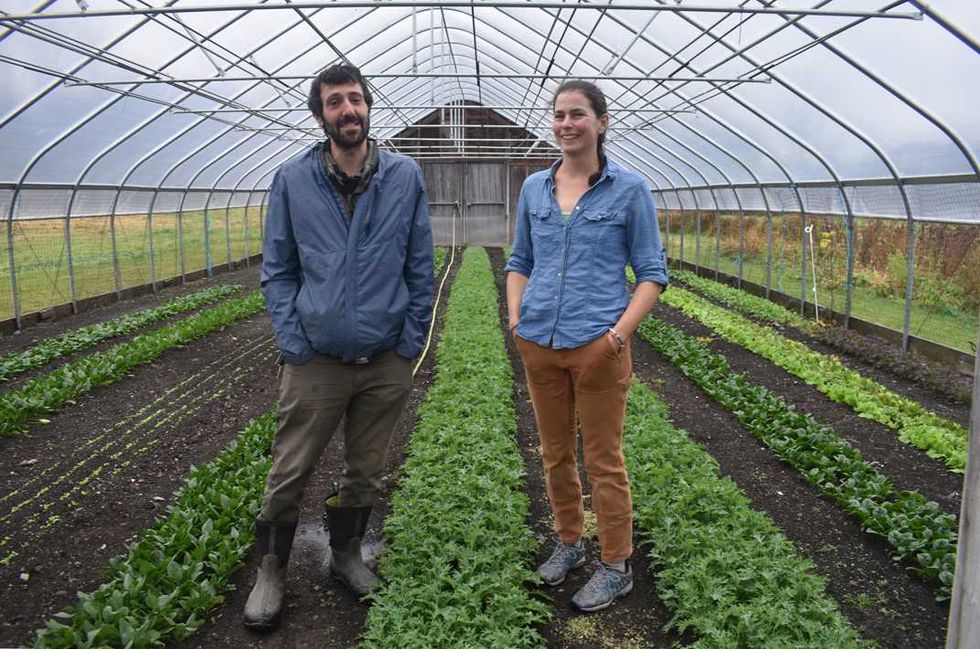
Miriam Goler and Mark Stonehill with their Haflinger horses, Sunshine and Sandy, at Full Circus Farm in Pine Plains.

L. Tomaino

We share this farm with such amazing human and nonhuman neighbors.
— Mark Stonehill

For Mark Stonehill and Miriam Stonehill Goler, the founder of Full Circus Farm in Pine Plains, farming has always been about more than what comes out of the ground.

“From the very beginning, we’ve envisioned the farm as a place not only for food production, but also merriment and community,” they said.

Keep ReadingShow less
google preferred source

Want more of our stories on Google? Click here to make us a Preferred Source.

At Ancram Center, community takes center stage
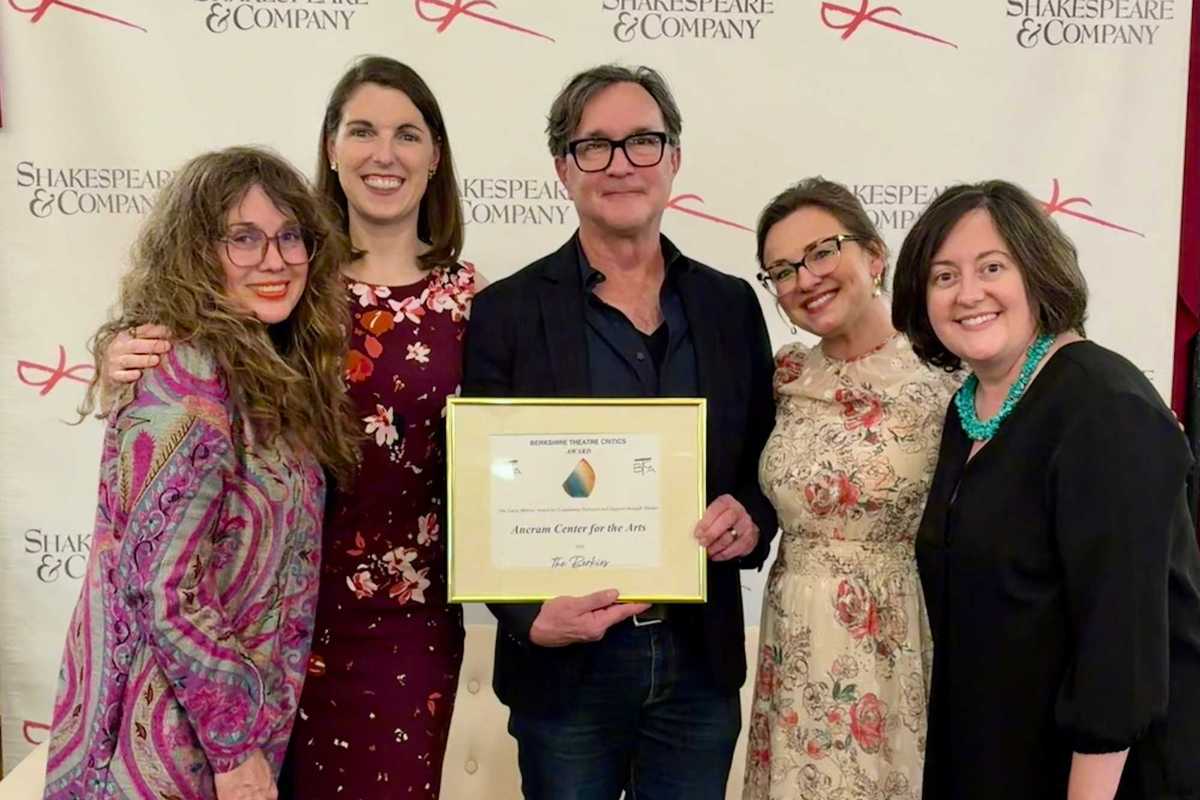
Ancram Center staff and teaching artists after the ceremony.From left to right,Simone Stevens, Sarah Katan, Jeffrey Mousseau, Erin Krom and Chris McCoy.
Provided

At the Ancram Center for the Arts, the stage has been host to numerous award winning professional actors, but it also often belongs to a neighbor with a story to tell. Other times, the performance moves out of the theater altogether, transforming a pond, a field or a corner of town into a stage.

That commitment to bringing theater into the community — and the community into the theater — has earned the Ancram Center the Larry Murray Award for Community Outreach and Support through Theater, one of the Berkshire Theatre Critics Association’s annual Berkie Awards.

Keep ReadingShow less
The Cornwall Whale resurfaces in West Cornwall

The Cornwall Whale is the brain-child of visual and experiential designer Lindsay Stadig.

D.H. Callahan

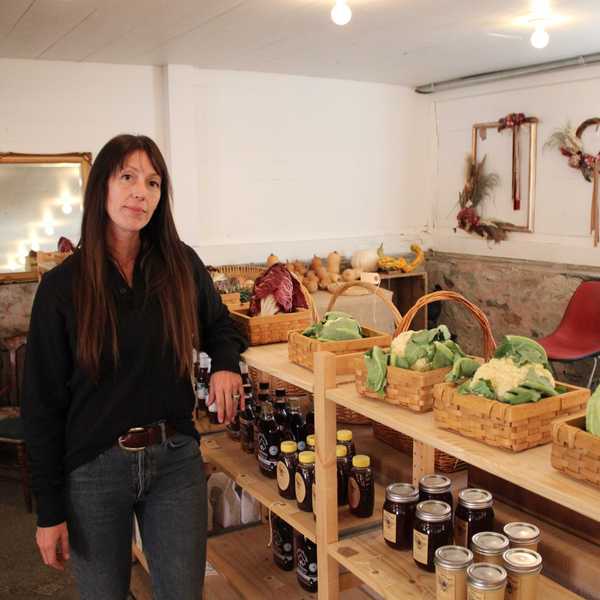
There’s something oddly familiar yet intangibly foreign about the Cornwall Whale. It’s not an interiors store, even though there are chairs and furnishings for sale. It’s not an art gallery, though there are paintings and sculptures occupying every corner of the space. It’s not a boutique, even with locally handmade shoes and carefully selected garments. No, The Cornwall Whale is something truly unique in the world of the truly unique.

The enigmatic shop popped up in the early winter of 2025 at the Hughes Memorial Library, right on the bank of the Housatonic River in West Cornwall. It is the brain-child of visual and experiential designer Lindsay Stadig.

Keep ReadingShow less

Social justice songwriting fall retreat

Social justice songwriting fall retreat

Singer, songwriter and activist Taína Asili leads a social justice songwriting retreat Nov. 20-23 at Soul Fire Farm in Petersburgh, N.Y.

Provided

Music has long been a powerful tool for protest, solidarity and social change. From civil rights anthems to contemporary songs of resistance, songwriting has helped give voice to movements and inspire collective action. Singer, composer and activist Taína Asili will explore that tradition during a four-day Social Justice Songwriting Retreat, Nov. 20 to 23, at Soul Fire Farm in Petersburgh, New York.

The retreat comes amid a renewed interest in collective singing as a form of activism. Organizations such as Singing Resistance are bringing people together across the country to use songs as tools for solidarity, nonviolent resistance and community building. The movement draws on the long history of music in social justice struggles, emphasizing the power of singing together to overcome fear, strengthen connections and inspire collective action.

Keep ReadingShow less
google preferred source

Want more of our stories on Google? Click here to make us a Preferred Source.

google preferred source

Want more of our stories on Google? Click here to make us a Preferred Source.