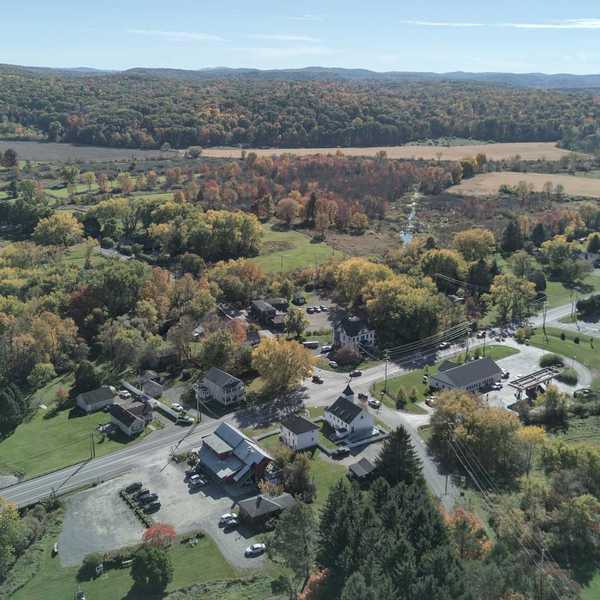
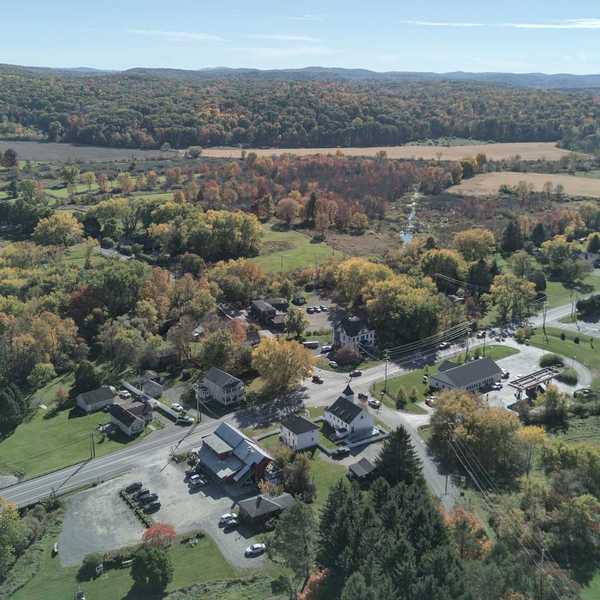
AMENIA — With restoration work now completed on two historic charcoal kilns standing west of the hamlet of Wassaic, the Amenia Town Board, at its regular meeting Thursday, Jan. 18, considered the next steps in accepting the owner’s gift of the site to the town.
Discussions about the site that stands near the intersection of Route 22 and Deep Hollow Road began 18 months ago, town historian Betsy Strauss said, when reconstruction work on the 150-year-old stone structures was about to begin. The kilns stand as significant symbols of the start of the 19th-century Industrial Revolution.
“It’s a great asset for Wassaic,” Strauss said.
“They are kind of amazing,” said Town Supervisor Leo Blackman of the restored kilns, noting that public access and parking are issues currently being worked on, as owner Eric Bommer moves toward donating the site that stands within the Deep Hollow Game Preserve.
Planning envisions the site being open to the public as an historic landmark, where visitors will be welcome to view the site that will feature signage detailing the historic significance. Strauss reported that the signage has been delivered and is in the hands of the Amenia Historical Society.
The kilns measure about 30 feet in diameter with entrances about 6 feet in height. Their purpose was to make charcoal to fire the Gridley blast furnace in Wassaic, used to manufacture iron. Converting wood to charcoal in these kilns required three weeks of slow burning.
Town attorney Ian Lindars reported that within the past year, Dutchess County officials had authorized Bommer to proceed with the necessary renovations to the kilns that involved brush removal and resetting much of the old stonework at a total cost estimated at $200,000. All restoration costs were paid by Bommer.
Lindars also recalled that within the past year, the Town Board had indicated that the town was “on board” with acquiring the site. During the ensuing months, restoration work has been completed, he said. The next step would be for the Town Board to direct him to draft an agreement to accept the gift on behalf of the town, detailing access, parking, maintenance and future cost estimates.
The Town Board agreed to continue discussion of the gift at its next regular meeting.




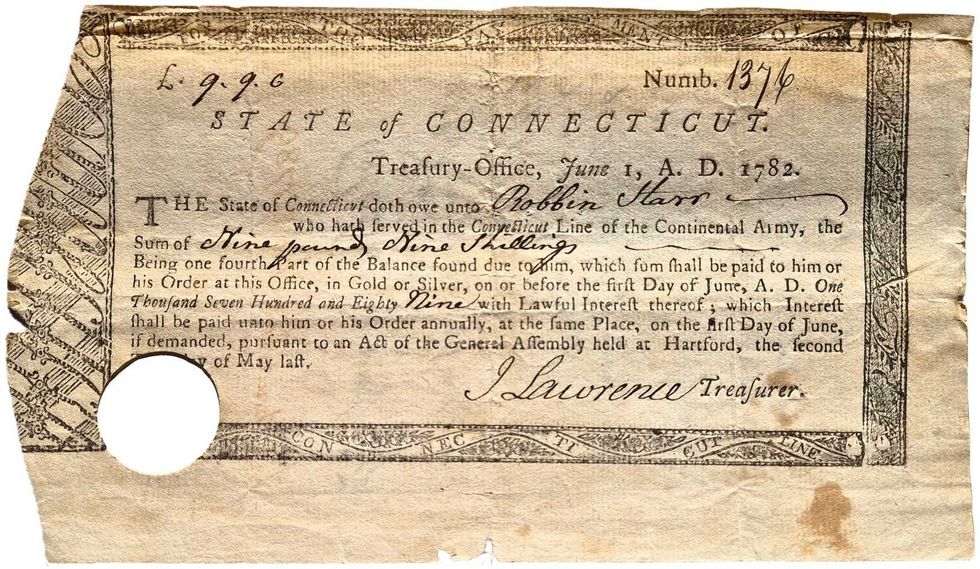 Pay Bill for Robin Starr’s service in the Continental Army.Courtesy the Alex Breanne Corporation
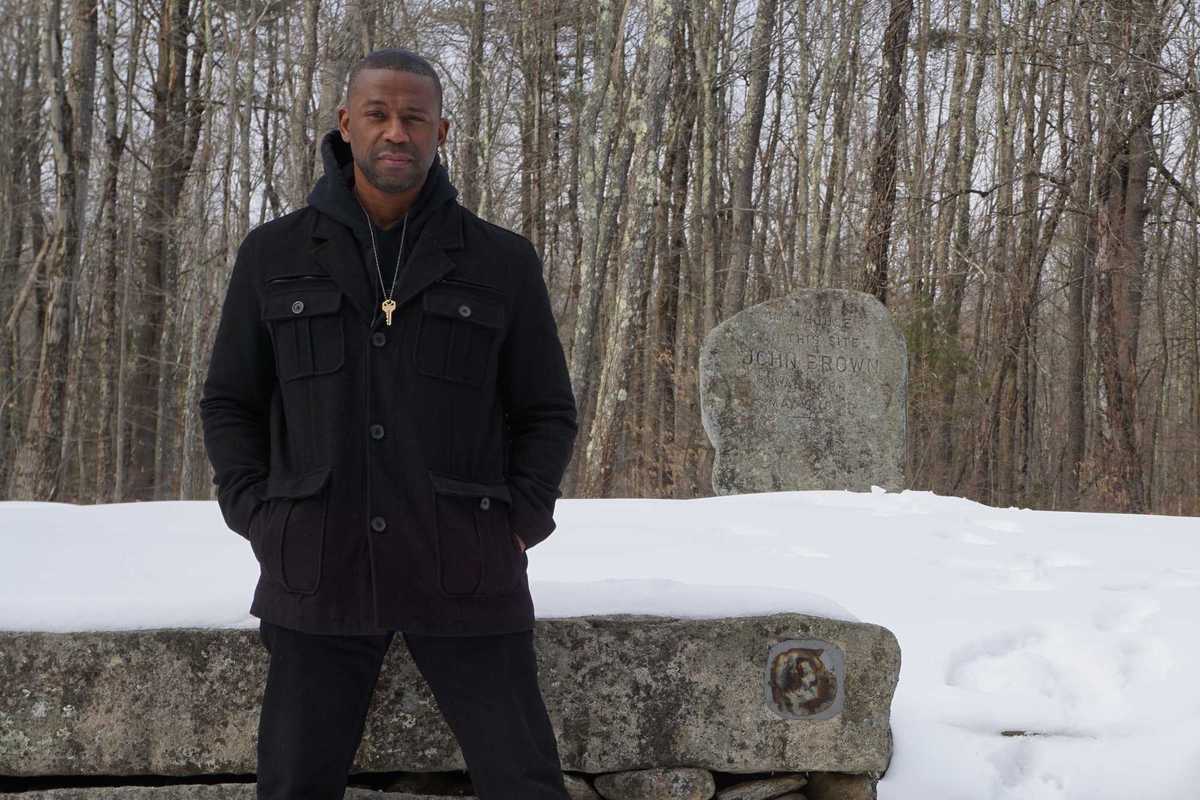
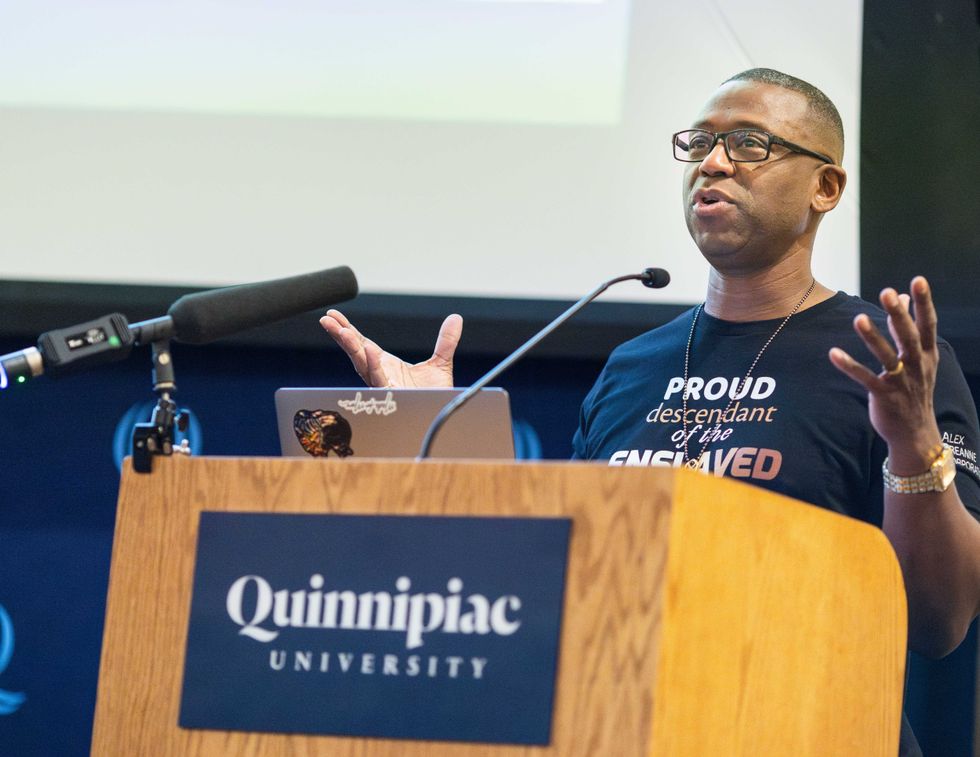 John Mills speaking at Quinnipiac University.Courtesy the Alex Breanne Corporation
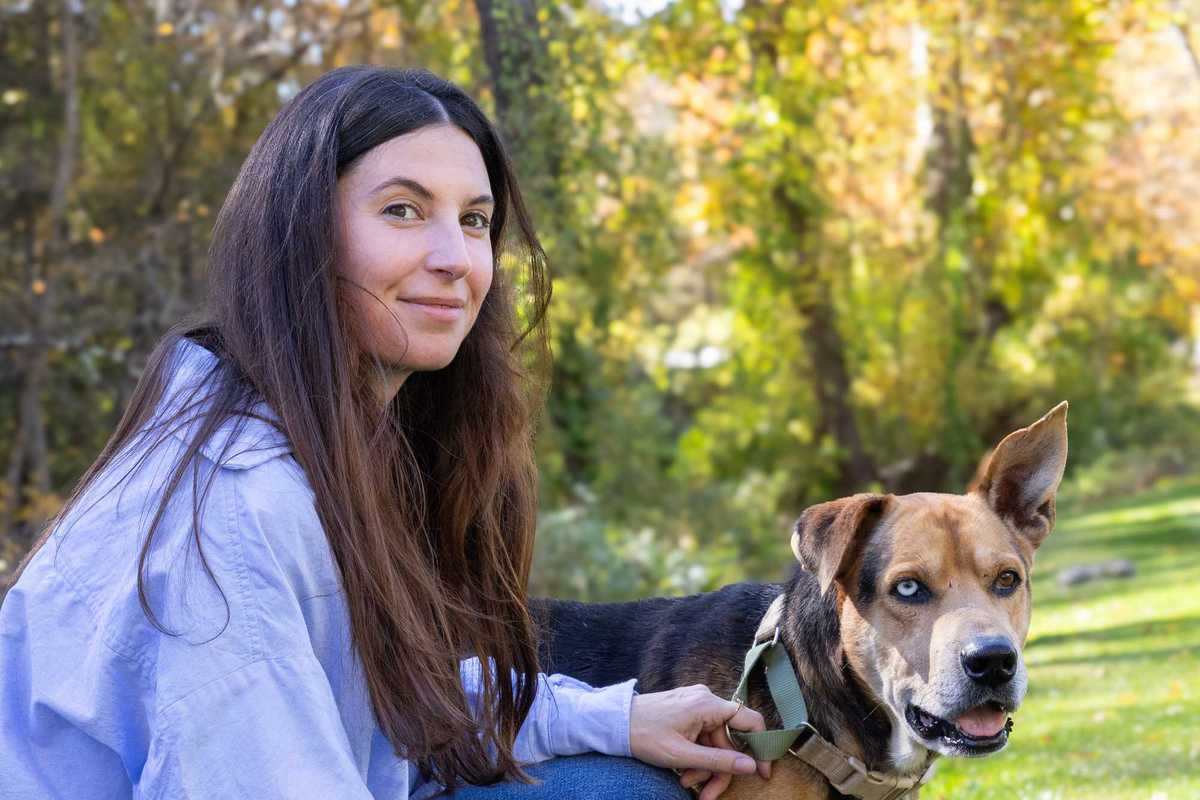
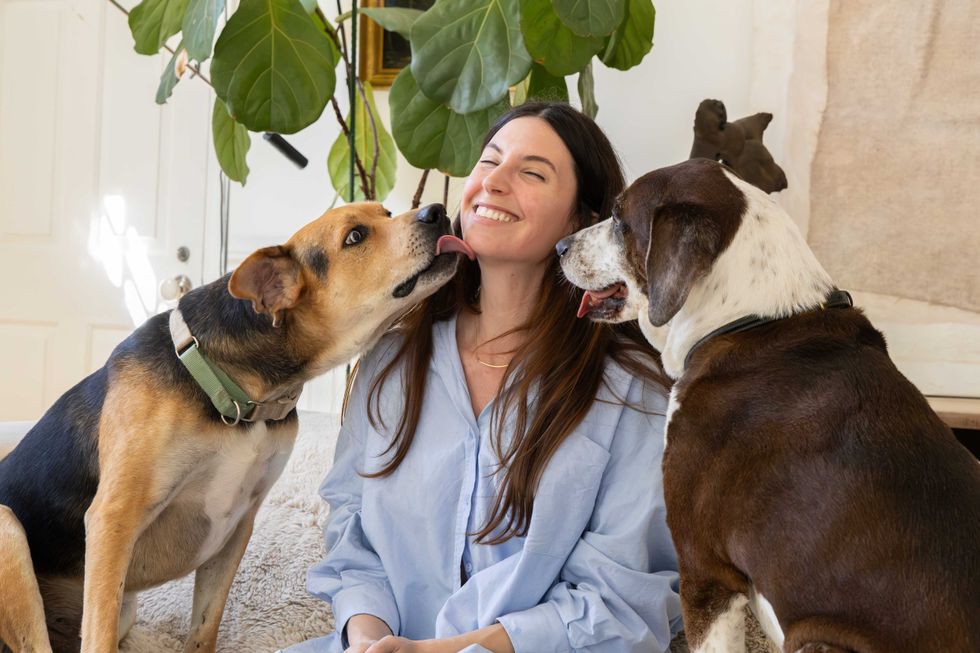 Stephanie Saetta,with her rescue dog George and Blue (left), a shepherd mix awaiting his forever home.Madi Long