MILLERTON — The Hudson Valley Regional Council was selected to receive $3 million through the Climate Pollution Reduction Grant program under the Biden-Harris administration.
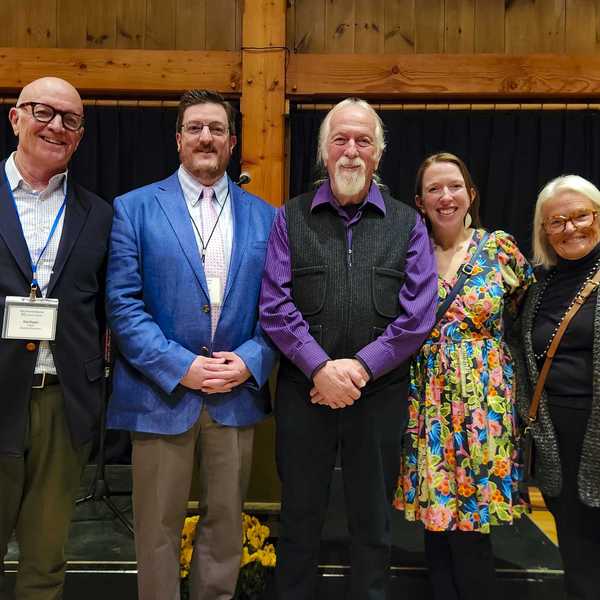
On Sept. 13, Regional Administrator Lisa Garcia, Hudson Valley Regional Council Executive Director Carla Castillo, and County Commissioner of Planning and Development Eoin Wrafter invited local community leaders to attend the press conference, which included Chris Kennan, the North East Supervisor.
“We are one of 14 different towns that have closed landfills that are seeping out methane,” Kennan said in a previous board meeting. “We are going to put biofilters on top of those ‘candy canes,’ and it is amazing what that does for methane.”
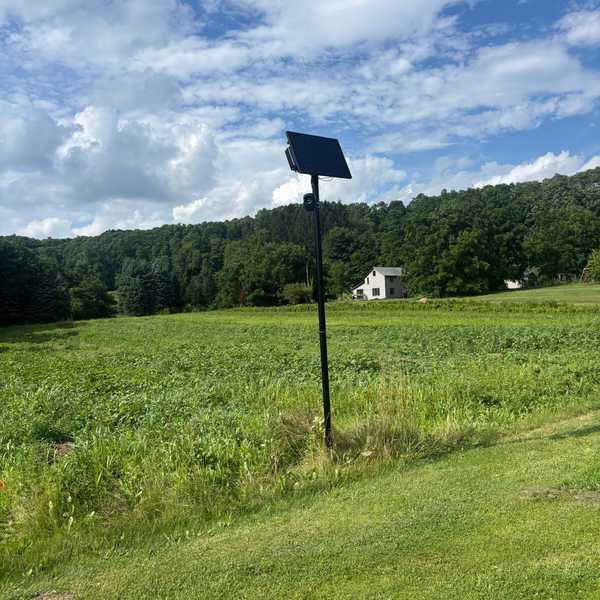
The grant will allow the Hudson Valley Regional Council to install biofilters that will decrease the amount of methane being released into the atmosphere from the closed landfills within the Hudson Valley area. The council will also promote the installation of solar arrays, battery storage, pollinator gardens and long-term ecosystems plans at former landfill sites.
“The Town of North East has been in the forefront of efforts to clean up our environment and to reduce greenhouse gas emissions,” said Kennan. “We are proud to be part of a cohort of Hudson Valley communities that are focused on mitigating GHG emissions from our closed landfills. We are deeply grateful to the Hudson Valley Regional Council and to the EPA for this initiative and for the recognition that there are practical and affordable technologies to accomplish this goal.”
Ninety-three percent of the emissions produced by the Town of North East come from its landfill. The filters will be piles of mulch and woodchips containing methane-eating bacteria. By next year, the town is hoping to cover the venting hooks with mulch, sending the emissions directly into the bacteria-eating area.
According to experts at the Environmental Protection Agency, methane is 30 times more harmful to the atmosphere than carbon dioxide.
“Investing in reducing greenhouse gas emissions and harmful air pollution is critical to combat climate change and create a greener future for all,” said U.S. Sen. Kirsten Gillibrand in a press release. “I am thrilled to see that the Hudson Valley Regional Council has been selected for this grant to reduce fugitive methane emissions and help protect Hudson Valley communities from pollution.”
The Climate Pollution Reduction Grant selections were made after a rigorous competition of nearly 300 reviewed applicants. Entities around the country could submit applications, and the applicants requested around $33 billion in funding.
Based on the applications that were accepted and their estimates, the grants should be able to reduce greenhouse gas pollution by 148 million metric tons by 2030 and by 971 million metric tons by 2050.
The press release stated that out of the 14 closed landfills that were targeted, half of them were in historically disadvantaged communities. The participating municipalities are: the Town of Amenia, Town of Bethel, City of Beacon, Town of Cornwall, Dutchess County, Town of Gardiner, Town of Hurley, City of Mamaroneck, City of New Paltz, Town of North East, Town of Philipstown, Town of Rhinebeck, Town of Wallkill, Town of Woodstock.




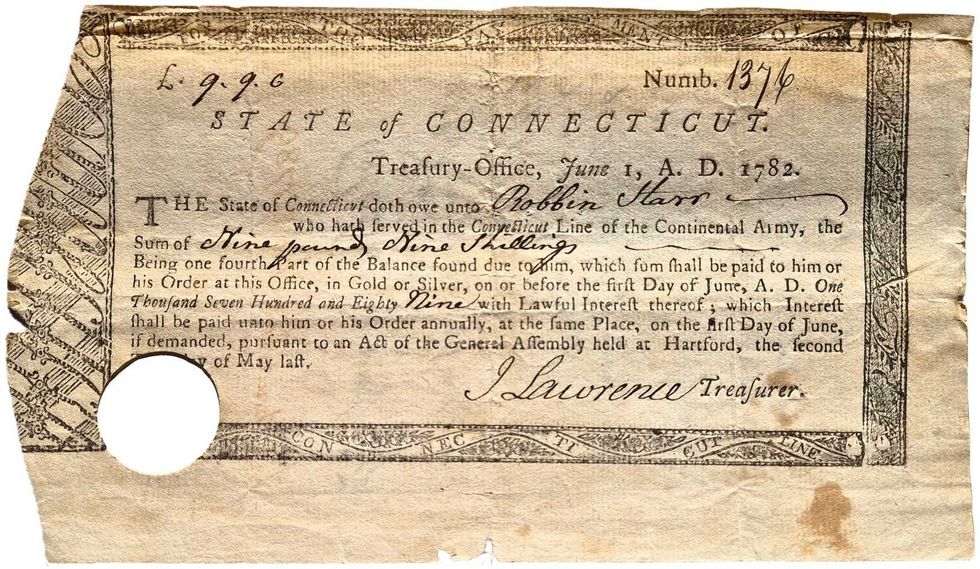 Pay Bill for Robin Starr’s service in the Continental Army.Courtesy the Alex Breanne Corporation
 John Mills speaking at Quinnipiac University.Courtesy the Alex Breanne Corporation
 Stephanie Saetta,with her rescue dog George and Blue (left), a shepherd mix awaiting his forever home.Madi Long