The COVID-19 pandemic was supposed to spell the end of the cruise line industry. These massive ships, crammed with sick passengers, were labeled “petri dishes” by the media, infectious disease experts, and politicians. Six years later, the sector is alive and growing.
AAA projects that a record-breaking 21.7 million Americans are planning to hop aboard an ocean cruise in the coming year. If so, that would mark the fourth year in a row the cruise industry has experienced record passenger volume. This year, more than 20 million passengers flooded the gates to new King Kong-sized vessels, offering fixed-price packages and promising a wide variety of cruise options for every age and pocketbook.
If you break down the demand demographically, Baby Boomers still make up the majority of cruise-goers, followed by Millennials. Most adults travel with a companion. Nearly 50% of U.S. cruise passengers are cruising as a couple.
About 65% of adult passengers are 55 or older. However, 27% are from younger generations (35 to 54 years old), and 7% are aged 18 to 34. The trend also includes multi-generational groupings who choose to take cruise vacations together. One quarter of Baby Boomers who like cruises do so with their adult children, and roughly 29% of Gen Z members cruise with their parents.
A survey identifying trends shaping the modern cruise experience found that Millennials and Gen Z are increasingly enthusiastic about opting for a cruise vacation. Key among the changes in attitude was the affordability of shorter itineraries, which allow younger generations to vacation more frequently. They much prefer a 2-to-4-day sailing to the more traditional 5-to-7-day voyage.
The Caribbean remains the most popular destination, attracting 72% of American cruise passengers. As a result, Florida ports are the busiest in the world due to this vacation demand. The new mega-vessels ply the Caribbean, Mediterranean, and Northern European waterways. Smaller vessels are more common in Northern Europe for expedition cruises and in the Mediterranean for luxury trips.
More than half of the 4,500 people surveyed had already cruised, and nearly 30% planned to do so again over the next two years. Of those planning another cruise, 36% were born between 1981 and 1996. The average age of a cruise guest is now 46 years old, and 36% of all cruisers are now under 40.
Cruise lines have quickly adjusted to these preferences and begun marketing 3- to 5-night cruises. Another popular consumer preference is the chance to visit a private island. Cruise lines are investing big bucks to create this type of destination or upgrade existing ones. Cruise operators know that the main draw for vacationers is convenience and value, especially today.
As such, cruise companies bundle lodging, meals, and entertainment. The price often equates to a lower per-night cost than on a land-based vacation. Celebrity-level chefs and Broadway-level shows have replaced the rubber chickens and crew member chorus offerings of yesteryears.
Modern-day ships are increasingly resembling ocean-going resorts, complete with floating buffets and satisfied customers—couples like the built-in date-night dining and entertainment options. Families appreciate the kid clubs, water parks, and multi-room lodgings. An expanding list of destinations, such as a cruise to Antarctica or the Arctic, excites and attracts younger adventure seekers.
More than 90% of U.S. cruise passengers rate their experience as good or very good, according to AAA, and 91% have taken multiple cruises. With those kinds of repeat rates, cruise lines expect growth to continue well beyond the next few years. Wall Street likes what it sees and has rewarded these companies with higher stock prices. Rather than rest on their laurels, cruise companies worldwide are expanding their fleets, building destination islands, and upgrading their offerings hand over fist.
Bill Schmick is a founding partner of Onota Partners, Inc., in the Berkshires.Bill’s forecasts and opinions are purely his own and do not necessarily represent the views of Onota Partners, Inc. (OPI).None of his commentary is or should be considered investment advice.Direct your inquiries to Bill at 1-413-347-2401, email him at billiams1948@gmail.com, or visit his website at www.schmicksretiredinvestor.com. Investments in securities are not insured, protected or guaranteed and may result in loss of income and/or principal.




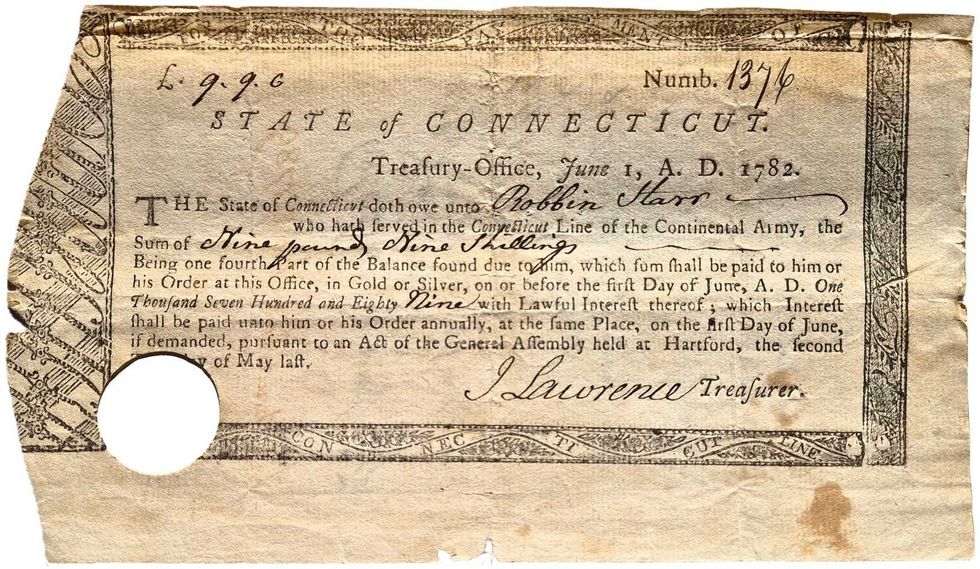 Pay Bill for Robin Starr’s service in the Continental Army.Courtesy the Alex Breanne Corporation
 John Mills speaking at Quinnipiac University.Courtesy the Alex Breanne Corporation

 Stephanie Saetta,with her rescue dog George and Blue (left), a shepherd mix awaiting his forever home.Madi Long