The current best guess is that about one in ten Americans are now using Ozempic or a competitor weight-loss drug. It costs money and the injections are a pain (literally). So soon there’s a pill… and it still costs money, meaning usually only those with the means and not necessarily the medical reason are in that ten percent.
Some facts: The GLP-1 hormone derived from Anglerfish and the Gila monster venom (I am not kidding), this drug masks your ability to feel hungry. It stops craving. It does not stop your body’s need for protein, fats, vitamins, and minerals. If you eat less you lose weight like any starvation diet. If you eat less you get less of the necessary protein, fats, vitamins, and minerals to remain healthy. To deal with this, your body consumes stored goodness in your fat cells and, eventually, digesting that extra skin you no longer need. Of course, if the stored fat was crap from genetically modified corn (liposuction is often yellow corn sugar stored as fat ), that’s what your body will consume and process once again to stay viable. Toxicity is an issue here. What is also an issue is muscle tone and the body’s difficulty in dealing with sudden drastic weight change. Doctor’s advice is always, currently, needed along with a prescription and weight training to rebuild muscles.
But already generic GLP-1 hormone versions are on the market, available without prescription globally. It is likely that the 10% under treatment may quickly become more like 90% of the population desperate to look what the media says is “good” (this parallels Viagra’s track record of resetting sexual norms even for teens). And GLP-1’s effectiveness to reshape norms will upend the entire medical, pharmaceutical, and food industries.
Think I’m kidding? Weightwatchers is already doomed (and they are selling GLP-1 now too). Two CEOs have quit, taking their funding out (Oprah is one of them). Restaurants are already offering menus with “exotic bites,” “mindful experience meals,” and “GLP-Wonderful Menus.” The fast food industry has, for decades, claimed that snack food is nutritious based on a per-ounce calorie calculation. A bag of potato chips is 150 calories. But if you only eat two or three chips the small bag they sold you is salt and very few calories, hardly “healthy” anymore.
As GLP-1 goes global and generic, there is huge money to be made keeping the prices as high as possible. That money has to come from somewhere… that’s why the investors are switching from the traditional food industry to the drug companies. To keep profit share, companies like Coke are planning ½ sized cans, MacDonalds is planning tasters maybe called “McBites.” Will those reduced sized products cost the buyer less? A bit, but the profit margins built-in will have to be the same as before to keep the food industry viable, to keep the cattle association thriving, to keep dairy and produce farmers in business.
So, what started out as a medicinally beneficial drug for diabetes and grossly overweight patients, has quickly become the drug of choice for personal beauty and physical perfection ideals. And in that vanity-unleashed world, industries will change, adapt, and create a new norm of visual perfection, dealing with dietary imperfections, malnutrition, as well as increased medical (physical and mental) treatments. Look for money sprinting from the dietary programs, leveraging profit margins within food industries, growing the entire medical and pharmacy industries and, in the end, reshaping the ideals of beauty, so-called health, and cultural visuals of what humans are naturally supposed to look like.
GLP-1 is the harbinger of a whole new world driven first by real medical need, taken over by perhaps false ideals of beauty and health. Once set, it becomes impossible to undo such cultural norms. Like plastic surgery fads, we may never again enjoy the diversity and origin of the species as nature intended.
Peter Riva, a former resident of Amenia Union, New York, now lives in Gila, New Mexico.


 Pay Bill for Robin Starr’s service in the Continental Army.Courtesy the Alex Breanne Corporation
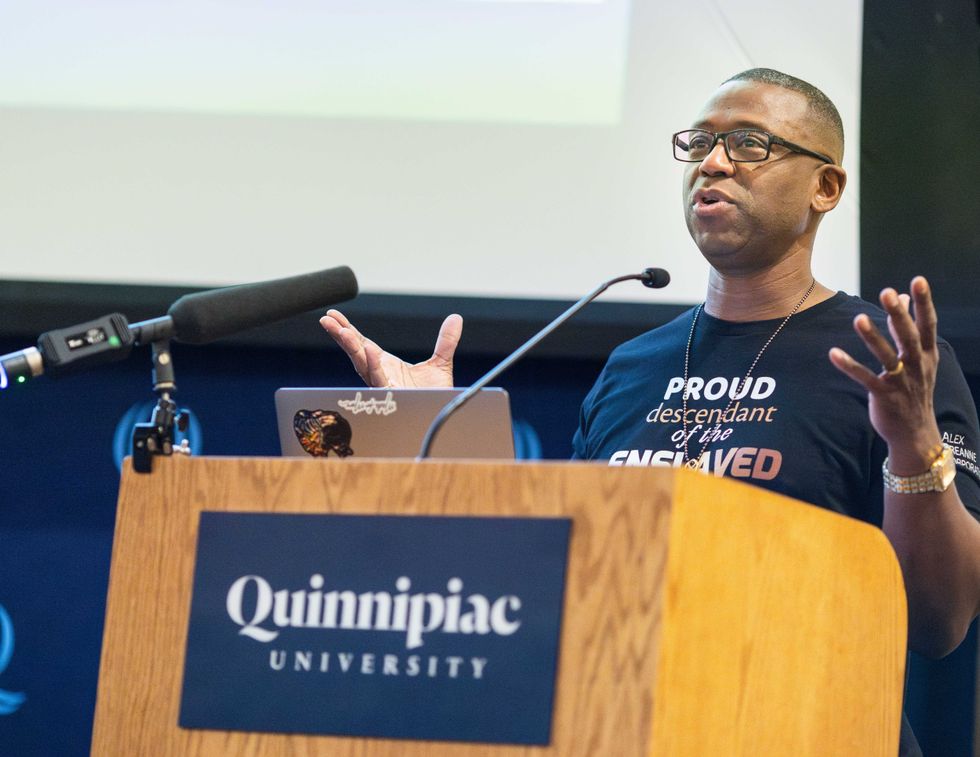 John Mills speaking at Quinnipiac University.Courtesy the Alex Breanne Corporation

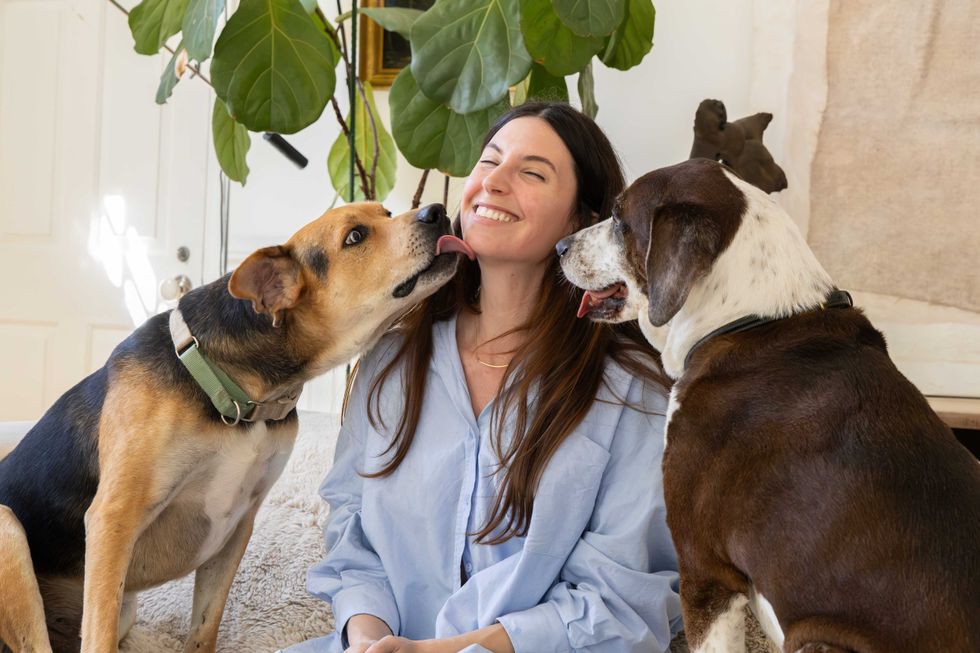 Stephanie Saetta,with her rescue dog George and Blue (left), a shepherd mix awaiting his forever home.Madi Long