Latest News
Legal Notices - July 9, 2026
Millerton News
Jul 09, 2026

Legal Notice
Notice of Formation of Kaits Kleaning LLC. Art. Of Org. filed with SSNY on 05-22-2026. Office Lo-cation: Dutchess county. SSNY designated as agent of the LLC upon whom process against it may be served. SSNY shall mail process to: 24 Attlebury Hill Road, Standfordville NY 12581.
06-04-26
06-11-26
06-18-26
06-25-26
07-02-26
07-09-26
NOTICE OF
PUBLIC HEARING
NOTICE IS HEREBY GIVEN that a public hearing will be held before the Planning Board of the Town of North East on Wednesday, July 22, 2026 at the North East Town Hall, 19 N. Maple Ave., Millerton, NY at 7:40 PM or as soon thereafter as possible on the application of Olivet Academy for a Special Permit for a Private School on Tax Parcels #7169-00-202068 located at 341-425 Morse Hill Road, Millerton, NY; # 7168-00-136877 located at 460 Morse Hill Road, Millerton, NY; and # 7169-00-329047 located at 402-422 Perrys Corners Road, Millerton, NY in the A5A Zoning District of the Town of North East. The above application is open for inspection at the Town Hall or via email. Please request a copy by emailing the Planning Board office at pb @townofnortheastny.gov or calling 518-789-3300, Ext. 608.
Persons wishing to appear at such hearing may do so in person or by attorney or other representative. Communications in writing relating thereto may be filed with the Board prior to such hearing. Dated: June 24, 2026
Dale Culver
Chairman,
Planning Board
07-09-26
NOTICE TO CREDITORS
ESTATE OF PETER S. ESTES,
Late of Sharon
(26-00196)
The Hon. Jordan M. Richards, Judge of the Court of Probate, District of Litchfield Hills Probate Court, by decree dated May 26, 2026, ordered that all claims must be presented to the fiduciary at the address below. Failure to promptly present any such claim may result in the loss of rights to recover on such claim.
The fiduciary is:
Theresa M. Walla Kelly c/o LINDA M PATZ, DRURY, PATZ & CIT-RIN, LLP
7 CHURCH STREET
P.O. BOX 101 CANAAN, CT 06018
Jordan Bergs
Clerk
07-09-26
Keep ReadingShow less
Tenmile Distillery is making history the old-fashioned way
D.H. Callahan
Jul 08, 2026
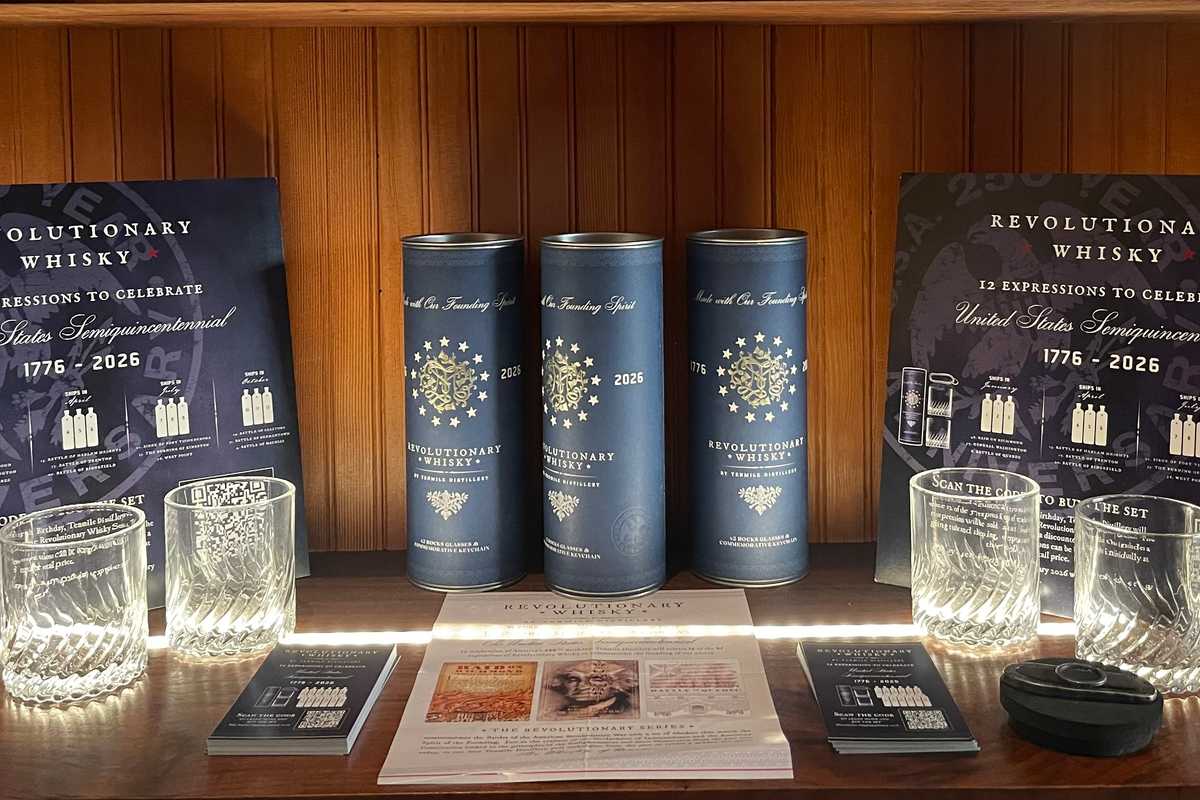
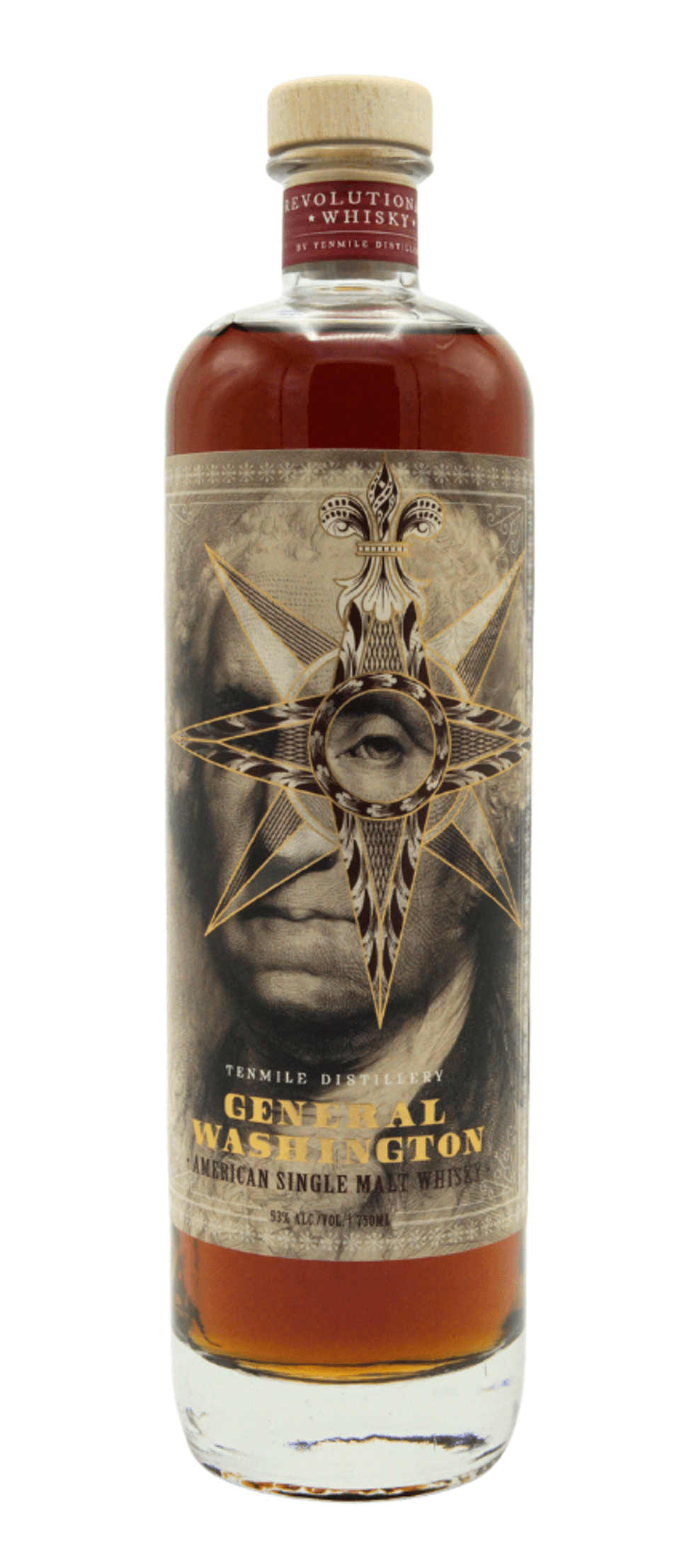
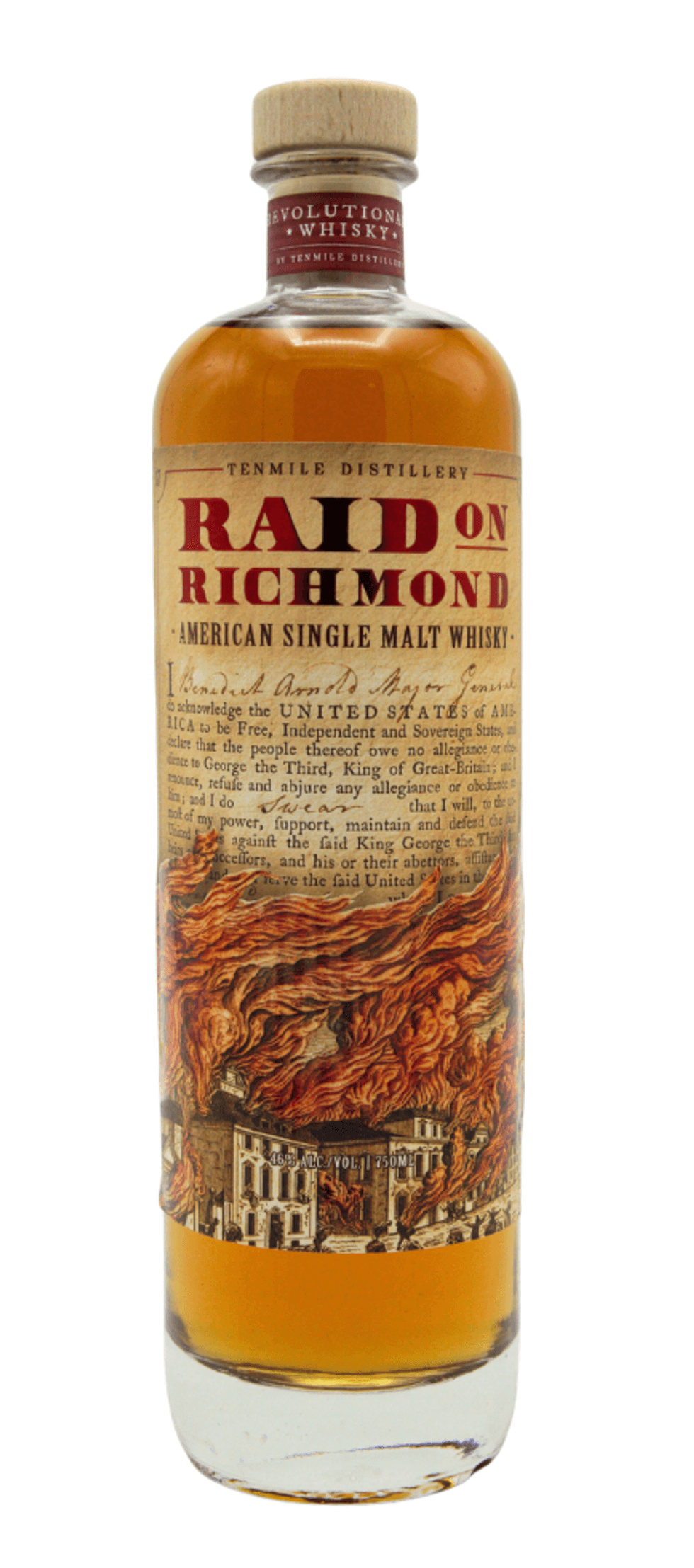
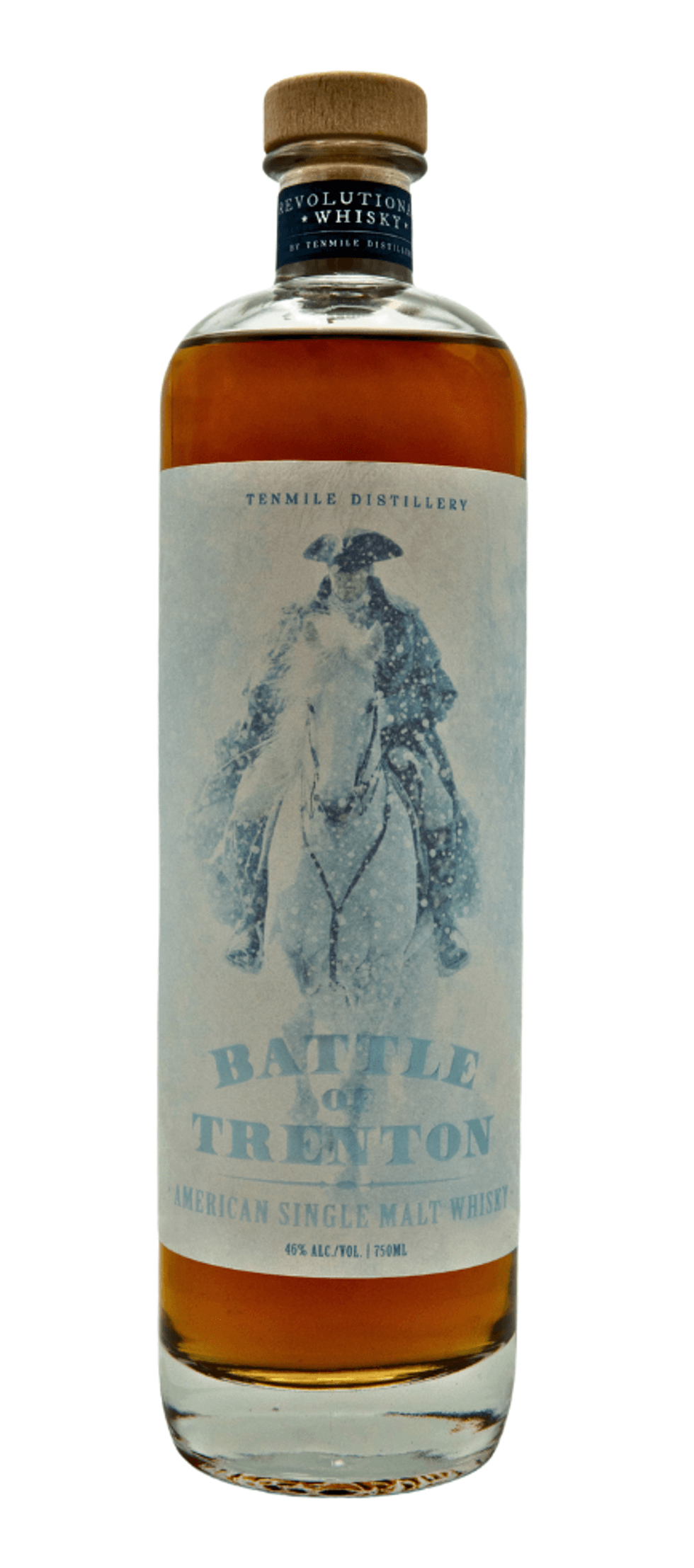
Cheers! The Revolutionary Whisky Series at Ten Mile Distillery, each named for a significant battle of the American Revolution, celebrates America at 250.
D.H. Callahan
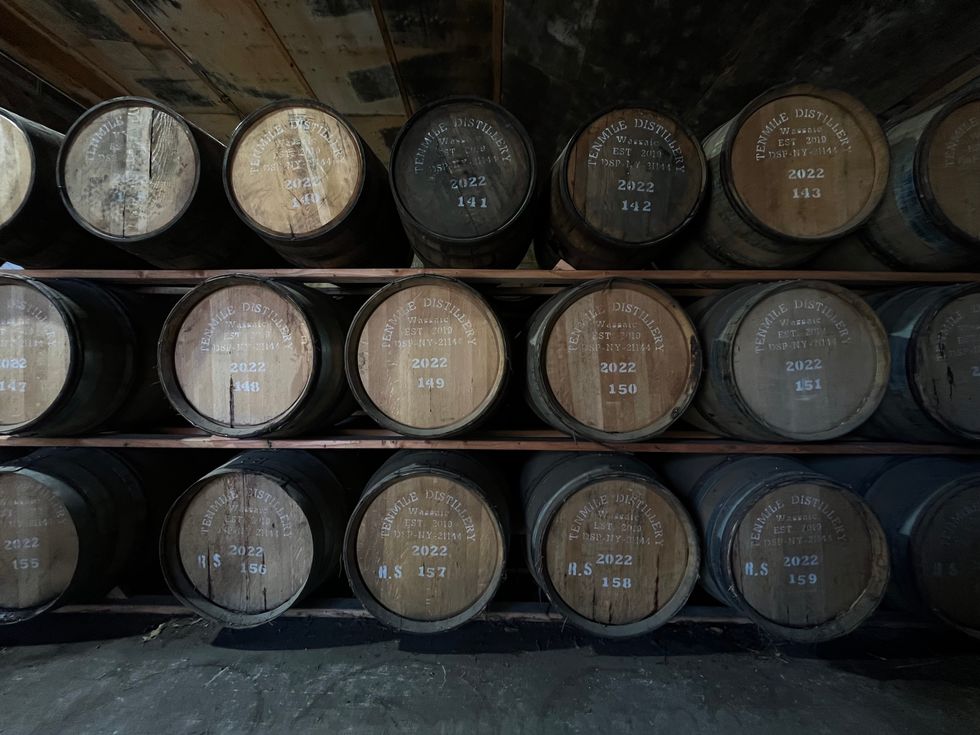
In December 2024, the U.S. Alcohol and Tobacco Tax and Trade Bureau officially established the Standard of Identity for American Single Malt Whisky. It was the first new classification in more than half a century, creating new possibilities for American distillers. One of the distilleries taking advantage of this new landscape is Wassaic’s Tenmile Distillery. It is well positioned to make history because Tenmile has always honored traditional whiskey-making practices.
Single malts are often associated with Scotch whisky. Perhaps that’s why, years before the new standard was adopted, Tenmile hired Shane Fraser, a Scottish master distiller with 30 years of experience at some of Scotland’s most prestigious distilleries. Fraser began designing the distillery from the ground up. Alongside owner and general manager Joel LeVangia, he emphasized time-honored traditions, favoring hands-on craftsmanship over the increasingly automated methods used by larger producers. When it comes to making the best whisky possible, Tenmile believes in learning from the past. That philosophy extends beyond the distilling process.
 D.H. Callahan
In late 2025, in anticipation of the 250th anniversary of the signing of the Declaration of Independence, the distillery introduced its Revolutionary Whisky Series. The collection features 57 unique expressions, each with its own combination of barrel types and aging periods, and each named for a significant battle of the American Revolution.
LeVangia sees the series not only as something collectible — a hallmark of the international craft distilling world — but also as an opportunity to educate. Most Americans learn about the Revolution in high school U.S. history classes, but LeVangia wanted to go beyond familiar stories such as Washington crossing the Delaware or the famous command to wait until soldiers could see “the whites of their eyes.” Each bottle helps tell a deeper story.
To bring those stories to life, Tenmile has gone the extra — dare they say, 11th — mile. Tom Bouldin, Ph.D., serves as the distillery’s historian. He consults on the series, helping LeVangia and Fraser connect each expression to an appropriate battle of the American Revolution. He also leads Tenmile’s lecture series. While some of Bouldin’s talks explore the history of popular music, his primary focus is the battles of the American Revolution.
With each new release, Tenmile hosts an intimate evening of history and whisky tasting. Centered on Bouldin’s meticulously researched lectures, the events often spark broader conversations about the battles, the people who fought them and what those events still mean today. It’s a style of promotion rarely seen today. Although the distillery and its grounds are stunning, these gatherings are not designed as Instagram photo opportunities. Instead, they bring together a small group of people eager to learn from the past while tasting something new.
That is what the Revolutionary Whisky Series — and Tenmile Distillery as a whole — is all about: learning from history while forging its own.
Keep ReadingShow less

Want more of our stories on Google? Click here to make us a Preferred Source.
The magic of Belinda Sinclair
D.H. Callahan
Jul 08, 2026
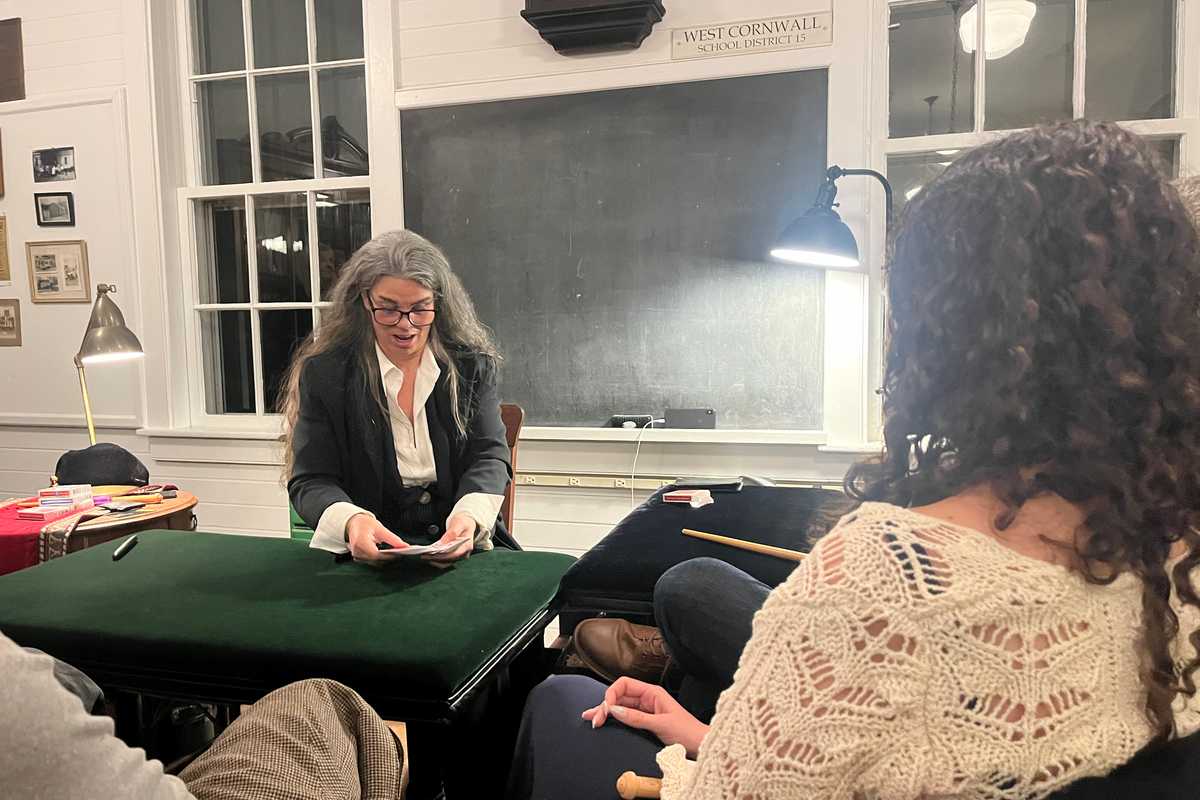
Belinda Sinclair
Dean Chamberlain
Sinclair’s show explores the ways women have been practicing forms of magic for centuries, and there is plenty of history to tell.
Belinda Sinclair is the kind of magician who impresses people who don’t like magic. Her tricks are mind-boggling. Her stories are captivating. And if she picks you to write your name on a card, get ready to be wowed. Repeat attendees of her shows, of which there are many, take almost as much delight in watching new jaws drop as they do in seeing an illusion reach its astonishing conclusion.
Since the summer of 2025, Sinclair has been baffling local audiences at the Hughes Memorial Library in West Cornwall, but her magical run comes to a close at the end of August.
For 45 years, Sinclair, a New York City native, has been hosting small, intimate performances in the “Conjuring Room,” her Victorian parlor in Hell’s Kitchen. It’s a place made for magic, with built-in surprises designed to disorient. But the Hughes Library doesn’t have the same potential to perplex. The room is, as the name suggests, a library, with shelves packed tightly with old books. Some of those books, stocked by Sinclair herself, dive into the history of women and magic. That particular topic is the organizing principle of her show.
Today, we live in a world with large-scale magic productions from household names like David Blaine. Penn & Teller and Criss Angel had widely popular television series, while performers like magician and comedian Justin Willman have found audiences on Netflix. David Copperfield, the most commercially successful magician in history, only recently had his 25-year Las Vegas residency cancelled, after allegations connected to the Jeffrey Epstein investigation resurfaced. But very few women, arguably none, have reached the highest levels of fame in the magic world.
Sinclair’s show explores the ways women have been practicing forms of magic for centuries, and there is plenty of history to tell. Her head is simply full of historical anecdotes and interpretations. She seems to know everything there is to know about magic and how, over the centuries, it has been feared and misunderstood.
It’s knowledge she acquired through decades in the world of magic. Sinclair got her start by accident. After graduating from New York City’s High School of Performing Arts, she was hired to entertain a long business conference as a clown. Despite having no clowning experience, she did so well that she was hired for a party on the spot where she was expected to perform magic. She didn’t know a single trick. So she headed to Tannen’s, the legendary Manhattan magic shop that is still open to this day, and asked them to teach her.
She was so captivated by the first trick she learned that she soon began illustrating the shop’s newsletter, the “Trickune.” Soon, she had worked her way into the world of magic. But her trajectory seemed limited. Women in magic were, and frequently still are, relegated to the role of “lovely assistant,” and Sinclair was no exception. She played along, laughing at the bad jokes and flirting with the right men, all the while knowing she could perform better than most of them.
Soon, she stopped playing along. She started developing her own routines. She became increasingly proficient with a deck of cards. She practiced and practiced and practiced. Eventually, the magic establishment took notice of this young magician with the audacity to be a woman.
As her reputation grew, so did the challenges she faced. Breaking into the inner circles of magic is no easy task, but Sinclair knew that if she wanted to be taken seriously, she needed to impress the people at the top. The Magic Circle, a prestigious British society whose members have included Penn & Teller, Stephen Fry and King Charles III, evaluates prospective members through a rigorous performance examination that includes required tricks. Sinclair earned a perfect score of 100 out of 100, proving not only that a woman could perform magic, but that she could perform it as well, if not better, than anyone.
As remarkable as her skills are, there’s a lot more to Sinclair than magic. She’s a ceramicist, hypnotherapist, author, game creator, actor and coder. But perhaps most importantly, she’s a teacher.
Sinclair thrives on helping others navigate through whatever obstacles life throws their way. For a time, that meant helping military veterans with PTSD transition to civilian life. She teaches children how to code so they can build their own websites. She works with unhoused children, using magic to boost their confidence. But if she has her way, the most important lesson she can teach is that with the right amount of work and determination, anyone — and especially little girls — can do the impossible.
Keep ReadingShow less
“Nixon in China” comes to Tanglewood
Richard Feiner And Annette Stover
Jul 08, 2026
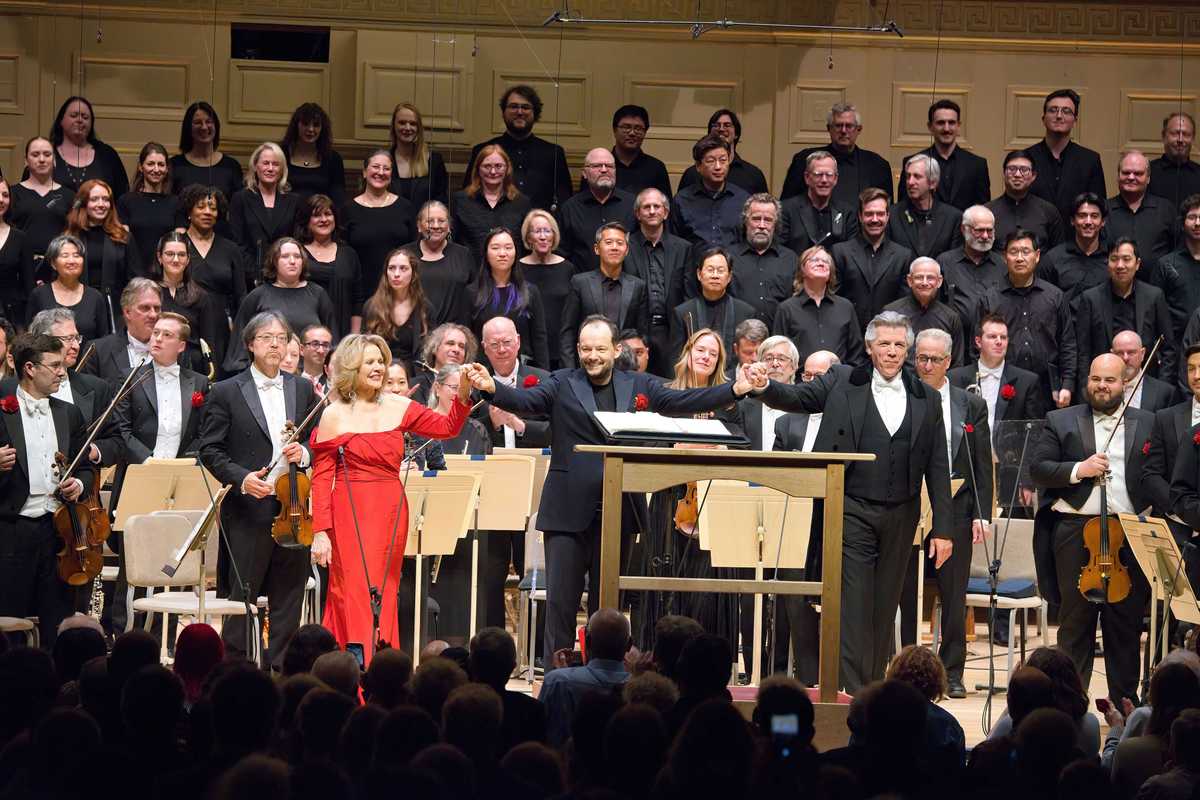
Renée Fleming, Andris Nelsons and Thomas Hampson.
Hilary Scott
On Friday, July 17 at 8 p.m. in the Koussevitzky Music Shed at Tanglewood, two of the greatest American voices of their generation, soprano Renée Fleming and baritone Thomas Hampson, join Music Director Andris Nelsons and the Boston Symphony Orchestra in a performance of excerpts from John Adams’ groundbreaking opera “Nixon in China.” The piece, performed earlier this year in Boston and at Carnegie Hall in New York City, is a highlight of a program that also includes “Meditations on Grace” (2024) by BSO Composer Chair Carlos Simon, and the melodic and technically demanding Violin Concerto by Samuel Barber.
Fleming is internationally celebrated for her vocal and dramatic artistry, as well as for her advocacy for the powerful impact of the creative arts in health. Hampson has long been recognized as one of the most innovative musicians of our time and has received countless international honors for his singular artistry and cultural leadership. Both performed in “Nixon in China” earlier this year at the Paris Opera under the baton of Kent Nagano.
Adams’ “Three Scenes from Nixon in China” is a suite taken from the opera and prepared especially for the BSO performances with Fleming and Hampson in the roles of Pat and Richard Nixon. The suite includes Act I, Scene I, in which the Nixons arrive in Beijing; Pat Nixon’s “This is prophetic” aria from Act II, Scene I; and Nixon’s speech followed by a chorus of toasts and cheers (“Gam bei!”) in Act I, Scene III.
The full opera premiered in 1987 and has become one of the most celebrated works of contemporary American music. As The New Yorker wrote, “Not since ‘Porgy and Bess’ has an American opera won such universal acclaim as ‘Nixon in China.’”
The libretto is based on Nixon’s groundbreaking February 1972 visit to reestablish diplomatic ties with the People’s Republic of China. The production was controversial at the time: an opera about a recent American president whose resignation was still vivid in the country’s memory. Created by a first-time opera composer, a poet new to opera (Alice Goodman) and a young avant-garde director (Peter Sellars), the piece defied expectations of what a contemporary opera could be.
Yet “Nixon in China” has proved to be something far more than a provocation; it has been hailed as helping to revitalize American opera. It uses realistic scenarios based on recent historical events to make direct statements about big social questions, especially the status of women in history and society. It is also credited with helping to create the subgenre of the “headline opera,” works that refract the mythology of recent real-life events and personalities through the lens of operatic music, words and staging.
Adams’ score is a dazzling fusion of rhythmic vitality and luminous choral textures with the psychological intricacy of character drama. It reflects the composer’s ongoing search, as he has put it, to find “the sacred in the everyday.” The result is a distinctive kind of music theater that transforms historical and contemporary narratives into modern parables in order to explore the tension between public facade and private reckoning, and between human motive and moral choice.
This Tanglewood concert promises to be a highlight of the summer’s music season. It is part of the BSO’s E Pluribus Unum festival, a multiyear celebration that shines a spotlight on American music to explore the country’s history and ideals and to raise critical questions on topics that shape our collective experience.
For more information and to purchase tickets, visit bso.org.
Keep ReadingShow less
Local playwright revisits Revolutionary moment in “Rebel Town”
Jack Sheedy
Jul 08, 2026
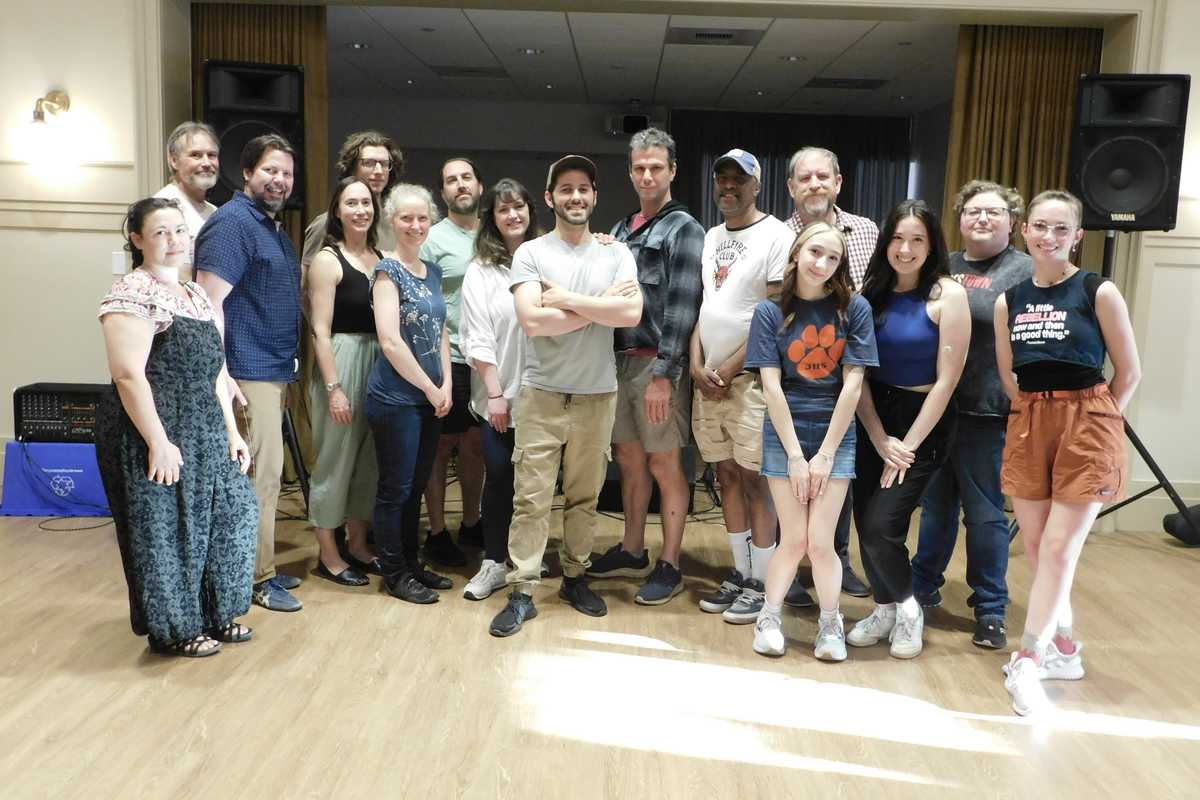
The cast and crew of “Rebeltown: The Musical.”
Jack Sheedy
John Alan Segalla was working in Boston a few years ago, giving historic tours at the site of the Boston Tea Party. Now, as America celebrates 250 years as a nation, the Canaan native is about to debut a new version of his original musical, “Rebel Town,” inspired largely by the Boston Tea Party, the protest that helped launch the American Revolution.
“It wasn’t until I got to Boston and learned the Tea Party story that I fell in love with this moment in history, and I saw the story as wildly compelling and very important, and really a story that was very misunderstood, mistaught in schools,” Segalla said at a recent rehearsal in Stockbridge, Massachusetts, ahead of the show’s July 10 opening.
Segalla wrote most of the script during 2020, hoping to produce it by 2023, the Tea Party’s 250th anniversary. He finally mounted a version of the show in Stockbridge in 2024. It ran a bit long, he said, so the current iteration is more compact, running well under two hours.
The musical focuses on the lives of carpenter William Grey (played by Segalla), his wife Sarah Grey (Emma Robertson) and apprentice Peter Slater Jr. (Ryleigh Fillio), with appearances by historical figures such as Paul Revere (Chris Vecchia), Samuel Adams (Ryan Mascilak) and John Hancock (Christopher Boswell).
The action follows the clandestine meetings of the Sons of Liberty as they plan the bold destruction of British-taxed tea in Boston Harbor, culminating in Paul Revere’s storied ride, featuring a mechanical horse designed by technical director Ronald Piazza. According to the show’s website, “As rebellion turns to revolution, the cost becomes deeply personal: families are torn apart, loyalties tested, and the line between heroism and sacrifice begins to blur.”
The show is directed by Actors’ Equity member Michael Siktberg, who has worked at Bucks County Playhouse, Sharon Playhouse, the Ogunquit Theatre among and other venues during the past 20 years. He said, “I originally agreed to do this because of John, because of my love and respect for him and our growing friendship.”
He said he sees parallels between events of 250 years ago and today, noting “how they echoed the themes of our lives now.”
The participants in the Tea Party thought they would make a difference. “What is fascinating to me,” Skitberg continued, “is that they really tried to do it peacefully, they really tried a statement without bloodshed.”
But it didn’t work. King George III retaliated with the Intolerable Acts, ultimately inspiring the Declaration of Independence and the Revolution.
Rebecca Gardner, assistant stage manager, said the show could be thought of as the “Hamilton” of Boston. “It’s not Hamilton’s Revolutionary War story; it’s not ‘1776’; it’s another story of that era, which hasn’t been told before,” she said.
Emilyn Bona, also an assistant stage manager, said she has known and worked in theater with Segalla since high school. Even though she now lives in Albany, she said she jumped at the chance to work on Segalla’s latest creation.
Segalla is a Dramatists Guild member and holds a Bachelor of Arts degree in Theater from Russell Sage College. He has toured nationally as Jack in “Magic Tree House: Soars with Reading.” He co-authored a farce, “Moral Dilemmas of the Modern Day Vampire,” which was produced Off-Off-Broadway and in New England. He has performed extensively and received numerous awards, including the New Hampshire Theatre Award for Best Supporting Actor in a Drama for his performance as Don Armado in Shakespeare’s “Love’s Labour’s Lost.”
“This is not a musical that’s taking any political side, left or right,” said Segalla. “It’s meant to be a unifier, and it’s meant to be something to educate and to remind people that this moment in history seeded the Declaration.” He said he hopes it will inspire “a renewed sense of pride in the earliest American values of what we wanted to be, a renewed sense of spirit in what we could become: that shining city on a hill.”
“Rebel Town: The Musical” runs July 10 through 19 at the Kathleen E. McDermott Auditorium, Monument Mountain Regional High School, Great Barrington, Massachusetts. For tickets and more information, go to www.rebeltownthemusical.com.
Keep ReadingShow less
Want more of our stories on Google? Click here to make us a Preferred Source.
loading