“We the People” signifies that the government exists to serve its citizens, affirming that ultimate power rests with the people.” — U.S. Senate
Minnesota is a land of 10,000 lakes, nestled atop the western arm of Lake Superior assuring its severe winter cold and deep white snows. Minnesota is the land of the Guthrie Theatre, the largest population of Norwegians and Swedes outside of Scandinavia, the Vikings, the Twins, and of course “polite-to-a-fault” Minnesota Nice. Sourced at Lake Itasca, the Mississippi River runs 2,350 miles from Minnesota to Louisiana. Minnesota is 5.7 million strong and has the powerful heritage of Paul Bunyan and The Blue Ox.
The Twin Cities, Minneapolis and St Paul, are currently occupied by ICE, US Immigration and Customs Enforcement agents, with an intense emphasis on enforcement: a force, of 3,000 agents in a geographical sector housing but 500 local police. Masked agents in unmarked cars with military-grade weapons and tear gas use brutal behaviors to stop cars, bust windows, drag out their occupants. Numbers, always huge numbers of agents, invade schools, churches, restaurants, Home Depot — to accost and arrest forcefully. Always strongly armed, these agents drag out persons not identified with careful, stealthy research from key data sources but just those who happen to be in the path of unbridled force. Included are US citizens, legitimate persons with visas, persons applying for asylum, persons working, paying taxes and providing labor for health care, hotels, farms, restaurants
The stated mission of ICE, as it invades cities and states (primarily blue), is to rout out the worst of the worst — violent, immigrant criminals, such as, one well-publicized 5-year-old Liam Ramos and his father taken from Minnesota to a Texas detention facility. Liam’s mother is in Minneapolis, his beloved Spiderman backpack and bunny hat were confiscated by the facility. The horror of Trump’s first term “Children in Cages” for family separations is being reinstated to terrorize by Trump’s Rasputin, Deputy Chief of Staff Steven Miller.
The people of Minnesota are 5.7 million strong. We the People strong standing, as they did for George Floyd in 2020, organized to help city, state residents – their neighbors- to be spared the victimization of a federal agency gone rogue. Minnesotans provide alert systems against marauding, masked agents conducting unprofessional, unproductive street sweeps. They provide food to those fearful of leaving their home, they chaperone kids to school. Minnesota Nice is Minnesota Might, Americans as we recognize Americans — respectful, tenaciously bound to law and order, decent. Two American citizens, Rene Goode and Alex Pretti, were killed on Minneapolis streets, peacefully protesting, shot at point blank range, in cold blood, by ICE agents with no indication of follow-on accountability or official investigation.
Trump continues to uphold the brutality of his ICE agency toward Alex Pretti who unbeknownst to them weeks earlier kicked an ICE unmarked vehicle. For this Trump believes Pretti deserved 9 shots in the back, lying face-down, hands out, surrounded by a half dozen ICE agents.
Trump be on alert. Minnesota is 5.7 million strong. Minnesotans are garnering the support of a nation – 69% and rising. We The People protests are out in severe subzero weather, in small towns, in massive population centers peacefully protesting, peacefully proclaiming their rights.
“We the people” are the first three words of the Preamble to the U.S. Constitution. We the people don’t cotton to the tyranny of despots, don’t tolerate the banal silence of persons in elected office, don’t vote for those who condone murder of citizens for exhibiting their rights of free speech. We the people do not tolerate the abuse of children – taken, caged, terrorized.
“We the People of the United States, in Order to form a more perfect Union, establish Justice, insure domestic Tranquility, provide for the common defense, promote the general Welfare, and secure the Blessings of Liberty to ourselves and our Posterity, do ordain and establish this Constitution for the United States of America.” — The Preamble to the U.S. Constitution.
Kathy Herald-Marlowe lives in Sharon.






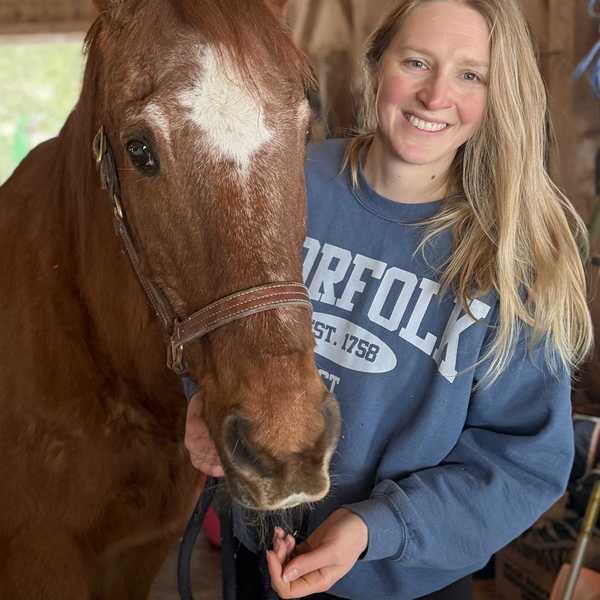
 Tiffany Lemelin, shelter manager, brushing Marsala upon arrival.Provided
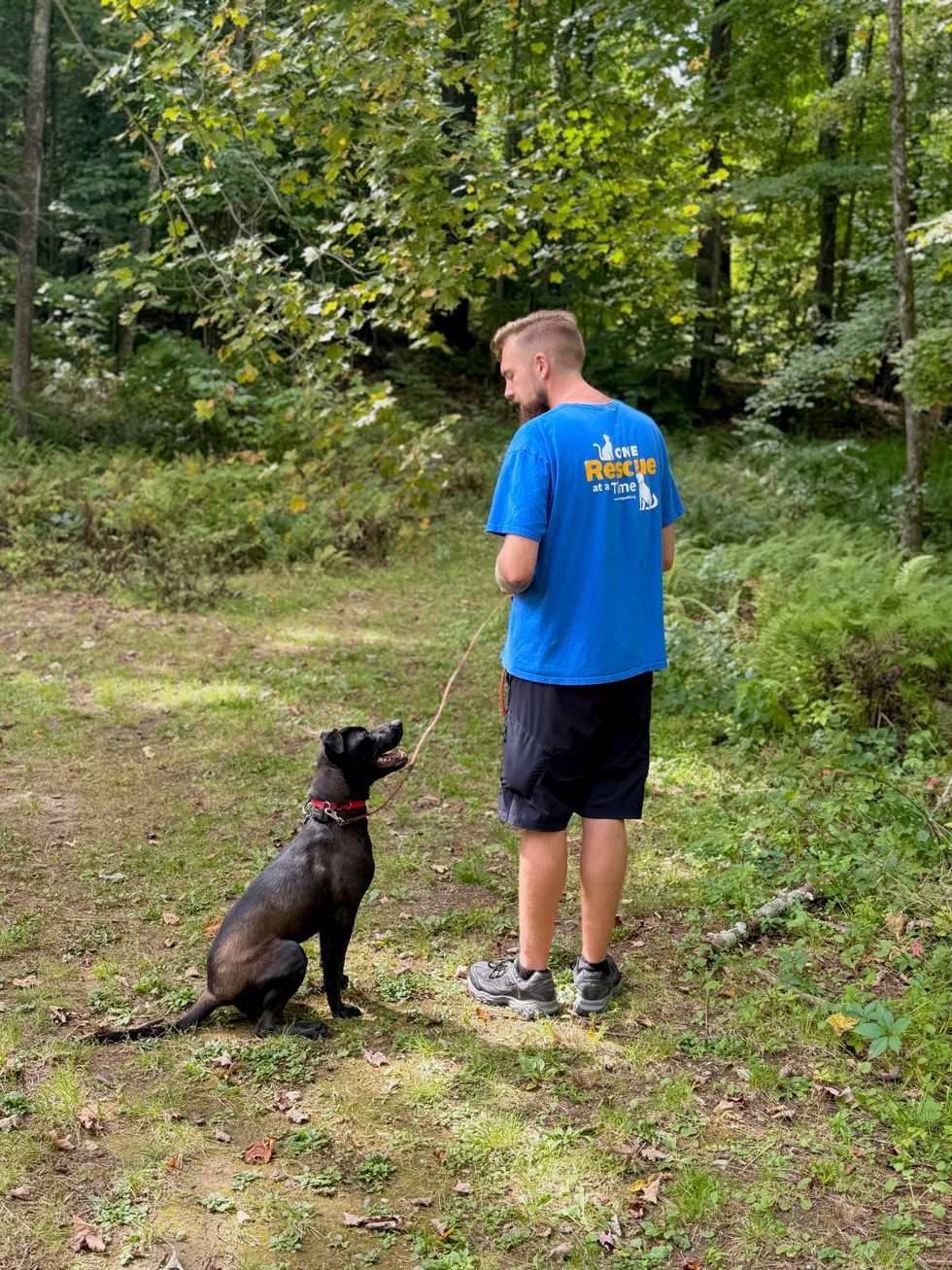 Michael DeBarba, certified dog trainer working with Marsala.Jennifer Almquist
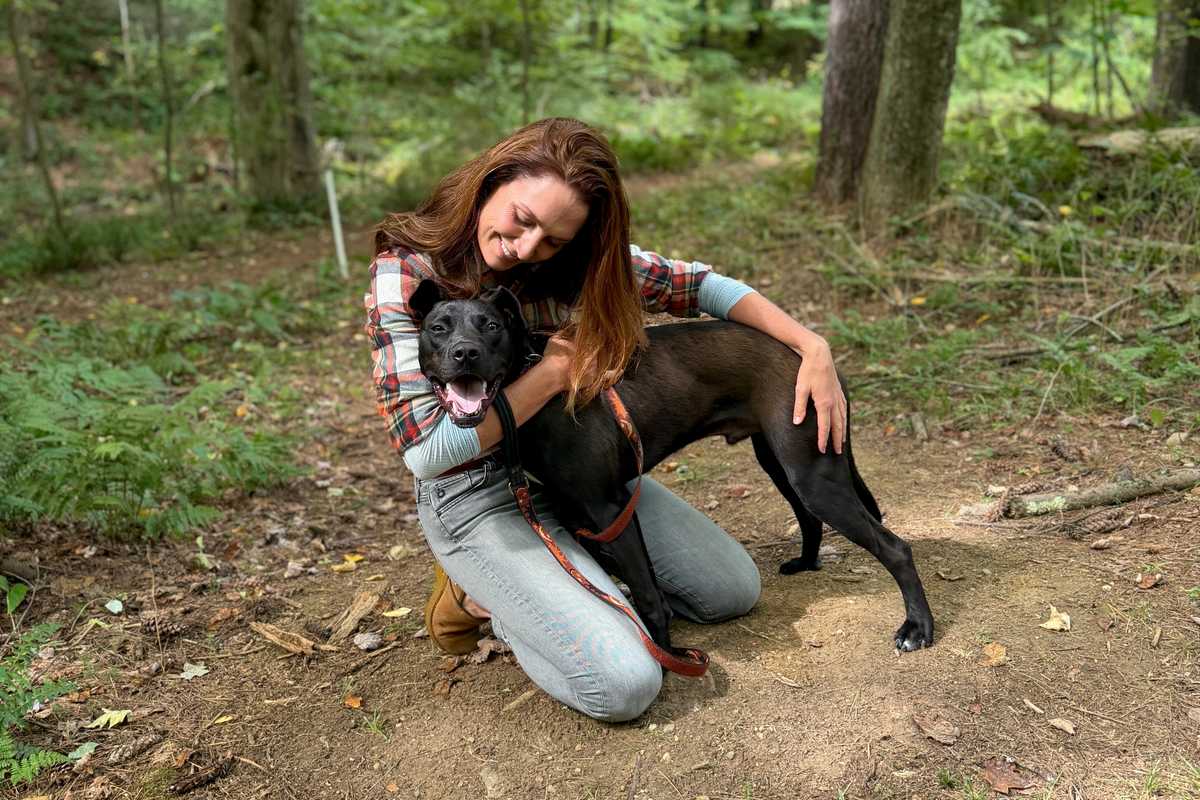 Marsala wins a heart.Jennifer Almquist
 Sadie, center, a Carolina dog, plays with her friend Negra, a terrier mix. Bella Linda, the small poodle, has since been adopted.L. Tomaino
 Wesley, a young, exuberant mix, is looking for an active home.L. Tomaino
 Bonnie and Clyde, an affectionate terrier pair.L. Tomaino