


Troutbeck makes changes to expansion plans

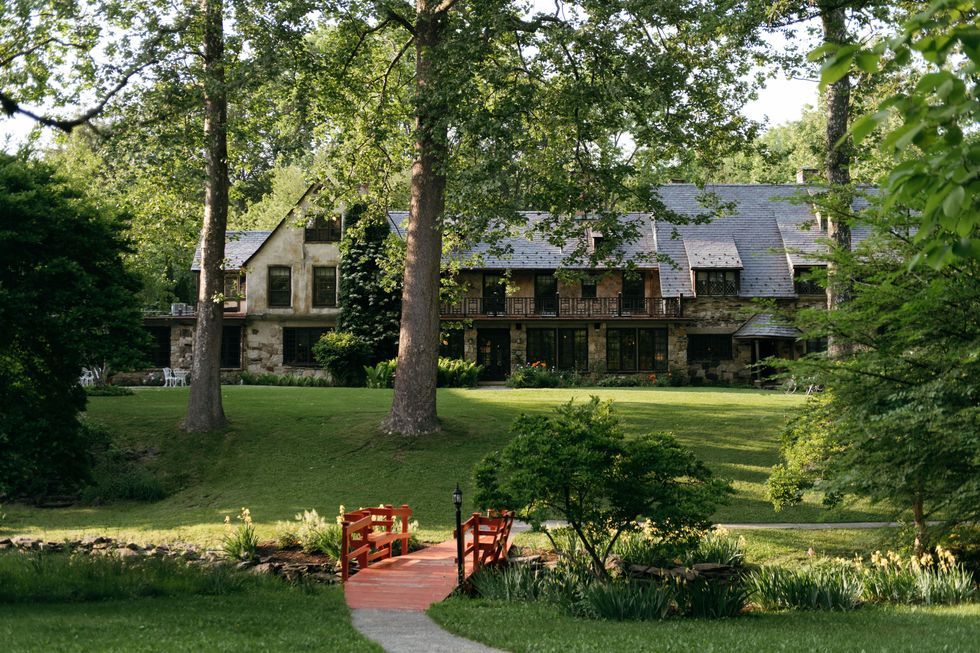
AMENIA —  When touring Troutbeck, a country inn and retreat, it is not hard to imagine one is back in the 1800s, deep in the woods with trickling brooks and tranquil ponds. Here one is always close to nature, even with a few modern houses ensconced here and there.

Anthony L. Champalimaud, one of the partners at Troutbeck, is proud of what they are doing with the historic property, and just as proud of what they are keeping unchanged.

The inn has many rooms, some added on at different times, and some that have been reclaimed from porches and made into dining and sitting areas. Most of the floors are stone or wide wood planks; aside from dining areas, there is a cozy library, living rooms, a small gift shop, and a registration area. One gem is the Walled Garden, built in 1916, which pre-dates the current Inn.

Troutbeck has been here for a very long time, having existed since 1785. The original house burned to the ground in 1917, then was rebuilt. The manner house itself is 1,900 square feet. It has housed the likes of Henry David Thoreau, Teddy Roosevelt, W.E.B. Du Bois and many others; two early civil rights conferences were held there, in 1917 and 1933.

Today, on the grounds, you will also find a yoga studio and a tennis court, modern amenities in a rustic setting. There are plans in the making for other amenities, but Champalimaud was quick to point out his love of nature, his respect for ecology, and the realization that the plans need to be in keeping with the historic look and feel of the Amenia property. Indeed, one house near the inn may be the oldest house in Amenia, and it will be preserved and put back into use.

What Champalimaud pointed out is that what is being done all around the property is preservation; dead trees are being removed, and wood is being reclaimed. He pointed to a roadway that will be redirected, with one road for entrance and another for the exit, for use especially by delivery and other trucks and traffic so as not to cause congestion. Where replanting is needed, native plants and grasses are being used. And several invasive species are being removed, especially on the bank of Webutuck Creek.

When looking at new development, and discussing future plans, he pointed to the yoga studio, a rustic-looking building that is no higher than 193 feet, the same height as an existing pole barn, very similar in design. Nearby, cabins are also rustic in looks, but have all the modern accoutrements one would expect. They blend in with the surrounding area, with landscaping that looks completely natural, native trees and plants, and are just two stories high.

In a letter to the Town of Amenia Planning Board on Jan. 9, Troutbeck amended some of the expansion plans from the original public hearing held in November 2022.

The November meeting focused on Troutbeck’s application for a special use permit to make changes to its 250-acre facility. The meeting attracted a large number of participants. The Jan. 9 changes include:

— Reduced the number of cabins proposed from five to four;

—The gatehouse size has been reduced and relocated; a traffic consultant reported that the change of location for the gatehouse remains within operational standards and controls the ebb and flow of traffic.

Expansion plans also call for a new ballroom.

On the exterior, colors used at Troutbeck are from the National Parks’ color palette.

The landscaping is aided by Deborah Munson, a horticulturist familiar with native plantings. This was from the first phase; Troutbeck is already making changes to phase to be more in alignment with what the area deems acceptable.

“You have to respect the narrative,” said Champalimaud, “not cut or maim a living place.”

Water consumption should not be a problem, Champalimaud said, because the proposed expansion plan is for full capacity occupancy, which is  almost never reached. In addition, he said, Troutbeck’s peak consumption of water falls well below the maximum output.  The facility relies on high-efficiency fixtures.

In order to keep the property going, Troutbeck needs to have more guest rooms. It’s not feasible to run a property of that size with so few rooms to rent. Among other costs, there have been expensive septic repairs.

“Change is all around us,” said Champalimaud. “If we don’t do, who will?

“We may do it in a different way, but I think we’re pretty qualified to take on this job. It could be so much better.”

He and his partners took over Troutbeck from James Flaherty and Robert Kibsted in 2016; the former partnership bought it back in the late 1970s from a derelict and despairing condition.

Troutbeck was originally over 800 acres. When Champalimaud first viewed it, he was impressed by the history and saw it as the right place for hospitality — traditional, but not stuffy. The zoning was already in place; Troutbeck had long been an inn and a conference center.

Even in winter the vistas are breathtaking; it’s no wonder people have been coming here for well over a century to walk, relax, and enjoy nature.

From here, one can also enjoy horseback riding, visiting a zoo, wandering through Wing’s Castle, and dining in area restaurants.

There are vineyards nearby, fishing and hunting, clay shooting and hiking. This area has so much for visitors to experience, but few places to stay.

The Inn at Troutbeck. Photo submitted

Anthony Champalimaud  at Troutbeck Inn in Amenia. Photo submitted

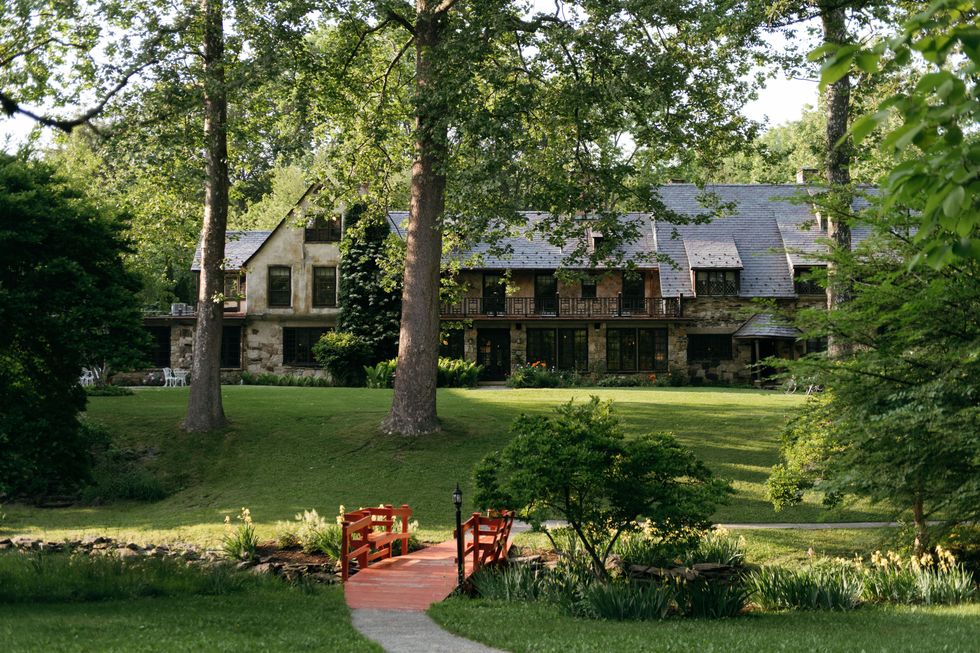
The Inn at Troutbeck. Photo submitted

Latest News

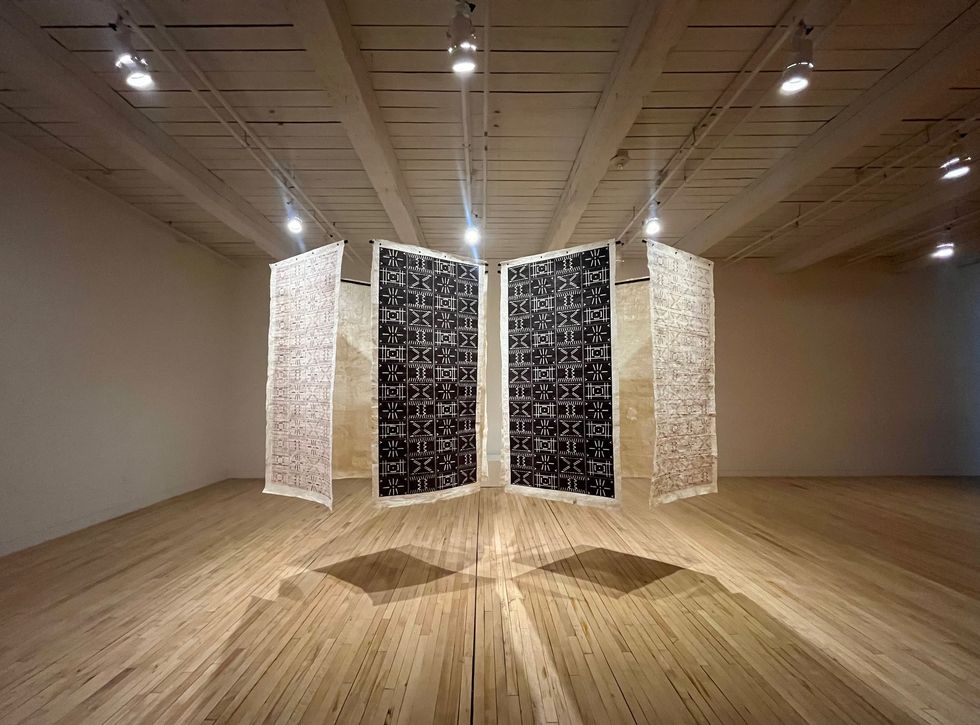
Living art takes center stage in the Berkshires

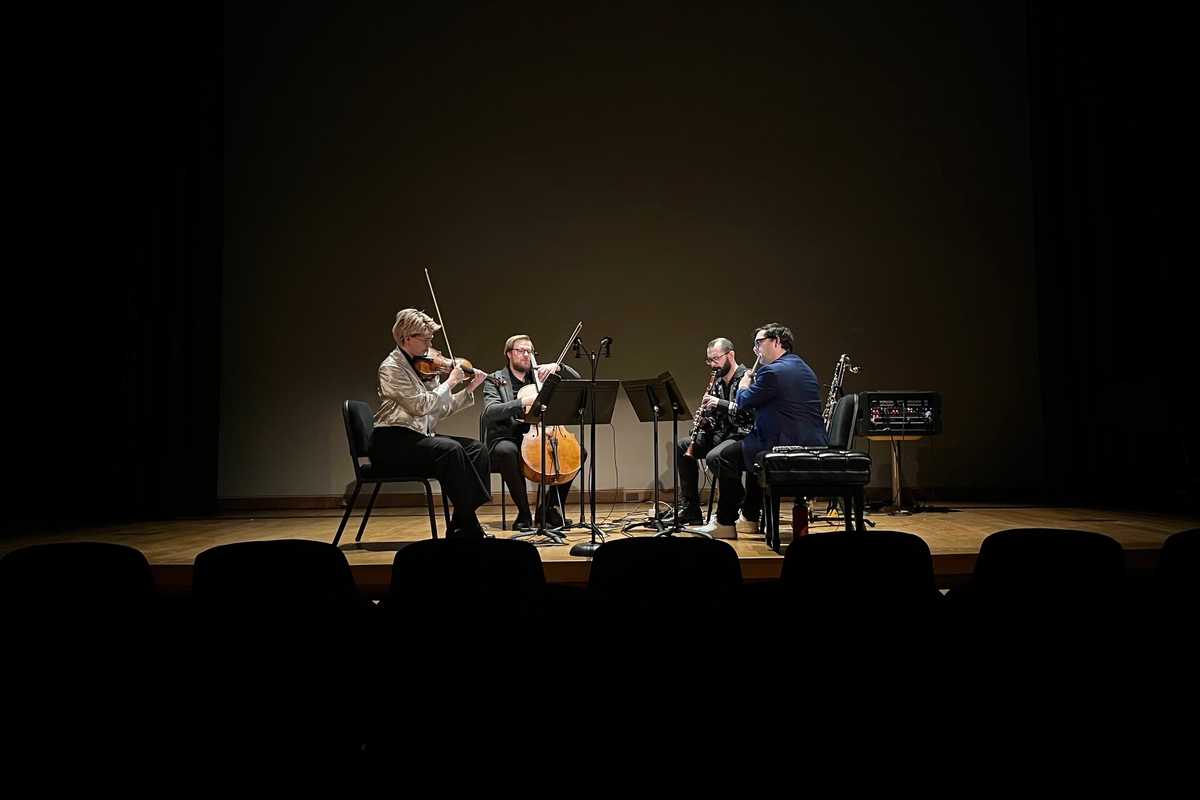
Contemporary chamber musicians, HUB, performing at The Clark.

D.H. Callahan

Northwestern Massachusetts may sometimes feel remote, but last weekend it felt like the center of the contemporary art world.

Within 15 miles of each other, MASS MoCA in North Adams and the Clark Art Institute in Williamstown showcased not only their renowned historic collections, but an impressive range of living artists pushing boundaries in technology, identity and sound.

Keep ReadingShow less
Persistently amplifying women’s voices

Francesca Donner, founder and editor of The Persistent. Subscribe at thepersistent.com.

Aly Morrissey

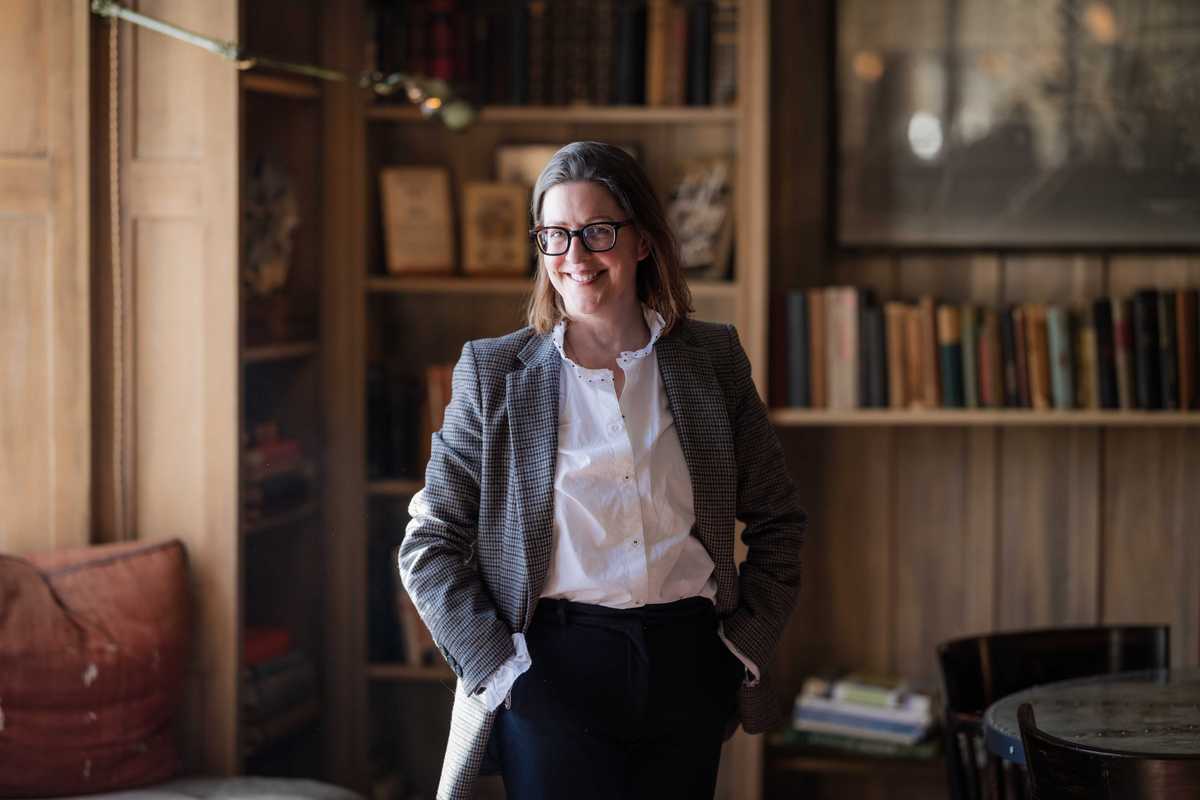
Francesca Donner pours a cup of tea in the cozy library of Troutbeck’s Manor House in Amenia, likely a habit she picked up during her formative years in the United Kingdom. Flanked by old books and a roaring fire, Donner feels at home in the quiet room, where she spends much of her time working as founder, editor and CEO of The Persistent, a journalism platform created to amplify women’s voices.

Although her parents are American and she spent her earliest years in New York City and Litchfield County — even attending Washington Montessori School as a preschooler — Donner moved to England at around five years old and completed most of her education there. Her accent still bears the imprint of what she describes as a traditional English schooling.

Keep ReadingShow less
google preferred source

Want more of our stories on Google? Click here to make us a Preferred Source.

Jarrett Porter on the enduring power of Schubert’s ‘Winterreise’
Baritone Jarrett Porter to perform Schubert’s “Winterreise”
Tim Gersten

On March 7, Berkshire Opera Festival will bring “Winterreise” to Studio E at Tanglewood’s Linde Center for Music and Learning, with baritone Jarrett Porter and BOF Artistic Director and pianist Brian Garman performing Franz Schubert’s haunting 24-song setting of poems by Wilhelm Müller.

A rejected lover. A frozen landscape. A mind unraveling in real time. Nearly 200 years after its premiere, “Winterreise” remains unnervingly current in its psychological portrait of isolation, heartbreak and existential drift.

Keep ReadingShow less
A grand finale for Crescendo’s 22nd season

Christine Gevert, artistic director, brings together international and local musicians for a season of rare works.

Stephen Potter

Crescendo, the Lakeville-based nonprofit specializing in early and rarely performed classical music, will close its 22nd season with a slate of spring concerts featuring international performers, local musicians and works by pioneering composers from the Baroque era to the 20th century.

Christine Gevert, the organization’s artistic director, has gathered international vocal and instrumental talent, blending it with local voices to provide Berkshire audiences with rare musical treats.

Keep ReadingShow less

Leopold Week honors land and legacy

Leopold Week honors land and legacy

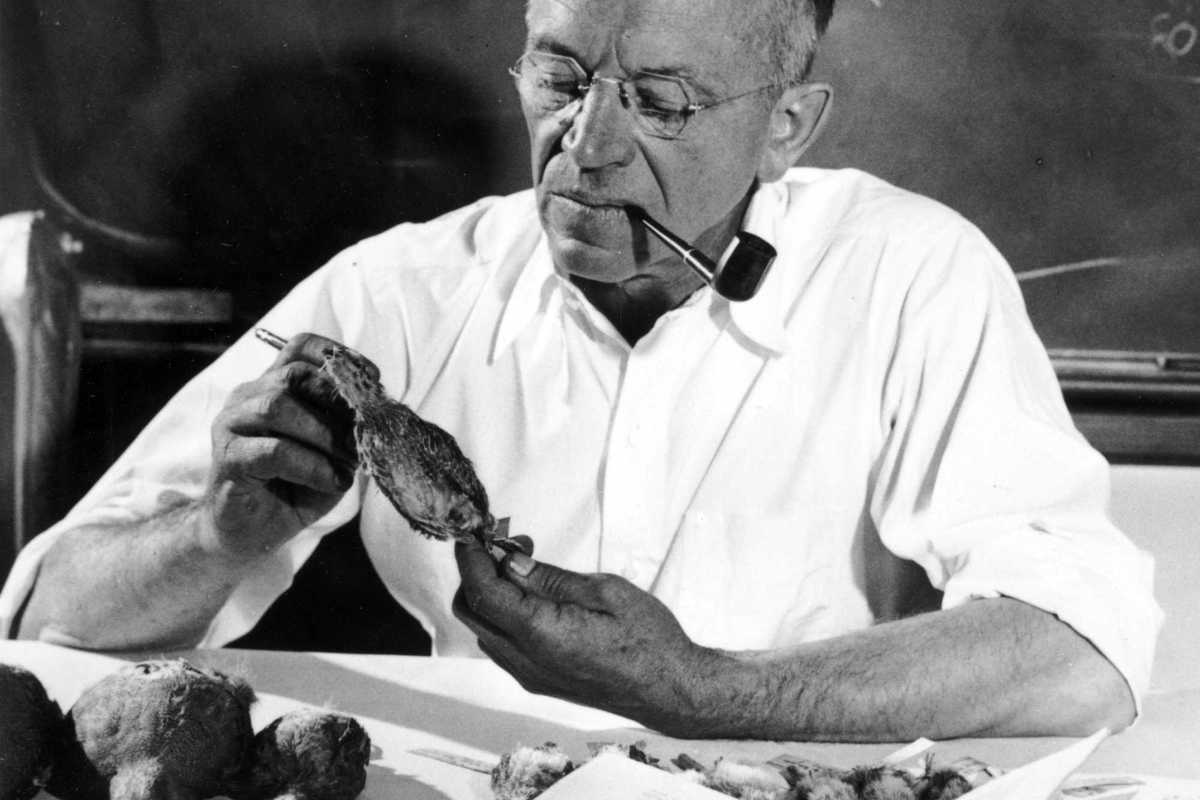
Aldo Leopold in 1942, seated at his desk examining a gray partridge specimen.

Robert C. Oetking

In his 1949 seminal work, “A Sand County Almanac,” Aldo Leopold, regarded by many conservationists as the father of wildlife ecology and modern conservation, wrote, “There are some who can live without wild things and some who cannot.” Leopold was a forester, philosopher, conservationist, educator, writer and outdoor enthusiast.

Originally published by Oxford University Press, “A Sand County Almanac” has sold 2 million copies and been translated into 15 languages. On Sunday, March 8, from 3 to 5 p.m. in the Great Hall of the Norfolk Library, the public is invited to a community reading of selections from the book followed by a moderated discussion with Steve Dunsky, director of “Green Fire,” an Emmy Award-winning documentary film exploring the origins of Leopold’s “land ethic.” Similar reading events take place each year across the country during “Leopold Week” in early March. Planning for this Litchfield County reading began when the Norfolk Library received a grant from the Aldo Leopold Foundation, which provided copies of “A Sand County Almanac” to distribute during the event.

Keep ReadingShow less
google preferred source

Want more of our stories on Google? Click here to make us a Preferred Source.
google preferred source

Want more of our stories on Google? Click here to make us a Preferred Source.