MILLERTON – North East Supervisor Chris Kennan is focused on improving the financial challenges that rural communities face in maintaining emergency medical services.
He and other elected officials are urging New York Governor Kathy Hochul to sign a bill that recently passed both the Senate and Assembly but remains unsigned. The legislation would exempt EMS services from the state’s property tax cap, giving local governments more flexibility to manage costs and sustain their EMS programs.
According to the legislative justification for the bill, known formally as Senate S1515 and Assembly A2177A, “Many communities across New York State are struggling with providing emergency medical services to their residents for a number of reasons including rising costs, low reimbursement rates, and the lack of trained personnel.”
In an interview with The News, Supervisor Kennan highlighted the fiscal strain EMS places on the town’s budget. “I’ve reached out to everyone,” he said of his efforts to advocate for the bill. “I’m waving the flag as vigorously as I can.”
On May 27, the New York State Association of Towns released a memorandum supporting the bill, stating, “NYAOT strongly supports this measure that would remove EMS services from the real property tax cap, and therefore allow local municipalities to maintain, expand and better support their local EMS services.”
Even with its statewide benefits, the bill carries no fiscal impact for state or local governments, making it a practical solution despite being held up in legislative limbo. While the bill would significantly ease budget pressure, it represents only one step toward addressing EMS challenges in Millerton.
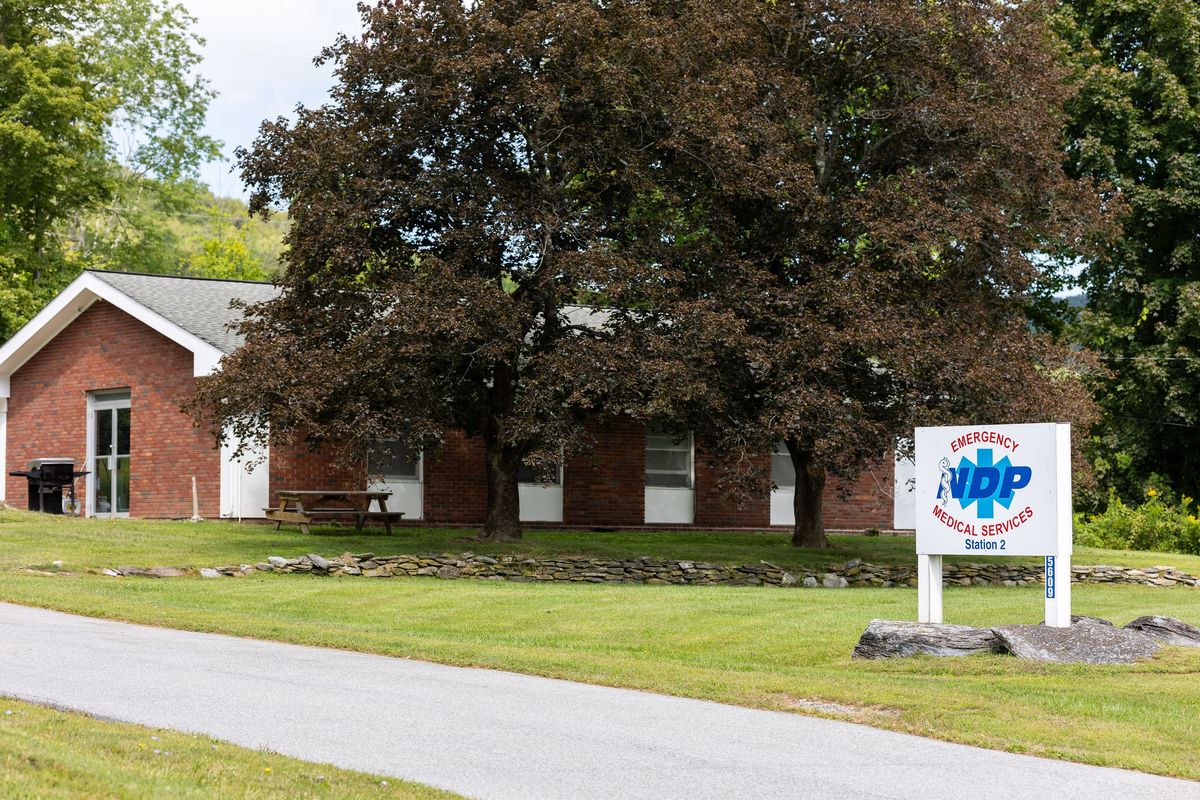
The town’s annual contract with Northern Dutchess Paramedics, which it shares with Amenia and Dover, exceeds half a million dollars in 2025 and is expected to spike above $700,000 next year. Kennan said one reason the cost is so high is because NDP is only partially reimbursed by those who use its services, and with “less than a call a day,” much of the financial burden falls on the town and taxpayers.
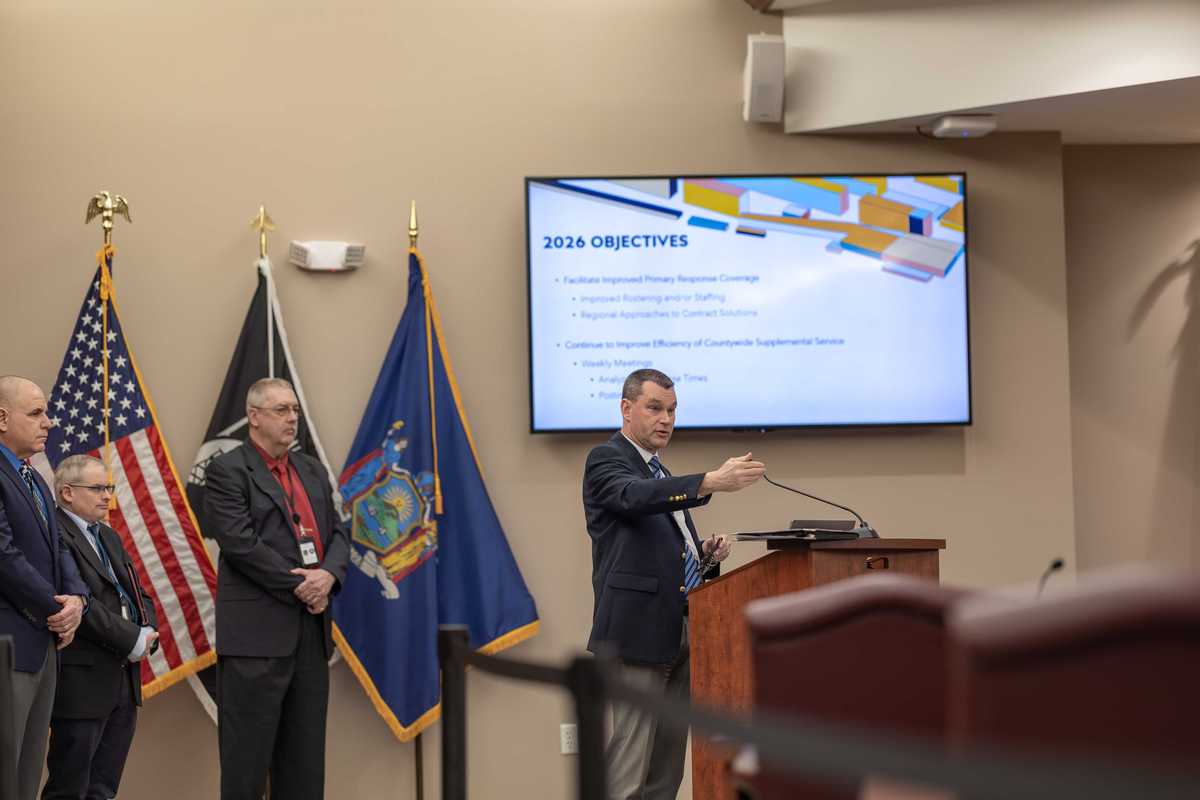
Meanwhile, EMS response disparities remain a critical issue in Dutchess County. In a June 13 open letter to County Executive Sue Serino, members of the Democratic Caucus of the Dutchess County Legislature acknowledged the launch of supplemental EMS services but criticized the effort’s effectiveness, calling for a more aggressive, long-term strategy.
“We believe the current approach remains a temporary solution — and one that still falls short of delivering equitable results across the entire county,” the letter states. It also references data showing response times in many rural towns remain well above acceptable targets. “This is not just a data point; it is a serious public safety issue affecting thousands of Dutchess County residents.”
Recent second quarter data further highlights these concerns, showing an ongoing imbalance in supplemental EMS response between rural and urban areas. It reveals that Region 5, which includes North East, Millerton, Amenia and Dover, almost never received supplemental EMS services provided by the county. Throughout all of Q2, supplemental EMS was dispatched only one time in Amenia but was canceled en route after interception by a closer agency.
The data also highlights the financial and performance disparities facing Region 5. Amenia and North East are among the highest spenders in Dutchess County, paying over $167 and $172 per person respectively for EMS coverage, more than three times what Dover spends. Despite that investment, response times for Region 5’s “Priority 1” calls, defined as potentially life-threatening emergencies, are the worst in the county with only 40% of calls responded to within the recognized standard of nine minutes or less. In contrast, Region 6, which includes the City of Poughkeepsie and the Town of Poughkeepsie, saw 84% of Priority 1 calls in 9 minutes or less.
While North East shows relatively better performance with no calls exceeding 15 minutes, Amenia and Dover see significantly more delays. Rural towns are paying high costs for EMS, yet still experiencing the slowest emergency response times in Dutchess County.
Asked what he would like to see from the County officials, North East Supervisor Chris Kennan responded, “I’d like to see them provide an additional ambulance over here so we could reduce the demand on NDP and our taxpayers.”


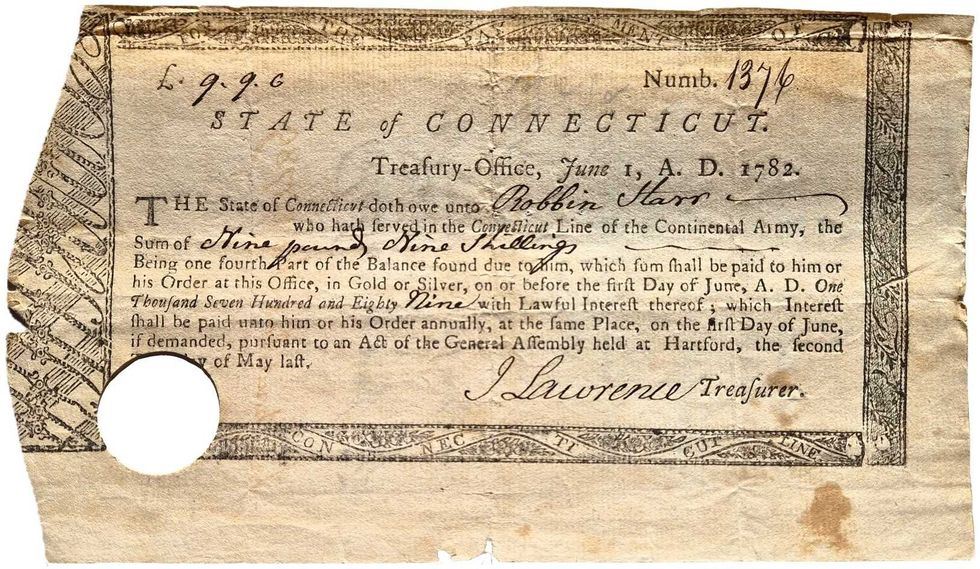 Pay Bill for Robin Starr’s service in the Continental Army.Courtesy the Alex Breanne Corporation
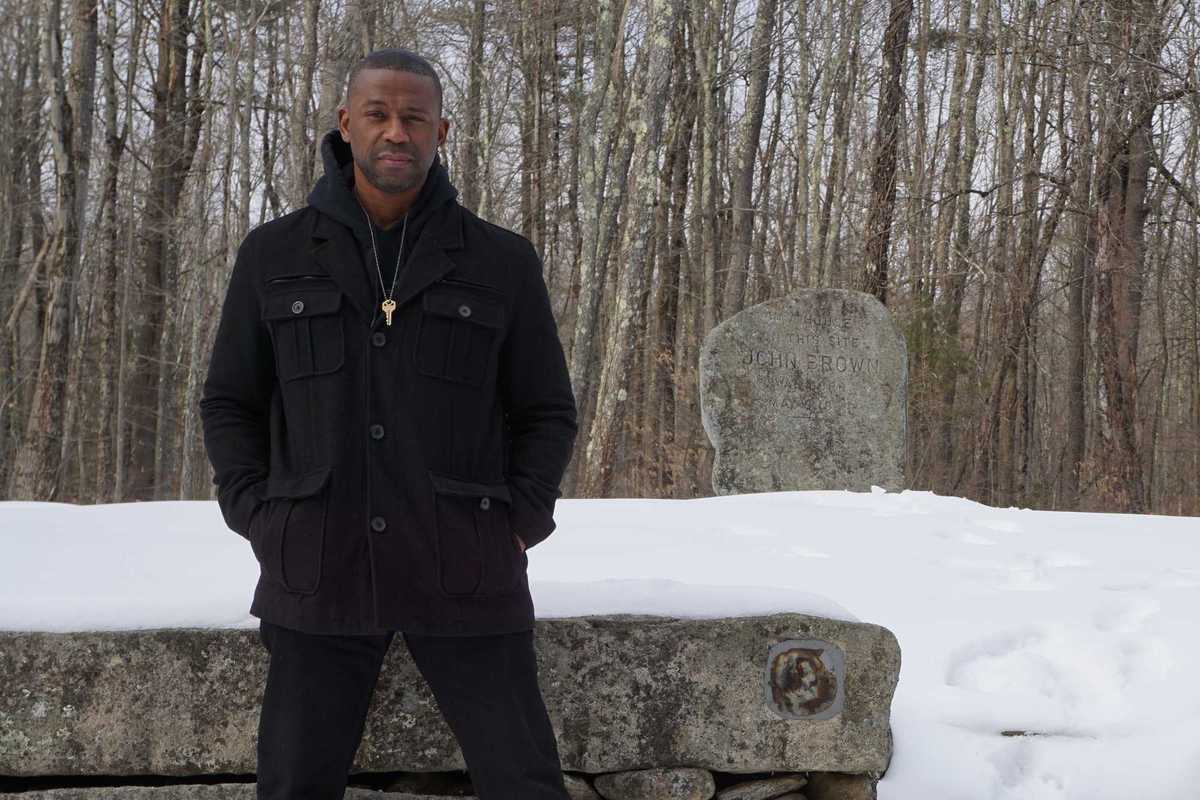
 John Mills speaking at Quinnipiac University.Courtesy the Alex Breanne Corporation


 Stephanie Saetta,with her rescue dog George and Blue (left), a shepherd mix awaiting his forever home.Madi Long