A state-funded program is offering grants of up to $125,000 per household to help eligible Dutchess County homeowners create new accessory dwelling units or bring existing ones up to code. The program aims to expand the supply of affordable housing in the area while also providing financial support to homeowners.
Now available in 10 Dutchess County municipalities including North East, Pine Plains and Amenia — but not the Village of Millerton -— the Plus One ADU Program is administered by Hudson River Housing Inc., a nonprofit organization based in Poughkeepsie.
For individual homeowners, the program offers the potential to ease housing costs, generate supplemental income and support multigenerational living, such as housing an aging parent or a recent college graduate.
The initiative was created to expand the inventory of safe, long-term rental housing while supporting low- and moderate-income homeowners. An added benefit could be a reduction in the number of unpermitted or non-code-compliant units in the region.
Town of North East Councilwoman Meg Winkler, who chairs the town’s housing committee and serves as the local point of contact for the program, sees it as a meaningful step forward.
“We want to increase the variety of available housing options,” Winkler said. “This initiative is just one step in the right direction.”
One demographic Winkler believes could particularly benefit is the area’s aging population, many of whom are struggling to afford their longtime homes. “This is a nice way to increase income and allow them to stay where they are,” she said.
The neighboring town of Pine Plains also stands to benefit from the Plus One Program. “When we first heard about the ADU program, we were very excited because of its potential to address a real need for housing,” said Councilwoman Jeanine Sisco.
Noting that the real estate market is largely unaffordable and that rental options are limited or out of reach, Sisco added, “We want people who work in Pine Plains to be able to live here, and this program is one small step toward meeting those needs.”
ADUs are small, self-contained units located on the same lot as a single-family home, with their own bathroom and kitchen. They can take several forms, including detached or attached structures, garage conversions or interior units on upper or lower floors. Modular or tiny homes are also eligible under the program.
To qualify, homeowners must meet several criteria. They must reside in one of the 10 eligible Dutchess County municipalities, occupy a 1- to 4-unit residential property as their primary residence for a 10-year compliance period and have a household income at or below 120% of the area median income, currently $147,000 for a four-person household in Dutchess County, with adjustments based on household size.
According to Councilwoman Winkler, preference will be given to applicants who are “shovel ready,” in other words, those who have completed the screening process and are ready to begin construction.
Beyond helping individual homeowners, the program could also help address workforce housing shortages. “In our farming communities, there’s a real need for workers to have housing, so we’re hoping this program will help,” said Councilwoman Sisco.
She continued, “We’re deeply committed to economic development in Pine Plains and to attracting families to move here, join our school district, and become part of the community. Addressing the housing issue is a key step that will only help us move closer to that goal.”
Potential rural challenges
While the program may seem like a win-win, certain challenges unique to rural communities could limit access for some homeowners. According to the program’s eligibility requirements, all ADUs must comply with standard building and health codes, including those related to water supply and wastewater disposal.
For properties not connected to municipal water or sewer systems, homeowners must rely on wells and septic tanks, which can present significant obstacles. If a well doesn’t meet certain standards, or if a septic system can’t handle the increased use, bringing an ADU up to code may require costly upgrades or could disqualify the property entirely.
Access to municipal water is limited in both North East and Pine Plains. “If you have the infrastructure, it’s one less barrier,” Winkler noted, concerned that North East’s municipal water system only serves a few streets. And, in Pine Plains, municipal water is only available in the Hamlet.
To address this challenge, local leaders like Winkler and Sisco are working with the Northeastern Dutchess Tri-Town Coalition, a group of residents from North East/Millerton, Pine Plains and Amenia, which has partnered with Hudson River Housing to engage the Dutchess County Board of Health and explore solutions to reduce these infrastructure barriers.
Winkler and Sisco are encouraging residents to begin the screening process and note that there’s financial support to be given.
The Plus One ADU Program has received a total of $6 million from the state, with the goal of creating 48 ADUs across 10 municipalities between 2025 and 2027. According to local officials, initial interest in North East and Pine Plains has been slow, but applications are beginning to pick up.
Councilwoman Winkler will host an informational meeting for interested North East residents this fall. In the meantime, interested applicants are encouraged to contact her at mwinkler@townofnortheastny.gov.
Availability limited to the town
Currently, the Plus One Program is only available to residents of the Town of North East. Village of Millerton residents are not eligible. The program is part of New York State’s effort to boost housing development in communities actively working to address the housing crisis.
Last year, the Town of North East began the process toward becoming a designated pro-housing community. Meanwhile, the Village of Millerton began that process on July 29, when the village board voted unanimously to submit a letter of intent to the State of New York, the first official step toward gaining pro-housing status.



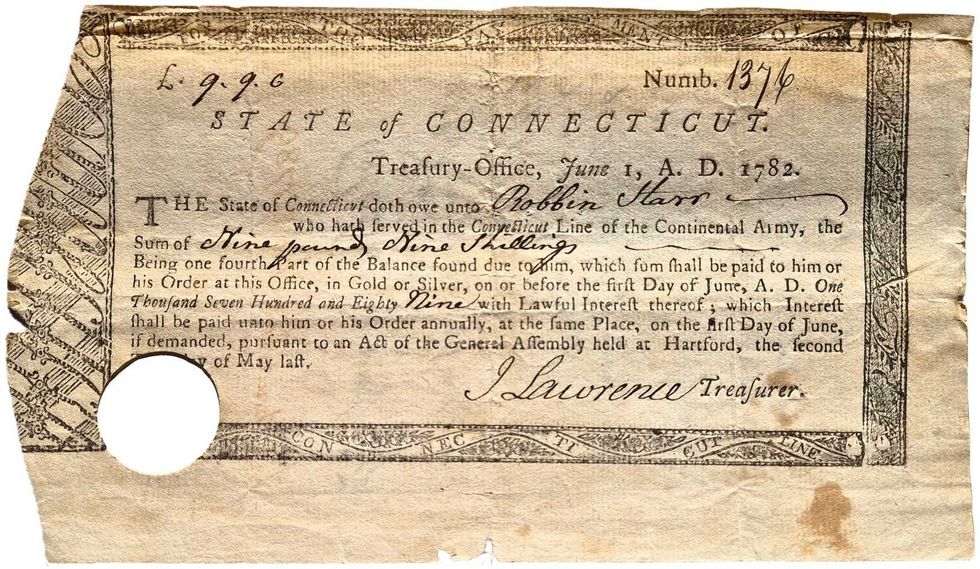 Pay Bill for Robin Starr’s service in the Continental Army.Courtesy the Alex Breanne Corporation
 John Mills speaking at Quinnipiac University.Courtesy the Alex Breanne Corporation
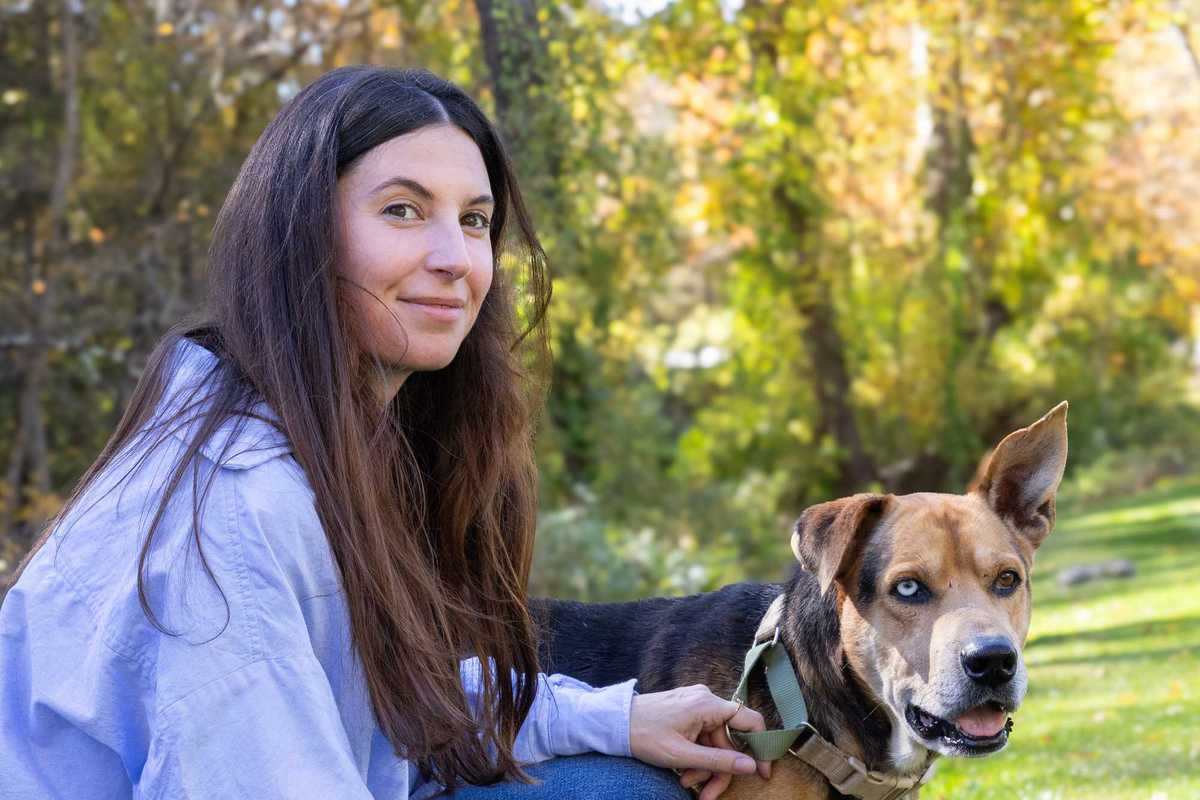
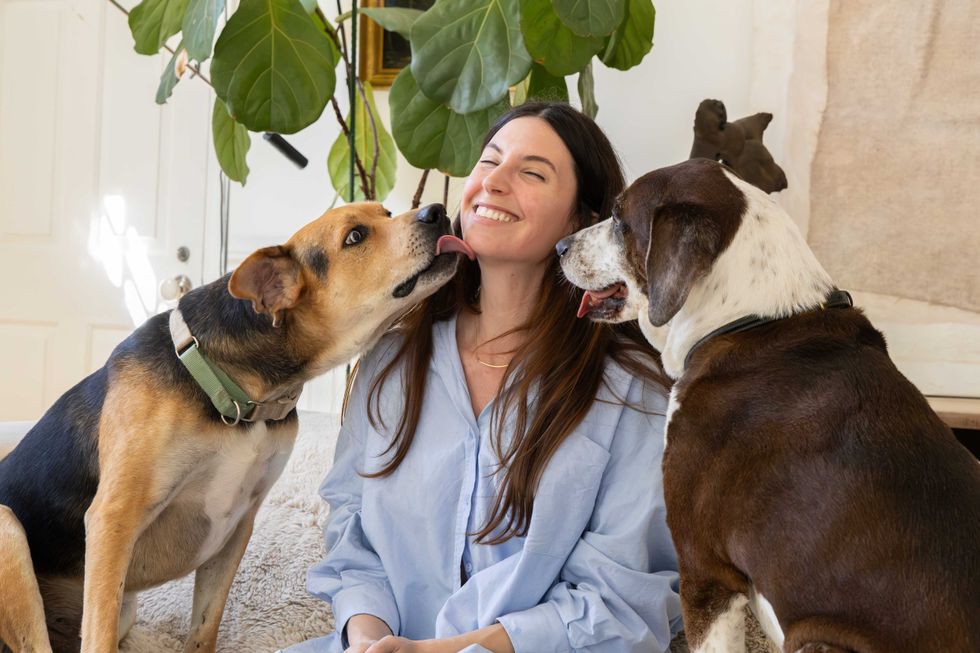 Stephanie Saetta,with her rescue dog George and Blue (left), a shepherd mix awaiting his forever home.Madi Long