AMENIA — A larger-than-usual attendance was noted at the public meeting of the Amenia Wastewater Committee on Thursday, Dec. 7, for a preliminary report on surface water quality tests conducted in selected town locations.
Tests from all sample sites indicated that contaminants, including ammonia, chlorine, laundry effluent and non-threatening levels of E. coli, are emanating from upstream flow, which could indicate failed or failing septic systems in the area.
Though the test results are still preliminary, confirmation of these results could demonstrate the town’s need for a wastewater project, aiding the town in securing federal infrastructure funding for such a project.
Claire Wegh, who presented the report, is the manager of the Ten Mile River Watershed Association, part of the Housatonic Valley Association (HVA).
The town had engaged with HVA to perform surface water testing to measure contaminants as an indicator of the condition of local residential and commercial septic systems, explained Wastewater Committee Chairman Charlie Miller, in its effort to prepare applications for wastewater project funding.
Samples taken from the middle of outfall streams, including next to the Town Hall and near Cumberland Farms, showed a variety of contaminants, including E. coli, ammonia, chlorine, and contaminants from laundry effluent (low concentrations of E. coli are common in surface water runoff and are not threatening).
Three sampling sessions have occurred so far in August, September and November. Three more are scheduled to begin in March, Wegh said. After the spring testing is completed and reported, Wegh said, the next steps will involve mapping to identify the sources.
Miller said that the final HVA water quality testing report should be ready in May 2024.
Several residents offered comments, mostly concerned about the wastewater project as a whole. Lake Amenia Road residents expressed concerns about the possibility that the modern treatment facility might be located on land near their homes.
The proposed location, Miller explained, is further southward, near the sheriff’s office along Route 22.
Others sought information about the system installation itself, the wastewater district, and eventual cost, maintenance and funding.
At the Town Board meeting later that evening, Miller praised the number of residents who had attended the Wastewater Committee meeting, seeing their participation as valuable input. For more on the Town Board meeting, see article on page A1.


 Kim Yarnell supplies all the young dancers with gold star trophies to mark their completion of the six-week pilot program at NECC on Sunday, Oct. 11.Photo by Nathan Miller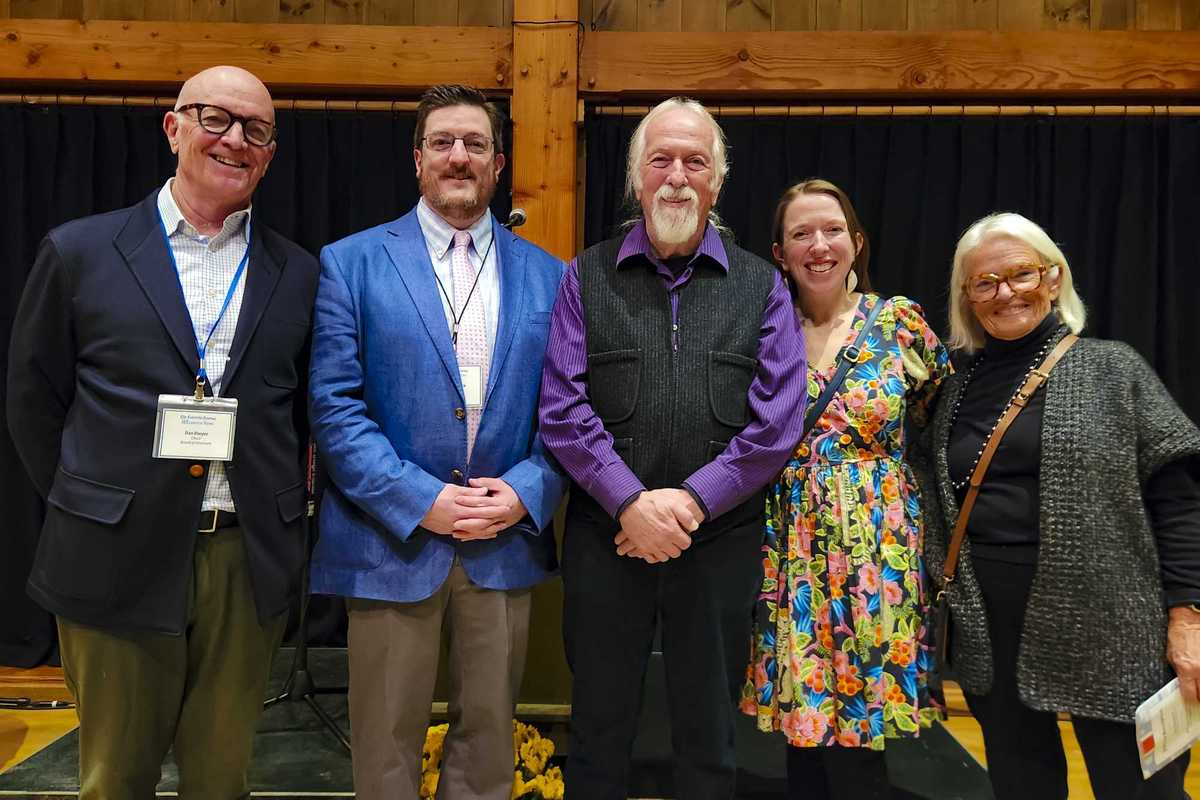
 Attendees gather at the Sharon Playhouse Sunday, Oct. 11, for the annual Jubilee gala, celebrating five years of nonprofit ownership of The Lakeville Journal and The Millerton News.Photo by Patrick Stachniak