The Wassaic Project will unveil two new large-scale installations by artist and activist Molly Gochman on Saturday, Oct. 18, from 4 to 6 p.m., including “Monuments to Motherhood” and “inseparable.” The free, family-friendly event is open to the public.
Gochman, a longtime supporter of the Wassaic Project, said she’s honored to see her works installed in a community “rooted in empathy, creativity and play.”
Her first installation, part of her Monuments to Motherhood series, is a nearly 10-foot bronze sculpture that celebrates the often unseen and undervalued labor of caregiving, challenging traditional ideas of what deserves public commemoration.
“I grew up surrounded by monuments to violence, like most of us, and began questioning what — and who — we choose to monumentalize in public,” said Gochman, reflecting on the many statues and monuments across the country that commemorate violence and war.
Gochman is also the founder of the Red Sand Project, a participatory artwork that uses sidewalk and earthwork installations to raise awareness and inspire action against human trafficking and exploitation. After years of exploring such complex issues, Monuments to Motherhood emerged from her desire to imagine prevention instead of reaction.
“I realized that care is the antidote to exploitation and decided to focus my next project on celebrating caregivers,” she said.
While many of Gochman’s works are created from inexpensive or discarded materials — such as construction debris used in a recent project symbolizing the Ukraine-Russia border — she said bronze was essential to this concept.
“Bronze will outlast me and my children,” she said. “It’s a material we’ve long valued, and it has this kind of magic alchemy with its environment. Every touch changes it — the oils from our skin leave marks that make it shine over time. Even the rain shapes it, marking it the way life leaves traces on us.”
Reminiscent of playgrounds, the architectural forms and loops of Gochman’s sculptures invite visitors to step inside and engage through touch. The art not only welcomes interaction, but also seems to hold and support those within it — like a protective womb.
Additional large-scale Monuments to Motherhood sculptures have been unveiled at other locations in the country, including Prospect Park in Brooklyn and Medical District Park in Memphis.
Accessibility and connection are central to Gochman’s work. Her second piece on the Wassaic grounds, “inseparable,” spells the word in Braille through 28 grass-covered earth mounds, inviting visitors to climb, play and engage physically. Gochman said it “symbolizes our deep interconnection with one another and the natural world.”
With this work, she pushes back against the human tendency to feel “fragmented” and separate from one another. “We’re all made of the same stuff — stardust — constantly recycled and connected,” she said. “There’s no real divide between us and the world around us. It’s all inseparable.”
With both works, Gochman hopes to uplift the ideas of care and community. Ultimately, she believes people themselves are “breathing monuments.” Through Monuments to Motherhood — and its unmistakably reflective bronze surface — she hopes visitors “find their reflection in it and see that they, themselves, are the monument.”
Community members and visitors are encouraged to come climb, play and reflect at the Wassaic Project next weekend. Gochman’s new works will remain as long-term installations on the grounds.



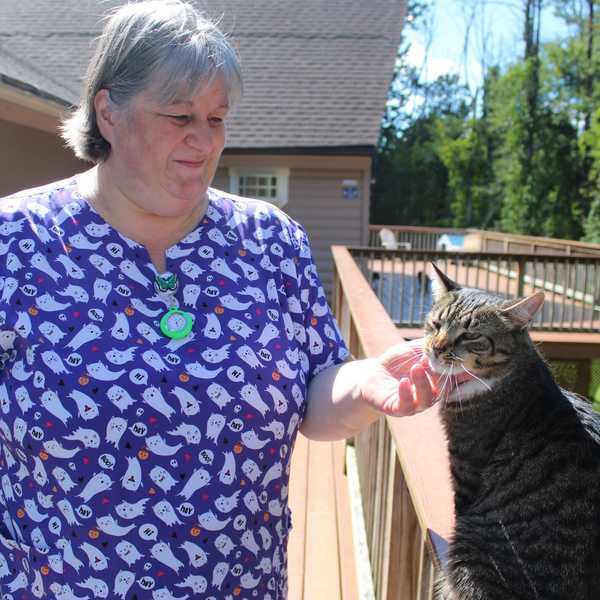
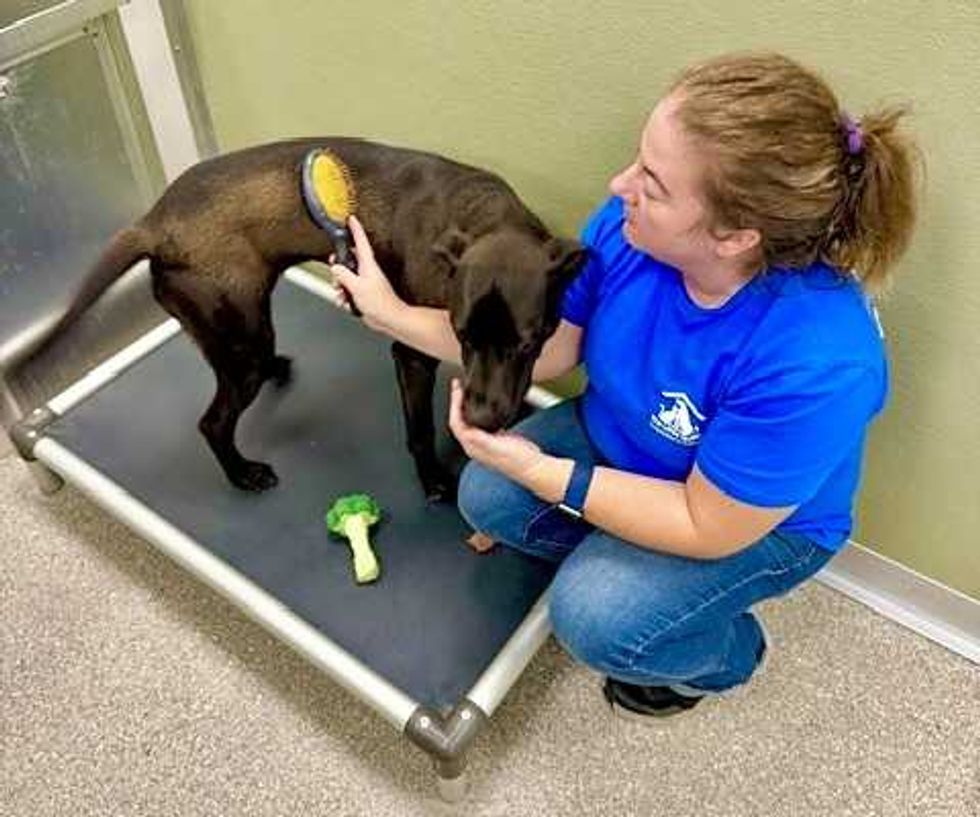 Tiffany Lemelin, shelter manager, brushing Marsala upon arrival.Provided
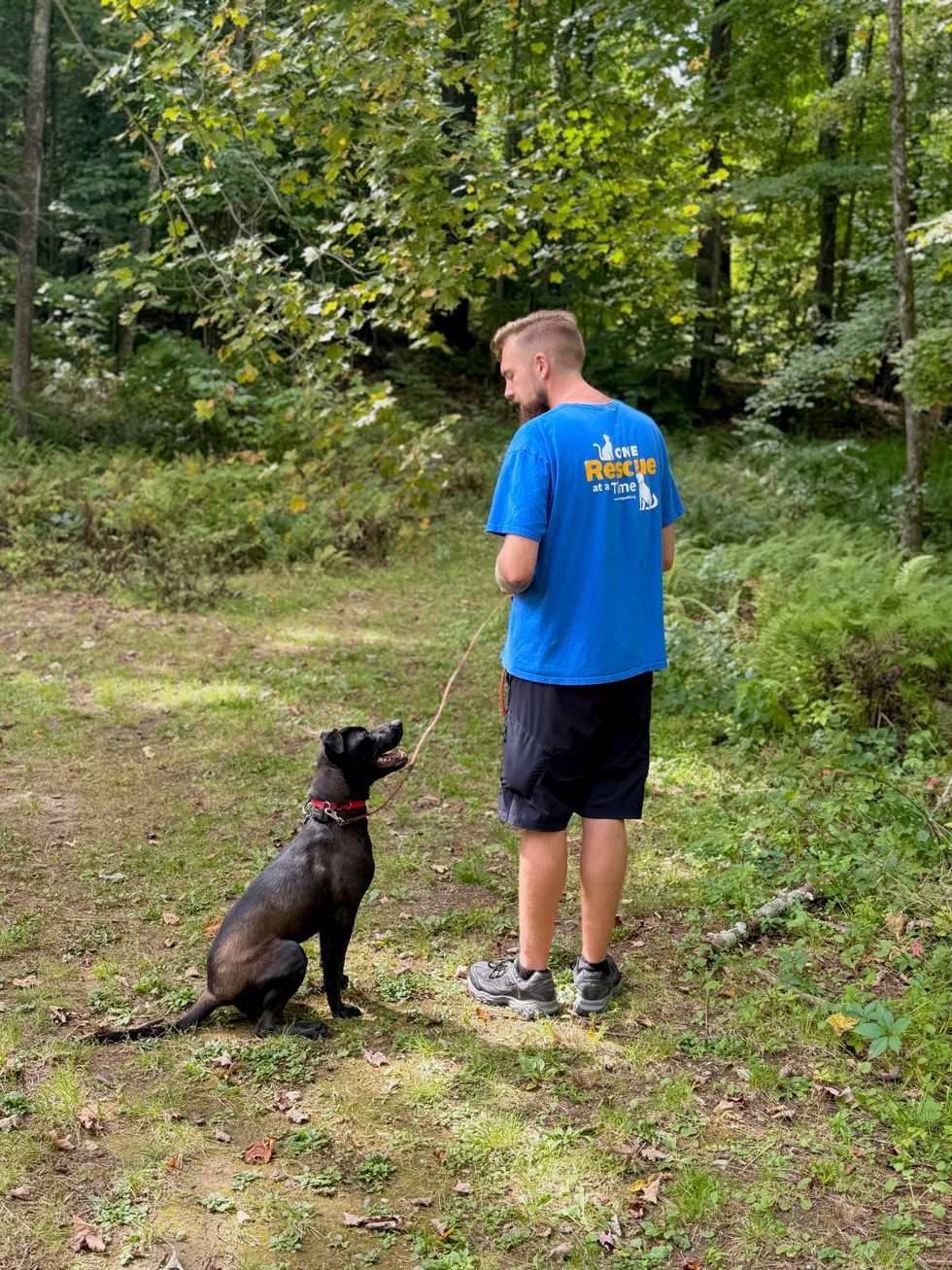 Michael DeBarba, certified dog trainer working with Marsala.Jennifer Almquist
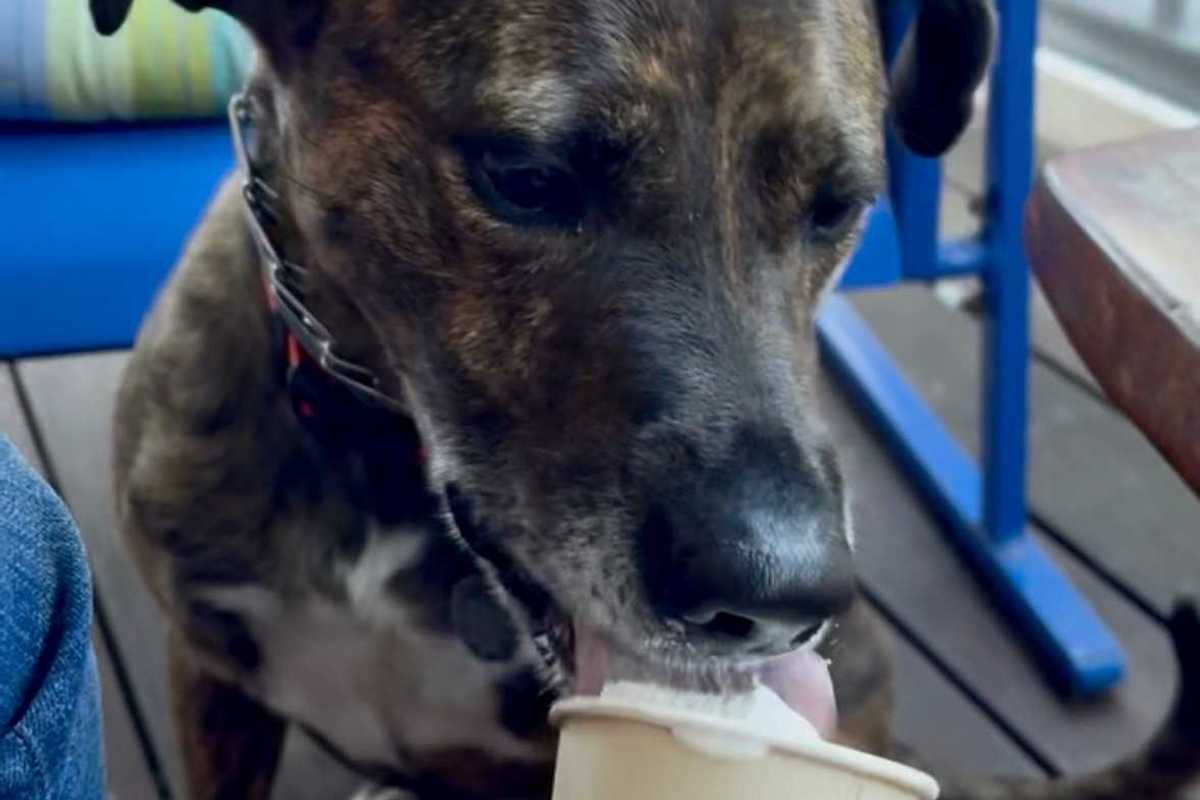
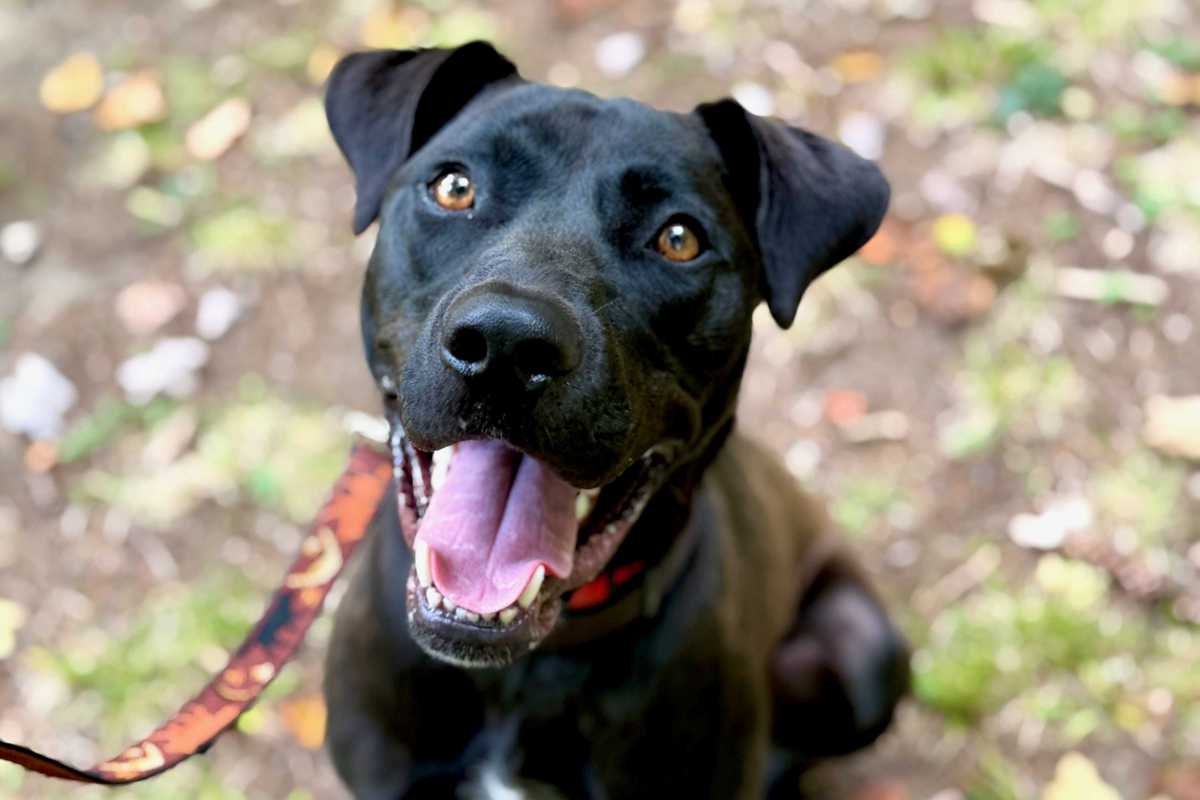
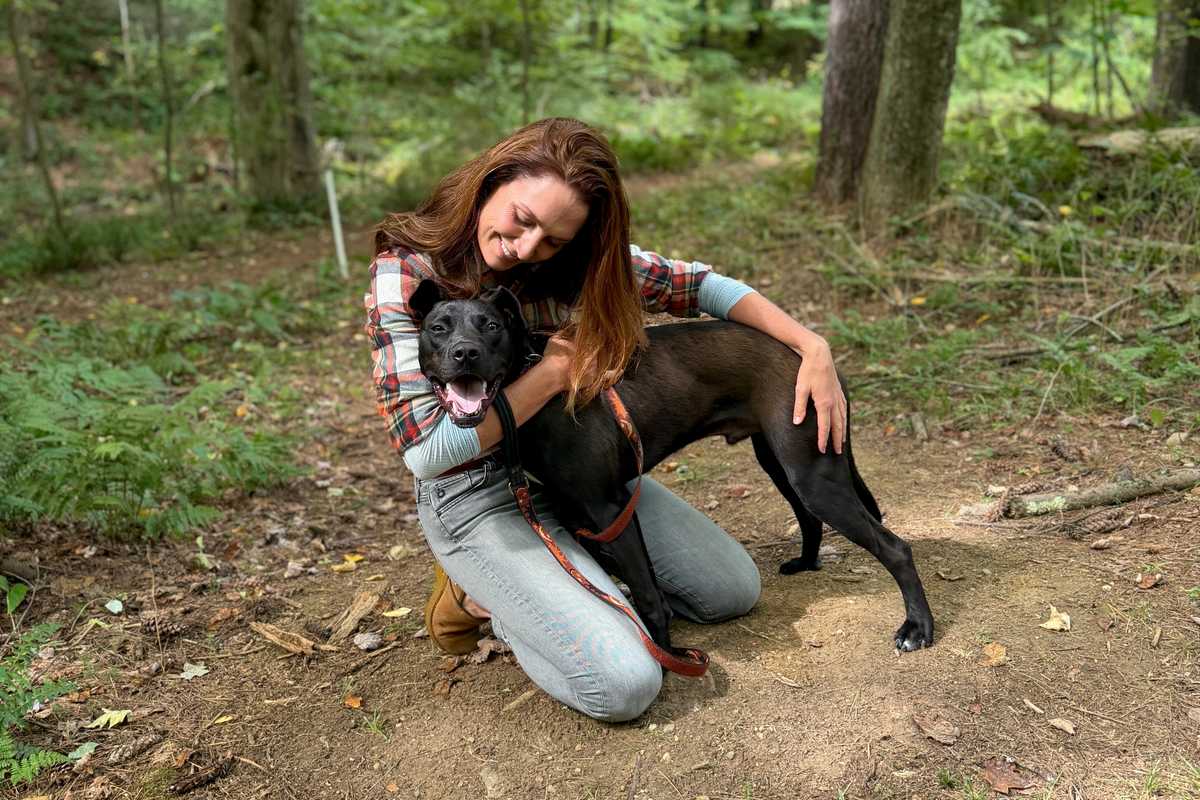 Marsala wins a heart.Jennifer Almquist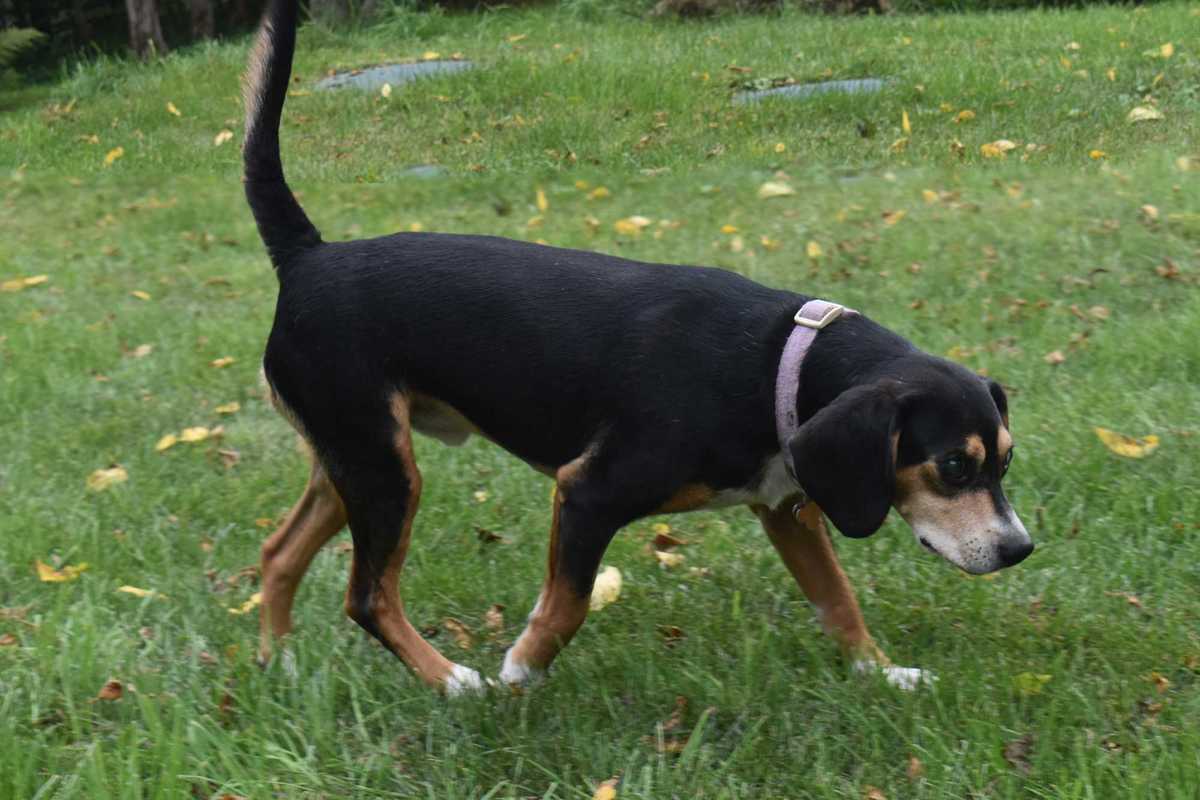
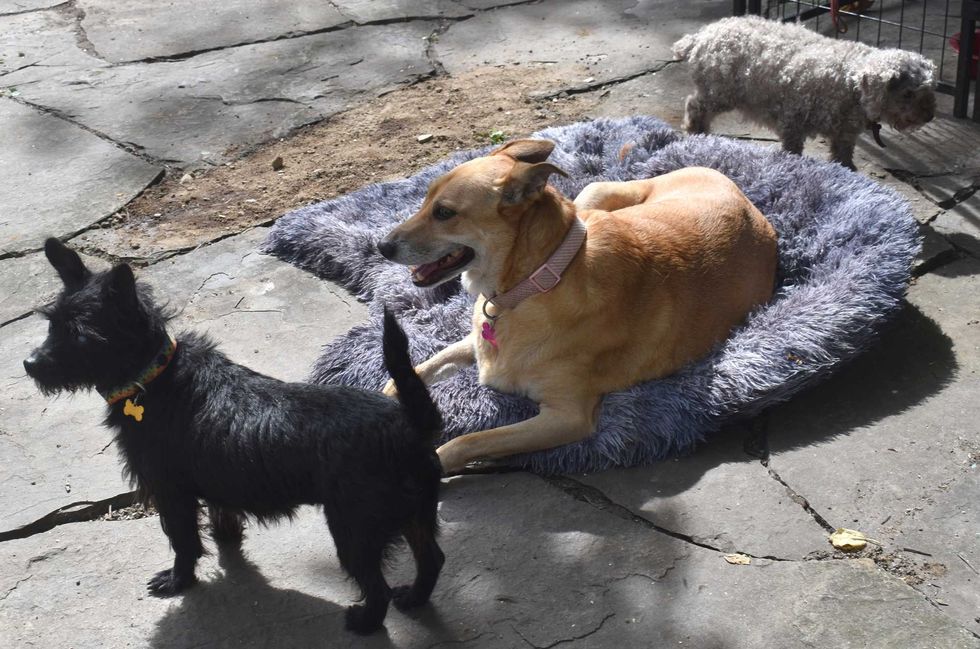 Sadie, center, a Carolina dog, plays with her friend Negra, a terrier mix. Bella Linda, the small poodle, has since been adopted.L. Tomaino
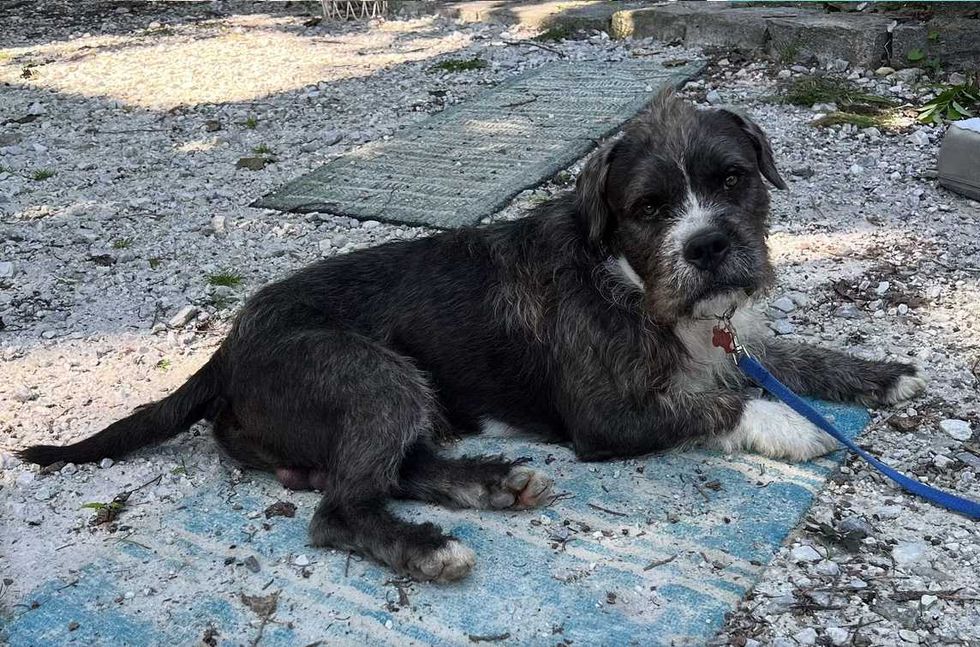 Wesley, a young, exuberant mix, is looking for an active home.L. Tomaino
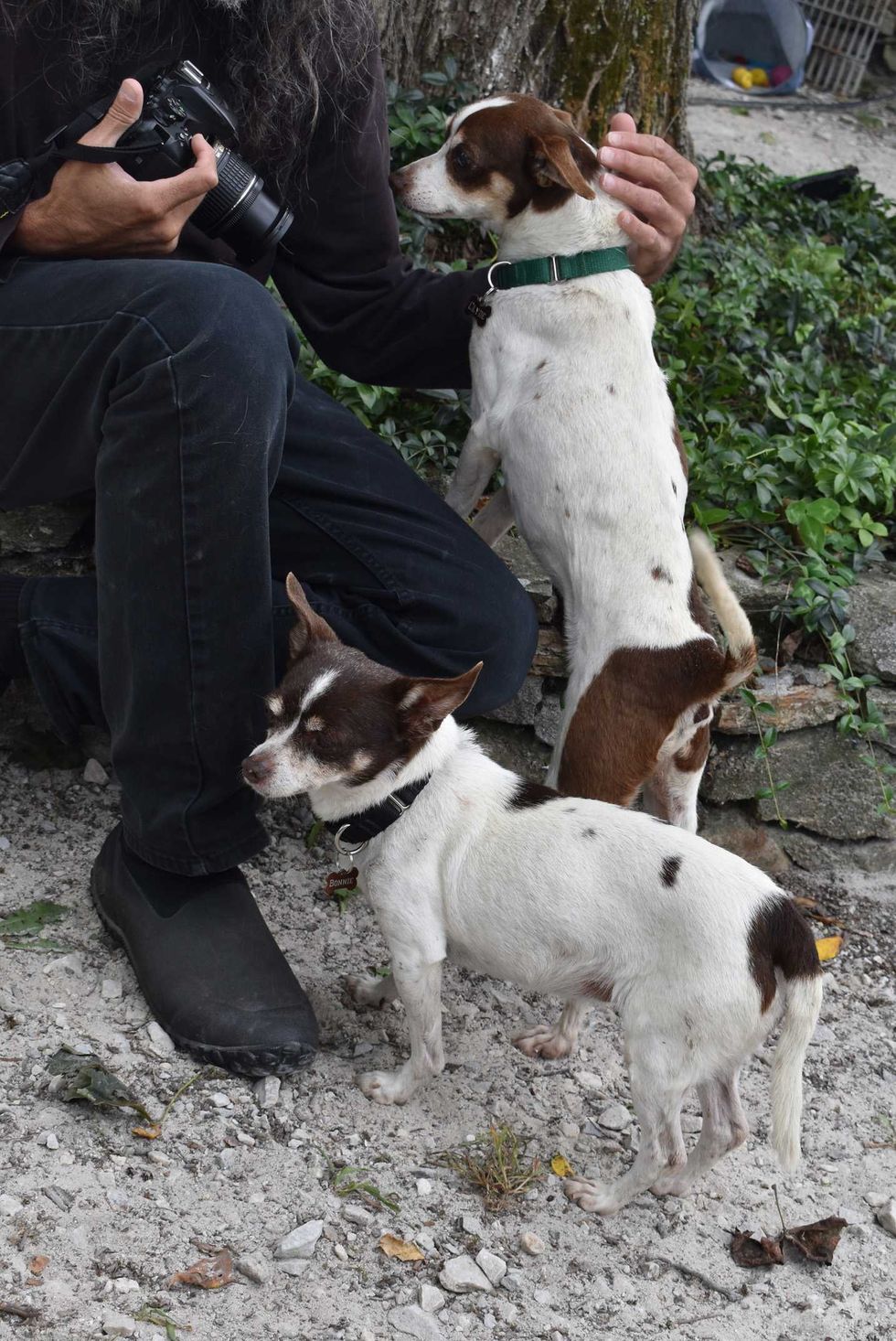 Bonnie and Clyde, an affectionate terrier pair.L. Tomaino