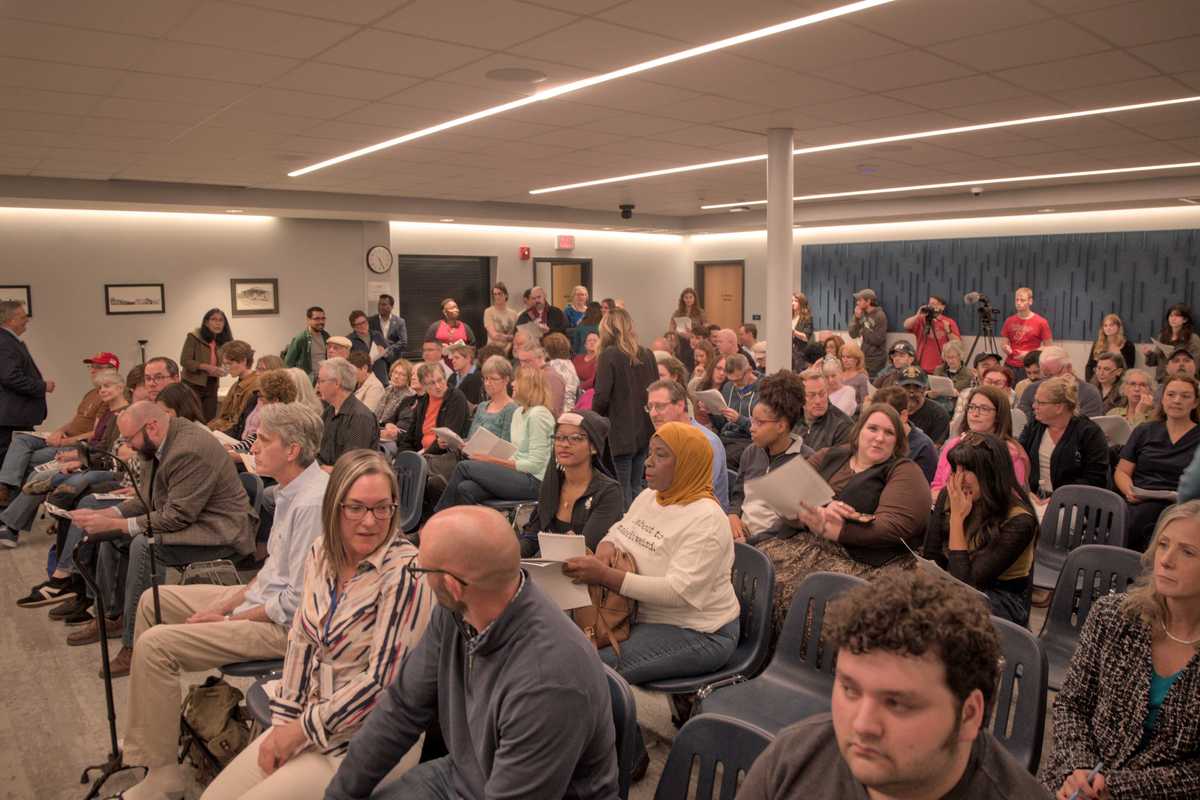
STANFORDVILLE — Jim Griffin was among dozens of Dutchess County residents who stood up in opposition to local law enforcement’s adoption of license plate reading cameras at a community forum in Pleasant Valley on Wednesday, Sept. 23.
But rather than simply voicing his disapproval of the technology, Griffin had something to offer to county residents in the room — a chance to take matters into their own hands. Griffin, using his collection of 3D printers and a penchant for hacking, which he said dates back to the early ‘90s, is manufacturing plastic covers that he said disables the cameras without damaging them.
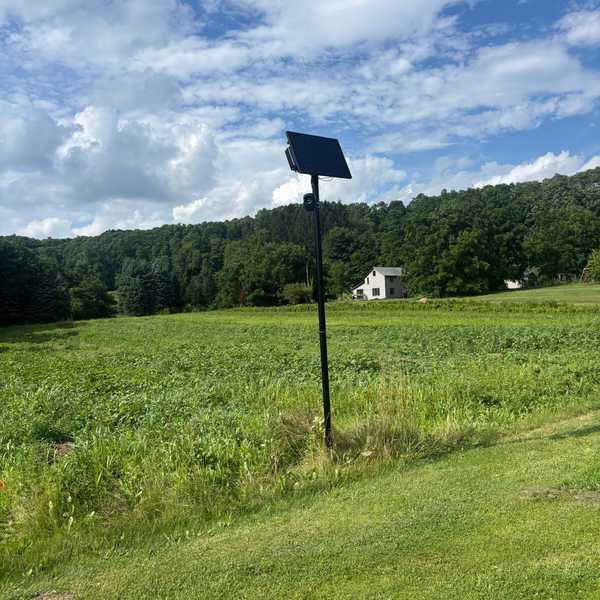
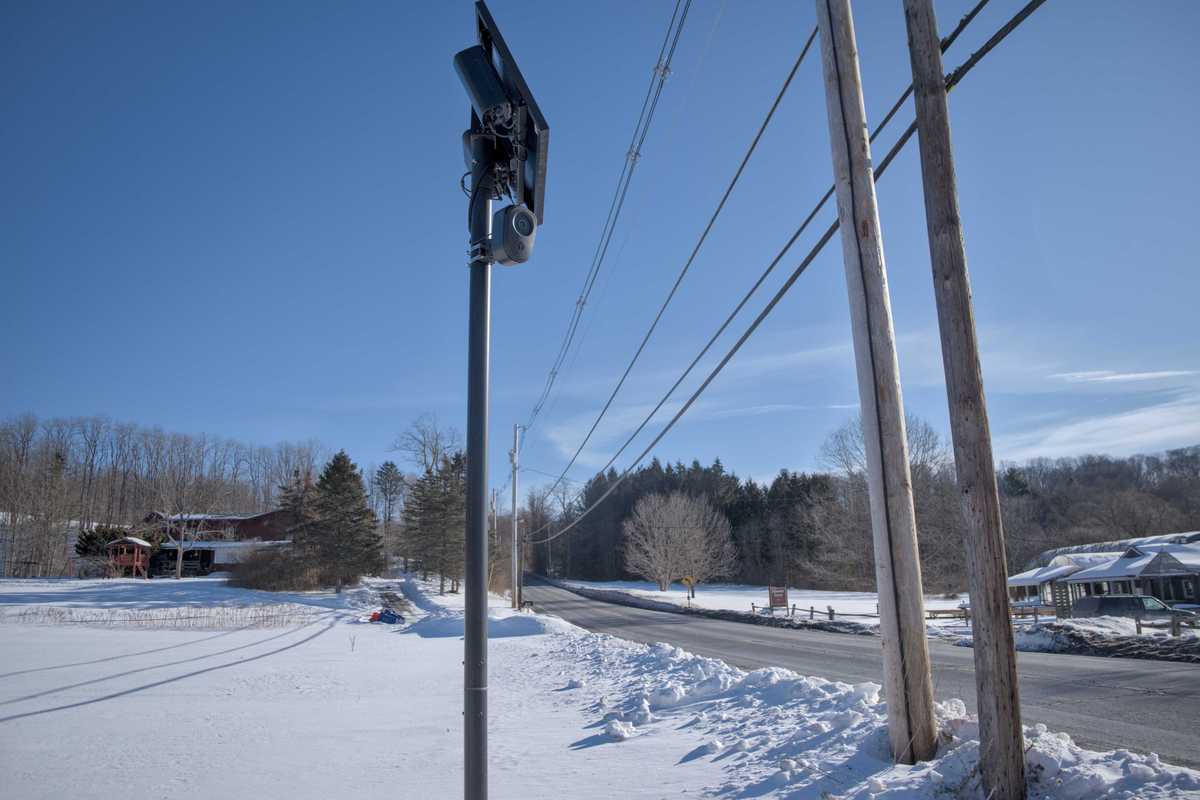
Griffin was inspired by the increased use of license plate readers manufactured by Flock Safety, an Austin, Texas, based company that produces the cameras and provides software that police use to identify and track persons of interest. Opponents of the cameras nationwide have taken to cutting down the cameras — an act that has been met with criminal charges.
Griffin acknowledged using the plastic covers would still likely lead to criminal charges, but hoped they would be lesser than if opponents damaged the cameras.
“Doing civil disobedience — which is an American tradition — always comes with a consequence,” Griffin said. “I think if we can make those consequences as small as possible for people, the better off we are.”
Griffin’s concern over the technology grew in February when Pine Plains residents and the Town Board members discovered police department officials had entered into an agreement with Flock Safety without involving the Town Board. He initially set out to design his own cover for the cameras, but eventually discovered the “Flock Sock” design online on a site where makers share designs with others.
The Flock Sock is a plastic sleeve that slides over top of Flock cameras. The devices block the camera’s view but cause no damage to the device or the pole it’s installed on. Griffin said he thought the coverings were a perfect solution, allowing concerned citizens a physical manifestation of their opposition to the cameras that doesn’t carry the same risk of criminal prosecution.
“My intent was protection of the government investment from vandalism,” Griffin said wryly. “We want to protect this investment so that when it’s returned, it’s returned at full value.”
Griffin, a 50-year-old network architect, said his opposition to license plate reading cameras is rooted in values he’s had since he was a high schooler. He framed the technology, which has become widespread across the United States in recent years, as a mass surveillance network that grants police unprecedented access to information about citizens’ movements without a warrant.
He said he has been voicing his concerns about the technology to local leaders for months, and he was glad to see the swell of opposition in Dutchess County. When Dutchess County District Attorney Anthony Parisi and Sheriff Kirk Imperati announced just two days later that the cameras were coming down, Griffin was pleasantly surprised.
Griffin urged county residents to remain vigilant in opposition to the cameras, acknowledging that county officials’ decision to terminate Dutchess’s Flock camera program does not restrict local municipalities from forming independent agreements with the company. He said he will still make Flock Socks for concerned citizens who would like some.








 Justine and Victor Valla in their studio with a painting of Victor’s,”Jonah and the Whale.” Robin Roraback