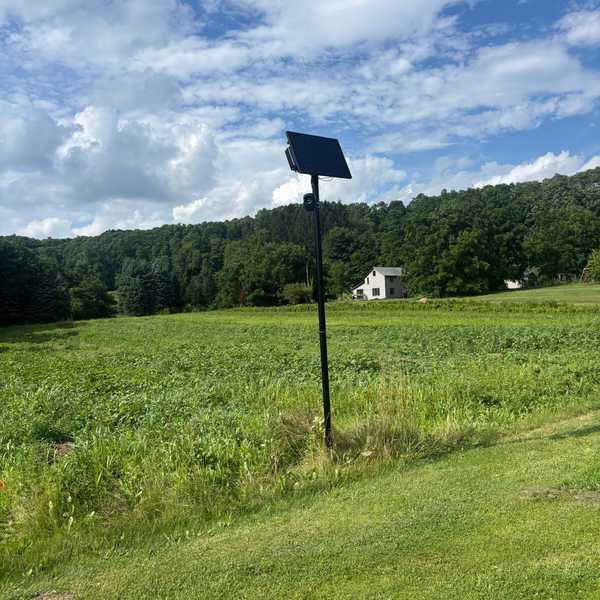
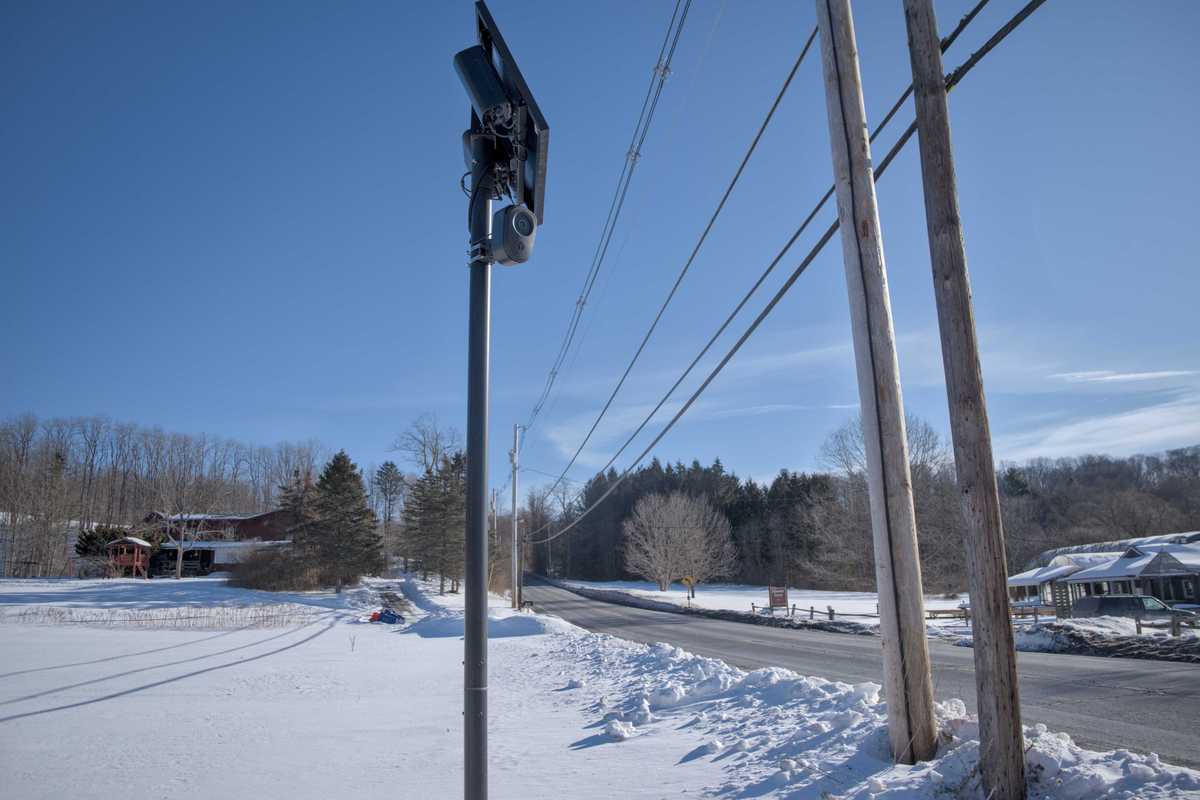
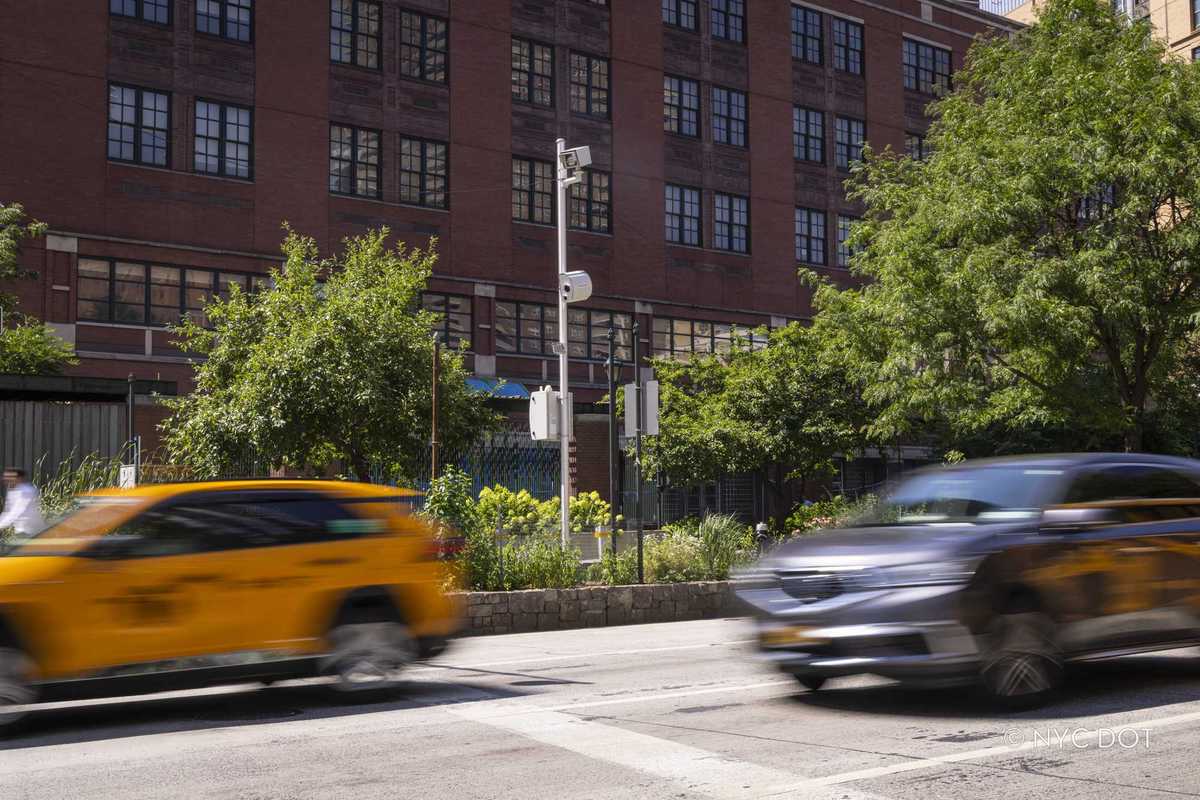
Flock cameras in Dutchess County will no longer capture license plates, and the cameras will come down in the next 30 days.
The news comes after Dutchess County District Attorney Anthony Parisi and Sheriff Kirk Imperati announced Thursday that they are withdrawing their support for the county’s continued use of Flock Safety license plate readers. The law enforcement officials made the announcement less than 48 hours after a packed public forum in Pleasant Valley, where residents overwhelmingly voiced their objections to the cameras.
“We listened to the questions that were asked and the concerns that were raised,” Parisi said in a statement. “After those discussions, we agreed that the appropriate response is to listen to our community and change course.”
Parisi said the cameras would immediately stop collecting data.
Dutchess County Executive Sue Serino backed their decision.
“If the District Attorney and the Sheriff no longer believe that Flock Safety technology is a tool that they need, I stand by them in that decision,” Serino said. “I commend them for being responsive to community concerns and being willing to change course.”
Last Wednesday’s forum was organized by County Legislator Eric Alexander, who represents Amenia, Washington and Pleasant Valley and serves as chairman of the legislature’s Public Safety Committee. More than 100 residents from across the county attended, standing along the town hall’s back walls and hallways to make their point. Once Alexander opened the floor for questions, a long line of residents quickly queued to the microphone. The youngest questioner was 8, and the oldest were in their 80s, but the message was unanimous: take down the cameras.
The concerns were wide-ranging: Privacy, Fourth Amendment rights, unlawful use of the gathered data, government overreach, misidentification, accountability, and cooperation with immigration enforcement were chief among them.
In their opening statements, the local officials emphasized the importance of transparency and dialogue in enacting good governance. “As Chair of the Public Safety Committee, I’ve heard a lot of concerns and frustration about this technology,” said Alexander. “That’s why we’re here, to get answers to your questions, and ensure your positions are reflected in what happens in Dutchess County.”
“Transparency is the cornerstone of public trust,” Parisi added. “And that’s how we tried to design and develop this project…our goal was for license plate reading technology in Dutchess County to be a community project.”
“Through my tenure at the Sheriff’s office, we’ve lived by the golden rule,” said Sheriff Imperati. “Treat others how you want to be treated…the most important thing to me is to protect your rights.”
The crowd often broke into spontaneous applause and shouts to emphasize their distrust of Flock and its cameras. North East Town Board member Meg Winkler called for towns to explore ways to prevent private citizens from hosting the cameras.
Aaron Baldwin, a Beacon resident, sparked a prolonged round of applause when he questioned Flock’s motives. “The idea that you can control a company whose main motive is profit is laughably naive,” he said. “If you don’t come out against these cameras,” he said, “we will come out against you in November.”
Pine Plains resident Jim Griffin offered free “Flock socks,” a 3D-printed slip on cover, for any interested party. Poughkeepsie’s Jamar Cummings, a local NAACP leader, questioned the camera’s disproportionate effect on non-white residents.
Beacon’s Joe Kruse pointed to the cameras as a pivotal moment for any and all local elected officials. “This isn’t a left versus right issue,” he said. “It’s our neighbors getting together and saying enough ... election signs are littering our yards asking for our support, but today we’re asking for your help and support.”
Several residents said opposition to Flock’s license plate readers has brought people together across the political spectrum and prompted an unusually strong response in local politics.
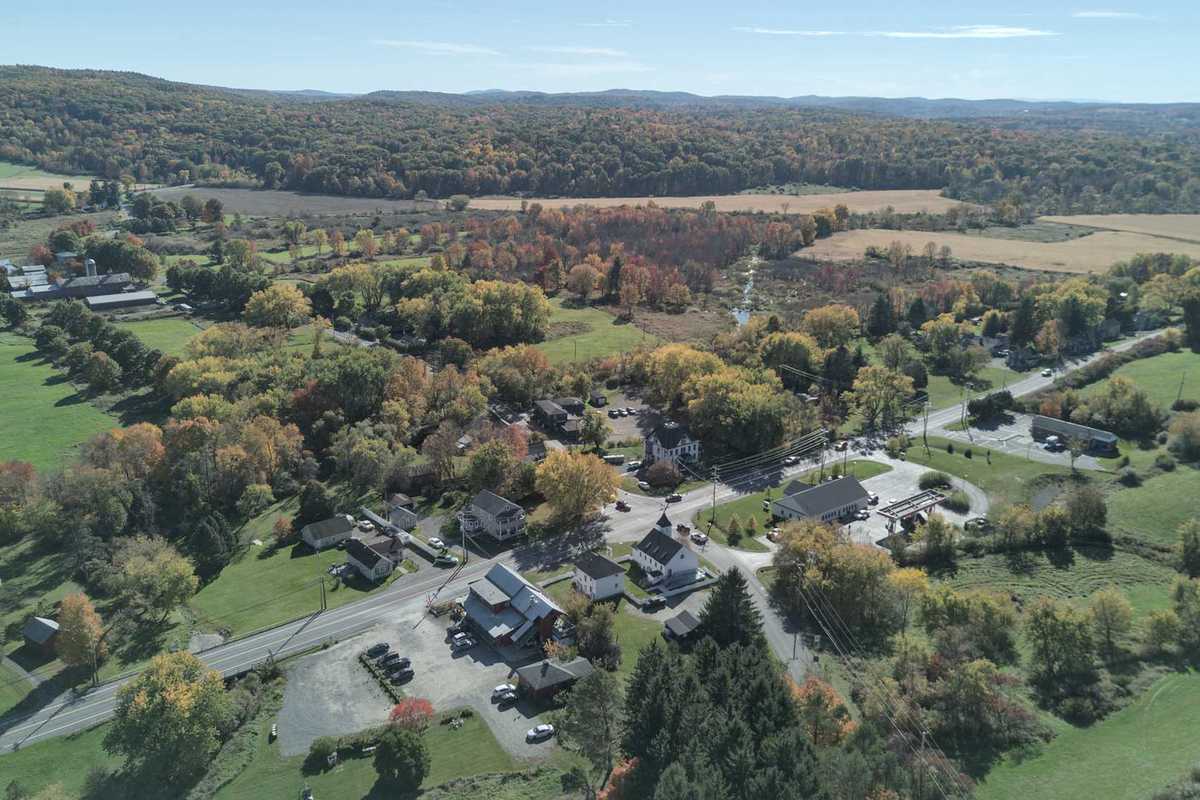
In northern Dutchess County, cameras in Millerton, Amenia, Pine Plains, and Milan were installed over the past year. The cameras were installed through private agreements with property owners, which allowed law enforcement to place cameras on private property rather than seek town officials’ approval to place the cameras on public property.
The county’s policy reversal will bring down cameras operated by both the District Attorney’s office and the Sheriff’s office that are installed on private and public property.
In response to their constituents’ concerns at the meeting, Parisi and Imperati defended the cameras’ public safety utility. They insisted on a commitment to transparency, citing the county’s ARTCIC portal and individual case stories they said exemplified the cameras’ abilities to help solve crimes and unify multiple agencies under a single platform.
But two days later, county officials came to a new consensus. With their recent statement, law enforcement has taken the first step to dismantling the county’s Flock network. Parisi confirmed on Friday, Sept. 25, that the County has contacted Flock to terminate their existing contract with the company, and will turn the cameras off effective immediately. Physically dismantling the cameras will take place over the next 30 days.
“We asked people to come out, learn about this technology, ask hard questions and tell us what they thought,” Parisi said in the Friday announcement. “They did exactly that. We cannot ask the public to participate in the process and then disregard what they tell us.” Imperati, while reiterating that he still sees investigative value in the technology, said usefulness alone didn’t outweigh what residents had told the two of them directly.
“The District Attorney and I supported this technology because we believed it could help law enforcement protect people and investigate serious crimes,” Imperati said. “But we also heard the concerns residents raised about Flock technology…Public safety depends on public trust.”
Parisi and Imperati said they will now work with county officials to unwind the program, including addressing existing contractual and operational obligations tied to the Flock system.






 Justine and Victor Valla in their studio with a painting of Victor’s,”Jonah and the Whale.” Robin Roraback