PINE PLAINS — Superintendent of Schools Martin Handler gave the Pine Plains Board of Education (BOE) the status of the district’s reopening and discussed increasing in-person instruction and other related matters during the virtual BOE meeting held on Wednesday, Feb. 17, via Zoom.
“We recognize the fact that we need to get these kids back in school for as much in-person as we can, for as much in-person as we’re allowed,” Handler said.
In grades k through five, Handler said the district added some of the students with disabilities for its inclusion classes (not just the self-contained classes) for four days of in-person instruction a week. The district has also added English Language Learners (ELLs) for in-person instruction four days a week. Additionally, Handler said students who might otherwise be responsive to academic intervention but aren’t considered special education students are being evaluated on a case-by-case basis for the four-days-a-week schedule.
As of Monday, Feb. 8, Handler said there were 22 students at the junior high school level — including student with disabilities and ELLs — who had been added to the four-day schedule. The district is now in the process of looking at high school students in those same categories to get them back to in-person instruction.
As could be expected, Handler said parents have reached out to ask why the district can’t have everybody back to school four days a week and why certain districts have been able to do so. Handler said it works for some districts because they have the facilities and staffing to socially distance their students and bring them back for in-person instruction.
Pine Plains, he said, doesn’t have the facilities to make that happen. Handler explained schools are under a mandate that requires 6 feet of distance between students in all directions and social distancing in the classrooms, which he considers the main barrier for the district to bring all of its students into its buildings.
Handler added the Centers for Disease Control and Prevention (CDC) recently released guidance for school districts. In addition to advising the use of face masks and other similar precautions, he said the CDC has asked school districts to complete other mitigating actions, such as looking at their ventilation systems. Stressing how much of this depends on the community infection rate, Handler said the CDC stated that if schools are in an area where the community infection rate is low or moderate, the CDC will grant them some flexibility as long as masks are worn and other similar precautions are taken.
Equipped with this new guidance, Handler said the district met with the Dutchess County Department of Health (DOH) to ask about the status of the county’s infection rate. He reported the DOH told him it couldn’t give him an answer and said it would have to look into metrics, the percentage of new cases per 100,000 people and what the county’s infection percentage is.
Looking up the information online himself, Handler said the county’s infection rate is right around 5%, indicating that it’s low to moderate. By the following week, he said the DOH will get back to the district with the necessary information.
Handler said the CDC specifically recommended schools start by bringing back elementary students first, as they have a much lower rate of transmission compared to older students. As students are already wearing masks, Handler said they may be asked to wear two masks. He reported the district’s unit ventilation system works in every classroom in every school building, bringing in 25% of the fresh air minimum and exceeding the New York State Education Department’s (NYSED) standard. He said he wants to increase the ventilation by cracking open at least one window in each classroom and propping the doors open. He explained NYSED passed a temporary amendment to the fire code during the pandemic to allow schools to do so.
Though the CDC hasn’t mandated schools test people for COVID-19, Handler said the district has tests kits available. He emphasized students’ participation in academics or athletics is not conditional on their getting tested.
Regarding vaccinations, he said Dutchess County announced on Saturday, Feb. 13, that it would give each school district 10 vaccination appointments. Each district must decide who gets the appointments; the county sends a link to guarantee those appointments. That Saturday, Handler said 10 staff members got vaccinated in Dover Plains and then another 15 appointments were given for Saturday, Feb. 20.
Concerning who received the appointments, the superintendent said the district sent out an email to its staff and the first 10 people who responded received the appointments for the first week, while the second group was given the next round of appointments and so on. As the district’s current waiting list has 30 names on it, Handler said after this Saturday’s round of appointments, it should be able to burn through the list in a few weeks.
Regarding maintaining social distancing on school buses, Handler said the CDC’s guidance states every student must wear a mask and social distance where possible; if a student won’t or can’t wear a mask, there must be 6 feet of distance around that student. If the district adds more in-person students, it will likely appeal to parents to drive their child to school every day to create additional space for students who depend on buses as their only mode of transportation.
“We’re really anxious,” Handler told the school board at the meeting. “We know these kids have got to get back to school in person. The president now has it as a priority, the politicians have said it’s a priority. OK, let us be able to do it.”




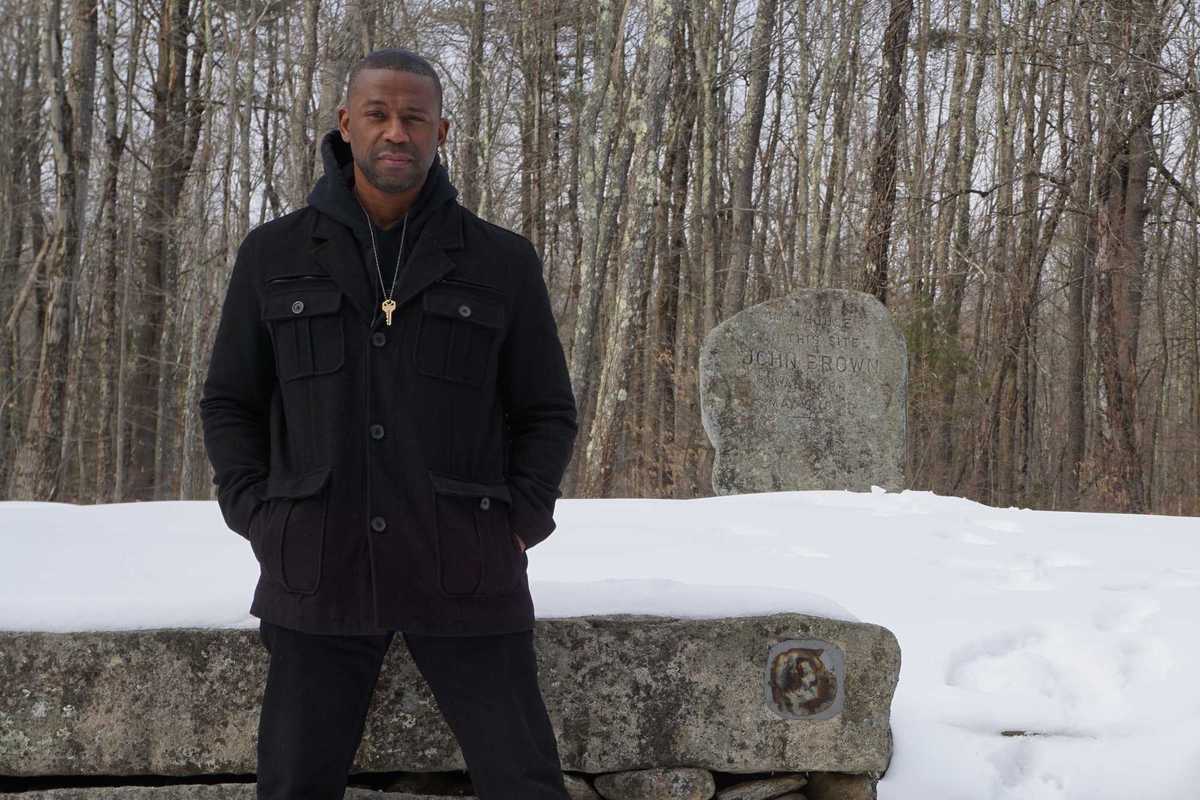
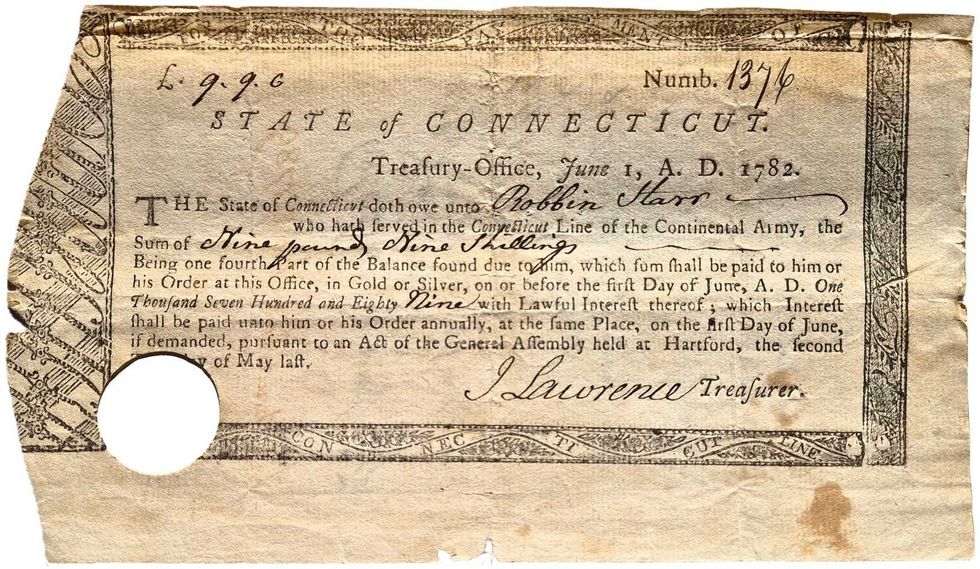 Pay Bill for Robin Starr’s service in the Continental Army.Courtesy the Alex Breanne Corporation
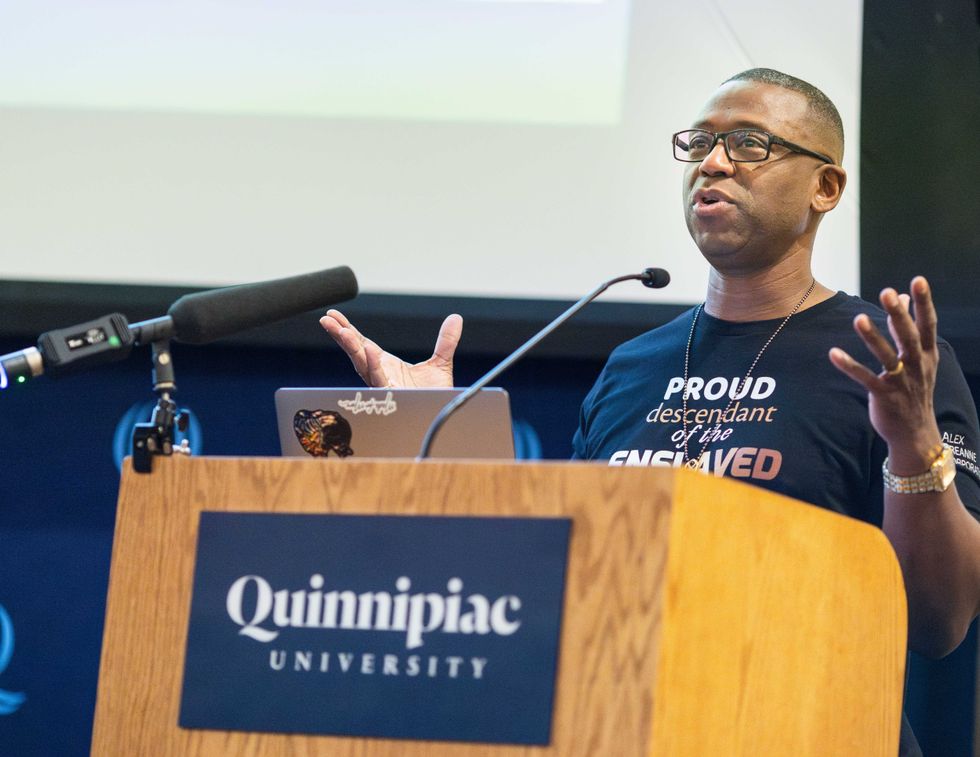 John Mills speaking at Quinnipiac University.Courtesy the Alex Breanne Corporation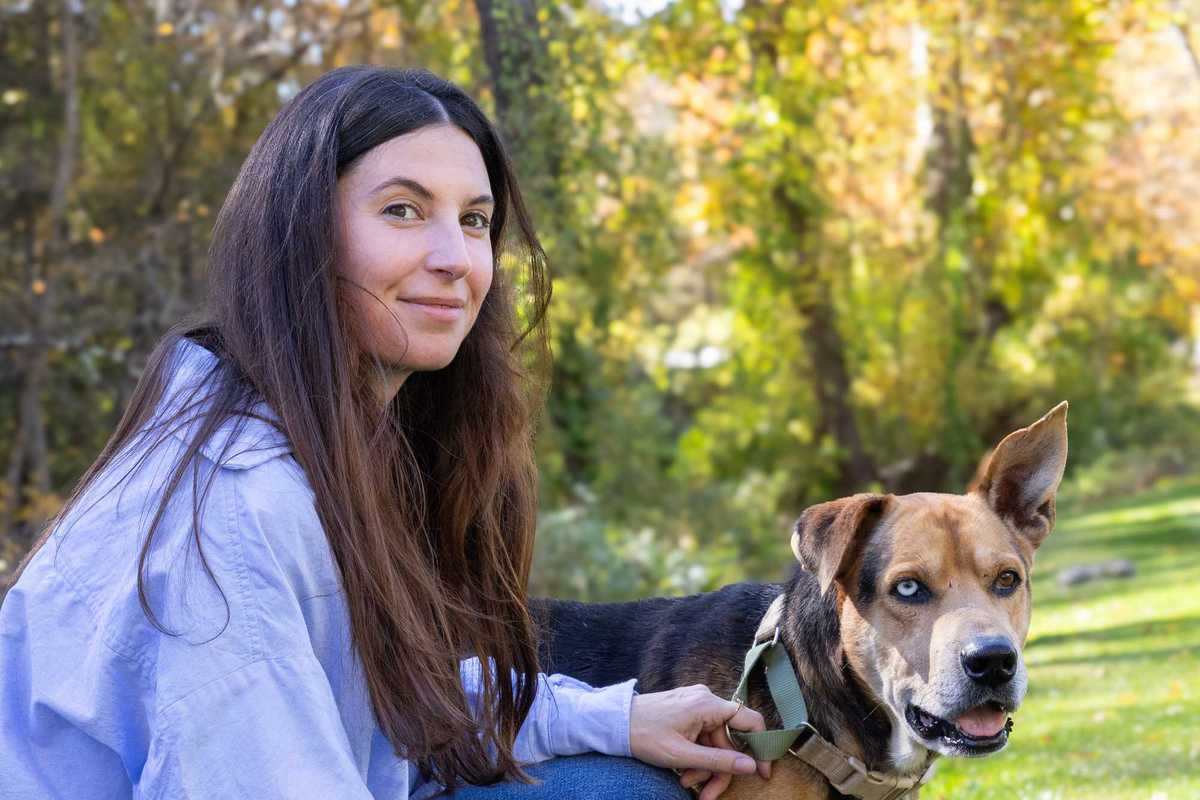
 Stephanie Saetta,with her rescue dog George and Blue (left), a shepherd mix awaiting his forever home.Madi Long