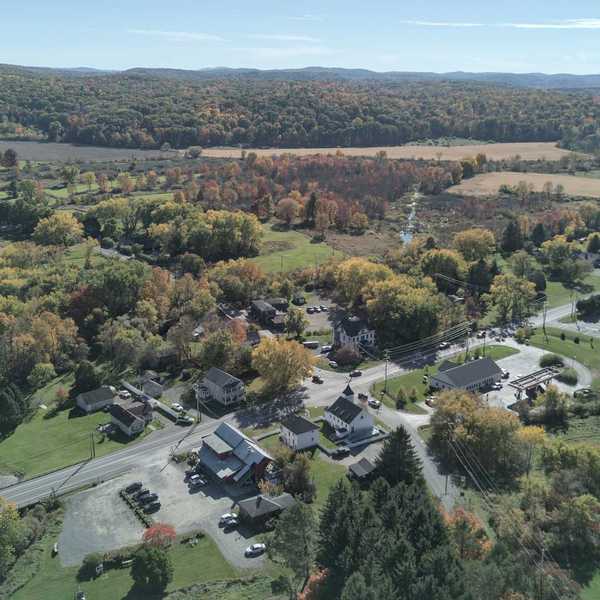
MILLERTON — Though the Irondale District lies just outside of the Village of Millerton, it has become the center of a divisive conversation as the Town of North East continues to review a significant overhaul of its commercial zoning code.
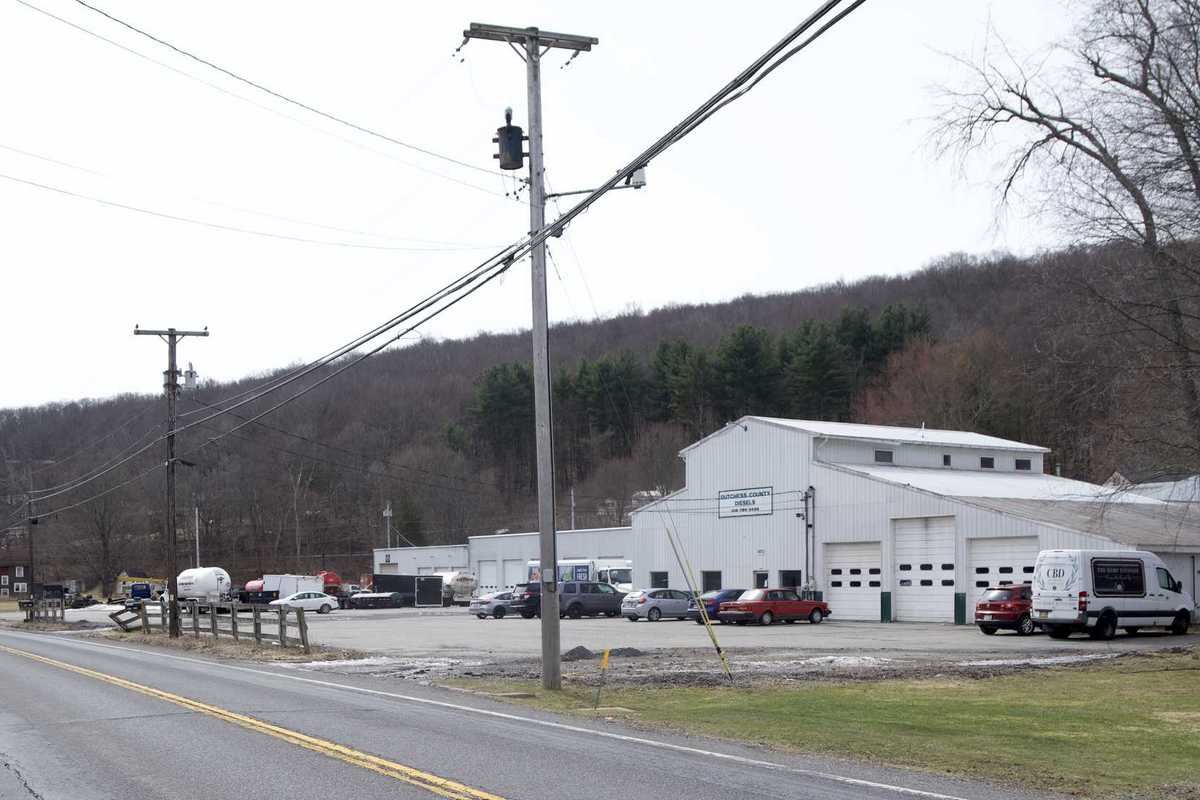
Irondale, officially known as the Highway Business district under current town code, is a small stretch along Route 22 south of the village that some officials and residents believe could support additional businesses, while others argue development there could undermine efforts to boost Millerton’s existing downtown.
The issue emerged during the public hearing on the commercial zoning code overhaul, which has remained open since Jan. 8.
During the Jan. 8 public comment period, Kathy Chow, a North East resident and chair of the Millerton Climate Smart Task Force, urged the town to encourage artisan workshops and food-based businesses in the Irondale area, suggesting it could become a hub for small industry and capture Route 22 traffic.
Since then, board members from the town and the village have weighed in, discussing possible types of permitted businesses in Irondale and the potential impacts.
Irondale is currently zoned for highway-oriented commercial uses rather than village-style retail or restaurants. Permitted businesses include auto body shops, building materials sales such as lumberyards, construction equipment sales and rentals, mobile home and farm machinery sales, transportation terminals, warehouses and wholesale operations.
Councilwoman Meg Winkler has advocated expanding those uses to include restaurants, bakeries and small retail businesses, arguing the area already functions as a natural extension of the village, citing the existing Agway and Napa Auto Parts along the Route 22 corridor north of Millerton’s downtown.
Winkler said the town’s 2019 Comprehensive Plan encourages expanding commercial opportunities and believes allowing small-scale businesses there could strengthen the local economy.
“I stand firm on my decision and it’s not out of disrespect to the ZRC, and it’s not personal,” Winkler said. “It’s rooted in my belief as a businesswoman – and after talking to residents and business owners who want the flexibility in this district – that it would boost the economic vitality to the village and town.”
Others on the board, however, said expanding retail uses outside the village could weaken Main Street by diverting customers away from Main Street.
Town Supervisor Chris Kennan said the ZRC intentionally designed the district to support larger highway-oriented businesses while concentrating retail and restaurant activity in the village center.
“The goal of the ZRC was to support the village as in Main Street and not to provide shopping opportunities on Route 22 where people could just keep driving down 22 and not turn into the village,” Kennan said.
He added that protecting the village’s commercial core is part of what makes Millerton distinct from other communities.
Deputy Supervisor Chris Mayville said he has mixed feelings about the proposal and wants to better understand its long-term implications for planning and development in Irondale.
“If we’re working to expand the boulevard in the village,” Mayville asked, “why would we think mirroring development in the other direction would help that?”
Edie Greenwood, who chaired the ZRC throughout the process, said the group intentionally left the Irondale district unchanged in order to keep the process manageable.
“My approach was to simplify and not get into boundary changes,” Greenwood said, noting that broader conversations about commercial development along Route 22 will likely occur during the next phase of zoning work.
Councilwoman Rachele Grieco Cole said the debate seems like a chicken and egg dilemma.
“There’s tension between wanting the downtown to look and function a certain way and attract enough customers,” Cole said, adding that there is a risk of being too restrictive rather than drawing in as much business as possible.
Kennan ultimately attempted to pass a resolution to maintain the existing ZRC language, which would keep the current limitations in Irondale. The board did not adopt the resolution and will instead pick up the conversation during a regular meeting of the Town Board on Friday, March 20.
Village board members weigh in
Village officials also raised concerns about the proposal during a March 9 village board meeting, where Mayor Jenn Najdek warned that expanding retail and restaurant uses in the nearby Irondale district could create what she referred to as a “fly-by” scenario, diverting traffic and customers away from Main Street.
Trustees agreed the change could undermine long-standing efforts to concentrate commercial activity in the village center, particularly as plans move forward for the expensive wastewater infrastructure project intended to support future development in the Boulevard District.
The board said it plans to collectively draft a formal letter to the Town of North East board outlining their concerns.





 Meg Sher, executive director of the David M. Hunt Library in Falls Village.L. Tomaino