


Latest News
Dinner with the dog
Natalia Zukerman
Oct 07, 2026
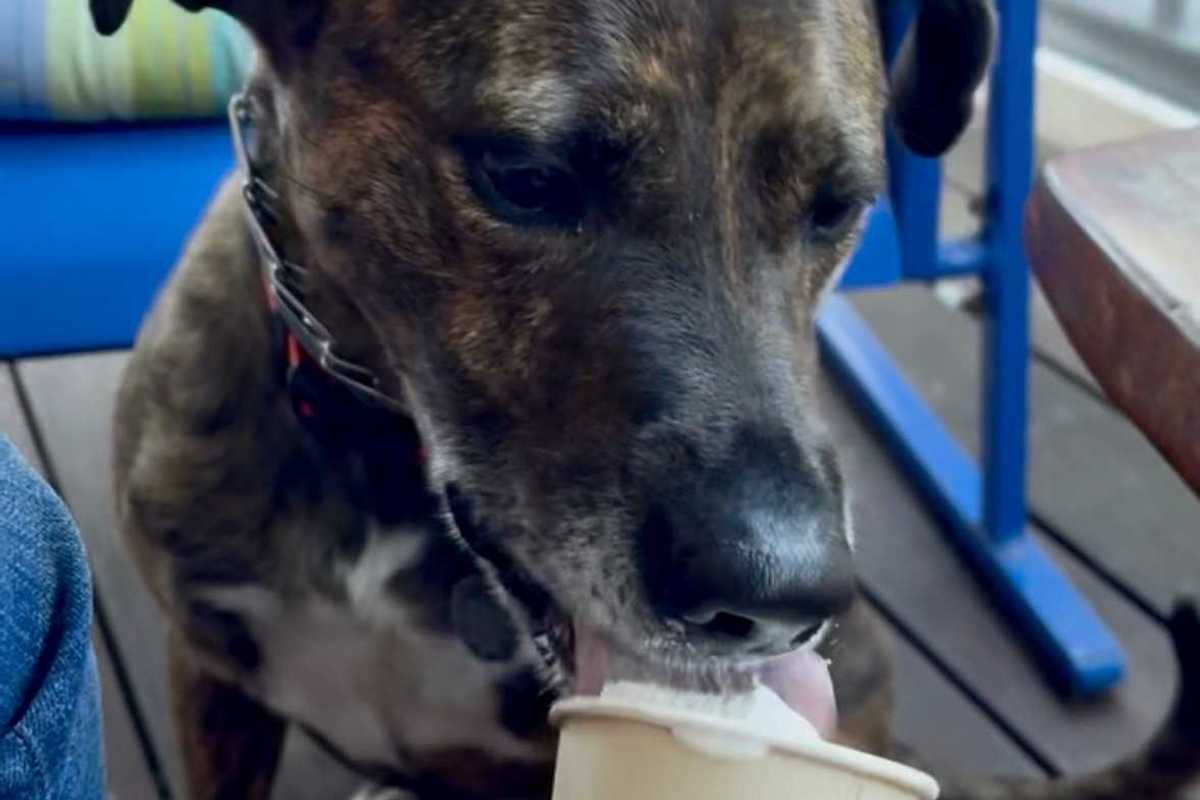
Georgie, enjoying a late-summer “pup cup” on the porch at Grassland Dessert Cafe in Lakeville.
Natalia Zukerman
Dog owners know the dilemma: You’re out for the day with your four-legged sidekick when hunger strikes. Fortunately, a number of area restaurants, cafés and breweries welcome dogs, mostly at outdoor tables. Policies and outdoor seating can change with the season, so calling ahead is always a good idea.
The White Hart and Provisions in Salisbury is particularly pet-friendly. The inn welcomes pets on request, and its front porch and sprawling lawn make inviting places to settle in with a canine companion. They even welcome well-behaved patrons — bipedal and quadruped alike — in the cozy dining area.
At Harney & Sons in Millerton, dogs are welcome on the outdoor terrace, where their humans can stop for tea, sandwiches, salads and other light fare. Nearby, The Millerton Inn has a spacious front porch for outdoor dining; the inn itself also accepts pets on request.
Le Gamin in Sharon has plentiful outdoor seating for you and your pooch. French bulldogs may feel especially at home but everyone is welcome.
Grassland Dessert Cafe in Lakeville makes sure four-legged customers aren’t left out of dessert. Dogs can join their humans at the outdoor seating, and the cafe even offers a pup cup, because just watching someone else eat ice cream is too much to ask of anyone.
Mizza’s in Lakeville welcomes dogs at its outdoor tables in good weather, making pizza night an option for the whole family — including the member who eats things off the floor.
In Wassaic, The Lantern Inn makes its position charmingly clear: “We love kind dogs, on leashes, with their owners.” Dogs can join diners in the restaurant’s outdoor garden.
Four Brothers Drive-In in Amenia may be the ultimate dog date night. The drive-in describes itself as designed with “families, friends & pets in mind,” and leashed dogs are welcome to hang out on the lawn and around the drive-in grounds. There’s even a section of the menu at The Shack called “Paw Treats,” featuring “The Fiona,” a serving of vanilla custard and peanut butter topped with a doggy biscuit!
Off The Trail Cafe in Falls Village has outdoor seating where diners can relax with their dogs, although seating is limited.
Farther afield, Market Place Tavern in Litchfield welcomes dogs at designated outdoor patio tables, while Rhinebeck’s Smoky Rock BBQ has multiple dog-friendly outdoor tables. At Terrapin Restaurant, well-behaved, leashed dogs are welcome on the outdoor patio and in the covered, open-air pavilion.
For beer-loving humans, Subversive Malting & Brewing in Catskill allows leashed, well-behaved dogs outdoors and in its heated tent; Suarez Family Brewery near Hudson welcomes leashed dogs on its outdoor patio; and Union Street Brewing Co. in Hudson welcomes well-behaved dogs in its garden.
Keep ReadingShow less

Want more of our stories on Google? Click here to make us a Preferred Source.
A day in the life of a rescue dog
Jennifer Almquist
Oct 07, 2026
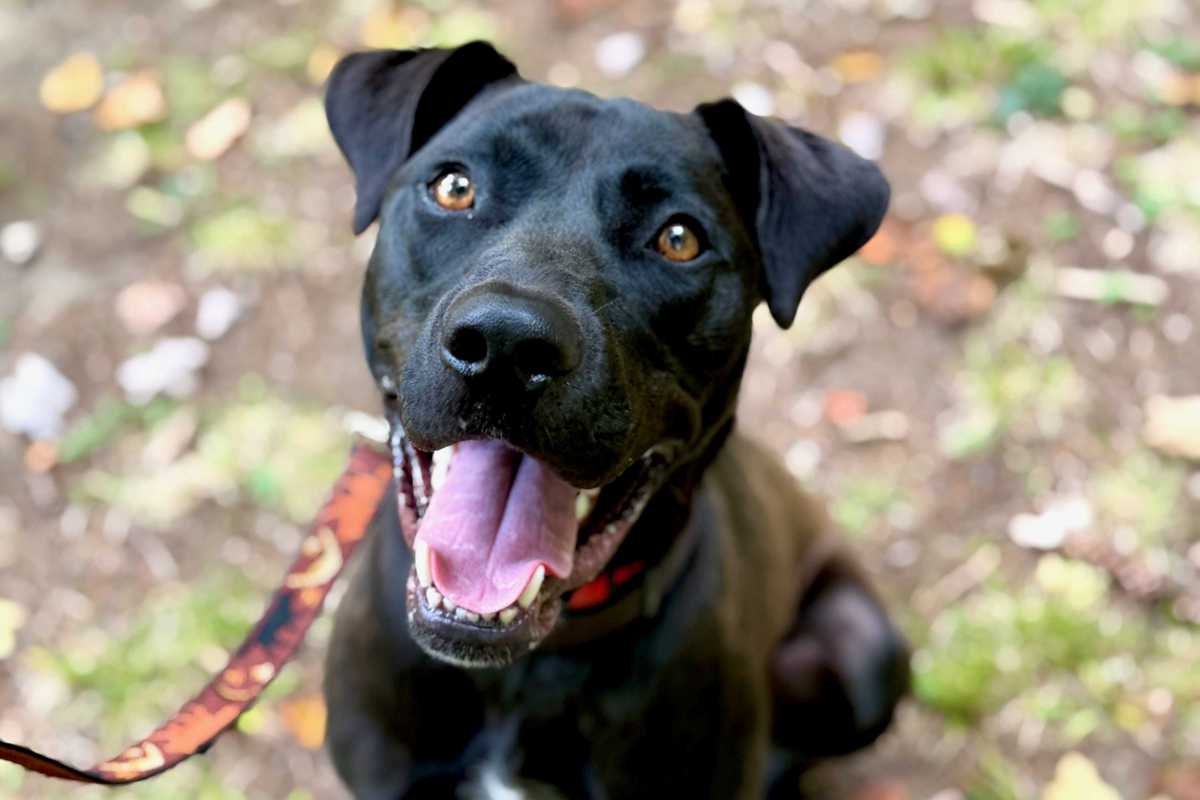
Marsala is eager to go home with you.
Jennifer Almquist
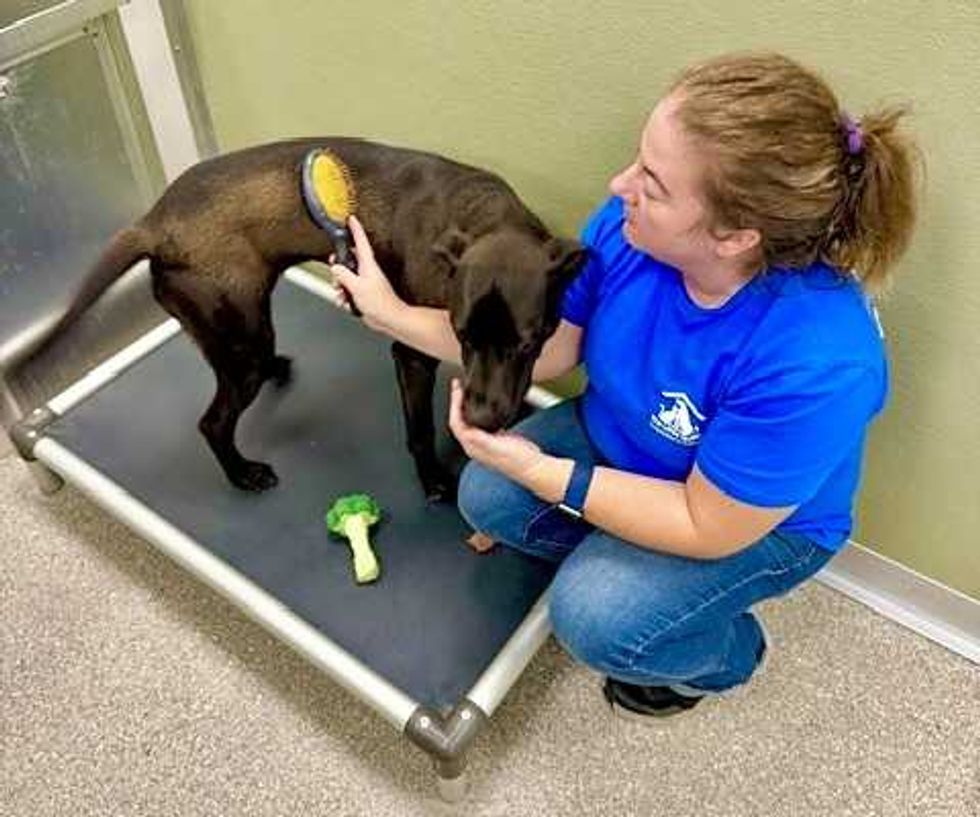
“It’s unbelievable that this sweet, loving boy hasn’t found his home yet,” said Tiffany Lemelin, shelter manager of The Little Guild, whose mission is to rescue, love and heal homeless cats and dogs. She smiled at the small dog wagging his tail. “This is one of the most deserving dogs you could ever meet, with so much love to give.”
Marsala is an energetic, 1-year-old, 45-pound black Labrador mix waiting to be adopted. He arrived March 25 as a stray named “Chicken” from Toccoa, Georgia.

The Little Guild is an animal shelter at 285 Sharon-Goshen Turnpike in West Cornwall. Founded in 1957, the organization rescues animals from local surrenders and under-resourced shelters. When a rescue animal arrives at The Little Guild, staff begins a careful intake and transition process to ensure the animal is safe, healthy and ready for adoption.
New arrivals are quarantined in-house. Vaccinations are verified as up to date, and staff assesses each animal’s medical, behavioral and placement needs. Rescues receive medical care, daily support and behavioral training to ease shelter stress. Once a dog has finished quarantine and is ready for a home, its profile is published at littleguild.org.
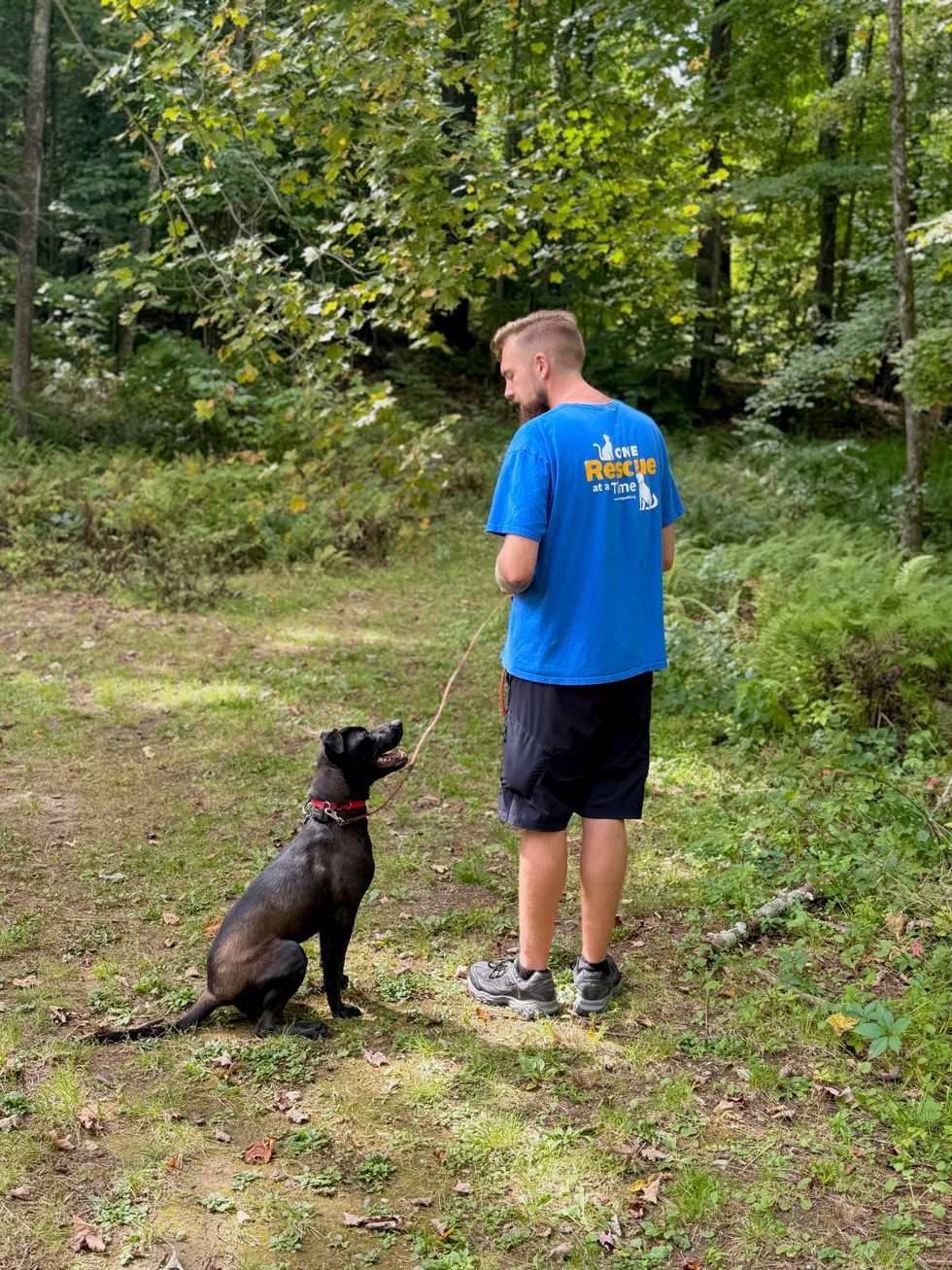
Prospective adopters fill out an online application with information about their household and veterinary and personal references.
The next step is for the prospective adopter and family members to meet the dog. If there is already a dog in the household, a meet-and-greet is scheduled so the dogs can get acquainted.
The animal care staff offers guidance based on its knowledge of each animal’s personality, needs and quirks to help families find the best fit.
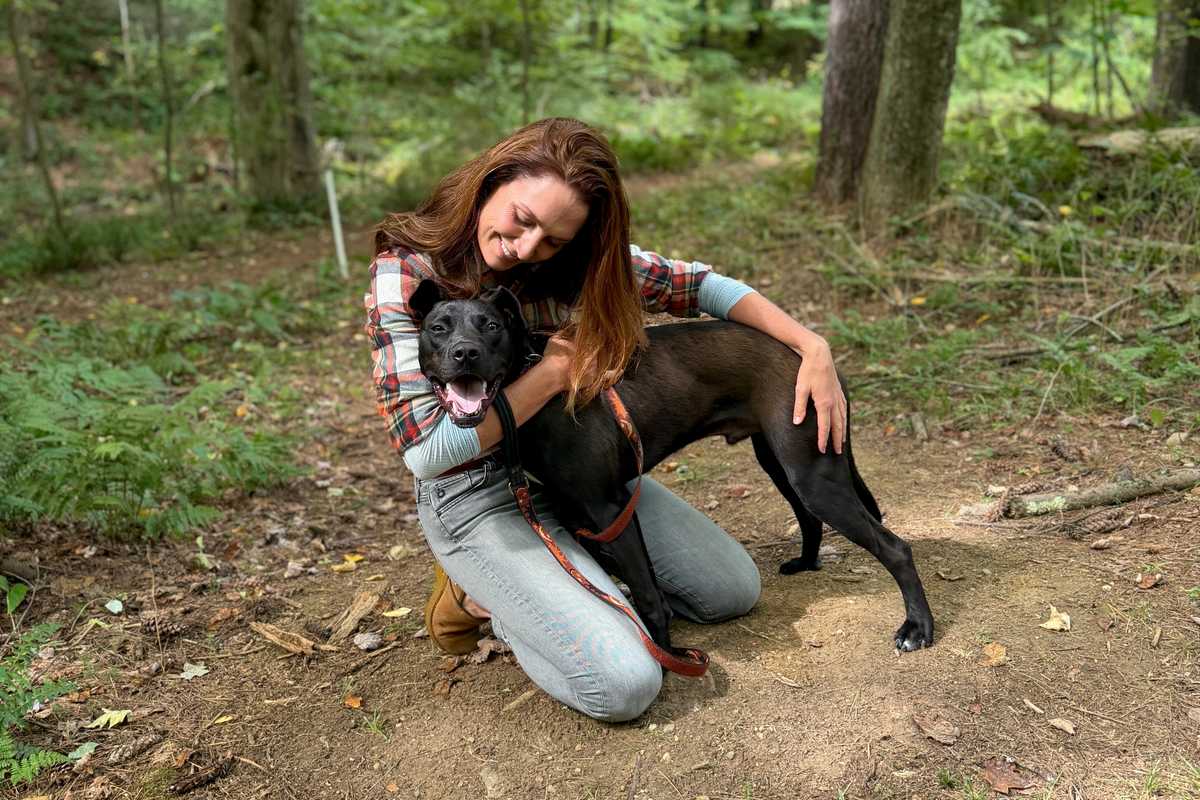
Once a match is made, the adoption contract outlines aftercare. Adopters agree to return the animal to The Little Guild if the adoption doesn’t work out. The organization’s commitment continues after adoption, with six months of free training and follow-up from staff to answer questions or address concerns.
“Please don’t pass Marsala by,” Lemelin said. “He loves people and other dogs. He’s a lap dog who lives for snuggles, cuddles and face kisses. Marsala deserves a family, a soft bed and a lifetime of being chosen.”
To find out about Marsala and other rescue dogs and cats, visit littleguild.org
Keep ReadingShow less
A second chance in Wingdale
Robin Roraback
Oct 07, 2026
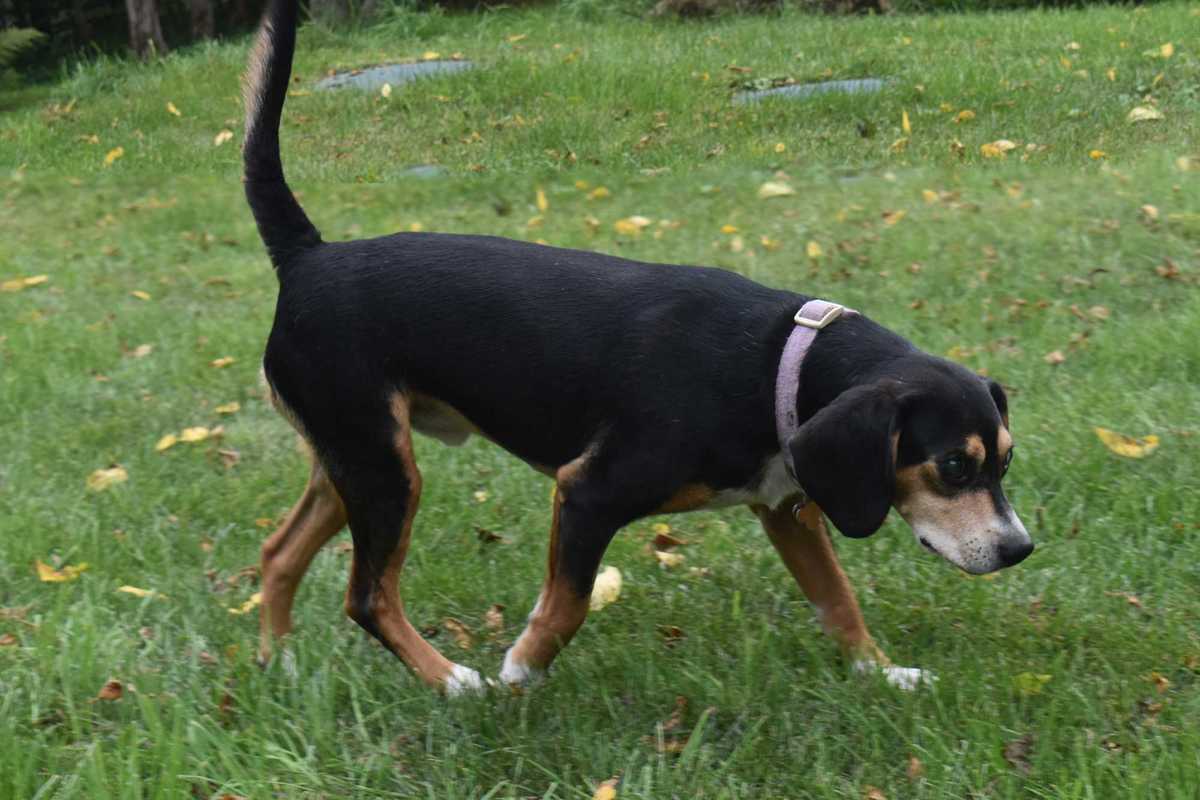
Sampson, a playful and independent blind hound mix, explores the rescue’s large yard.
L. Tomaino
Meade Canine Rescue and Sanctuary is not the average rescue. Situated on a quiet dirt road on 8 acres in Wingdale, the dogs living there are, for the most part, uncaged, roaming the yard, sleeping in the house, resting in the shade of a tree or lounging in the open van that often takes them for rides.
“We go on lots of adventures,” said the rescue’s founder, Charlotte Meade.
Though she takes in dogs of all ages, including some with disabilities — and one resident cat — the rescue’s motto is “Giving old dogs new lives.”
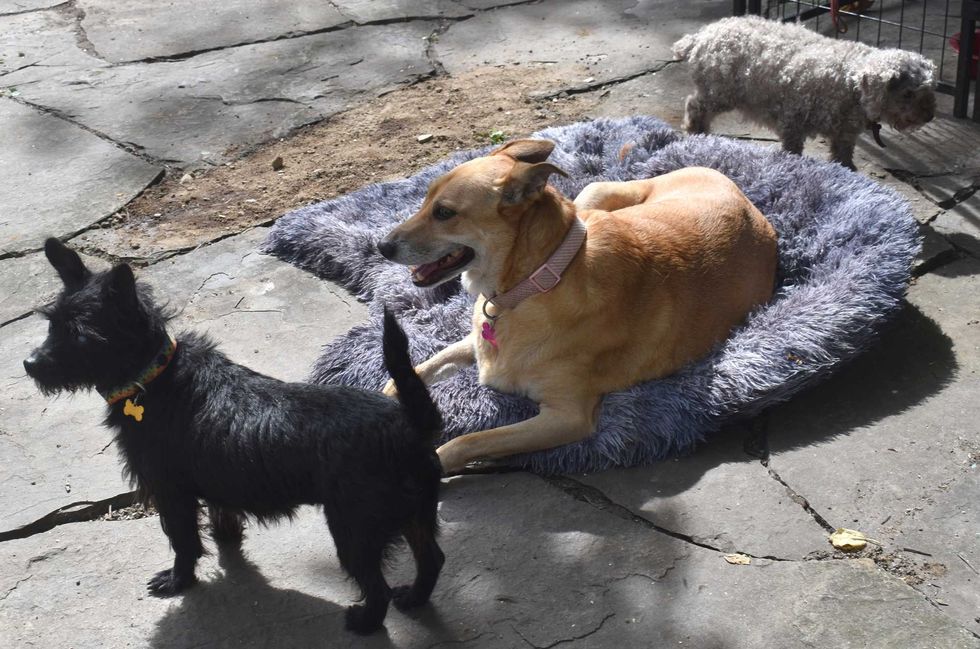
Sadie, a sweet Carolina dog, was the first to greet visitors.
“She could really use a home,” Meade said.
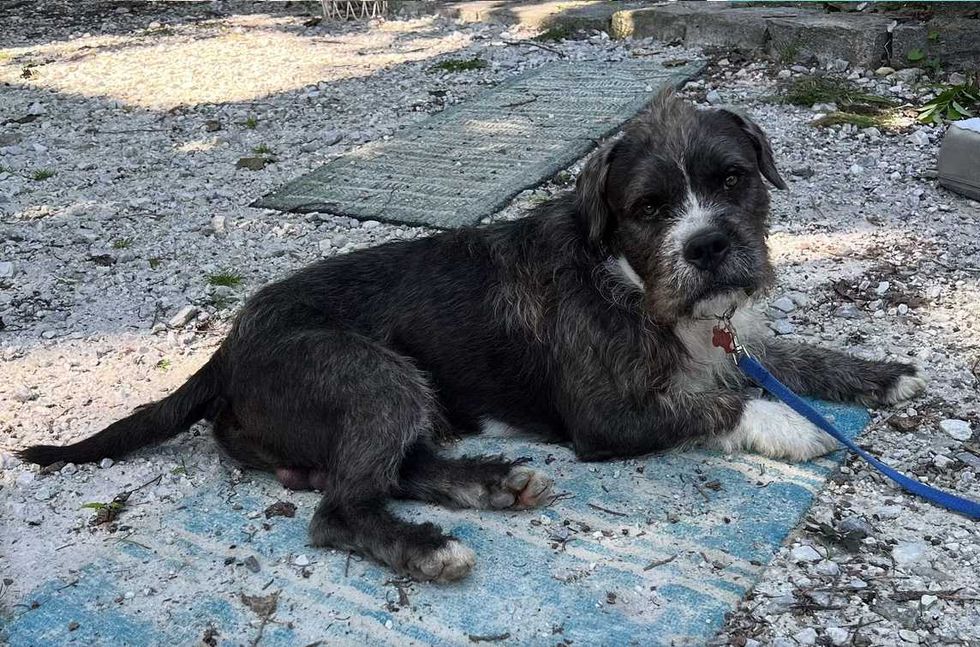
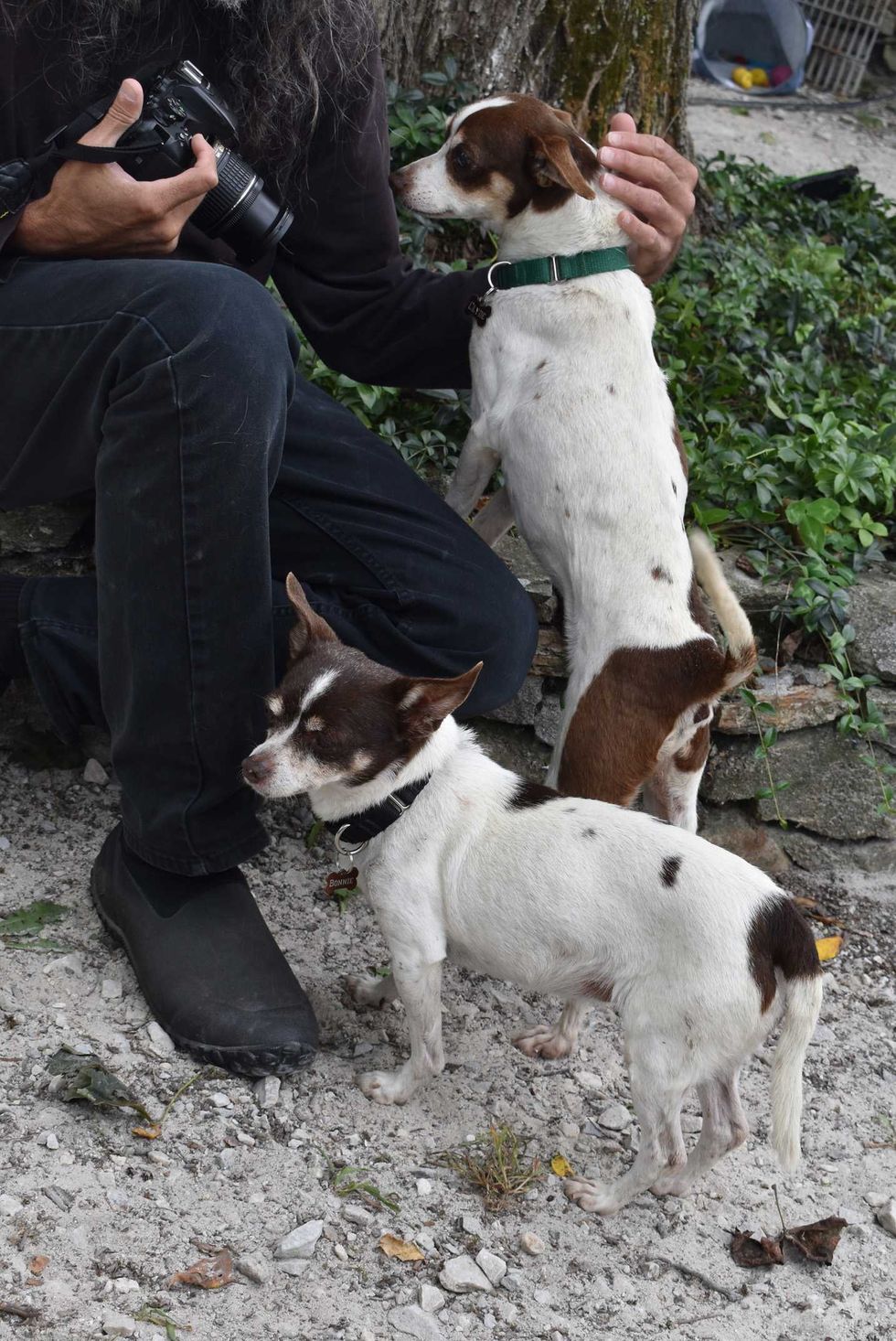
Then came Bonnie and Clyde, rat terriers; Negra, a small terrier mix; Sampson, a blind hound mix; and Jay Z, a terrier mix who was emaciated when Meade took him in and has since filled out, with fur regrowing over previously bald patches. Wesley, a young, shaggy mix whom Meade calls “a very good boy,” is also in need of a home.
Meade began rescuing dogs after going to Waterbury to adopt one and learning that, by the end of the three-day weekend, the dogs she was looking at would be euthanized to make room for others.
She went home and started her rescue in New Preston, Connecticut. After five years there, she moved to California, where she rescued dogs from overcrowded pounds for 13 years.
Meade, a busload of dogs and her cat moved back to the Northeast a little more than a year ago.
Ninety-nine percent of the dogs at the rescue come from pounds, both locally and in California and New York City.
“We are more than happy to place dogs with older people, and we are also willing to give support after the adoption,” Meade said, noting that some rescues will not adopt to people over 60.
For those who cannot adopt, the rescue needs donations of old blankets, dog and cat food, cleaning supplies, puppy pads and dog treats. Monetary donations are also welcome and can be made through the rescue’s website. Meade also welcomes volunteers to help with the dogs.
Contact Meade at 805-239-4004, 860-866-7986 or 4dots@att.net to arrange a visit or drop off donations. For available dogs and more information, visit meadecaninerescue.org.
Keep ReadingShow less
The bear necessities of living in bear country
D.H. Callahan
Oct 07, 2026
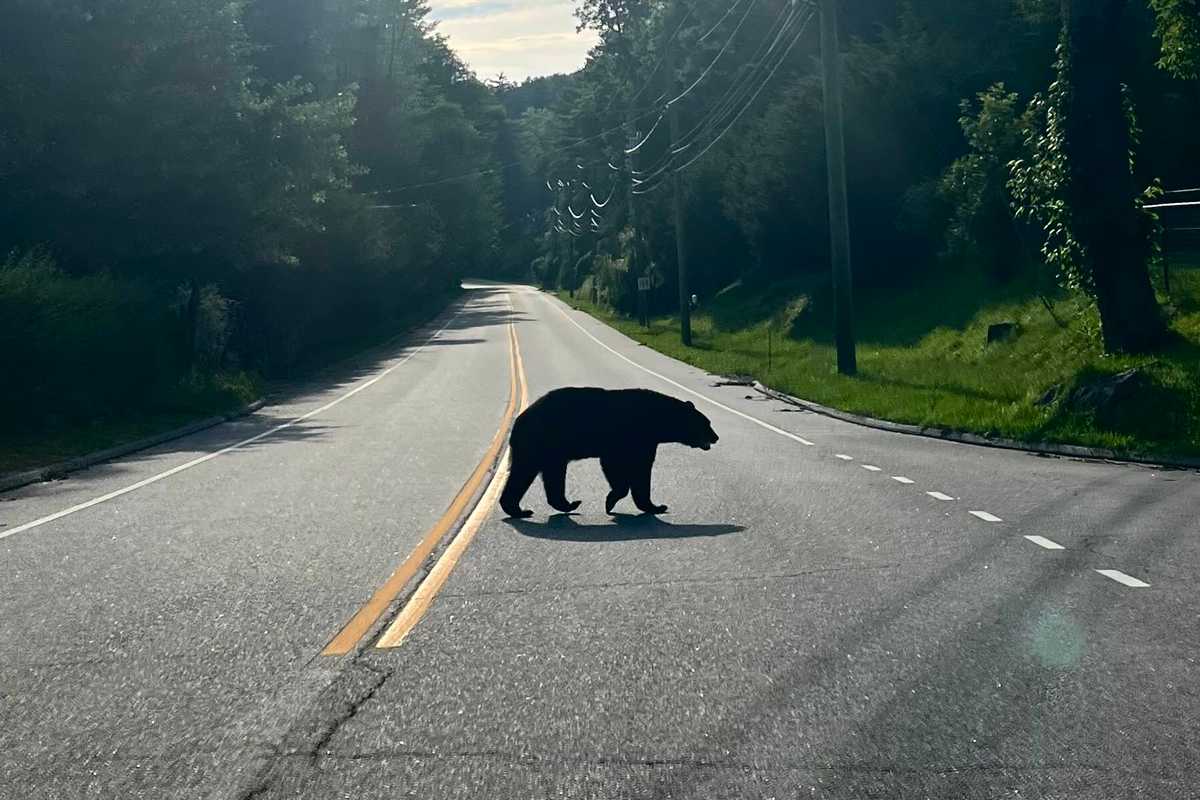
A bear outside Cornwall Consolidated School in West Cornwall.
D.H. Callahan
Take down bird feeders when bears are active. Secure garbage cans left outside, and never leave pet food or trash on porches, screened-in or otherwise.
This here is bear country. In fact, Connecticut has an unusually high rate of bear home entries compared with neighboring states. So far this year, the state has documented more than 60 home entries, and bears have been spotted in all 169 towns and cities.
Bears are also part of life in neighboring Dutchess County. But don’t worry. It’s not as bad as it sounds.
The first thing to know is that we only have black bears round these parts. Black bears are generally not aggressive toward humans, although they are wild animals and can behave unpredictably. Even in autumn, when bears are actively bulking up for hibernation, attacks on humans are very rare. Luckily, the Connecticut Department of Energy and Environmental Protection, or DEEP, has tips and tricks for living safely and comfortably in bear country.
If you see a bear from your car, stay inside and enjoy nature’s majesty from a safe distance. Give the bear plenty of room and never approach it.
If you encounter a bear while outside, additional caution should be taken. Do not approach or corner it. DEEP recommends “hazing,” or scaring a bear away, in certain circumstances.
Leave the bear alone if you are in its habitat, it is already running away or climbing a tree, it is a lone cub, or scaring it could drive it toward people, dogs or traffic.
If a bear lingers in your yard or another developed area, however, hazing may be appropriate, but first get children and pets inside.
The best way to scare a bear is to make eye contact, get big and get loud. If you have a whistle or air horn, use it. Pots and pans can also do the trick.
Barring those instruments, your hands and voice can work wonders. Clap loudly and yell firmly.
If a bear enters your house, keep your distance and back away. Next, open as many doors and windows as possible to give the bear an easy escape route. Again, do not approach the bear.
Making sure your home is not actively attracting bears in the first place is even better. Take down bird feeders when bears are active. Secure garbage cans left outside, and never leave pet food or trash on porches, screened-in or otherwise. And make sure you pack away those pick-a-nic baskets.
Contact wildlife authorities if a bear is highly agitated, sick or injured, approaches people or does not leave after hazing. In Connecticut, call DEEP’s 24-hour emergency dispatch line at 860-424-3333. In Dutchess County, contact the New York State Department of Environmental Conservation at(518)402-8044.
Keep ReadingShow less

Want more of our stories on Google? Click here to make us a Preferred Source.
loading