At a certain point you stop asking who people want you to be and start figuring out who you already are.
— Lena Hall
There is a moment in conversation with actress and musician Lena Hall when the question of identity lands with unusual force.
“Well,” she said, pausing to consider it, “who am I really?”
Born Celina Consuela Gabriella Carvajal into a San Francisco family steeped in performance — her father a choreographer, her mother a prima ballerina — Hall was, by her own account, “born to be onstage.”
“Like a show pony,” she joked.
She trained first as a ballet dancer, studying in France on scholarship before abandoning that path for musical theater after seeing her sister perform in “42nd Street.”
Even then, identity was something inherited before it was chosen.
The Tony Award-winning, Grammy-nominated performer has spent much of her career moving between worlds: Broadway and television, rock clubs and film sets, musical theater precision and raw, unvarnished songwriting. Her latest solo album, “Lullabies for the End of the World,” is an intimate, autobiographical work that explores co-dependency, heartbreak and self-reckoning.
But for Hall, whose career includes a Tony-winning turn in “Hedwig and the Angry Inch,” a starring role on Apple TV+’s “Your Friends and Neighbors,” and acclaimed performances in film and television, the search for artistic identity has been unfolding for decades.
The record’s central themes — identity, authenticity, reinvention — are the same ones Hall has been sorting through for much of her adult life.
“It wasn’t until later that I started asking those questions,” she said from New York City, which she splits her time between and West Cornwall, Connecticut. “What do I want to represent? Who do I want to be? I was trying to find the authentic self instead of just going with the flow.”
The search began, in part, with an unlikely catalyst: a tonsillectomy.
When Hall was 26, surgery altered her voice just as she had joined the rock band The Deafening. “They would just play really loud and never change the key,” she said, laughing.
At the same time, Hall found herself confronting larger questions about purpose and artistic direction.
“I was going through that moment of, what do I really want out of this industry?” she said. “If I’m going to keep doing this, I need to have a purpose.”
Until then, Hall said, she had largely been defined by external expectations.
“I was always who I was told to be,” she said.
The surgery became a kind of reset, both vocally and personally. It also coincided with another form of reinvention: the decision to change her professional name.
“My real name is a lot,” she said.
People stumbled over its pronunciation. It was harder to remember, harder to place. “Lena Hall” felt streamlined, memorable. “It also just sounds like a rock star,” she laughed.
Hall, who is one-quarter Filipino with Spanish and Swedish ancestry, later grappled with whether changing her name obscured an important part of who she is. At one point, she said, she was advised that reverting to her birth name might improve her casting prospects as representation standards shifted.
She declined.
“That didn’t feel authentic,” she said.
Instead, Hall came to see the name change as less a departure than a continuation.
After making the change, she discovered that Carvajal itself was a family alteration, adopted generations ago in the Philippines.
“I’m still honoring my family, even in the name change,” she said. “I’m continuing that tradition.”
Her Filipino heritage remains central to how she understands herself, even as some parts of that history remain difficult to trace.
“I’m very curious to keep searching,” Hall said. “That side of my family is where all the artistry came from.”
Hall’s refusal to flatten herself into a single story or cultural identity is mirrored in her journey as a multi-hyphenate artist. She is, depending on the moment, a Broadway belter, a screen actor, a rock frontwoman, a conceptual songwriter.
Her current side project, the all-female Radiohead tribute band Labiahead, gleefully complicates the picture further, reframing familiar songs through a new lens.
“When women perform something written and performed by men, it changes it completely,” she said. “Nothing even needs to be said. It just happens.”
The same could be said of Hall’s own work.
Across mediums, she is an artist interested less in performance as display than performance as revelation.
Onscreen, she said, that often means doing less.
“The camera is literally on your nose,” she said. “You just have to think, and it picks it up.”
Between Celina Carvajal and Lena Hall, between ballet and rock, Broadway and Cornwall, Hall is making peace with multiplicity.
“At a certain point,” she said, “you stop asking who people want you to be and start figuring out who you already are.”






 Tiffany Lemelin, shelter manager, brushing Marsala upon arrival.Provided
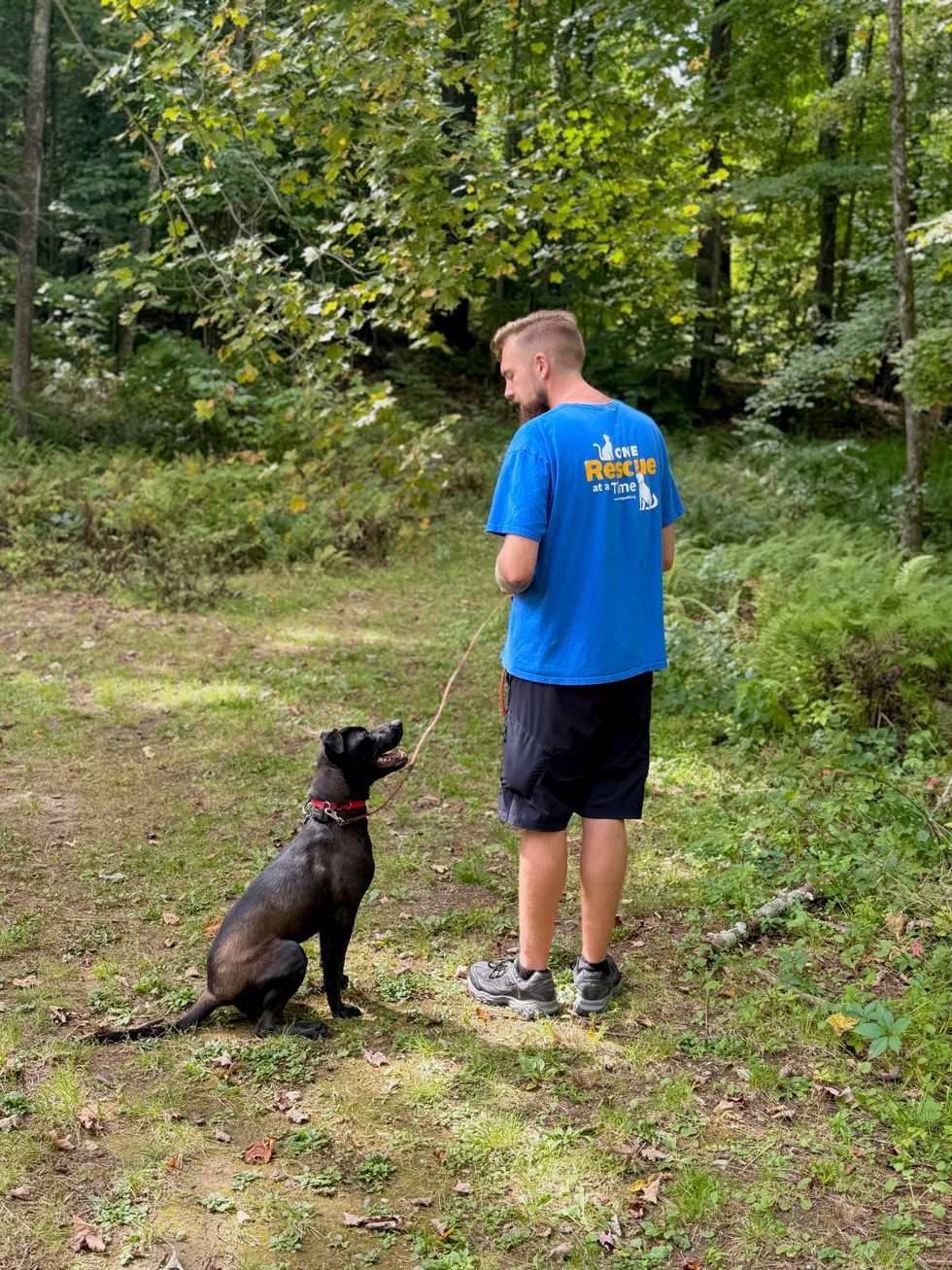 Michael DeBarba, certified dog trainer working with Marsala.Jennifer Almquist
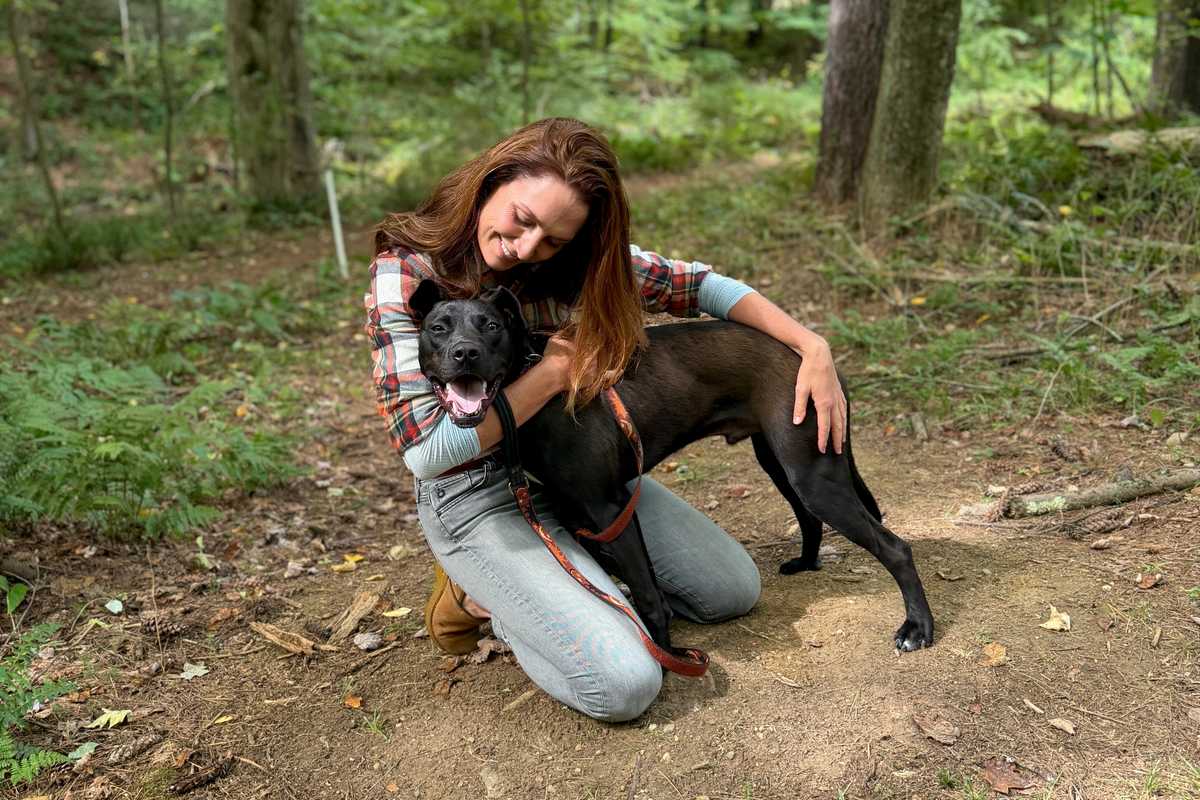 Marsala wins a heart.Jennifer Almquist
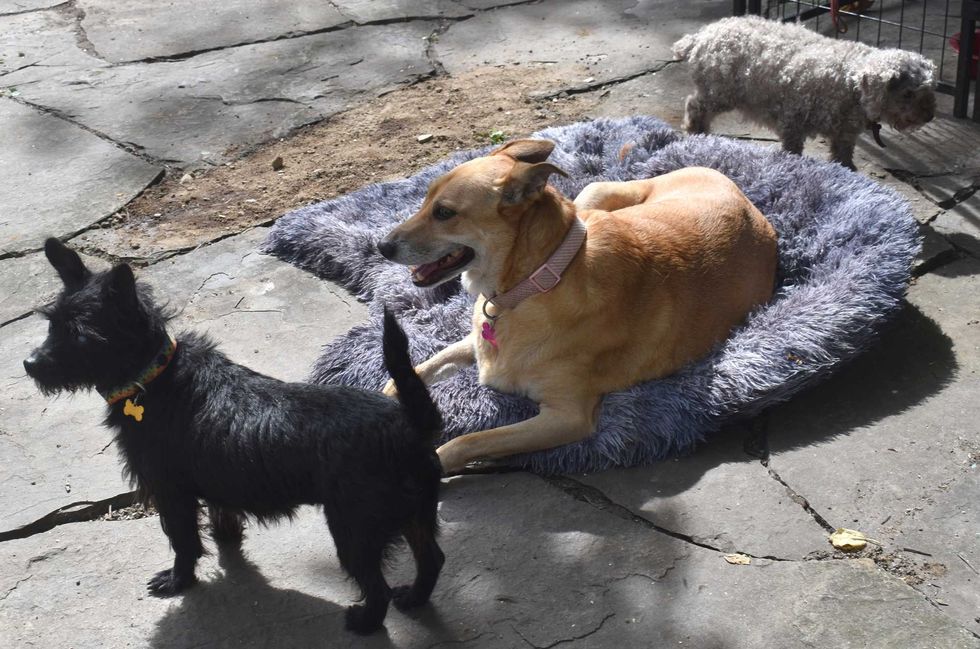 Sadie, center, a Carolina dog, plays with her friend Negra, a terrier mix. Bella Linda, the small poodle, has since been adopted.L. Tomaino
 Wesley, a young, exuberant mix, is looking for an active home.L. Tomaino
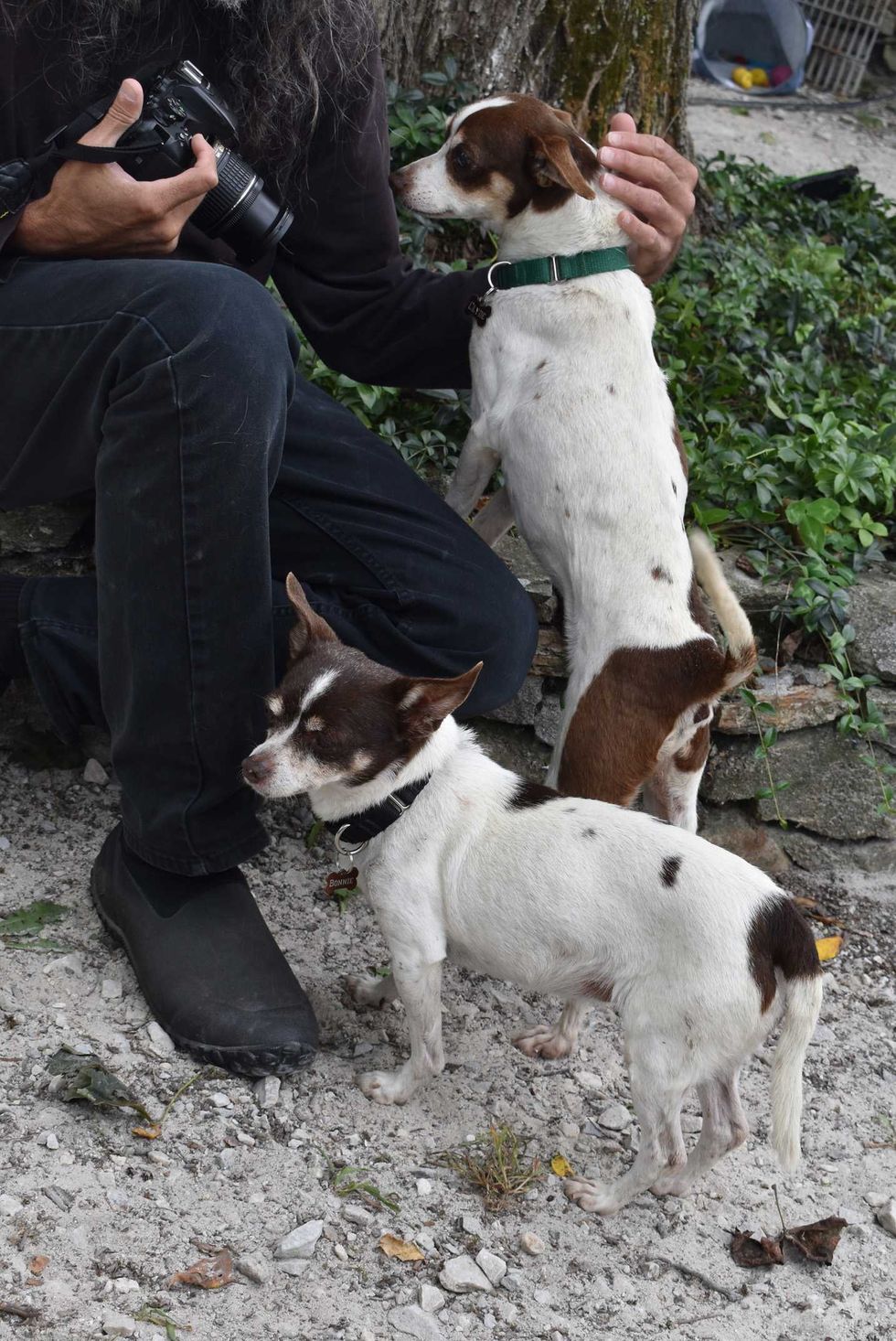 Bonnie and Clyde, an affectionate terrier pair.L. Tomaino