New York’s Medical Aid in Dying Act, which allows terminally ill adults to obtain self-administered medication to end their lives, took effect Aug. 5.
In order to qualify for the prescription, New York residents must be at least 18 years of age, and have a medically confirmed terminal illness that is incurable and irreversible and will likely cause death within 6 months, whether or not treatment is provided.
“People should have autonomy over how they live, but also how they die,” said Keavy Bedell, co-founder of the end-of-life facility East Mountain House, which is based in Lakeville. “If one has reached the point where quality of life is no longer there, and they don’t want to go through the suffering, I firmly stand in the corner of MAID being an option.”
The option is not available in Connecticut. But New York joins 13 other states that offer MAID, including a host of other nations. New York residents must receive approval from two physicians and are subject to a five-day waiting period.
Furthermore, “no person shall qualify for Medical Aid in Dying solely because of age or disability,” the law states.
Bedell hopes Connecticut will join its neighbor in approving similar legislation. “The end of life is a very challenging time for the family and friends,” she said. “MAID is anti-suffering, and it’s a compassionate choice.”
The process works as follows: patients must submit both a spoken and written request, with the oral request captured on audio or video and stored in their medical record. The written request requires two witnesses who are not relatives, caregivers, or otherwise positioned to benefit financially from the patient’s death.
Then comes sign-off from two physicians, along with a separate mental health evaluation by a psychiatrist, psychologist or neurologist. If that evaluator determines the patient lacks decision-making capacity, the process ends there. Patients may change their mind and rescind their request at any time. However, if they move forward with it, they will be prescribed pills.
MAID still faces opposition, even as it goes into effect. Two lawsuits are currently in New York courts to block the legislation — one objects on grounds of religious freedom, the other over disability rights. The former, filed by over a dozen Catholic groups, claims that even though participation is ostensibly voluntary, providers and facilities are forced to inform terminally ill patients about the option or provide referrals, forcing an unconstitutional conflict with their faith.
Disability rights advocates, meanwhile, point to the fact that individuals with disabilities face severe gaps in care or reductions in supportive services, putting them at risk of being steered toward medical aid in dying instead of receiving proper treatment. The group of plaintiffs includes the Independent Living Center of the Hudson Valley.
No injunction has been ordered to prevent the legislation from going into effect.
Under the law, using the prescription does not constitute suicide for legal purposes, and death certificates will list the patient’s underlying illness, not the medication, as the cause of death. Life insurance payouts cannot be withheld as a result, though the state’s Medicaid program will not cover prescription costs.






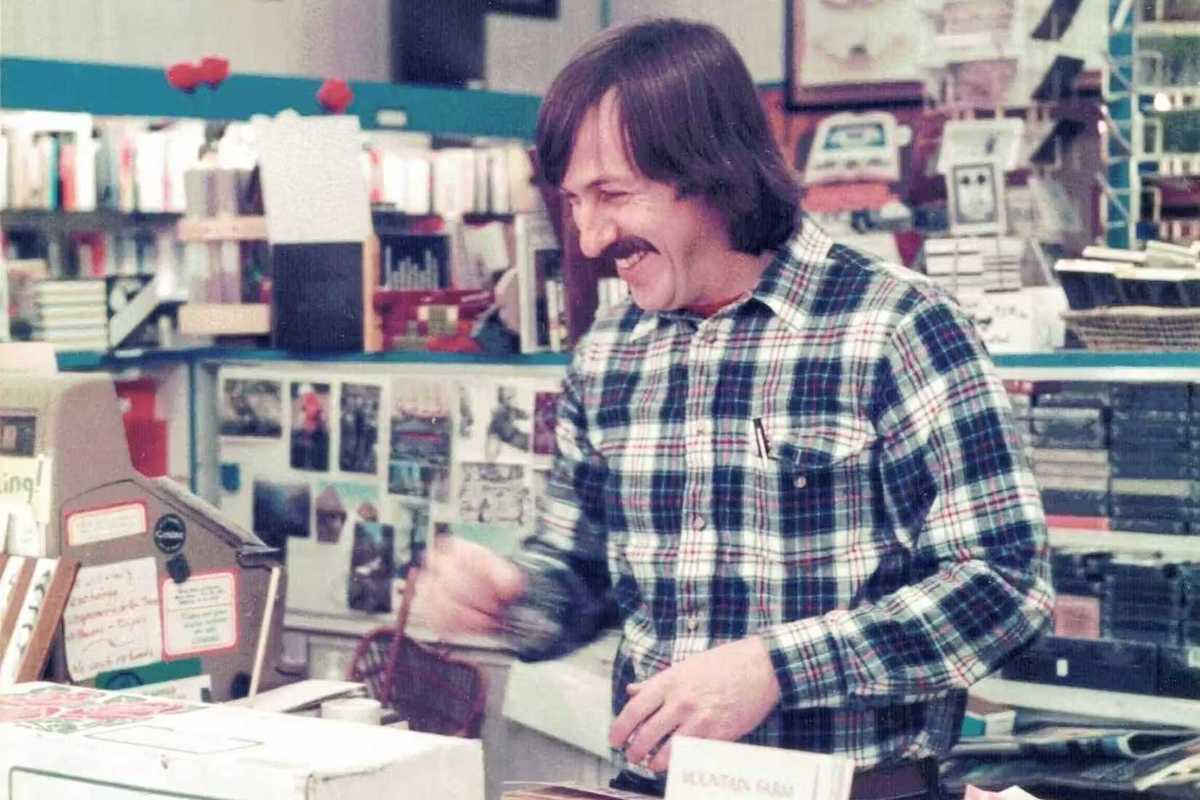
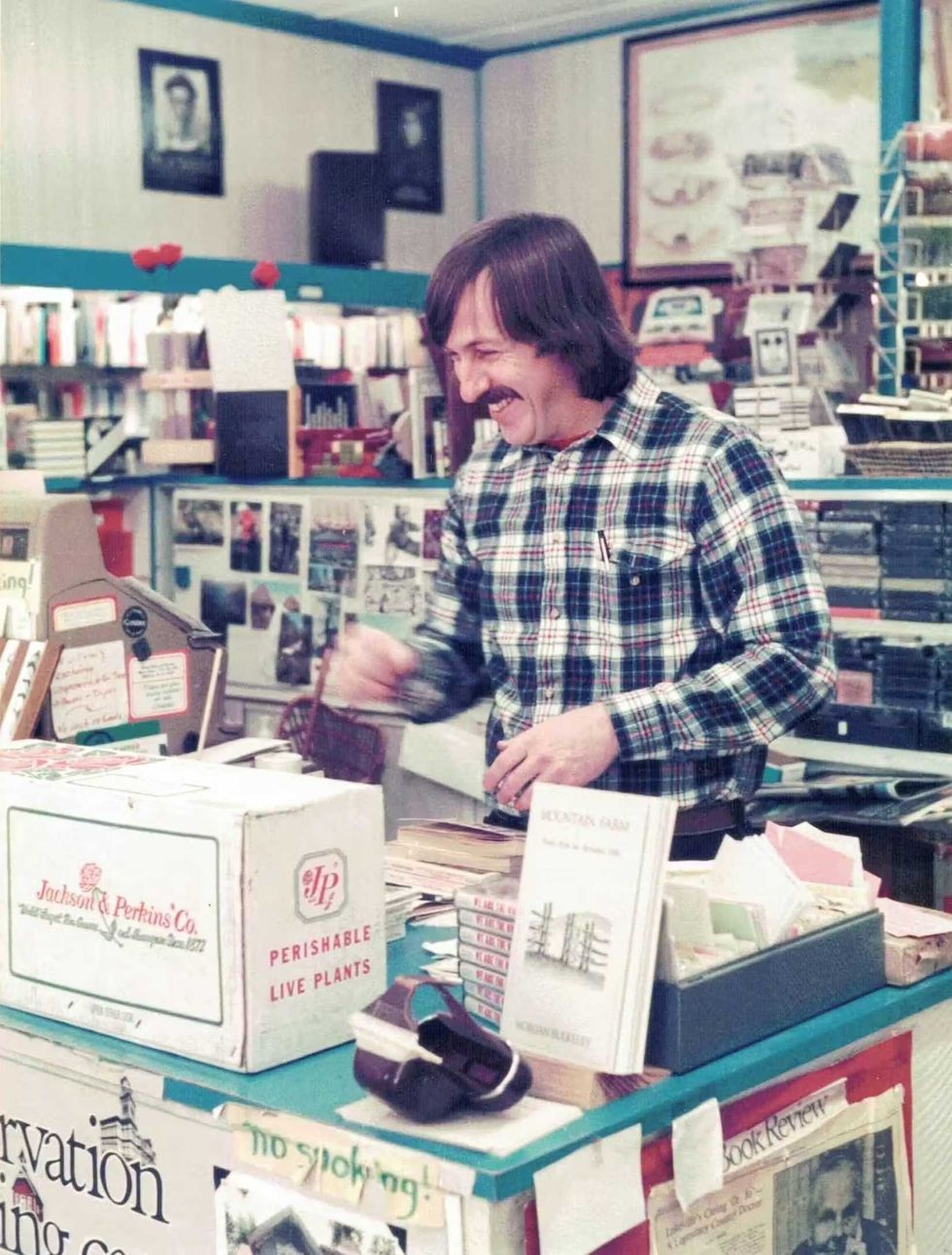 Dick Hermans in the Oblong Bookstore on Millerton’s Main Street in 1985.Provided



 Fall storage crop harvests amid soil building cover crops at Adamah Farm in Falls Village. Janna Siller